





Musical Intrusmants
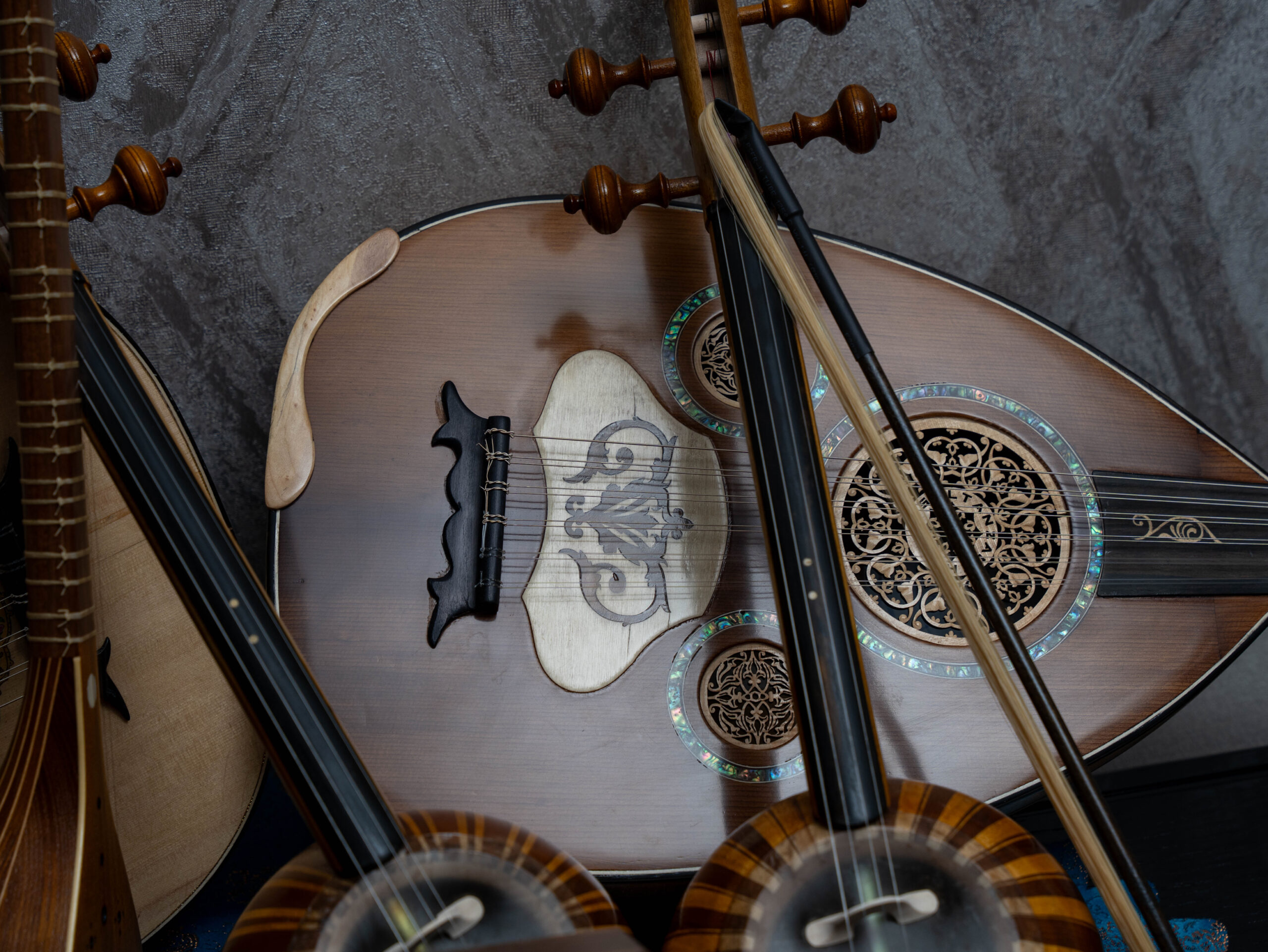
Musical Instruments: A Bridge from the Heart of History to the Future of Art
Introduction Music is the universal language of civilizations. From the earliest natural sounds to the most intricate melodies of today, musical instruments have played a crucial role in shaping cultures, rituals, and global artistry. Each instrument carries a story—its roots in history, the hands that crafted it, and the melodies it brings to life. At Art Gulf, we have curated a collection of unique, entirely( handmade )和 (mastercrafted) musical instruments, preserving the legacy of civilizations while paving the way for the future of music.
This article explores different types of instruments, their historical significance, the oldest musical instruments in the world, and particularly the instruments rooted in Iran, 阿曼, Morocco, Egypt, 中國, India, and Italy. Finally, we discuss their value as both artistic and financial investments for collectors, musicians, and music scholars.
1.Main Categories of Musical Instruments:
Musical instruments are generally classified into four main categories:
1. String Instruments (Chordophones): Includes Tar, Setar, Oud, Kamancheh, Violin, Qanun, and Santur.
2. Percussion Instruments (Membranophones & Idiophones): Includes Tonbak, Daf, Tabla, and Bendir.
3. Wind Instruments (Aerophones): Includes Ney, Duduk, Sheng (中國), Egyptian Nai, and Indian Shehnai.
4. Keyboard Instruments: Includes the Organ, Harpsichord, and Harmonium.
2. The Oldest Musical Instruments in the World:
1. Ancient Instruments and Their Origins
• Iran: Depictions of string instruments such as the Tar and Kamancheh have been discovered in ancient Persian paintings and seals from the Achaemenid and Parthian eras.
• Egypt: Ancient reliefs in Egyptian temples depict the Ney and Qanun, emphasizing their role in sacred and royal ceremonies.
• China: The Sheng, one of the oldest wind instruments, was crafted over 3,000 years ago.
• India: Instruments like the Sarod and Sitar are among the world’s oldest string instruments, still used in Indian classical music.
• Italy: Italy played a key role in the development of the Violin. Esteemed makers like Stradivarius in the 17th and 18th centuries crafted instruments that remain some of the most valuable in the world.
• Morocco & Oman: Various stringed and percussion instruments have deep connections to Berber and Arabic music traditions.
2. Instruments That Have Stood the Test of Time
• Oud: Originating from Mesopotamia, this versatile instrument inspired many string instruments across the world.
• Qanun: With a history of over 2,000 年, this instrument is central to Middle Eastern, 土耳其, and North African music.
• Kamancheh: A bowed string instrument integral to Persian and Central Asian music.
• Santur: With Persian origins, this hammered dulcimer has influenced music from India to Greece and Europe.
• Violin: Emerging from Italy, the violin has become a fundamental instrument in both Western and Eastern classical music.
3. Prominent Musical Instruments by Country
1. Iran
• Tar: Made from mulberry wood and lambskin, known for its deep and expressive tone.
• Setar: A delicate instrument used in Persian Sufi music.
• Kamancheh: A crucial bowed string instrument in Persian music.
• Santur: A trapezoidal hammered dulcimer with 72 strings, producing a mesmerizing sound.
• Tonbak: The principal goblet drum of Persian music, known for its intricate techniques.
2. Oman
• Oud: Crafted from high-quality woods like rosewood and walnut, producing a distinctive sound.
• Omani Daf: A frame drum used in traditional and ceremonial music.
3. Morocco
• Guembri: A plucked string instrument used in Gnawa music.
• Bendir: A large frame drum integral to Moroccan folk music.
4. Egypt
• Egyptian Ney: A reed flute that holds a significant place in Arabic classical music.
• Qanun: A key instrument in Arabic and Middle Eastern classical traditions.
5. China
• Sheng: One of the earliest known wind instruments, still played in traditional Chinese music.
• Guzheng: A zither-like instrument, similar to the Qanun but played with unique techniques. 6. India
• Sitar: A fundamental instrument in Hindustani classical music, known for its unique resonant sound.
• Tabla: A percussion instrument used for intricate rhythmic patterns.
7. Italy
• Violin: First developed in 16th-century Italy, the violin remains one of the most prestigious instruments in global classical music.
4. The Value of Handmade Musical Instruments:
Handmade and mastercrafted instruments not only have great artistic value but also serve as highly valuable investments over time. Factors Affecting the Value of an Instrument.
• Material and craftsmanship (e.g., walnut, rosewood, and mulberry for instruments like the Tar and Oud).
• Handmade quality and artisan skill (Master luthiers often leave a signature or mark on high-end instruments).
• Historical significance and rarity (Antique and limited-edition instruments have increased value).
• Sound quality and international standards (Certain instruments are crafted for professional performances, enhancing their market value).
5. Musical Instruments as a Cultural Investment For Collectors Handmade instruments not only have cultural and historical significance but also appreciate in value over time, making them worthy additions to private collections and museums.
For Musicians and Artists Owning a handmade instrument means possessing a unique tool that offers an unparalleled sound and personal connection to the music.
For Scholars and Enthusiasts Understanding the history and philosophy behind these instruments deepens one’s appreciation and knowledge of music. 結論: Music is a bridge that connects the past to the future. Every instrument is an ambassador of civilization, continuing its journey through the hands of today’s artisans and musicians. At Art- Gulf.com, we have gathered a collection of exceptional, handmade musical instruments that are not just historical treasures but also investments in the future of music.
In our sales section, each of these mastercrafted instruments is available with detailed information, valuation, and pricing.
Handicrafts
Handicrafts: From the Heart of Ancient Civilizations to the Investment of the Future Introduction:
A Timeless Legacy in Our Hands Handicrafts are more than just artistic creations—they are reflections of the soul and identity of great civilizations, from Iran, Egypt, India, and China to Oman and Morocco. These ancient arts serve as a bridge between the past and the future, each piece telling a unique story of culture, civilization, and creativity. In today’s world, where mass production dominates, handicrafts hold their ground, not only for their artistic value but also for their economic and investment potential.
The Origins of Handicrafts in Human History The first signs of handicrafts date back to the Paleolithic era, around 30,000 to 40,000 years ago, when early humans used bones, 木頭, and stones for survival and artistic expression. However, the earliest documented artistic and handcrafted works belong to 10,000 to 12,000 years ago, when great civilizations like Sumer, Ancient Egypt, Persia, 中國, and India began creating remarkable and lasting artifacts.
The Oldest Handicraft Discoveries in the World:
1. Painted Pottery from Susa (伊朗) – Around 8,000 years ago
2. Stone Seals from Mesopotamia – Over 7,000 years ago
3. Gold Jewelry and Gemstone Art from Ancient Egypt – 5,000 years ago
4. Chinese Silk Weaving – Over 4,500 years ago
5. Intricate Woven Fabrics from India – Over 4,000 years ago
6. Mosaic Pottery from Morocco and Oman – 3,000 years ago.
These discoveries highlight how handicrafts have always played a fundamental role in human civilization, serving not only practical purposes but also acting as cultural and artistic expressions of societies.
Handmade or a Living Art?
今天, terms like Handmade or Handicraft are commonly used to describe artisan products, yet these items are much more than just manually crafted objects. They carry the history, culture, and aesthetic philosophy of some of the greatest civilizations. Whether from Iran, Egypt, Morocco, 阿曼, India, or China, handicrafts reflect the artistic mastery and unique identity of their origins.
Why Handicrafts from Great Civilizations?
1. Authenticity and Unique Art: Handicrafts from civilizations such as Iran, Egypt, India, 中國, 阿曼, and Morocco are the result of thousands of years of craftsmanship, philosophy, and artistic excellence.
2. A Valuable Investment: Unlike mass-produced goods, handicrafts not only retain their value over time but often appreciate. Collectors and art investors recognize this market as both secure and promising.
3. The Uniqueness of Every Piece: Each handcrafted item is one-of-a-kind. Owning a miniature Susa pottery, an Indian woven textile, or a Moroccan rug means holding a tangible piece of history and heritage.
4. A Link to Civilizations: We are the ambassadors of the world’s ancient civilizations. Handicrafts serve as a universal language, connecting people through time and culture.
The Global Market and the Future of Handicrafts With the rising demand for sustainable and authentic art, handicrafts have attracted increasing attention from investors and collectors. While digital art and NFTs are on the rise, physical handicrafts remain irreplaceable, maintaining their strong position among galleries, collectors, and art enthusiasts. 今天, purchasing handicrafts is not only an artistic choice but also a strategic financial investment.
結論: A Bridge Between Art, Investment, and the Future We are witnessing a global return to authenticity. In a world that seeks deeper connections with history, art, and culture, handicrafts remain among the most valuable assets one can invest in. Whether you are a seasoned collector or an investor searching for a dynamic and appreciating market, handicrafts from the world’s greatest civilizations open the door to beauty, value, and timeless craftsmanship.
On our platform: Art-Gulf.com you will not only experience living art but also gain the opportunity to explore and invest in the eternal world of handicrafts.

地毯
地毯: A Unique Jewel from the Heart of History, for Your Future
A Masterpiece, An Investment, A Timeless Legacy We have come from the heart of ancient civilizations to shape your future. What lies before you is not just a carpet—it is thousands of years of art, culture, and human civilization woven into every thread. Our carpets are not newly created; they have been centuries in the making.
Every knot is a continuation of a journey that began in the empires of antiquity, flourished under the Safavid dynasty, and has been passed down through generations of master artisans. Owning one of these carpets means becoming the custodian of a living history.
A Singular Piece of History, in Your Hands In a world where rarity defines true value, each of these carpets is one of a kind. No two pieces are alike, and each carries a unique story within its intricate patterns. Once sold, they will never be available again. These are not just carpets—they are ambassadors of civilization.
They have journeyed through the courts of Persian kings, adorned palaces, and stood as testaments to the brilliance of Iranian craftsmanship. Now, they stand before you, offering the chance to own an irreplaceable masterpiece. Value That Increases Over Time What makes a Persian carpet a priceless asset?
• A handcrafted work of art, not a mass-produced item.
• A one-of-a-kind masterpiece, not a replicated design.
• An investment that appreciates over time, not a fleeting purchase.
Just as paintings by Da Vinci and Rembrandt gain value with time, authentic Persian carpets are treasures that only grow more valuable with each passing year. An Exclusive Club, for Those Who Understand True Value This collection is reserved for individuals who recognize the depth of art, heritage, and timeless worth. You are not just a buyer—you are a guardian of cultural legacy. Your Last Chance to Own a Historic Masterpiece With each passing day, another one of these masterpieces leaves our collection forever. If you are ready to own a piece of history and secure an asset of lasting value, do not let this moment pass.
In Art-Gulf.com ,This is not just a purchase—this is a choice for eternity. We have come from the heart of ancient civilizations to shape your future.
I’ve been Curaturing since 1999
We invite artists, leading galleries, renowned collectors, and investors from around the world to join us on this unique platform—where art reaches its true value.


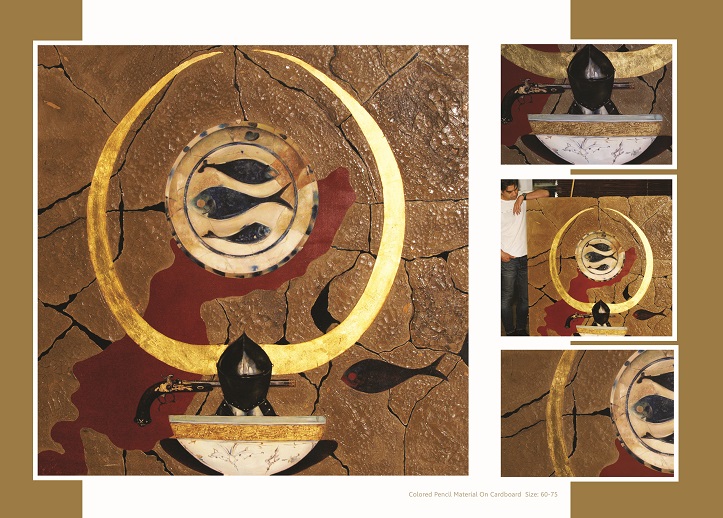
艾哈邁德·納傑菲大師 | 畫家 & 概念藝術家 – 從德黑蘭到全球藝術界。艾哈邁德·納傑菲 (Ahmad Najafi) 是一位富有遠見的伊朗藝術家,他的繪畫之旅始於德黑蘭的青少年時期. 帶著幾十年的熱情, 他在各種藝術風格中建立了獨特的聲音, 包括概念性的, 抽象的, 超現實主義, 以及寫實的表達方式. 他的藝術作品採用多種技術和材料製作而成——從油畫到, 粉彩, 彩色鉛筆, 木炭, 水粉畫, 和金箔, 畫布, 木頭, 和傳統的伊朗面料. 每件作品都體現了深厚的情感內核, 內在體驗與外在形式之間的詩意聯繫. 自從 1999, 納傑菲大師一直在他的私人工作室積極教授繪畫, 他在那裡培養和啟發了新一代的藝術愛好者. 懷著無比自豪的心情, 他向眾多學生介紹了美術世界——不僅在伊朗,而且在全球範圍內. 通過在線和虛擬課程, 他曾與來自澳大利亞的學生一起工作, 加拿大, 英國, 美國, 火雞, 阿拉伯聯合大公國, 阿曼, 科威特, 和許多其他國家. 他還主持了現場研討會, 包括為阿拉伯世界部分地區的傳統貴族家庭成員舉辦的會議. 納傑菲的畫作已被世界各地的收藏家和畫廊展出和收購. 迄今為止, 他的數百件原創作品——每件都有自己的敘事和精神——已被國際購買或委託製作, 並在阿聯酋等國家的私人畫廊展出, 阿曼, 卡達, 科威特, 英國, 美國, 中國, 日本, 澳大利亞, 火雞, 俄羅斯, 義大利, 西班牙, 及以上. 他的作品不僅因其美學而受到推崇,而且還被藝術愛好者和專業收藏家視為收藏投資。. 我們從古代文明的中心來到你們的未來——艾哈邁德·納傑菲大師是這段旅程中最鼓舞人心的大使之一.

“在這個轉瞬即逝的世界裡, 沒有任何所有權是永久的; 享受這些獨特寶藏的機會已經從我們身邊過去了, 現在輪到你擁有了, 看, 觸碰, 並與子孫後代分享這些寶貴的藝術作品。 ”

拉蘇里安大師 | 木鑲嵌大師 (莫拉克) 和浮雕——從永恆的根源到全球傑作大師 Rasoulian, 出生於伊朗, 來自一個深深植根於藝術傳統的家庭. 在一個家庭中長大,手織地毯是家族的遺產,空氣中瀰漫著傳統音樂和歌聲的旋律, 他從小就培養了對藝術的熱情. 他非常熟悉手工地毯生產的每個階段,並在該工藝的各個方面發展了卓越的技能. 這種與傳統藝術的深厚聯繫促使他接受手工藝領域的正規教育. 在 2005, 他畢業於一所技術藝術學校,後來獲得了地毯設計學士學位, 加深他的學術和藝術理解. 接觸地毯圖案的複雜幾何形狀和古典繪畫美學,自然而然地將他引向木鑲嵌的世界 (莫拉克) 和浮雕 (莫納巴特). 自那以後, 拉蘇利安大師創作了數百件非凡的作品——從木質鑲嵌面板、精雕細琢的家具到豪華的裝飾桌子. 他的每件作品都是傳統的獨特融合, 個人表達, 和精煉的技術. 他的傑作已自豪地出口到包括阿聯酋在內的國家, 科威特, 卡達, 英國, 美國, 和許多其他人, 並在世界各地的私人畫廊和著名收藏中找到了家. 他的藝術是全球藝術輝煌的過去和創造性的未來之間的一座橋樑,他的作品不僅為木材注入了生命,而且詩意地表達了美, 和諧, 以及跨文明和文化的人類持久精神. 我們來自古代文明的中心,旨在塑造你們的未來——拉蘇利安大師是這段永恆旅程中持久的聲音之一.

侯賽因·比謝伊大師 | 會說話的小提琴, 不僅僅是聲音
侯賽因·比謝伊 (Hossein Bishe’i) 大師出生於德黑蘭——一座聲音融入生活的城市——三十多年來致力於追求純粹的音樂形式. 開始他的旅程 1986 與 santur 的製作, 後來他探索了焦油, 自從 2003, 他將自己的技藝完全奉獻給了小提琴——一種西方樂器在他手中重生,成為聲音和藝術的對象. 他的每一件樂器都是完全手工製作的. 從精心挑選的木材到聲學上精緻的細節, Bishe’i 創造出大師級小提琴,其品質可與全球屈指可數的作坊相媲美. 他的作品已經超越國界. 侯賽因·比謝伊 (Hossein Bishe’i) 的小提琴受到了阿拉伯聯合酋長國眼光獨到的音樂家和收藏家的青睞, 卡達, 科威特, 西班牙, 義大利, 英國, 加拿大, 美國, 及以上. 今天, 他的樂器遍布五大洲, 每個都帶有獨特的聲音——塑造它的藝術家的可聽簽名. 獻給比舍伊大師, 小提琴不僅僅是一個工具, 而是一個精神的容器. 他的工藝是與木頭的對話——將曾經有生命的樹木轉變為永恆聲音的容器. 這些不僅僅是樂器. 他們是藝術品. 他們是聲音. 每當他的一把小提琴被演奏時, 它所呼應的不僅僅是一個音符, 但一個承諾: “我們從古代文明的中心來到你們的未來。”
再見

亞沙爾·馬爾福茲 我的名字是亞沙爾·馬爾福茲 (1978) 我出生在大不里士, 伊朗, 進入一個完全從事手工地毯生產和分銷業務的家庭, 為了 4 幾代人. 我從小就對地毯藝術非常感興趣, 並在年齡 12, 我獲得了地毯編織碩士學位; 並學會了所有的編織, 修補甚至染色工藝. 年齡 15, 我開始在地毯和地毯上製作浮雕和 3D 圖案, 使用自學技術. 為了進一步推進我的學習, 知識和技術, 我進入大學的年份 2011, 並能夠以優異的成績畢業, 僅在 6 學期, 來自藝術大學, 擁有地毯設計藝術學位. 然後, 繼續我的教育並豐富我的知識, I started a master's degree in Arts History, 我以優異的成績完成了學業,並獲得了國家藝術學位. 我的作品也曾排名第一: 伊斯蘭工作創意與創新節, 拉什迪節, 大不里士頂級地毯節 (連續兩年). 在最後 25 年, 我已經商業化了 30,000 地毯和地毯,自今年以來 2011, 我已經開始向世界各地提交我獨特的藝術地毯. 需要指出的是,我的作品完全是按照傳統方式手工製作的, 並且每件作品都有其獨特的意義, 已嵌入地毯的浮雕圖案上. 這些地毯具有裝飾作用並安裝在牆上. 這些帶有 3D 表面圖案的壓花地毯, 已被發送至美國, 加拿大, 瑞士, 日本, 卡達, 科威特, 阿拉伯聯合大公國, 德國和其他幾個國家.