





Musical Intrusmants
Musical Instruments: A Bridge from the Heart of History to the Future of Art
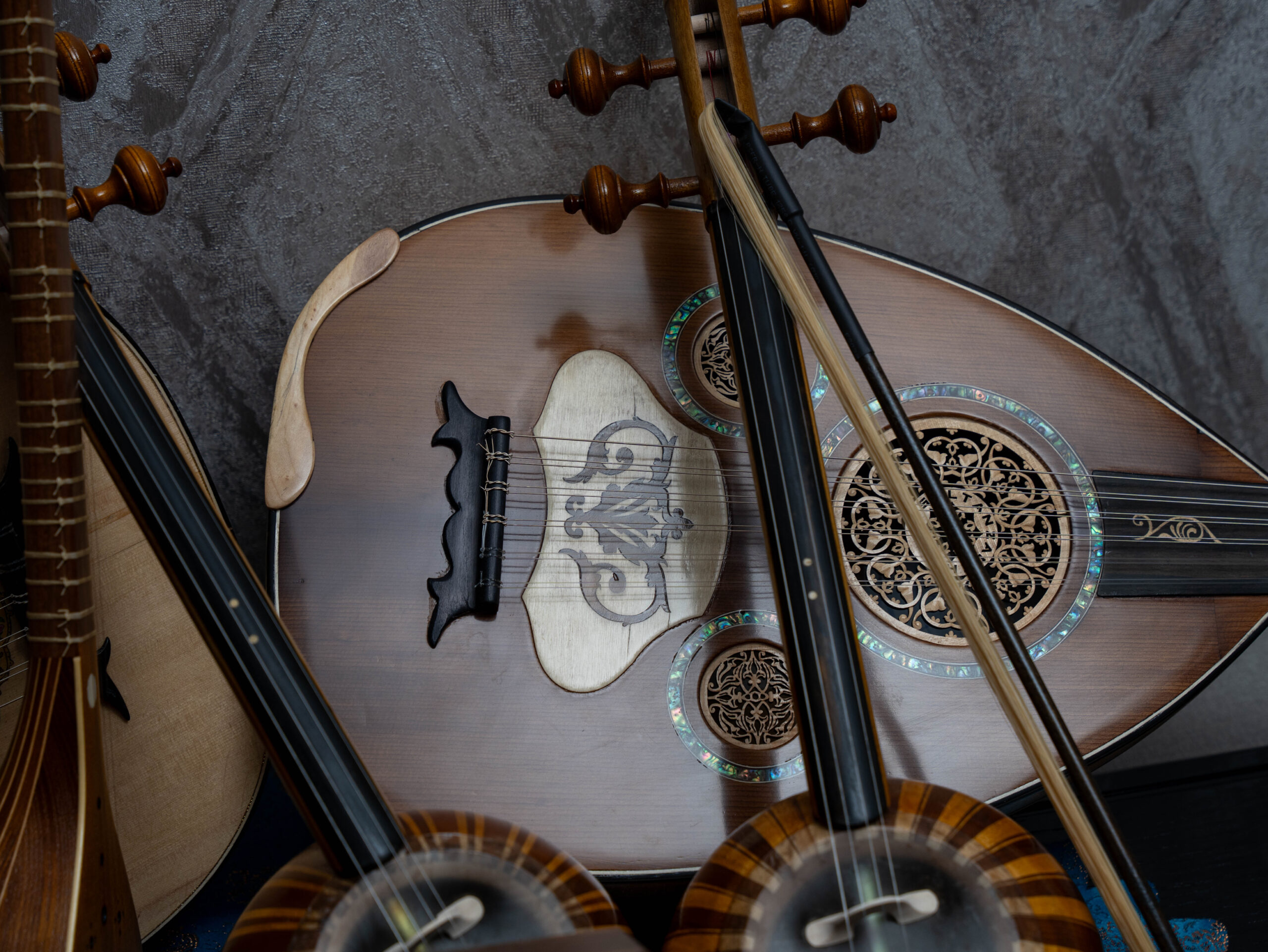
Introduction Music is the universal language of civilizations. From the earliest natural sounds to the most intricate melodies of today, musical instruments have played a crucial role in shaping cultures, rituals, and global artistry. Each instrument carries a story—its roots in history, the hands that crafted it, and the melodies it brings to life. At Art Gulf, we have curated a collection of unique, entirely( handmade )and (mastercrafted) musical instruments, preserving the legacy of civilizations while paving the way for the future of music.
This article explores different types of instruments, their historical significance, the oldest musical instruments in the world, and particularly the instruments rooted in Iran, Oman, Morocco, Egypt, Ṣaina, India, and Italy. Finally, we discuss their value as both artistic and financial investments for collectors, musicians, and music scholars.
1.Main Categories of Musical Instruments:
Musical instruments are generally classified into four main categories:
1. String Instruments (Chordophones): Includes Tar, Setar, Oud, Kamancheh, Violin, Qanun, and Santur.
2. Percussion Instruments (Membranophones & Idiophones): Includes Tonbak, Daf, Tabla, and Bendir.
3. Wind Instruments (Aerophones): Includes Ney, Duduk, Sheng (Ṣaina), Egyptian Nai, and Indian Shehnai.
4. Keyboard Instruments: Includes the Organ, Harpsichord, and Harmonium.
2. The Oldest Musical Instruments in the World:
1. Ancient Instruments and Their Origins
• Iran: Depictions of string instruments such as the Tar and Kamancheh have been discovered in ancient Persian paintings and seals from the Achaemenid and Parthian eras.
• Egypt: Ancient reliefs in Egyptian temples depict the Ney and Qanun, emphasizing their role in sacred and royal ceremonies.
• China: The Sheng, one of the oldest wind instruments, was crafted over 3,000 years ago.
• India: Instruments like the Sarod and Sitar are among the world’s oldest string instruments, still used in Indian classical music.
• Italy: Italy played a key role in the development of the Violin. Esteemed makers like Stradivarius in the 17th and 18th centuries crafted instruments that remain some of the most valuable in the world.
• Morocco & Oman: Various stringed and percussion instruments have deep connections to Berber and Arabic music traditions.
2. Instruments That Have Stood the Test of Time
• Oud: Originating from Mesopotamia, this versatile instrument inspired many string instruments across the world.
• Qanun: With a history of over 2,000 awọn ọdun, this instrument is central to Middle Eastern, Turkish, and North African music.
• Kamancheh: A bowed string instrument integral to Persian and Central Asian music.
• Santur: With Persian origins, this hammered dulcimer has influenced music from India to Greece and Europe.
• Violin: Emerging from Italy, the violin has become a fundamental instrument in both Western and Eastern classical music.
3. Prominent Musical Instruments by Country
1. Iran
• Tar: Made from mulberry wood and lambskin, known for its deep and expressive tone.
• Setar: A delicate instrument used in Persian Sufi music.
• Kamancheh: A crucial bowed string instrument in Persian music.
• Santur: A trapezoidal hammered dulcimer with 72 strings, producing a mesmerizing sound.
• Tonbak: The principal goblet drum of Persian music, known for its intricate techniques.
2. Oman
• Oud: Crafted from high-quality woods like rosewood and walnut, producing a distinctive sound.
• Omani Daf: A frame drum used in traditional and ceremonial music.
3. Morocco
• Guembri: A plucked string instrument used in Gnawa music.
• Bendir: A large frame drum integral to Moroccan folk music.
4. Egypt
• Egyptian Ney: A reed flute that holds a significant place in Arabic classical music.
• Qanun: A key instrument in Arabic and Middle Eastern classical traditions.
5. China
• Sheng: One of the earliest known wind instruments, still played in traditional Chinese music.
• Guzheng: A zither-like instrument, similar to the Qanun but played with unique techniques. 6. India
• Sitar: A fundamental instrument in Hindustani classical music, known for its unique resonant sound.
• Tabla: A percussion instrument used for intricate rhythmic patterns.
7. Italy
• Violin: First developed in 16th-century Italy, the violin remains one of the most prestigious instruments in global classical music.
4. The Value of Handmade Musical Instruments:
Handmade and mastercrafted instruments not only have great artistic value but also serve as highly valuable investments over time. Factors Affecting the Value of an Instrument.
• Material and craftsmanship (e.g., walnut, rosewood, and mulberry for instruments like the Tar and Oud).
• Handmade quality and artisan skill (Master luthiers often leave a signature or mark on high-end instruments).
• Historical significance and rarity (Antique and limited-edition instruments have increased value).
• Sound quality and international standards (Certain instruments are crafted for professional performances, enhancing their market value).
5. Musical Instruments as a Cultural Investment For Collectors Handmade instruments not only have cultural and historical significance but also appreciate in value over time, making them worthy additions to private collections and museums.
For Musicians and Artists Owning a handmade instrument means possessing a unique tool that offers an unparalleled sound and personal connection to the music.
For Scholars and Enthusiasts Understanding the history and philosophy behind these instruments deepens one’s appreciation and knowledge of music. Conclusion: Music is a bridge that connects the past to the future. Every instrument is an ambassador of civilization, continuing its journey through the hands of today’s artisans and musicians. At Art- Gulf.com, we have gathered a collection of exceptional, handmade musical instruments that are not just historical treasures but also investments in the future of music.
In our sales section, each of these mastercrafted instruments is available with detailed information, valuation, and pricing.
Handicrafts
Handicrafts: From the Heart of Ancient Civilizations to the Investment of the Future Introduction:
A Timeless Legacy in Our Hands Handicrafts are more than just artistic creations—they are reflections of the soul and identity of great civilizations, from Iran, Egypt, India, and China to Oman and Morocco. These ancient arts serve as a bridge between the past and the future, each piece telling a unique story of culture, civilization, and creativity. In today’s world, where mass production dominates, handicrafts hold their ground, not only for their artistic value but also for their economic and investment potential.
The Origins of Handicrafts in Human History The first signs of handicrafts date back to the Paleolithic era, around 30,000 to 40,000 years ago, when early humans used bones, igi, and stones for survival and artistic expression. However, the earliest documented artistic and handcrafted works belong to 10,000 to 12,000 years ago, when great civilizations like Sumer, Ancient Egypt, Persia, Ṣaina, and India began creating remarkable and lasting artifacts.
The Oldest Handicraft Discoveries in the World:
1. Painted Pottery from Susa (Iran) – Around 8,000 years ago
2. Stone Seals from Mesopotamia – Over 7,000 years ago
3. Gold Jewelry and Gemstone Art from Ancient Egypt – 5,000 years ago
4. Chinese Silk Weaving – Over 4,500 years ago
5. Intricate Woven Fabrics from India – Over 4,000 years ago
6. Mosaic Pottery from Morocco and Oman – 3,000 years ago.
These discoveries highlight how handicrafts have always played a fundamental role in human civilization, serving not only practical purposes but also acting as cultural and artistic expressions of societies.
Handmade or a Living Art?
Loni, terms like Handmade or Handicraft are commonly used to describe artisan products, yet these items are much more than just manually crafted objects. They carry the history, aṣa, and aesthetic philosophy of some of the greatest civilizations. Whether from Iran, Egypt, Morocco, Oman, India, or China, handicrafts reflect the artistic mastery and unique identity of their origins.
Why Handicrafts from Great Civilizations?
1. Authenticity and Unique Art: Handicrafts from civilizations such as Iran, Egypt, India, Ṣaina, Oman, and Morocco are the result of thousands of years of craftsmanship, ẹkọ ọgbọn, and artistic excellence.
2. A Valuable Investment: Unlike mass-produced goods, handicrafts not only retain their value over time but often appreciate. Collectors and art investors recognize this market as both secure and promising.
3. The Uniqueness of Every Piece: Each handcrafted item is one-of-a-kind. Owning a miniature Susa pottery, an Indian woven textile, or a Moroccan rug means holding a tangible piece of history and heritage.
4. A Link to Civilizations: We are the ambassadors of the world’s ancient civilizations. Handicrafts serve as a universal language, connecting people through time and culture.
The Global Market and the Future of Handicrafts With the rising demand for sustainable and authentic art, handicrafts have attracted increasing attention from investors and collectors. While digital art and NFTs are on the rise, physical handicrafts remain irreplaceable, maintaining their strong position among galleries, collectors, and art enthusiasts. Loni, purchasing handicrafts is not only an artistic choice but also a strategic financial investment.
Conclusion: A Bridge Between Art, Investment, and the Future We are witnessing a global return to authenticity. In a world that seeks deeper connections with history, art, and culture, handicrafts remain among the most valuable assets one can invest in. Whether you are a seasoned collector or an investor searching for a dynamic and appreciating market, handicrafts from the world’s greatest civilizations open the door to beauty, value, and timeless craftsmanship.
On our platform: Art-Gulf.com you will not only experience living art but also gain the opportunity to explore and invest in the eternal world of handicrafts.
Aṣọ atẹrin
Aṣọ atẹrin: A Unique Jewel from the Heart of History, for Your Future
A Masterpiece, An Investment, A Timeless Legacy We have come from the heart of ancient civilizations to shape your future. What lies before you is not just a carpet—it is thousands of years of art, aṣa, and human civilization woven into every thread. Our carpets are not newly created; they have been centuries in the making.
Every knot is a continuation of a journey that began in the empires of antiquity, flourished under the Safavid dynasty, and has been passed down through generations of master artisans. Owning one of these carpets means becoming the custodian of a living history.
A Singular Piece of History, in Your Hands In a world where rarity defines true value, each of these carpets is one of a kind. No two pieces are alike, and each carries a unique story within its intricate patterns. Once sold, they will never be available again. These are not just carpets—they are ambassadors of civilization.
They have journeyed through the courts of Persian kings, adorned palaces, and stood as testaments to the brilliance of Iranian craftsmanship. Now, they stand before you, offering the chance to own an irreplaceable masterpiece. Value That Increases Over Time What makes a Persian carpet a priceless asset?
• A handcrafted work of art, not a mass-produced item.
• A one-of-a-kind masterpiece, not a replicated design.
• An investment that appreciates over time, not a fleeting purchase.
Just as paintings by Da Vinci and Rembrandt gain value with time, authentic Persian carpets are treasures that only grow more valuable with each passing year. An Exclusive Club, for Those Who Understand True Value This collection is reserved for individuals who recognize the depth of art, heritage, and timeless worth. You are not just a buyer—you are a guardian of cultural legacy. Your Last Chance to Own a Historic Masterpiece With each passing day, another one of these masterpieces leaves our collection forever. If you are ready to own a piece of history and secure an asset of lasting value, do not let this moment pass.
In Art-Gulf.com ,This is not just a purchase—this is a choice for eternity. We have come from the heart of ancient civilizations to shape your future.
I’ve been Curaturing since 1999
We invite artists, leading galleries, renowned collectors, and investors from around the world to join us on this unique platform—where art reaches its true value.


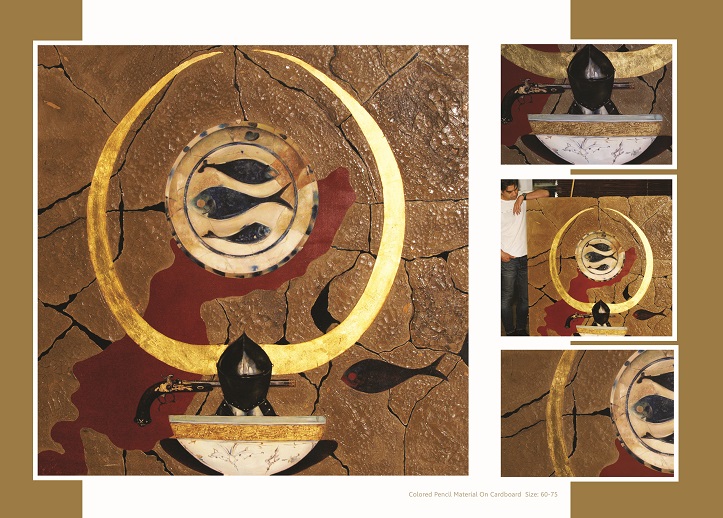
Titun Ti apeja Najafi | Akunle obinrin & Oṣere ironu - lati Tehran si oju-aye aworan agbaye.. Pẹlu ife gidigidi ti o ti farada fun awọn ewadun, O ti fi idi ohun alailẹgbẹ kọja ọpọlọpọ awọn aza awọn ọna, pẹlu ironu, akopọ, ipin, ati awọn ifihan Real. Awọn iṣẹ ọnà rẹ ti wa ni adaṣe lilo ọpọlọpọ awọn imuposi ati awọn ohun elo - lati awọ epo, pastels, ohun elo ikọwe awọ, eedu, iyẹwu, ati bunkun goolu, si awọn adẹtẹ, igi, ati awọn aṣọ gidi ti ibile. Ẹyọ kọọkan nfa mojuto ti ẹdun, Asopọ adie laarin iriri inu ati fọọmu ita. Nitori 1999, Titunto si Najafi ti wa ni kikunkọ kikun ni kikun ni ile-iṣẹ ikọkọ rẹ, nibi ti o ti kọ ati atilẹyin iran tuntun ti awọn ololufẹ aworan. Pẹlu igberaga nla, O ti ṣafihan awọn ọmọ ile-iwe lọpọlọpọ si agbaye ti aworan ti o dara - kii ṣe ni Iran nikan ṣugbọn tun kariaye. Nipasẹ awọn kilasi ori ayelujara ati foju, O ti ṣiṣẹ pẹlu awọn ọmọ ile-iwe lati Australia, Kagan, apapọ, apapọ ilẹ Amẹrika, Tọki, United Arab Emirates, Oman, Kuwait, ati ọpọlọpọ awọn orilẹ-ede miiran. O ti le yo ninu awọn idanileko eniyan, pẹlu awọn akoko fun awọn ọmọ ẹgbẹ ti awọn idile Aristerac ti aṣa ni awọn apakan ti agbaye Arab. Awọn kikun Najafici ti han ati ti ipa nipasẹ awọn oluko ati awọn àwòrùn kaakiri agbaiye. Titi di akoko yi, ọgọọgọrun awọn iṣẹ atilẹba rẹ - kọọkan pẹlu itan-ini tirẹ ati ẹmi rẹ - ni a ti ra tabi fi ofin si okeere, ati ṣafihan ni awọn ibi ikọkọ ni awọn orilẹ-ede bii uae, Oman, Iṣitọ, Kuwait, UK, Ussa, Ṣaina, Ilu ilu Japan, Ọstrelia, Tọki, Russia, Iwalaye, Ajumọṣe, ati kọja. Awọn ege rẹ ti o fẹran rẹ nikan fun ẹwa darapupo wọn ṣugbọn tun bi awọn idoko-owo ikojọpọ ti o fẹ nipasẹ awọn onitara aworan ati awọn olukọ ọjọgbọn. A ti wa lati inu ọkan ti awọn ọlaju atijọ si ọjọ iwaju rẹ - ati ti Ahmad Najafi jẹ ọkan ninu awọn aṣoju ti o ni iwuri julọ ti irin-ajo yii.

"Ninu aye ti o ni ọkọ oju-omi kekere yii, Ko si ohun ini jẹ yẹ; Anfani lati gbadun awọn iṣura alailẹgbẹ wọnyi ti kọja nipasẹ wa, ati bayi o jẹ akoko rẹ lati ni, wo, fọwọkan, ati pin awọn iṣẹ wọnyi ti o niyelori ti aworan pẹlu awọn iran iwaju. "

Titunto si Rasosian | Titunto si ti ina igi (Moarraq) ati lilọ kiri ni idaniloju - lati awọn gbongbo ti iṣaju lati kariayeceneces Titunto si Rasoulian, bi Iran, wa lati inu idile jinna ti o jinna ninu awọn aṣa ti aworan. Ti a gbe dide ni ile kan nibiti awọn kapa ti osidoven ni oga idile ati awọn orin aladun ti orin aṣa ati awọn ọrọ ti o kun afẹfẹ, ifẹ rẹ fun aworan ti o ni itara lati ọjọ ori. O di mimọ pẹlu gbogbo ipele ti iṣelọpọ capet ti agbara ati ti idagbasoke iyasọtọ ti o dagbasoke ni awọn abala oriṣiriṣi ti iṣẹ ọwọ yii. Asopọ nla yii si awọn iṣẹ ọnà mu i lati lepa eto ẹkọ ti o wa ni aaye ti awọn iṣẹ afọwọkọ. Ninu 2005, O pari ile-iwe aworan ti imọ-ẹrọ ati lẹhinna san ẹkọ alefa kan ni apẹrẹ capeti, ti o jinle mejeji ti ile-ẹkọ rẹ ati oye iṣẹ ọna. Ifihan rẹ si Geoometry ti awọn ọna caphet ati kikun kikun aesthetics nipa ti fa o si agbaye ti inlay igi (Moarraq) ati gbigbe pada (Monabbat). Lati igbanna, Titun Titunto si Rasoulian ti ṣẹda awọn ọgọọgọrun awọn iṣẹ iyalẹnu-ran lati awọn panẹli inlan ati ohun ọṣọ ti o ni agbara pupọ. Ọkọọkan awọn ege rẹ jẹ rudurudu alailẹgbẹ ti aṣa, ikosile ti ara ẹni, ati ilana ti a tunṣe. Awọn aṣaju rẹ ti ni igberaga fun awọn orilẹ-ede pẹlu United Arab Emirates, Kuwait, Iṣitọ, apapọ, apapọ ilẹ Amẹrika, ati ọpọlọpọ awọn miiran, ati pe o ti rii awọn ile ni awọn ile ikọkọ ati awọn ikojọpọ nla ni ayika agbaye. Iṣẹju NHIS Sin fun Afara laarin ologo ti o kọja ati ọjọ iwaju ninu awọn iṣẹ-iṣẹ oju-iwe agbaye, iro-inu, ati ẹmi ifarada ti ẹda eniyan kọja awọn ọlaju ati awọn aṣa. A ti wa lati inu ọkan ti awọn ọlaju atijọ lati ṣe apẹrẹ ọjọ iwaju rẹ - ati Titunto si Rasoulian jẹ ọkan ninu awọn ohun pipẹ ti irin ajo ti asiko yii.

Titunto si Hossein Bishhe'i | Awọn ọrẹ ti o sọrọ, Kii ṣe ohun kan
A bi ni Tehran-ilu kan nibiti o dun ninu iru awọn ti igbesi aye ti igbesi aye Honsein Bishe'i ti yasọtọ awọn ewadun mẹta si ilepa Fọọmu orin mimọ. Ibẹrẹ irin-ajo rẹ sinu 1986 Pẹlu iṣẹ ti Santur, O n ṣawari nigbamii, ati niwon 2003, O ti ṣe igbẹhin ọwọ rẹ si violin-irin-ajo ti o jẹwọ ni ọwọ rẹ bi ohun ti ohun mejeeji ati aworan. Ọkọọkan awọn ohun elo rẹ ni a fi agbara mu ni kikun. Lati faramọ awọn igi ti a ti yan lati fi awọn alaye ito-eso, Bishe'i ṣẹda Titunto si Titunto si Awọn Afun-Abaje Awọn idalẹnu ti o wa ni agbara ti a rii ni ọwọ kan ti awọn idanileko nikan ni kariaye. Awọn iṣẹ rẹ ti yan awọn aala. Awọn ololufẹ, Iṣitọ, Kuwait, Ajumọṣe, Iwalaye, apapọ, Kagan, apapọ ilẹ Amẹrika, ati kọja. Loni, awọn ohun-ini rẹ ti dun kọja awọn agbegbe marun, ọkọọkan mu ohun alailẹgbẹ-ti Ibuwọlu ti o ni agbara olorin ti o ṣe apẹrẹ rẹ. Fun Tituntosi Bishe'i, violin kii ṣe ohun elo kan, Ṣugbọn ohun-elo ẹmi. Ọnà rẹ jẹ ijiroro pẹlu igi-kan ti awọn igi gbigbe lẹẹkan sinu awọn ohun elo ti ohun ayeraye. Iwọnyi kii ṣe awọn ohun elo nikan. Wọn jẹ iṣẹ ọnà. Wọn jẹ awọn ohun. Ati ni gbogbo igba ti awọn adun rẹ ti dun, o Eces ko o kan akọsilẹ kan, Ṣugbọn ileri kan: "A ti wa lati ọkan ti awọn ọlaju atijọ si ọjọ iwaju rẹ."
ma ri laipe

Yashir malfouzi Orukọ mi ni Yashir Malfouzi (1978) A si bi mi ni tabriz, Iran, sinu ẹbi ti o ni kikun ni iṣowo ti iṣelọpọ ati pinpin awọn carpeets ọwọ ati awọn aṣọ atẹrin, fun 4 awọn iran. Mo nifẹ pupọ ninu capetet aworan lati ibẹrẹ igba ewe mi, ati ni ọjọ-ori ti 12, Mo ni ipo titunto si mi ni capet wiving; o si kọ ẹkọ gbogbo ohun ti a ti sọ, titunṣe ati paapaa awọn ilana imu. Ni ọjọ-ori ti 15, Mo bẹrẹ si ṣe awọn ọna embossed ati awọn ọna 3D lori awọn carpeets ati awọn aṣọ atẹrin, lilo awọn imuposi ti ara ẹni. Lati ni itara siwaju mi, Imọ ati awọn imuposi, Mo wọ ile-ẹkọ giga ni ọdun 2011, ati pe o ni anfani lati wa ni ile-iṣẹ pẹlu awọn ojuami, ni nikan 6 awọn alabọde, lati University Mort, pẹlu capet ṣe apẹẹrẹ ìyí aworan. Lehin, lati tẹsiwaju eto-ẹkọ mi ati lati mu ọgbọn mi duro, I started a master's degree in Arts History, eyiti Mo ti pari pẹlu awọn ọwọ ati pe Mo gba iwọn ipo aworan ti ipinle. Awọn iṣẹ mi tun wa ni ipo akọkọ ninu: Ajọdun ti iṣẹda ati vationdàs ti iṣẹ Islam, Ayẹyẹ Rashidi, Ayẹyẹ capet oke ti tabriz (Ọdun meji ni ọna kan). Ni igbẹhin 25 awọn ọdun, Mo ti ni iṣowo 30,000 Awọn capeets ati awọn aṣọ atẹrin ati lati ọdun 2011, Mo ti bẹrẹ lati fi awọn ẹru ọna ọwọn mi si ọpọlọpọ apakan ti agbaye. O yẹ ki Mo tọka si pe awọn iṣẹ mi jẹ ọwọ ni ọna ti a ṣe ni ọna ti aṣa, ati iṣẹ kọọkan ni itumo ara rẹ, Ewo ni a ti fi sii lori ilana embossed ti awọn aṣọ atẹrin. Awọn aṣọ wọnyi ni idi ti ohun ọṣọ ati pe a gbe sori ogiri. Awọn aṣọ atẹsẹ wọnyi pẹlu ilana ilẹ 3D, ti firanṣẹ si AMẸRIKA, Kagan, Switzerland, Ilu ilu Japan, Iṣitọ, Kuwait, United Arab Emirates, Germany ati ọpọlọpọ awọn orilẹ-ede miiran.