




Musical Intrusmants
Musical Instruments: A Bridge from the Heart of History to the Future of Art
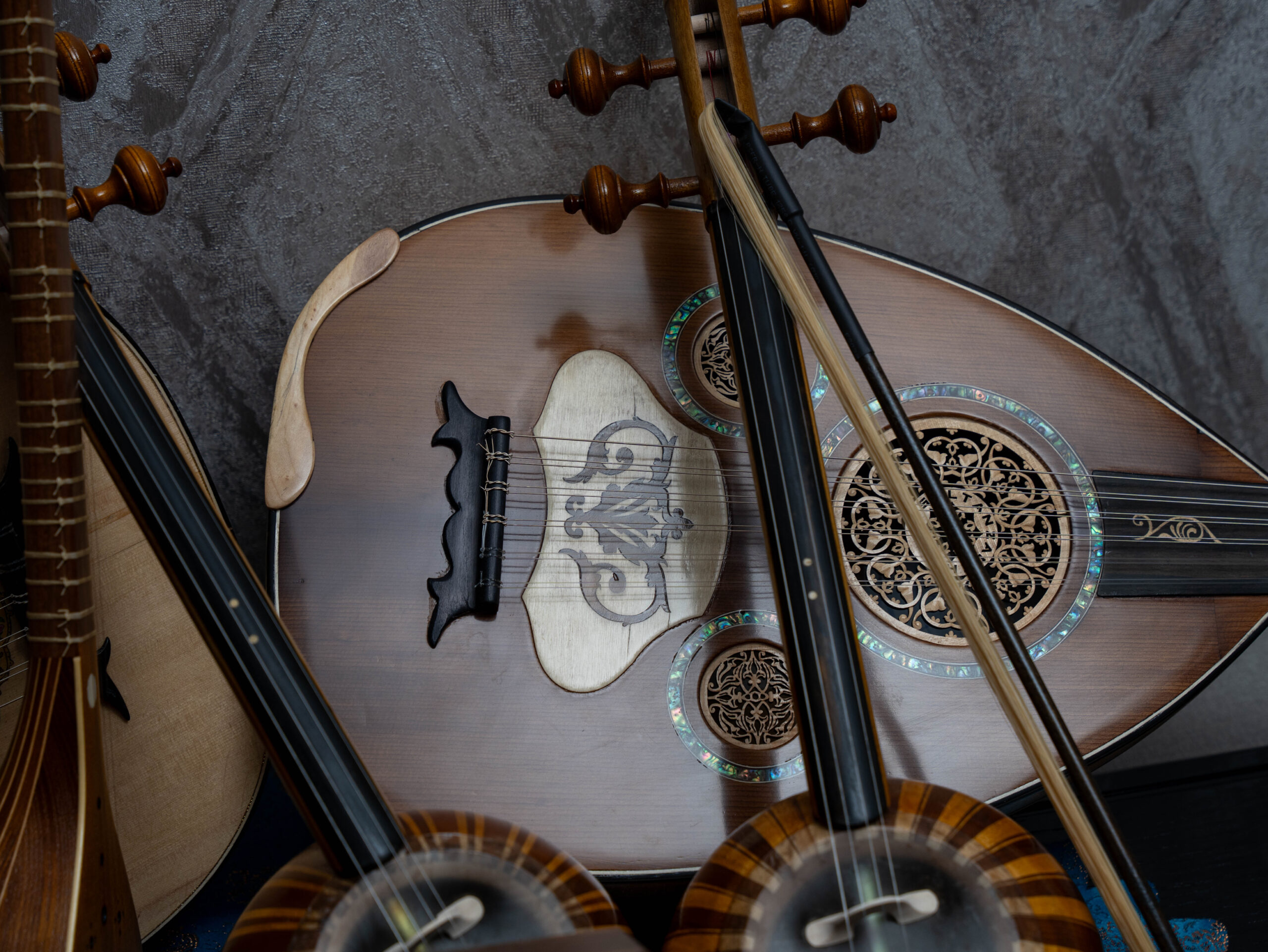
Introduction Music is the universal language of civilizations. From the earliest natural sounds to the most intricate melodies of today, musical instruments have played a crucial role in shaping cultures, rituals, and global artistry. Each instrument carries a story—its roots in history, the hands that crafted it, and the melodies it brings to life. At Art Gulf, we have curated a collection of unique, entirely( handmade )Và (mastercrafted) musical instruments, preserving the legacy of civilizations while paving the way for the future of music.
This article explores different types of instruments, their historical significance, the oldest musical instruments in the world, and particularly the instruments rooted in Iran, Ô-man, Morocco, Egypt, Trung Quốc, India, and Italy. Finally, we discuss their value as both artistic and financial investments for collectors, musicians, and music scholars.
1.Main Categories of Musical Instruments:
Musical instruments are generally classified into four main categories:
1. String Instruments (Chordophones): Includes Tar, Setar, Oud, Kamancheh, Violin, Qanun, and Santur.
2. Percussion Instruments (Membranophones & Idiophones): Includes Tonbak, Daf, Tabla, and Bendir.
3. Wind Instruments (Aerophones): Includes Ney, Duduk, Sheng (Trung Quốc), Egyptian Nai, and Indian Shehnai.
4. Keyboard Instruments: Includes the Organ, Harpsichord, and Harmonium.
2. The Oldest Musical Instruments in the World:
1. Ancient Instruments and Their Origins
• Iran: Depictions of string instruments such as the Tar and Kamancheh have been discovered in ancient Persian paintings and seals from the Achaemenid and Parthian eras.
• Egypt: Ancient reliefs in Egyptian temples depict the Ney and Qanun, emphasizing their role in sacred and royal ceremonies.
• China: The Sheng, one of the oldest wind instruments, was crafted over 3,000 years ago.
• India: Instruments like the Sarod and Sitar are among the world’s oldest string instruments, still used in Indian classical music.
• Italy: Italy played a key role in the development of the Violin. Esteemed makers like Stradivarius in the 17th and 18th centuries crafted instruments that remain some of the most valuable in the world.
• Morocco & Oman: Various stringed and percussion instruments have deep connections to Berber and Arabic music traditions.
2. Instruments That Have Stood the Test of Time
• Oud: Originating from Mesopotamia, this versatile instrument inspired many string instruments across the world.
• Qanun: With a history of over 2,000 năm, this instrument is central to Middle Eastern, Turkish, and North African music.
• Kamancheh: A bowed string instrument integral to Persian and Central Asian music.
• Santur: With Persian origins, this hammered dulcimer has influenced music from India to Greece and Europe.
• Violin: Emerging from Italy, the violin has become a fundamental instrument in both Western and Eastern classical music.
3. Prominent Musical Instruments by Country
1. Iran
• Tar: Made from mulberry wood and lambskin, known for its deep and expressive tone.
• Setar: A delicate instrument used in Persian Sufi music.
• Kamancheh: A crucial bowed string instrument in Persian music.
• Santur: A trapezoidal hammered dulcimer with 72 strings, producing a mesmerizing sound.
• Tonbak: The principal goblet drum of Persian music, known for its intricate techniques.
2. Oman
• Oud: Crafted from high-quality woods like rosewood and walnut, producing a distinctive sound.
• Omani Daf: A frame drum used in traditional and ceremonial music.
3. Morocco
• Guembri: A plucked string instrument used in Gnawa music.
• Bendir: A large frame drum integral to Moroccan folk music.
4. Egypt
• Egyptian Ney: A reed flute that holds a significant place in Arabic classical music.
• Qanun: A key instrument in Arabic and Middle Eastern classical traditions.
5. China
• Sheng: One of the earliest known wind instruments, still played in traditional Chinese music.
• Guzheng: A zither-like instrument, similar to the Qanun but played with unique techniques. 6. India
• Sitar: A fundamental instrument in Hindustani classical music, known for its unique resonant sound.
• Tabla: A percussion instrument used for intricate rhythmic patterns.
7. Italy
• Violin: First developed in 16th-century Italy, the violin remains one of the most prestigious instruments in global classical music.
4. The Value of Handmade Musical Instruments:
Handmade and mastercrafted instruments not only have great artistic value but also serve as highly valuable investments over time. Factors Affecting the Value of an Instrument.
• Material and craftsmanship (e.g., walnut, rosewood, and mulberry for instruments like the Tar and Oud).
• Handmade quality and artisan skill (Master luthiers often leave a signature or mark on high-end instruments).
• Historical significance and rarity (Antique and limited-edition instruments have increased value).
• Sound quality and international standards (Certain instruments are crafted for professional performances, enhancing their market value).
5. Musical Instruments as a Cultural Investment For Collectors Handmade instruments not only have cultural and historical significance but also appreciate in value over time, making them worthy additions to private collections and museums.
For Musicians and Artists Owning a handmade instrument means possessing a unique tool that offers an unparalleled sound and personal connection to the music.
For Scholars and Enthusiasts Understanding the history and philosophy behind these instruments deepens one’s appreciation and knowledge of music. Phần kết luận: Music is a bridge that connects the past to the future. Every instrument is an ambassador of civilization, continuing its journey through the hands of today’s artisans and musicians. At Art- Gulf.com, we have gathered a collection of exceptional, handmade musical instruments that are not just historical treasures but also investments in the future of music.
In our sales section, each of these mastercrafted instruments is available with detailed information, valuation, and pricing.
Handicrafts
Handicrafts: From the Heart of Ancient Civilizations to the Investment of the Future Introduction:
A Timeless Legacy in Our Hands Handicrafts are more than just artistic creations—they are reflections of the soul and identity of great civilizations, from Iran, Egypt, India, and China to Oman and Morocco. These ancient arts serve as a bridge between the past and the future, each piece telling a unique story of culture, civilization, and creativity. In today’s world, where mass production dominates, handicrafts hold their ground, not only for their artistic value but also for their economic and investment potential.
The Origins of Handicrafts in Human History The first signs of handicrafts date back to the Paleolithic era, around 30,000 to 40,000 years ago, when early humans used bones, gỗ, and stones for survival and artistic expression. However, the earliest documented artistic and handcrafted works belong to 10,000 to 12,000 years ago, when great civilizations like Sumer, Ancient Egypt, Persia, Trung Quốc, and India began creating remarkable and lasting artifacts.
The Oldest Handicraft Discoveries in the World:
1. Painted Pottery from Susa (Iran) – Around 8,000 years ago
2. Stone Seals from Mesopotamia – Over 7,000 years ago
3. Gold Jewelry and Gemstone Art from Ancient Egypt – 5,000 years ago
4. Chinese Silk Weaving – Over 4,500 years ago
5. Intricate Woven Fabrics from India – Over 4,000 years ago
6. Mosaic Pottery from Morocco and Oman – 3,000 years ago.
These discoveries highlight how handicrafts have always played a fundamental role in human civilization, serving not only practical purposes but also acting as cultural and artistic expressions of societies.
Handmade or a Living Art?
Hôm nay, terms like Handmade or Handicraft are commonly used to describe artisan products, yet these items are much more than just manually crafted objects. They carry the history, culture, and aesthetic philosophy of some of the greatest civilizations. Whether from Iran, Egypt, Morocco, Ô-man, India, or China, handicrafts reflect the artistic mastery and unique identity of their origins.
Why Handicrafts from Great Civilizations?
1. Authenticity and Unique Art: Handicrafts from civilizations such as Iran, Egypt, India, Trung Quốc, Ô-man, and Morocco are the result of thousands of years of craftsmanship, triết lý, and artistic excellence.
2. A Valuable Investment: Unlike mass-produced goods, handicrafts not only retain their value over time but often appreciate. Collectors and art investors recognize this market as both secure and promising.
3. The Uniqueness of Every Piece: Each handcrafted item is one-of-a-kind. Owning a miniature Susa pottery, an Indian woven textile, or a Moroccan rug means holding a tangible piece of history and heritage.
4. A Link to Civilizations: We are the ambassadors of the world’s ancient civilizations. Handicrafts serve as a universal language, connecting people through time and culture.
The Global Market and the Future of Handicrafts With the rising demand for sustainable and authentic art, handicrafts have attracted increasing attention from investors and collectors. While digital art and NFTs are on the rise, physical handicrafts remain irreplaceable, maintaining their strong position among galleries, người sưu tầm, and art enthusiasts. Hôm nay, purchasing handicrafts is not only an artistic choice but also a strategic financial investment.
Phần kết luận: A Bridge Between Art, Investment, and the Future We are witnessing a global return to authenticity. In a world that seeks deeper connections with history, art, và văn hóa, handicrafts remain among the most valuable assets one can invest in. Whether you are a seasoned collector or an investor searching for a dynamic and appreciating market, handicrafts from the world’s greatest civilizations open the door to beauty, value, and timeless craftsmanship.
On our platform: Art-Gulf.com you will not only experience living art but also gain the opportunity to explore and invest in the eternal world of handicrafts.
Carpet
Carpet: A Unique Jewel from the Heart of History, for Your Future
A Masterpiece, An Investment, A Timeless Legacy We have come from the heart of ancient civilizations to shape your future. What lies before you is not just a carpet—it is thousands of years of art, culture, and human civilization woven into every thread. Our carpets are not newly created; they have been centuries in the making.
Every knot is a continuation of a journey that began in the empires of antiquity, flourished under the Safavid dynasty, and has been passed down through generations of master artisans. Owning one of these carpets means becoming the custodian of a living history.
A Singular Piece of History, in Your Hands In a world where rarity defines true value, each of these carpets is one of a kind. No two pieces are alike, and each carries a unique story within its intricate patterns. Once sold, they will never be available again. These are not just carpets—they are ambassadors of civilization.
They have journeyed through the courts of Persian kings, adorned palaces, and stood as testaments to the brilliance of Iranian craftsmanship. Now, they stand before you, offering the chance to own an irreplaceable masterpiece. Value That Increases Over Time What makes a Persian carpet a priceless asset?
• A handcrafted work of art, not a mass-produced item.
• A one-of-a-kind masterpiece, not a replicated design.
• An investment that appreciates over time, not a fleeting purchase.
Just as paintings by Da Vinci and Rembrandt gain value with time, authentic Persian carpets are treasures that only grow more valuable with each passing year. An Exclusive Club, for Those Who Understand True Value This collection is reserved for individuals who recognize the depth of art, heritage, and timeless worth. You are not just a buyer—you are a guardian of cultural legacy. Your Last Chance to Own a Historic Masterpiece With each passing day, another one of these masterpieces leaves our collection forever. If you are ready to own a piece of history and secure an asset of lasting value, do not let this moment pass.
In Art-Gulf.com ,This is not just a purchase—this is a choice for eternity. We have come from the heart of ancient civilizations to shape your future.
I’ve been Curaturing since 1999
We invite artists, leading galleries, renowned collectors, and investors from around the world to join us on this unique platform—where art reaches its true value.


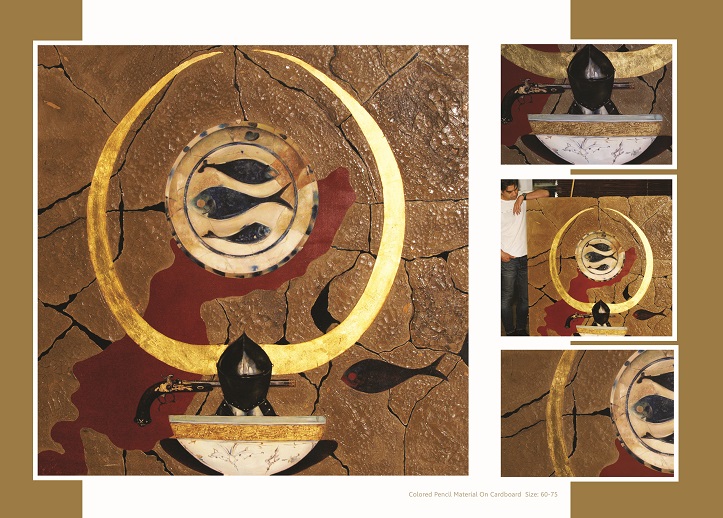
Thầy Ahmad Najafi | Họa sĩ & Nghệ sĩ ý tưởng - Từ Tehran đến bối cảnh nghệ thuật toàn cầu. Ahmad Najafi là một nghệ sĩ người Iran có tầm nhìn xa trông rộng, người có hành trình hội họa và vẽ bắt đầu từ những năm thiếu niên ở Tehran. Với niềm đam mê bền bỉ hàng chục năm, anh ấy đã tạo dựng được tiếng nói độc đáo qua nhiều phong cách nghệ thuật khác nhau, bao gồm cả khái niệm, trừu tượng, người theo chủ nghĩa siêu thực, và những biểu hiện hiện thực. Các tác phẩm nghệ thuật của ông được chế tác bằng nhiều kỹ thuật và vật liệu khác nhau - từ sơn dầu, phấn màu, bút chì màu, than, bột màu, và lá vàng, để vẽ tranh, gỗ, và các loại vải truyền thống của Iran. Mỗi tác phẩm phản ánh cốt lõi cảm xúc sâu sắc, một kết nối thơ mộng giữa trải nghiệm bên trong và hình thức bên ngoài. Từ 1999, Thầy Najafi đã tích cực dạy hội họa tại xưởng vẽ riêng của mình, nơi ông đã đào tạo và truyền cảm hứng cho một thế hệ mới những người yêu nghệ thuật. Với niềm tự hào lớn lao, ông đã giới thiệu nhiều sinh viên đến với thế giới mỹ thuật - không chỉ ở Iran mà còn trên toàn cầu. Thông qua các lớp học trực tuyến và ảo, anh ấy đã làm việc với các sinh viên đến từ Úc, Canada, Vương quốc Anh, Hoa Kỳ, Thổ Nhĩ Kỳ, Các tiểu vương quốc Ả Rập thống nhất, Ô-man, Cô-oét, và nhiều quốc gia khác. Ông cũng đã tổ chức các buổi hội thảo trực tiếp, bao gồm các buổi họp dành cho thành viên của các gia đình quý tộc truyền thống ở nhiều nơi trong thế giới Ả Rập. Những bức tranh của Najafi đã được các nhà sưu tập và phòng trưng bày trên toàn cầu trưng bày và mua lại. Đến nay, hàng trăm tác phẩm gốc của ông - mỗi tác phẩm có câu chuyện và tinh thần riêng - đã được mua hoặc đặt mua trên toàn thế giới, và được trưng bày trong các phòng trưng bày tư nhân ở các quốc gia như UAE, Ô-man, Qatar, Cô-oét, Vương quốc Anh, Hoa Kỳ, Trung Quốc, Nhật Bản, Úc, Thổ Nhĩ Kỳ, Nga, Ý, Tây ban nha, và hơn thế nữa. Các tác phẩm của ông được ngưỡng mộ không chỉ vì vẻ đẹp thẩm mỹ mà còn là khoản đầu tư sưu tầm được những người đam mê nghệ thuật cũng như các nhà sưu tập chuyên nghiệp trân trọng.. Chúng tôi đã đến từ trung tâm của các nền văn minh cổ đại để đến tương lai của bạn - và Thầy Ahmad Najafi là một trong những đại sứ truyền cảm hứng nhất của hành trình này.

“Trong thế giới phù du này, không có quyền sở hữu là vĩnh viễn; cơ hội thưởng thức những kho báu độc đáo này đã đi qua chúng ta, và bây giờ đến lượt bạn sở hữu, nhìn thấy, chạm, và chia sẻ những tác phẩm nghệ thuật có giá trị này với các thế hệ tương lai.”

Thầy Rasoulian | Bậc thầy khảm gỗ (Moarraq) và chạm khắc phù điêu – Từ cội nguồn vượt thời gian đến kiệt tác toàn cầu Bậc thầy Rasoulian, sinh ra ở Iran, xuất thân từ một gia đình có truyền thống nghệ thuật sâu sắc. Lớn lên trong một gia đình nơi những tấm thảm dệt tay là di sản của gia đình và những giai điệu của âm nhạc và giọng hát truyền thống tràn ngập không khí, niềm đam mê nghệ thuật của anh được nuôi dưỡng từ khi còn nhỏ. Ông trở nên quen thuộc với mọi công đoạn sản xuất thảm thủ công và phát triển kỹ năng đặc biệt trong các khía cạnh khác nhau của nghề thủ công này.. Mối liên hệ sâu sắc với nghệ thuật truyền thống này đã khiến anh theo đuổi con đường học vấn chính quy trong lĩnh vực thủ công mỹ nghệ.. TRONG 2005, anh ấy tốt nghiệp một trường nghệ thuật kỹ thuật và sau đó lấy bằng Cử nhân về Thiết kế Thảm, đào sâu cả sự hiểu biết về mặt học thuật và nghệ thuật của mình. Việc tiếp xúc với hình học phức tạp của các mẫu thảm và thẩm mỹ hội họa cổ điển đã đưa anh đến với thế giới khảm gỗ một cách tự nhiên. (Moarraq) và chạm khắc phù điêu (Monabbat). Kể từ đó, Bậc thầy Rasoulian đã tạo ra hàng trăm tác phẩm đáng chú ý—từ các tấm khảm gỗ và đồ nội thất được chạm khắc tinh xảo cho đến những chiếc bàn trang trí sang trọng. Mỗi tác phẩm của anh là sự kết hợp độc đáo giữa truyền thống, biểu hiện cá nhân, và kỹ thuật tinh tế. Những kiệt tác của ông đã được xuất khẩu một cách tự hào sang các nước trong đó có Các Tiểu vương quốc Ả Rập Thống nhất, Cô-oét, Qatar, Vương quốc Anh, Hoa Kỳ, và nhiều người khác, và đã tìm được nhà trong các phòng trưng bày tư nhân và các bộ sưu tập uy tín trên khắp thế giới. Nghệ thuật của ông đóng vai trò là cầu nối giữa quá khứ huy hoàng và tương lai sáng tạo trong nghệ thuật toàn cầu—những tác phẩm không chỉ thổi hồn vào gỗ mà còn thể hiện vẻ đẹp đầy thi vị, hòa hợp, và tinh thần bền bỉ của nhân loại xuyên suốt các nền văn minh và văn hóa. Chúng tôi đến từ trung tâm của nền văn minh cổ đại để định hình tương lai của bạn - và Master Rasoulian là một trong những tiếng nói lâu dài của cuộc hành trình vượt thời gian này.

Thầy Hossein Bishe'i | Violin biết nói, Không chỉ là âm thanh
Sinh ra ở Tehran—một thành phố nơi âm thanh sống trong chính cuộc sống—Master Hossein Bishe'i đã cống hiến hơn ba thập kỷ để theo đuổi hình thức âm nhạc thuần túy. Bắt đầu cuộc hành trình của mình vào 1986 với việc chế tạo santur, sau đó anh ấy đã khám phá hắc ín, và kể từ đó 2003, anh ấy đã cống hiến hết mình cho đàn violin—một nhạc cụ phương Tây được tái sinh trong tay anh ấy như một đối tượng của cả âm thanh và nghệ thuật. Mỗi nhạc cụ của anh đều được làm thủ công hoàn toàn. Từ các loại gỗ được lựa chọn cẩn thận đến các chi tiết tinh tế về mặt âm học, Bishe'i tạo ra những cây đàn violin được chế tạo hoàn hảo—những tác phẩm có chất lượng sánh ngang với chất lượng chỉ có ở một số xưởng trên toàn thế giới. Tác phẩm của ông đã vượt qua biên giới. Những cây vĩ cầm của Hossein Bishe'i đã đến tay các nhạc sĩ và nhà sưu tập sành điệu ở Các Tiểu vương quốc Ả Rập Thống nhất, Qatar, Cô-oét, Tây ban nha, Ý, Vương quốc Anh, Canada, Hoa Kỳ, và hơn thế nữa. Hôm nay, nhạc cụ của anh ấy được chơi khắp năm châu, mỗi chiếc mang một giọng nói riêng—một dấu hiệu có thể nghe được của người nghệ sĩ đã tạo hình nó. Dành cho Thầy Bishei, đàn violin không chỉ đơn thuần là một công cụ, nhưng là một con tàu tinh thần. Nghề thủ công của anh là một cuộc đối thoại với gỗ—sự biến đổi những cái cây từng sống thành vật chứa âm thanh vĩnh cửu. Đây không chỉ là những công cụ. Chúng là những tác phẩm nghệ thuật. Họ là những tiếng nói. Và mỗi lần một cây vĩ cầm của anh được chơi, nó vang vọng không chỉ là một nốt nhạc, nhưng một lời hứa: “Chúng tôi đã đi từ trung tâm của nền văn minh cổ đại đến tương lai của bạn.”
hẹn gặp lại bạn sớm

Yashar Malfouzi Tên tôi là Yashar Malfouzi (1978) và tôi sinh ra ở Tabriz, Iran, thành một gia đình chuyên kinh doanh sản xuất và phân phối thảm, thảm thủ công, vì 4 thế hệ. Tôi rất hứng thú với nghệ thuật trải thảm ngay từ khi còn nhỏ, và ở độ tuổi 12, Tôi đã đạt được trạng thái bậc thầy trong lĩnh vực dệt thảm; và học tất cả cách dệt, quá trình sửa chữa và thậm chí nhuộm. Ở tuổi 15, Tôi bắt đầu tạo các họa tiết nổi và 3D trên thảm, thảm trải sàn, sử dụng các kỹ thuật tự học. Để nâng cao hơn nữa việc học tập của tôi, kiến thức và kỹ thuật, Tôi vào đại học vào năm 2011, và đã có thể tốt nghiệp loại xuất sắc, chỉ trong 6 học kỳ, từ Đại học Mỹ thuật, với bằng nghệ thuật thiết kế thảm. Sau đó, để tiếp tục việc học của tôi và làm phong phú thêm kiến thức của tôi, I started a master's degree in Arts History, mà tôi đã hoàn thành với bằng danh dự và tôi đã nhận được Bằng Nghệ thuật của Nhà nước. Tác phẩm của tôi cũng đã được xếp hạng đầu tiên trong: Lễ hội sáng tạo và đổi mới công việc Hồi giáo, Lễ hội Rashidi, Lễ hội thảm hàng đầu Tabriz (hai năm liên tiếp). Cuối cùng 25 năm, Tôi đã thương mại hóa 30,000 thảm và thảm và kể từ năm 2011, Tôi đã bắt đầu gửi những tấm thảm nghệ thuật độc đáo của mình đến nhiều nơi trên thế giới. Tôi nên chỉ ra rằng các tác phẩm của tôi hoàn toàn được làm thủ công theo cách truyền thống, và mỗi tác phẩm đều có ý nghĩa riêng, đã được khắc trên hoa văn nổi của tấm thảm. Những tấm thảm này có mục đích trang trí và được gắn trên tường. Những tấm thảm in nổi với hoa văn bề mặt 3D, đã được gửi đến Mỹ, Canada, Thụy Sĩ, Nhật Bản, Qatar, Cô-oét, Các tiểu vương quốc Ả Rập thống nhất, Đức và một số nước khác.