
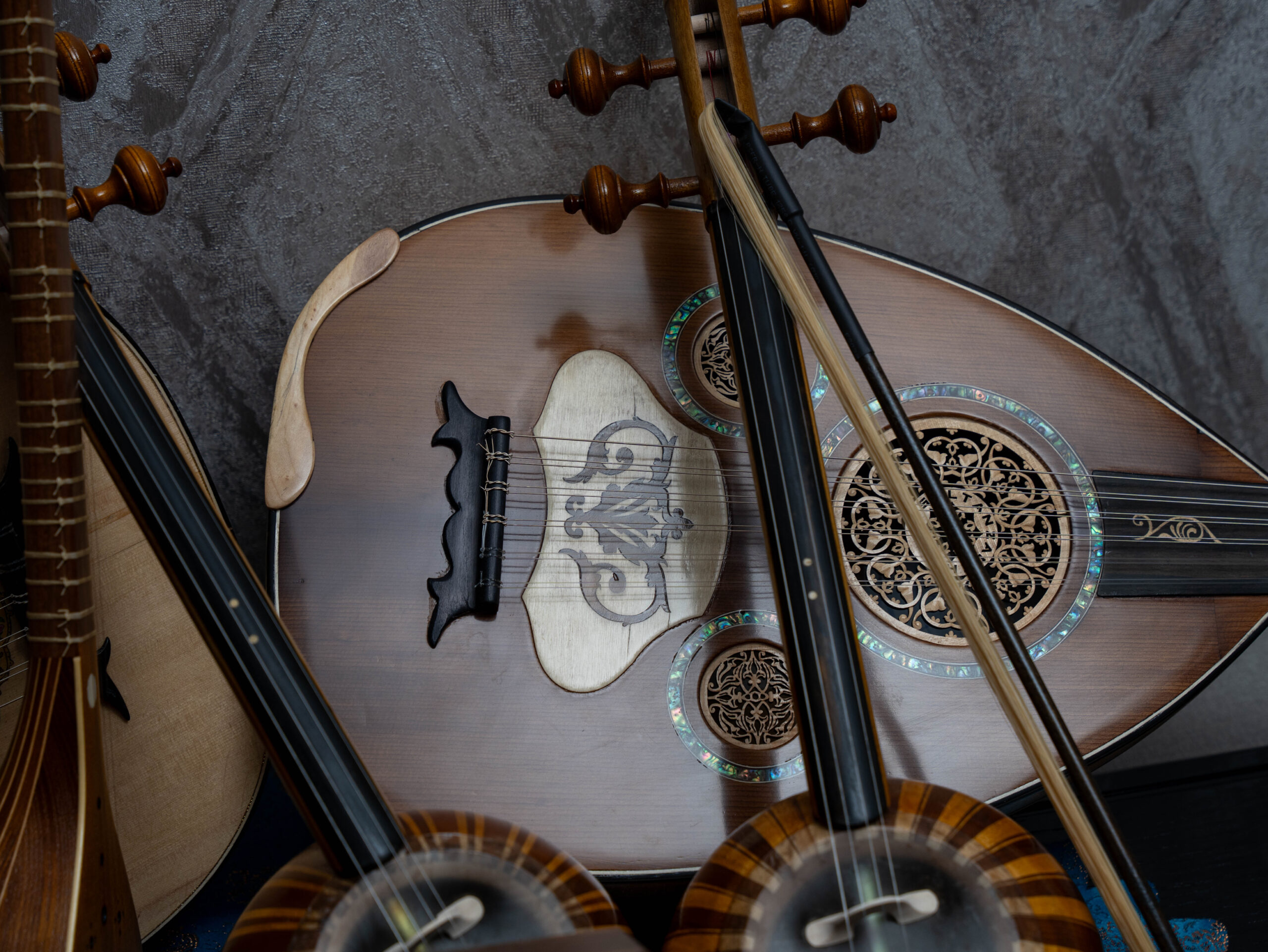





Musiqiy intusrantlar
Musical Instruments: A Bridge from the Heart of History to the Future of Art
Introduction Music is the universal language of civilizations. From the earliest natural sounds to the most intricate melodies of today, musical instruments have played a crucial role in shaping cultures, rituals, and global artistry. Each instrument carries a story—its roots in history, the hands that crafted it, and the melodies it brings to life. At Art Gulf, we have curated a collection of unique, entirely( handmade )va (mastercrafted) musical instruments, preserving the legacy of civilizations while paving the way for the future of music.
This article explores different types of instruments, their historical significance, the oldest musical instruments in the world, and particularly the instruments rooted in Iran, Omil, Morocco, Egypt, Xitoy, India, and Italy. Finally, we discuss their value as both artistic and financial investments for collectors, musicians, and music scholars.
1.Main Categories of Musical Instruments:
Musical instruments are generally classified into four main categories:
1. String Instruments (Chordophones): Includes Tar, Setar, Oud, Kamancheh, Violin, Qanun, and Santur.
2. Percussion Instruments (Membranophones & Idiophones): Includes Tonbak, Daf, Tabla, and Bendir.
3. Wind Instruments (Aerophones): Includes Ney, Duduk, Sheng (Xitoy), Egyptian Nai, and Indian Shehnai.
4. Keyboard Instruments: Includes the Organ, Harpsichord, and Harmonium.
2. The Oldest Musical Instruments in the World:
1. Ancient Instruments and Their Origins
• Iran: Depictions of string instruments such as the Tar and Kamancheh have been discovered in ancient Persian paintings and seals from the Achaemenid and Parthian eras.
• Egypt: Ancient reliefs in Egyptian temples depict the Ney and Qanun, emphasizing their role in sacred and royal ceremonies.
• China: The Sheng, one of the oldest wind instruments, was crafted over 3,000 years ago.
• India: Instruments like the Sarod and Sitar are among the world’s oldest string instruments, still used in Indian classical music.
• Italy: Italy played a key role in the development of the Violin. Esteemed makers like Stradivarius in the 17th and 18th centuries crafted instruments that remain some of the most valuable in the world.
• Morocco & Oman: Various stringed and percussion instruments have deep connections to Berber and Arabic music traditions.
2. Instruments That Have Stood the Test of Time
• Oud: Originating from Mesopotamia, this versatile instrument inspired many string instruments across the world.
• Qanun: With a history of over 2,000 yillar, this instrument is central to Middle Eastern, Turkcha, and North African music.
• Kamancheh: A bowed string instrument integral to Persian and Central Asian music.
• Santur: With Persian origins, this hammered dulcimer has influenced music from India to Greece and Europe.
• Violin: Emerging from Italy, the violin has become a fundamental instrument in both Western and Eastern classical music.
3. Prominent Musical Instruments by Country
1. Iran
• Tar: Made from mulberry wood and lambskin, known for its deep and expressive tone.
• Setar: A delicate instrument used in Persian Sufi music.
• Kamancheh: A crucial bowed string instrument in Persian music.
• Santur: A trapezoidal hammered dulcimer with 72 strings, producing a mesmerizing sound.
• Tonbak: The principal goblet drum of Persian music, known for its intricate techniques.
2. Oman
• Oud: Crafted from high-quality woods like rosewood and walnut, producing a distinctive sound.
• Omani Daf: A frame drum used in traditional and ceremonial music.
3. Morocco
• Guembri: A plucked string instrument used in Gnawa music.
• Bendir: A large frame drum integral to Moroccan folk music.
4. Egypt
• Egyptian Ney: A reed flute that holds a significant place in Arabic classical music.
• Qanun: A key instrument in Arabic and Middle Eastern classical traditions.
5. China
• Sheng: One of the earliest known wind instruments, still played in traditional Chinese music.
• Guzheng: A zither-like instrument, similar to the Qanun but played with unique techniques. 6. India
• Sitar: A fundamental instrument in Hindustani classical music, known for its unique resonant sound.
• Tabla: A percussion instrument used for intricate rhythmic patterns.
7. Italy
• Violin: First developed in 16th-century Italy, the violin remains one of the most prestigious instruments in global classical music.
4. The Value of Handmade Musical Instruments:
Handmade and mastercrafted instruments not only have great artistic value but also serve as highly valuable investments over time. Factors Affecting the Value of an Instrument.
• Material and craftsmanship (e.g., walnut, rosewood, and mulberry for instruments like the Tar and Oud).
• Handmade quality and artisan skill (Master luthiers often leave a signature or mark on high-end instruments).
• Historical significance and rarity (Antique and limited-edition instruments have increased value).
• Sound quality and international standards (Certain instruments are crafted for professional performances, enhancing their market value).
5. Musical Instruments as a Cultural Investment For Collectors Handmade instruments not only have cultural and historical significance but also appreciate in value over time, making them worthy additions to private collections and museums.
For Musicians and Artists Owning a handmade instrument means possessing a unique tool that offers an unparalleled sound and personal connection to the music.
For Scholars and Enthusiasts Understanding the history and philosophy behind these instruments deepens one’s appreciation and knowledge of music. Conclusion: Music is a bridge that connects the past to the future. Every instrument is an ambassador of civilization, continuing its journey through the hands of today’s artisans and musicians. At Art- Gulf.com, we have gathered a collection of exceptional, handmade musical instruments that are not just historical treasures but also investments in the future of music.
In our sales section, each of these mastercrafted instruments is available with detailed information, valuation, and pricing.
Handicrafts
Handicrafts: From the Heart of Ancient Civilizations to the Investment of the Future Introduction:
A Timeless Legacy in Our Hands Handicrafts are more than just artistic creations—they are reflections of the soul and identity of great civilizations, from Iran, Egypt, India, and China to Oman and Morocco. These ancient arts serve as a bridge between the past and the future, each piece telling a unique story of culture, civilization, and creativity. In today’s world, where mass production dominates, handicrafts hold their ground, not only for their artistic value but also for their economic and investment potential.
The Origins of Handicrafts in Human History The first signs of handicrafts date back to the Paleolithic era, around 30,000 to 40,000 years ago, when early humans used bones, o'tin, and stones for survival and artistic expression. However, the earliest documented artistic and handcrafted works belong to 10,000 to 12,000 years ago, when great civilizations like Sumer, Ancient Egypt, Persia, Xitoy, and India began creating remarkable and lasting artifacts.
The Oldest Handicraft Discoveries in the World:
1. Painted Pottery from Susa (Eron) – Around 8,000 years ago
2. Stone Seals from Mesopotamia – Over 7,000 years ago
3. Gold Jewelry and Gemstone Art from Ancient Egypt – 5,000 years ago
4. Chinese Silk Weaving – Over 4,500 years ago
5. Intricate Woven Fabrics from India – Over 4,000 years ago
6. Mosaic Pottery from Morocco and Oman – 3,000 years ago.
These discoveries highlight how handicrafts have always played a fundamental role in human civilization, serving not only practical purposes but also acting as cultural and artistic expressions of societies.
Handmade or a Living Art?
Bugun, terms like Handmade or Handicraft are commonly used to describe artisan products, yet these items are much more than just manually crafted objects. They carry the history, madaniyat, and aesthetic philosophy of some of the greatest civilizations. Whether from Iran, Egypt, Morocco, Omil, India, or China, handicrafts reflect the artistic mastery and unique identity of their origins.
Why Handicrafts from Great Civilizations?
1. Authenticity and Unique Art: Handicrafts from civilizations such as Iran, Egypt, India, Xitoy, Omil, and Morocco are the result of thousands of years of craftsmanship, philosophy, and artistic excellence.
2. A Valuable Investment: Unlike mass-produced goods, handicrafts not only retain their value over time but often appreciate. Collectors and art investors recognize this market as both secure and promising.
3. The Uniqueness of Every Piece: Each handcrafted item is one-of-a-kind. Owning a miniature Susa pottery, an Indian woven textile, or a Moroccan rug means holding a tangible piece of history and heritage.
4. A Link to Civilizations: We are the ambassadors of the world’s ancient civilizations. Handicrafts serve as a universal language, connecting people through time and culture.
The Global Market and the Future of Handicrafts With the rising demand for sustainable and authentic art, handicrafts have attracted increasing attention from investors and collectors. While digital art and NFTs are on the rise, physical handicrafts remain irreplaceable, maintaining their strong position among galleries, kollektorlar, and art enthusiasts. Bugun, purchasing handicrafts is not only an artistic choice but also a strategic financial investment.
Conclusion: A Bridge Between Art, Investment, and the Future We are witnessing a global return to authenticity. In a world that seeks deeper connections with history, art, va madaniyat, handicrafts remain among the most valuable assets one can invest in. Whether you are a seasoned collector or an investor searching for a dynamic and appreciating market, handicrafts from the world’s greatest civilizations open the door to beauty, value, and timeless craftsmanship.
On our platform: Art-Gulf.com you will not only experience living art but also gain the opportunity to explore and invest in the eternal world of handicrafts.

Gilam
Gilam: A Unique Jewel from the Heart of History, for Your Future
A Masterpiece, An Investment, A Timeless Legacy We have come from the heart of ancient civilizations to shape your future. What lies before you is not just a carpet—it is thousands of years of art, madaniyat, and human civilization woven into every thread. Our carpets are not newly created; they have been centuries in the making.
Every knot is a continuation of a journey that began in the empires of antiquity, flourished under the Safavid dynasty, and has been passed down through generations of master artisans. Owning one of these carpets means becoming the custodian of a living history.
A Singular Piece of History, in Your Hands In a world where rarity defines true value, each of these carpets is one of a kind. No two pieces are alike, and each carries a unique story within its intricate patterns. Once sold, they will never be available again. These are not just carpets—they are ambassadors of civilization.
They have journeyed through the courts of Persian kings, adorned palaces, and stood as testaments to the brilliance of Iranian craftsmanship. Now, they stand before you, offering the chance to own an irreplaceable masterpiece. Value That Increases Over Time What makes a Persian carpet a priceless asset?
• A handcrafted work of art, not a mass-produced item.
• A one-of-a-kind masterpiece, not a replicated design.
• An investment that appreciates over time, not a fleeting purchase.
Just as paintings by Da Vinci and Rembrandt gain value with time, authentic Persian carpets are treasures that only grow more valuable with each passing year. An Exclusive Club, for Those Who Understand True Value This collection is reserved for individuals who recognize the depth of art, heritage, and timeless worth. You are not just a buyer—you are a guardian of cultural legacy. Your Last Chance to Own a Historic Masterpiece With each passing day, another one of these masterpieces leaves our collection forever. If you are ready to own a piece of history and secure an asset of lasting value, do not let this moment pass.
In Art-Gulf.com ,This is not just a purchase—this is a choice for eternity. Biz sizning kelajagingizni shakllantirish uchun qadimiy tsivilizatsiyalarning yuragidan keldik.
I’ve been Curaturing since 1999
We invite artists, leading galleries, renowned collectors, and investors from around the world to join us on this unique platform—where art reaches its true value.


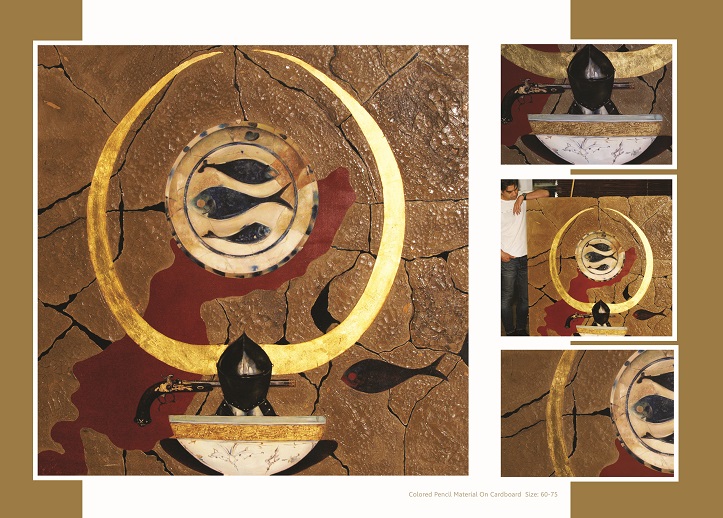
Usta Ahmad Najafi | Rassom & Konteplyual rassom Tehrondan global san'at sahnasiga qadar .Amad Najafi o'smirlik yillarida Tehronda rassomlik yillarida rassomlik va chizilgan Eron rassomi.. O'nlab yillar davomida chidagan ehtiros bilan, U turli badiiy uslublarda noyob ovozni yaratdi, shu jumladan kontseptual, referat, surreeist, va realistik iboralar. Uning badiiy asarlari keng texnikalar va materiallardan foydalanib, yog 'bo'yoqlaridan, pastellar, rangli qalamlar, ko'mir, gevi, va oltin barglari, lovkalar uchun, o'tin, va an'anaviy Eron matolari. Har bir bo'lak chuqur hissiy yadroni aks ettiradi, Ichki tajriba va tashqi shakl o'rtasidagi she'riy ulanish. Botgan 1999, Usta Najafi o'zining xususiy studiyasida faol dars beradi, u erda u yangi san'at ixlosmandlarini o'qitdi va ilhomlantirgan. Katta mag'rurlik bilan, U ko'plab talabalarni faqat Eronda, balki global miqyosda ham tasviriy san'at olamiga kiritdi. Onlayn va virtual sinflar orqali, U Avstraliya talabalari bilan ishlagan, Kanada, Buyuk Britaniya, Amerika Qo'shma Shtatlari, Kurka, Birlashgan Arab Amirliklari, Omil, Kuvayt, va boshqa ko'plab mamlakatlar. Shuningdek, u shaxsan ustaxonalarni boshqargan, Arab dunyosi qismlarida an'anaviy aristokratlar oila a'zolari uchun sessiyalar. Najafining rasmlari butun dunyo bo'ylab kollejchilar va galereyalar tomonidan namoyish etilgan va sotib olingan. Hozirgi kungacha, uning asl asarlari - har biri o'z hikoyasi va ruhi bilan xalqaro miqyosda sotib olingan yoki foydalanishga topshirilgan, va BAA kabi mamlakatlarda shaxsiy galereyada namoyish etiladi, Omil, Qatar, Kuvayt, Buyuk Britaniya, AQSh, Xitoy, Yapon, Avstraliya, Kurka, Rossiya, Italiya, Ispaniya, va undan keyin. Uning asarlari nafaqat estetik go'zalligi, balki badiiy ishqibozlar va professional kolleksorlar tomonidan tasdiqlangan sarmoyalarni ham hayratga solmoqda. Biz qadimiy tsivilizatsiyalarning yuragidan kelajakka keldik. Ahmad Najafi bu sayohatning eng ilhomlantiruvchi elchilaridan biri.

"Bu dengizda dunyoda, Hech qanday mulk doimiy emas; Ushbu noyob xazinalardan zavqlanish imkoniyati biz orqali o'tdi, Va endi bu sizning mulkingiz, ko'rmoq, tegmoq, va ushbu qimmatbaho san'at asarlarini kelajak avlodlar bilan baham ko'ring. "

Rasulunos | Yog'ochdagi inlay ustasi (Darak) va yordam o'yma - Dunyo miqyosidagi durusar tillardan tortib to global durdlar ustasi Rasaulian, Eronda tug'ilgan, an'analar an'analarida chuqur ildiz otgan oiladan keladi. Uy hayvonlarining gilamlari oilaviy meros va an'anaviy musiqa va vokallarning ohanglari bo'lgan uy sharoitida ko'tarildi, Uning san'atiga bo'lgan ishtiyoqi erta yoshdan tarbiyalangan. U qo'lda yasalgan gilam ishlab chiqarishning har bir bosqichi bilan yaqindan tanishdi va ushbu hunarning turli jihatlarida ajoyib mahoratni rivojlantirdi. An'anaviy san'at sohasidagi ushbu chuqur ulanish uni hunarmandchilik sohasida rasmiy ta'lim olishga undadi. Ichida 2005, Texnik san'at maktabini tugatgan va keyinchalik gilam dizayni bo'yicha bakalavr darajasini olgan, uning ilmiy va badiiy tushunchasini chuqurlashtirish. Uning murakkab geometriyasining murakkab geometriyasiga va mumtoz rasmlar, tabiiyki, uni tabiiy ravishda yog'och ichidagi inmigiga tortdi (Darak) va yordam o'ymasi (Xalaqit). O'shandan beri, Rasulyan yuzlab ajoyib asarlar yaratilgan bo'lib, u erda hashamatli bezakli stollarga nisbatan diqqat bilan o'yilgan mebellarni yaratdi. Uning har bir asarlari an'ananing noyob uslubidir, Shaxsiy ifoda, va tozalangan texnikalar. Uning durdona asarlari, mamlakatlarga, shu jumladan Birlashgan Arab Amirliklari tomonidan eksport qilingan, Kuvayt, Qatar, Buyuk Britaniya, Amerika Qo'shma Shtatlari, va boshqalar, va butun dunyo bo'ylab shaxsiy galereyalar va nufuzli to'plamlarda uy topdi. NHIS san'at nafaqat hayotni o'rmonga, balki she'riyat bilan nafas olish, balki eng yaxshi nafas olish, balki global san'atning ijodiy kemasi o'rtasidagi ko'prik sifatida xizmat qiladi, uyg'unlik, va madaniyatlar va madaniyatlar bo'ylab insoniyatning doimiy ruhi. Biz sizning kelajagingizni shakllantirish uchun qadimiy tsivilizatsiyalarning yuragidan kelib chiqqanmiz - va Rasululi - bu cheksiz sayohatning so'nggi ovozlaridan biri.

Holsin Bishe'i ustasi | Gapiradigan skristonlar, Nafaqat ovoz
Tehronda tug'ilgan shaharda tug'ilgan shaharda tug'ilgan shahar xo'jayini Hossin Bishe'i uch o'n yillikda uch o'n yilliklar purur musiqiy shakliga intilishga bag'ishlangan. Sayohatini boshlash 1986 Santurning hiylasi bilan, Keyinchalik u tarni o'rgandi, va shundan beri 2003, U o'z hunarini skripkaga - G'arb asbobini qayta tiklab, qo'lida ham ovoz va san'atning ob'ekti sifatida to'liq bag'ishladi. Uning har bir cholg'usi butunlay qo'lda. Ehtiyotkorlik bilan tanlangan o'rmonlardan akustik tozalangan tafsilotlarga, Bishe'i - bu raqib dunyo bo'ylab faqat sifatli seminarlarda topilgan sifatni yaratadi. Uning asarlari chegaralarni kesib o'tgan. Holsey Bishe'i tomonidan skripkalar Birlashgan Arab Amirliklarida aqlli musiqachilar va kollektorlarga etib bordi, Qatar, Kuvayt, Ispaniya, Italiya, Buyuk Britaniya, Kanada, Amerika Qo'shma Shtatlari, va undan keyin. Bugun, Uning asboblari besh qit'ada o'ynaydi, har biri noyob ovozli ovozni olib yurgan rassomning ovozi. Usta Bishe'i uchun, Skripka shunchaki vosita emas, Ammo ruhning kemasi. Uning hunarmandchiligi - bu o'tin bilan dialog - bu erda yashaydigan daraxtlarning birodarlar aylanishi abadiy ovoz tomirlariga aylanishi. Bu shunchaki asboblar emas. Ular san'at asarlari. Ular ovozlar. Va har safar uning skripkalaridan biri o'ynaladi, Bu shunchaki eslatma emas, Ammo va'da: "Biz qadimiy tsivilizatsiyalarning yuragidan kelajakka keldik."
ko'rishguncha

Yashar Malfouzi Mening ismim Yashar MalFouzi (1978) va men Tabrizda tug'ilganman, Eron, Qo'llab yasalgan gilam va gilamlarni ishlab chiqarish va tarqatish ishi bilan to'liq shug'ullanadigan oilaga, uchun 4 avlodlar. Men bolaligimning boshidanoq gilam san'ati bilan juda qiziqdim, va yoshida 12, Men gilam to'qishdagi usta maqomimni oldim; va barcha to'quvlarni o'rgandi, ta'mirlash va hatto bo'yash jarayonlar. Yoshida 15, Men gilam va gilamlarda naqshinkor va 3D naqshlarini tayyorlay boshladim, O'z-o'zini o'qitadigan texnikalardan foydalanish. Mening bilimimni yanada rivojlantirish uchun, Bilim va texnikalar, Men universitetga yiliga kirdim 2011, va geners bilan bitirishga muvaffaq bo'ldi, faqat 6 semestr, san'at universitetidan, gilam ishlab chiqarish bo'yicha badiiy unvon. Keyin, Ta'limimni davom ettirish va bilimlarimni boyitish, I started a master's degree in Arts History, Ibna bilan tugatdim va men davlat darajasini oldim. Mening asarlarim birinchi bo'lib birinchi o'rinda turdi: Islomiy ishlarning ijodi va innovatsiyasi festivali, Rashidi festivali, Tabrizning eng yuqori gilam festivali (ketma-ket ikki yil). Oxirida 25 yillar, Men tijoratlashtirildim 30,000 gilam va gilamchalar va yildan beri 2011, Men noyob badiiy gilamlarimni dunyoning turli qismiga topshirishni boshladim. Aytishni ta'kidlashim kerakki, mening asarlarim an'anaviy tarzda ishlangan, va har bir ish o'ziga xos ma'noga ega, gilamlarning naqshinkor naqshiga o'rnatilgan. Ushbu gilamlarda dekorativ maqsadi bor va devorga o'rnatilgan. 3D yuzasi naqshli bu xakamli gilamchalar, AQShga yuborilgan, Kanada, Shvitserland, Yapon, Qatar, Kuvayt, Birlashgan Arab Amirliklari, Germaniya va boshqa bir qancha davlatlar.