




Musical Intrusmants
Musical Instruments: A Bridge from the Heart of History to the Future of Art
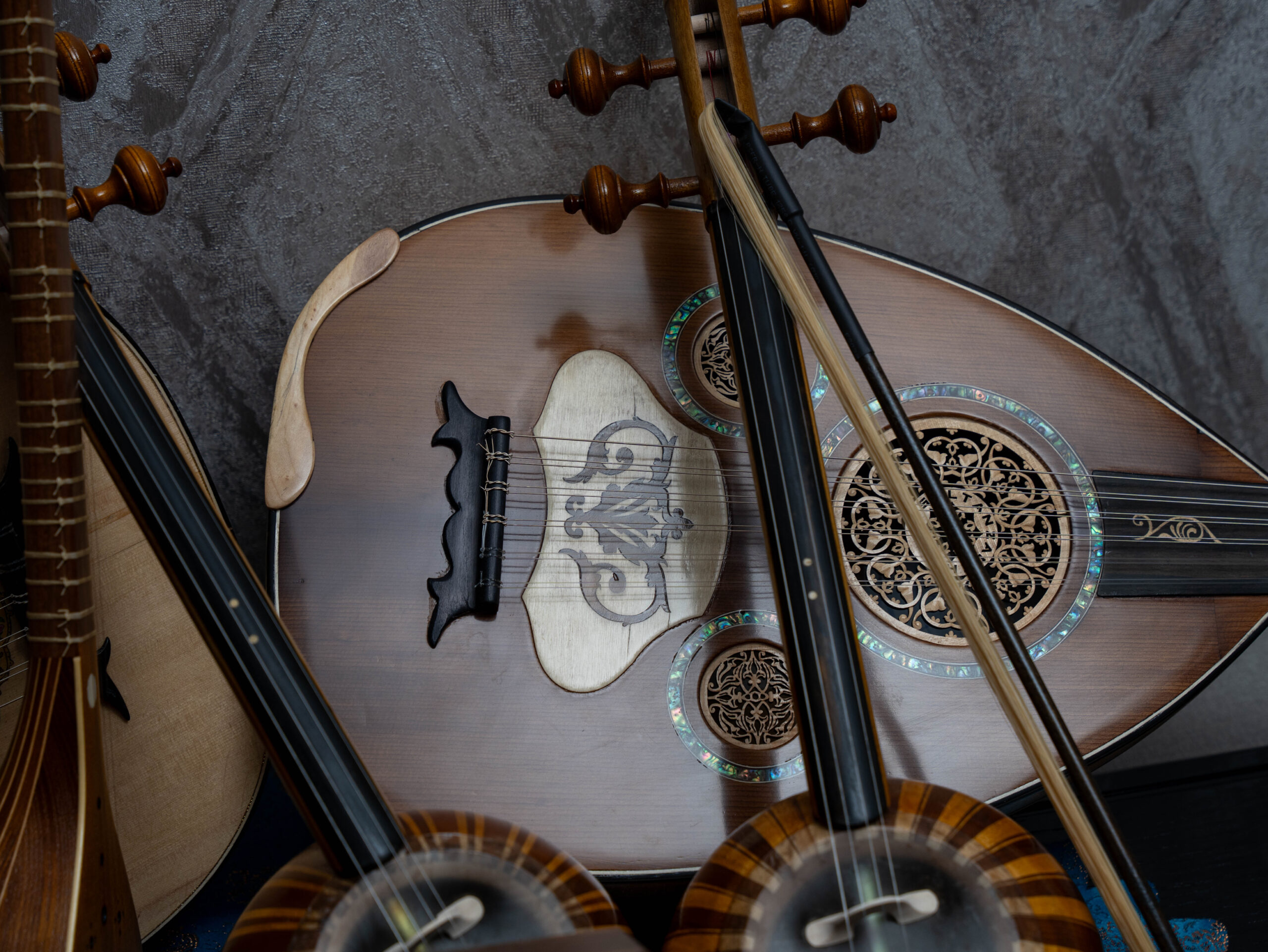
Introduction Music is the universal language of civilizations. From the earliest natural sounds to the most intricate melodies of today, musical instruments have played a crucial role in shaping cultures, rituals, and global artistry. Each instrument carries a story—its roots in history, the hands that crafted it, and the melodies it brings to life. At Art Gulf, we have curated a collection of unique, entirely( handmade )ва (mastercrafted) musical instruments, preserving the legacy of civilizations while paving the way for the future of music.
This article explores different types of instruments, their historical significance, the oldest musical instruments in the world, and particularly the instruments rooted in Iran, Ой, Morocco, Egypt, Хитой, India, and Italy. Finally, we discuss their value as both artistic and financial investments for collectors, musicians, and music scholars.
1.Main Categories of Musical Instruments:
Musical instruments are generally classified into four main categories:
1. String Instruments (Chordophones): Includes Tar, Setar, Oud, Kamancheh, Violin, Qanun, and Santur.
2. Percussion Instruments (Membranophones & Idiophones): Includes Tonbak, Daf, Tabla, and Bendir.
3. Wind Instruments (Aerophones): Includes Ney, Duduk, Sheng (Хитой), Egyptian Nai, and Indian Shehnai.
4. Keyboard Instruments: Includes the Organ, Harpsichord, and Harmonium.
2. The Oldest Musical Instruments in the World:
1. Ancient Instruments and Their Origins
• Iran: Depictions of string instruments such as the Tar and Kamancheh have been discovered in ancient Persian paintings and seals from the Achaemenid and Parthian eras.
• Egypt: Ancient reliefs in Egyptian temples depict the Ney and Qanun, emphasizing their role in sacred and royal ceremonies.
• China: The Sheng, one of the oldest wind instruments, was crafted over 3,000 years ago.
• India: Instruments like the Sarod and Sitar are among the world’s oldest string instruments, still used in Indian classical music.
• Italy: Italy played a key role in the development of the Violin. Esteemed makers like Stradivarius in the 17th and 18th centuries crafted instruments that remain some of the most valuable in the world.
• Morocco & Oman: Various stringed and percussion instruments have deep connections to Berber and Arabic music traditions.
2. Instruments That Have Stood the Test of Time
• Oud: Originating from Mesopotamia, this versatile instrument inspired many string instruments across the world.
• Qanun: With a history of over 2,000 солҳо, this instrument is central to Middle Eastern, Turkish, and North African music.
• Kamancheh: A bowed string instrument integral to Persian and Central Asian music.
• Santur: With Persian origins, this hammered dulcimer has influenced music from India to Greece and Europe.
• Violin: Emerging from Italy, the violin has become a fundamental instrument in both Western and Eastern classical music.
3. Prominent Musical Instruments by Country
1. Iran
• Tar: Made from mulberry wood and lambskin, known for its deep and expressive tone.
• Setar: A delicate instrument used in Persian Sufi music.
• Kamancheh: A crucial bowed string instrument in Persian music.
• Santur: A trapezoidal hammered dulcimer with 72 strings, producing a mesmerizing sound.
• Tonbak: The principal goblet drum of Persian music, known for its intricate techniques.
2. Oman
• Oud: Crafted from high-quality woods like rosewood and walnut, producing a distinctive sound.
• Omani Daf: A frame drum used in traditional and ceremonial music.
3. Morocco
• Guembri: A plucked string instrument used in Gnawa music.
• Bendir: A large frame drum integral to Moroccan folk music.
4. Egypt
• Egyptian Ney: A reed flute that holds a significant place in Arabic classical music.
• Qanun: A key instrument in Arabic and Middle Eastern classical traditions.
5. China
• Sheng: One of the earliest known wind instruments, still played in traditional Chinese music.
• Guzheng: A zither-like instrument, similar to the Qanun but played with unique techniques. 6. India
• Sitar: A fundamental instrument in Hindustani classical music, known for its unique resonant sound.
• Tabla: A percussion instrument used for intricate rhythmic patterns.
7. Italy
• Violin: First developed in 16th-century Italy, the violin remains one of the most prestigious instruments in global classical music.
4. The Value of Handmade Musical Instruments:
Handmade and mastercrafted instruments not only have great artistic value but also serve as highly valuable investments over time. Factors Affecting the Value of an Instrument.
• Material and craftsmanship (e.g., walnut, rosewood, and mulberry for instruments like the Tar and Oud).
• Handmade quality and artisan skill (Master luthiers often leave a signature or mark on high-end instruments).
• Historical significance and rarity (Antique and limited-edition instruments have increased value).
• Sound quality and international standards (Certain instruments are crafted for professional performances, enhancing their market value).
5. Musical Instruments as a Cultural Investment For Collectors Handmade instruments not only have cultural and historical significance but also appreciate in value over time, making them worthy additions to private collections and museums.
For Musicians and Artists Owning a handmade instrument means possessing a unique tool that offers an unparalleled sound and personal connection to the music.
For Scholars and Enthusiasts Understanding the history and philosophy behind these instruments deepens one’s appreciation and knowledge of music. Хулоса: Music is a bridge that connects the past to the future. Every instrument is an ambassador of civilization, continuing its journey through the hands of today’s artisans and musicians. At Art- Gulf.com, we have gathered a collection of exceptional, handmade musical instruments that are not just historical treasures but also investments in the future of music.
In our sales section, each of these mastercrafted instruments is available with detailed information, valuation, and pricing.
Handicrafts
Handicrafts: From the Heart of Ancient Civilizations to the Investment of the Future Introduction:
A Timeless Legacy in Our Hands Handicrafts are more than just artistic creations—they are reflections of the soul and identity of great civilizations, from Iran, Egypt, India, and China to Oman and Morocco. These ancient arts serve as a bridge between the past and the future, each piece telling a unique story of culture, civilization, and creativity. In today’s world, where mass production dominates, handicrafts hold their ground, not only for their artistic value but also for their economic and investment potential.
The Origins of Handicrafts in Human History The first signs of handicrafts date back to the Paleolithic era, around 30,000 to 40,000 years ago, when early humans used bones, дарахт, and stones for survival and artistic expression. However, the earliest documented artistic and handcrafted works belong to 10,000 to 12,000 years ago, when great civilizations like Sumer, Ancient Egypt, Persia, Хитой, and India began creating remarkable and lasting artifacts.
The Oldest Handicraft Discoveries in the World:
1. Painted Pottery from Susa (Эрон) – Around 8,000 years ago
2. Stone Seals from Mesopotamia – Over 7,000 years ago
3. Gold Jewelry and Gemstone Art from Ancient Egypt – 5,000 years ago
4. Chinese Silk Weaving – Over 4,500 years ago
5. Intricate Woven Fabrics from India – Over 4,000 years ago
6. Mosaic Pottery from Morocco and Oman – 3,000 years ago.
These discoveries highlight how handicrafts have always played a fundamental role in human civilization, serving not only practical purposes but also acting as cultural and artistic expressions of societies.
Handmade or a Living Art?
Имрӯз, terms like Handmade or Handicraft are commonly used to describe artisan products, yet these items are much more than just manually crafted objects. They carry the history, маданият, and aesthetic philosophy of some of the greatest civilizations. Whether from Iran, Egypt, Morocco, Ой, India, or China, handicrafts reflect the artistic mastery and unique identity of their origins.
Why Handicrafts from Great Civilizations?
1. Authenticity and Unique Art: Handicrafts from civilizations such as Iran, Egypt, India, Хитой, Ой, and Morocco are the result of thousands of years of craftsmanship, фалсафа, and artistic excellence.
2. A Valuable Investment: Unlike mass-produced goods, handicrafts not only retain their value over time but often appreciate. Collectors and art investors recognize this market as both secure and promising.
3. The Uniqueness of Every Piece: Each handcrafted item is one-of-a-kind. Owning a miniature Susa pottery, an Indian woven textile, or a Moroccan rug means holding a tangible piece of history and heritage.
4. A Link to Civilizations: We are the ambassadors of the world’s ancient civilizations. Handicrafts serve as a universal language, connecting people through time and culture.
The Global Market and the Future of Handicrafts With the rising demand for sustainable and authentic art, handicrafts have attracted increasing attention from investors and collectors. While digital art and NFTs are on the rise, physical handicrafts remain irreplaceable, maintaining their strong position among galleries, коллекторҳо, and art enthusiasts. Имрӯз, purchasing handicrafts is not only an artistic choice but also a strategic financial investment.
Хулоса: A Bridge Between Art, Investment, and the Future We are witnessing a global return to authenticity. In a world that seeks deeper connections with history, art, ва фарҳанг, handicrafts remain among the most valuable assets one can invest in. Whether you are a seasoned collector or an investor searching for a dynamic and appreciating market, handicrafts from the world’s greatest civilizations open the door to beauty, value, and timeless craftsmanship.
On our platform: Art-Gulf.com you will not only experience living art but also gain the opportunity to explore and invest in the eternal world of handicrafts.
Қолинҳо
Қолинҳо: A Unique Jewel from the Heart of History, for Your Future
A Masterpiece, An Investment, A Timeless Legacy We have come from the heart of ancient civilizations to shape your future. What lies before you is not just a carpet—it is thousands of years of art, маданият, and human civilization woven into every thread. Our carpets are not newly created; they have been centuries in the making.
Every knot is a continuation of a journey that began in the empires of antiquity, flourished under the Safavid dynasty, and has been passed down through generations of master artisans. Owning one of these carpets means becoming the custodian of a living history.
A Singular Piece of History, in Your Hands In a world where rarity defines true value, each of these carpets is one of a kind. No two pieces are alike, and each carries a unique story within its intricate patterns. Once sold, they will never be available again. These are not just carpets—they are ambassadors of civilization.
They have journeyed through the courts of Persian kings, adorned palaces, and stood as testaments to the brilliance of Iranian craftsmanship. Now, they stand before you, offering the chance to own an irreplaceable masterpiece. Value That Increases Over Time What makes a Persian carpet a priceless asset?
• A handcrafted work of art, not a mass-produced item.
• A one-of-a-kind masterpiece, not a replicated design.
• An investment that appreciates over time, not a fleeting purchase.
Just as paintings by Da Vinci and Rembrandt gain value with time, authentic Persian carpets are treasures that only grow more valuable with each passing year. An Exclusive Club, for Those Who Understand True Value This collection is reserved for individuals who recognize the depth of art, heritage, and timeless worth. You are not just a buyer—you are a guardian of cultural legacy. Your Last Chance to Own a Historic Masterpiece With each passing day, another one of these masterpieces leaves our collection forever. If you are ready to own a piece of history and secure an asset of lasting value, do not let this moment pass.
In Art-Gulf.com ,This is not just a purchase—this is a choice for eternity. We have come from the heart of ancient civilizations to shape your future.
I’ve been Curaturing since 1999
We invite artists, leading galleries, renowned collectors, and investors from around the world to join us on this unique platform—where art reaches its true value.


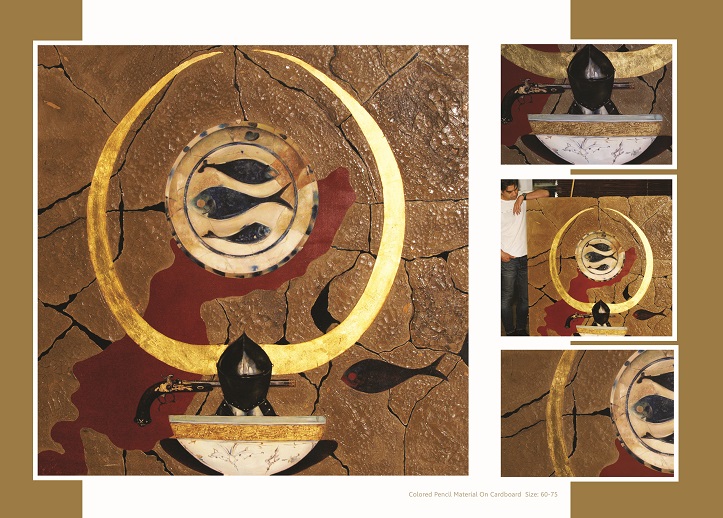
Устои Аҳмад Наҷафӣ | Рассом & Рассомони консептуалӣ - аз Теҳрон. Бо оташе, ки барои даҳсолаҳо тамом шуд, вай овози беназирро дар болои услубҳои гуногуни рассомӣ таъсис додааст, аз ҷумла консептуалӣ, мавҳум, озод, ва ибораҳои воқеӣ. Бо истифода аз доираи васеи техника ва маводҳо аз доираи васеи техникаҳо ва маводҳо сохта шудаанд - аз рангҳои нафт, бачаҳо, қаламҳои ранга, ангиштсанг, gouache, ва баргҳои тиллоӣ, ба катҳо, дарахт, ва матоъҳои анъанавии Эрон. Ҳар як порча як ядрои амиқро инъикос мекунад, Пайвасти шоирӣ байни таҷрибаи дохилӣ ва шакли берунӣ. Аз он ващт 1999, Устои Наҷафӣ бо студияи шахсии худ рангро таълим медиҳад, ки дар он ӯ таълим додааст ва ба насли нави дӯстдорони санъат илҳом бахшид. Бо ифтихори олӣ, Ӯ хонандагони сершумори санъати хубро муаррифӣ кардааст - на танҳо дар Эрон, балки дар ҷаҳон. Тавассути онлайн ва синфҳои виртуалӣ, Вай бо хонандагони Австралия кор кардааст, Канада, Шоҳигарии Муттаҳида, Иёлоти Муттаҳида, мурғи марҷон, Аморати Муттаҳидаи Араб, Ой, Кувайт, ва бисёр кишварҳои дигар. Вай инчунин ба кор дар семинарҳои шахсӣ оварда расонид, Аз он ҷумла ҷаласаҳо барои аъзои оилаҳои анъанавии аристократӣ дар қисмҳои ҷаҳони араб. Расмҳои Наҷафӣ бо коллекторҳо ва галереяҳо ба даст оварда шуданд ва дар саросари ҷаҳон намоиш дода шуданд. То имрӯз, Садҳо асарҳои аслӣаш - ҳар яке бо ривоят ва рӯҳи худаш, ки дар сатҳи байналмилалӣ харида шудаанд ё ба истифода дода шудаанд, ва дар галереяҳои хусусӣ дар кишварҳо, ба монанди АМА нишон дода шудааст, Ой, Қищ, Кувайт, Бритониё, ИМА, Хитой, Ьоп, Австралия, мурғи марҷон, Русия, Италия, Испания, ва берун аз он. Пораҳои ӯ на танҳо барои зебогии эстетикии худ, балки ҳамчун сармоягузориҳои содиқ аз ҷониби ҳавасмандони санъат ва коллекторҳои касбӣ ба ҳам баробаранд. Мо аз дили тамаддунҳои қадимӣ ба ояндаи қадим омадаем - ва устоди Аҳмад Аҳмедӣ яке аз сафирони илҳомбахши ин сафар аст.

"Дар ин ҷаҳони рухсатӣ, Ягон моликият доимӣ нест; Имконияти лаззат бурдан аз ин ганҷҳои беҳамтои мо аз ИМА гузашт, ва акнун он гардиши шумо аст, дидан, даст расондан, ва мубодилаи ин асарҳои арзишманди санъат бо наслҳои оянда. "

Устоди Расулян | Устоди суди (Мормарра) ва кандакории сабукӣ - аз решаҳои кӯҳна ба шоҳзамон Устоди Расулян, дар Эрон таваллуд шудааст, аз оила меояд, ки дар анъанаҳои санъат реша давонда. Дар хонаводае, ки колитаҳои дастӣ мероси оила ва оҳангҳои мусиқии анъанавӣ ва вокалҳои мусиқӣ буданд, Ишқати ӯ ба санъат аз синни барвақт тараддус шуд. Ӯ бо ҳар як марҳилаи истеҳсоли қолинҳои дастӣ ошно шуд ва маҳорати истисноӣ дар паҳлӯҳои гуногуни ин ҳунармандӣ таҳия карда шуд. Ин пайвасти амиқ ба санъати анъанавӣ ӯро маҷбур кард, ки таҳсилоти расмӣ дар соҳаи ҳунармандӣ кунад. Дар 2005, вай мактаби санъати техникиро хатм кардааст ва баъдтар дараҷаи бакалаврро дар тарҳи қолин ба даст овард, амиқтар ҳам фаҳмиши академӣ ва бадеии худро. Гӯшкунии ӯ ба геометрияи мураккаби шакли қолин ва рангубори классикӣ табиати табиӣ ба дунёи ҳезум ба дунёи дар ҳезум кашидашуда (Мормарра) ва кандакорӣ (Monabbat). Аз он вақт, Устоди Расулян садҳо асарҳои аҷибро аз панелҳои inlay inlay ва мебел ба мизҳои зебои ороишӣ табдил дод. Ҳар яке аз пораҳои ӯ як омезиши беназири анъана аст, ифодаи шахсӣ, ва техникаи такрорӣ. Шоҳасарҳои ӯ бо ифтихор ба кишварҳо содир карда шудаанд, аз ҷумла Аморати Муттаҳидаи Араб, Кувайт, Қищ, Шоҳигарии Муттаҳида, Иёлоти Муттаҳида, ва бисёр дигарон, ва хонаҳоеро дар галереяҳои хусусӣ ва маҷмӯаҳои бонуфуз дар саросари ҷаҳон ёфтанд. NHIS ANARS ҳамчун як пул байни як гузаштаи пурҷалол ва ояндаи эҷодкорӣ дар санъати Глобалӣ мебошад, ки на танҳо зиндагӣро ба ҳезум нафас мекашад, гармония, ва рӯҳияи поймолкунандаи инсоният аз тамаддунҳо ва фарҳангҳо. Мо аз дили тамаддунҳои қадимӣ барои ташаккули ояндаи қадим омадаем - ва магистр Расулян яке аз садоҳои охирини ин сафари бебаҳо мебошад.

Мастер Хоссей Бишоби | Воситаҳое, ки сухан мегӯянд, На танҳо садо
Дар Теҳрон таваллуд шудааст, ки дар он ҷо садо дар матоъи ҳаёт-магуз Ҳоссин Бишоъ ба даст овардааст. Оғози сафари худ дар 1986 Бо ҳунармандии Сантура, Баъдтар вай қатро омӯхт, ва аз он ващт 2003, Вай ҳунарро ба ҳунарманди ғарбӣ бахшидааст. Ҳар як асбобҳои ӯ комилан кор мекунад. Аз ҳезумҳои бодиққат интихобшуда ба тафсилоти бениҳоят такрорӣ, Бишд скриптес-порчаҳои скрипобро эҷод мекунад. Амалҳои ӯ сарҳадро трансистраторӣ кардаанд. Воситаи скосейн Бишн Бише мусиқинавозон ва коллекторҳо дар Аморати Муттаҳидаи Араб, Қищ, Кувайт, Испания, Италия, Шоҳигарии Муттаҳида, Канада, Иёлоти Муттаҳида, ва берун аз он. Имрӯз, асбобҳои ӯ дар панҷ қитъа бозӣ мекунанд, Ҳар яке бо овози беназири беназири расмӣ, имзои шунавандаи рассом, ки онро ташаккул медоданд. Барои устои Устайн, скрипка танҳо як асбоб нест, Аммо зарфи рӯҳ. Ҳунариши ӯ муколама бо чӯб аст - табдилдиҳии дарахтони зинда ба сӯи зарфҳои ҷовидонӣ мебошад. Инҳо на танҳо асбобҳо нестанд. Онҳо асарҳо мебошанд. Онҳо овозҳо мебошанд. Ва ҳар дафъа яке аз ошкоро бозӣ карда мешавад, он на танҳо ёддошт нест, Аммо ваъда: "Мо аз таҳти тамаддунҳои қадимӣ ба ояндаи шумо омадем."
то боз дид

Яаш malfouzi Номи ман Yashar Malfouzi (1978) ва ман дар Табриза таваллуд шудам, Эрон, ба оилае, ки ба тиҷорати истеҳсолӣ ва тақсимоти қолинҳои дастӣ ва қолинҳо машғул буданд, барои 4 насл. Ман ба санъати қолин хеле шавқовар будам, ки аз оғози кӯдакии ман, ва дар синни 12, Ман дар кортинги қолини худ ҳолати устоди худро гирифтам; ва ҳама бофтаро ёд гирифтанд, таъмир ва ҳатто ранг кардани равандҳо. Дар синни 15, Ман ба намунаи ороишӣ ва 3D дар қолинҳо ва қолинҳо шурӯъ кардам, Истифодаи техникаи худ. Барои пешрафти минбаъда, дониш ва техникаҳо, Ман сол ба донишгоҳ дохил шудам 2011, ва тавонистанд, ки бо имтиҳонҳо хатм кунад, танҳо 6 семестр, аз Донишгоҳи санъат, бо дараҷаи тарроҳии қолин. Баъд, Барои идома додани таҳсилоти ман ва барои ғусл кардани дониши ман, I started a master's degree in Arts History, ки ман бо мулоҳизакорон анҷом додам ва ман дараҷаи санъати давлатро гирифтам. Аъмоли ман дар ҷои аввалин шудааст: Фестивали эҷодкорӣ ва иннтимизатсияи кори исломӣ, Фестивали Рашидӣ, Ҷашнвораи қолини Tabris (ду сол дар як саф). Дар охирин 25 солҳо, Ман тиҷоратӣ дорам 30,000 қолинҳо ва қолинҳо ва аз он вақт 2011, Ман ба пешниҳоди қолинҳои хоси худ ба қисмати гуногуни дунё сар кардам. Ман бояд қайд кунам, ки асарҳои ман комилан ҳунармандиро дар роҳи анъанавӣ иҷро мекунанд, ва ҳар як кор маънои беназири худро дорад, ки ба намунаи бадастомадаи қолин ворид карда шудааст. Ин қолинҳо мақсади ороишӣ доранд ва дар девор насб карда мешаванд. Ин қолинҳои ороишӣ бо намунаҳои сатҳи 3D, ба ИМА фиристода шуданд, Канада, Штейнерландия, Ьоп, Қищ, Кувайт, Аморати Муттаҳидаи Араб, Олмон ва якчанд кишварҳои дигар.