





Musical Intrusmants
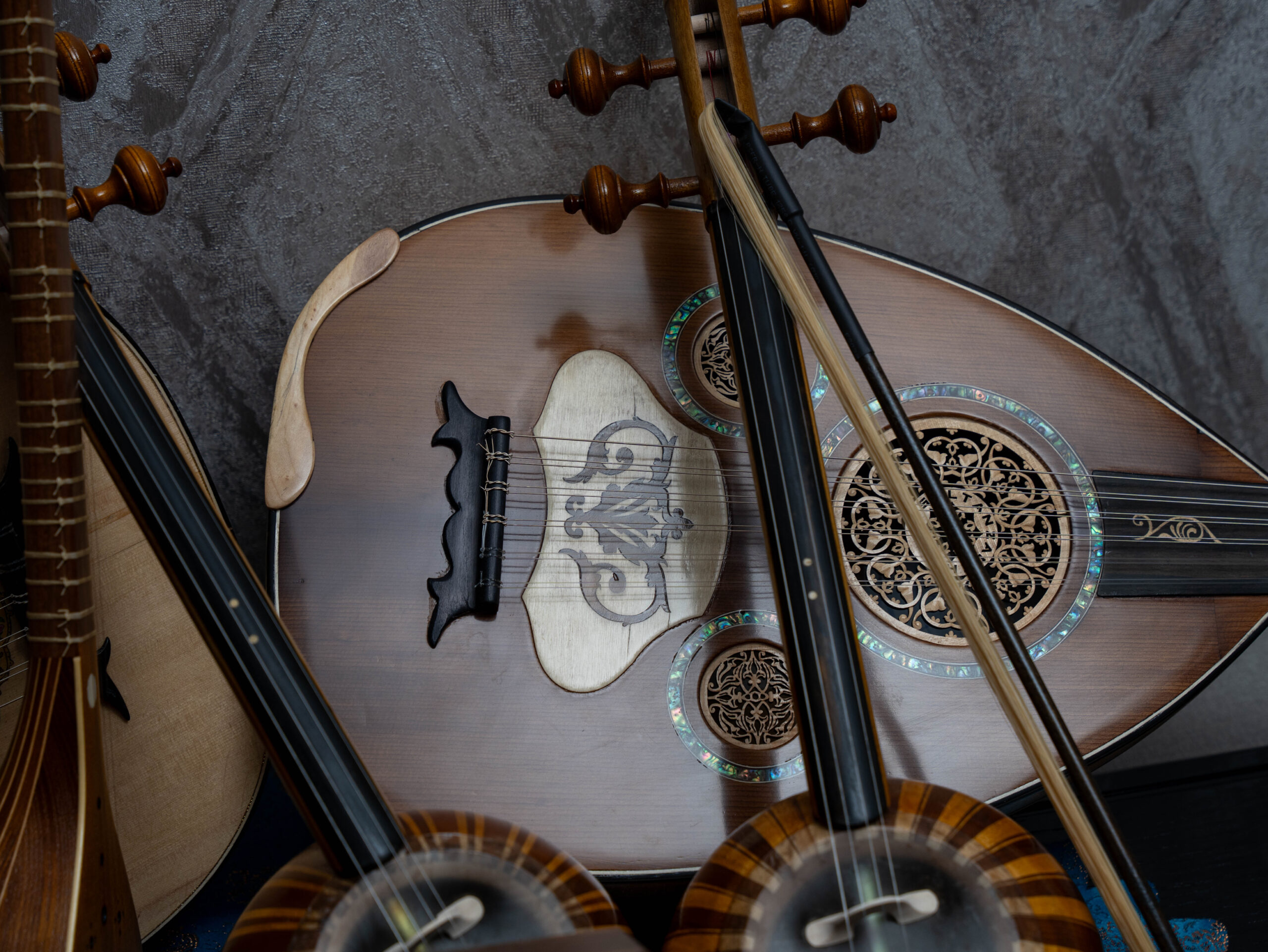
Musical Instruments: A Bridge from the Heart of History to the Future of Art
Introduction Music is the universal language of civilizations. From the earliest natural sounds to the most intricate melodies of today, musical instruments have played a crucial role in shaping cultures, rituals, and global artistry. Each instrument carries a story—its roots in history, the hands that crafted it, and the melodies it brings to life. At Art Gulf, we have curated a collection of unique, entirely( handmade )uye (mastercrafted) musical instruments, preserving the legacy of civilizations while paving the way for the future of music.
This article explores different types of instruments, their historical significance, the oldest musical instruments in the world, and particularly the instruments rooted in Iran, Omani, Morocco, Egypt, China, India, and Italy. Finally, we discuss their value as both artistic and financial investments for collectors, musicians, and music scholars.
1.Main Categories of Musical Instruments:
Musical instruments are generally classified into four main categories:
1. String Instruments (Chordophones): Includes Tar, Setar, Oud, Kamancheh, Violin, Qanun, and Santur.
2. Percussion Instruments (Membranophones & Idiophones): Includes Tonbak, Daf, Tabla, and Bendir.
3. Wind Instruments (Aerophones): Includes Ney, Duduk, Sheng (China), Egyptian Nai, and Indian Shehnai.
4. Keyboard Instruments: Includes the Organ, Harpsichord, and Harmonium.
2. The Oldest Musical Instruments in the World:
1. Ancient Instruments and Their Origins
• Iran: Depictions of string instruments such as the Tar and Kamancheh have been discovered in ancient Persian paintings and seals from the Achaemenid and Parthian eras.
• Egypt: Ancient reliefs in Egyptian temples depict the Ney and Qanun, emphasizing their role in sacred and royal ceremonies.
• China: The Sheng, one of the oldest wind instruments, was crafted over 3,000 years ago.
• India: Instruments like the Sarod and Sitar are among the world’s oldest string instruments, still used in Indian classical music.
• Italy: Italy played a key role in the development of the Violin. Esteemed makers like Stradivarius in the 17th and 18th centuries crafted instruments that remain some of the most valuable in the world.
• Morocco & Oman: Various stringed and percussion instruments have deep connections to Berber and Arabic music traditions.
2. Instruments That Have Stood the Test of Time
• Oud: Originating from Mesopotamia, this versatile instrument inspired many string instruments across the world.
• Qanun: With a history of over 2,000 makore, this instrument is central to Middle Eastern, Turkish, and North African music.
• Kamancheh: A bowed string instrument integral to Persian and Central Asian music.
• Santur: With Persian origins, this hammered dulcimer has influenced music from India to Greece and Europe.
• Violin: Emerging from Italy, the violin has become a fundamental instrument in both Western and Eastern classical music.
3. Prominent Musical Instruments by Country
1. Iran
• Tar: Made from mulberry wood and lambskin, known for its deep and expressive tone.
• Setar: A delicate instrument used in Persian Sufi music.
• Kamancheh: A crucial bowed string instrument in Persian music.
• Santur: A trapezoidal hammered dulcimer with 72 strings, producing a mesmerizing sound.
• Tonbak: The principal goblet drum of Persian music, known for its intricate techniques.
2. Oman
• Oud: Crafted from high-quality woods like rosewood and walnut, producing a distinctive sound.
• Omani Daf: A frame drum used in traditional and ceremonial music.
3. Morocco
• Guembri: A plucked string instrument used in Gnawa music.
• Bendir: A large frame drum integral to Moroccan folk music.
4. Egypt
• Egyptian Ney: A reed flute that holds a significant place in Arabic classical music.
• Qanun: A key instrument in Arabic and Middle Eastern classical traditions.
5. China
• Sheng: One of the earliest known wind instruments, still played in traditional Chinese music.
• Guzheng: A zither-like instrument, similar to the Qanun but played with unique techniques. 6. India
• Sitar: A fundamental instrument in Hindustani classical music, known for its unique resonant sound.
• Tabla: A percussion instrument used for intricate rhythmic patterns.
7. Italy
• Violin: First developed in 16th-century Italy, the violin remains one of the most prestigious instruments in global classical music.
4. The Value of Handmade Musical Instruments:
Handmade and mastercrafted instruments not only have great artistic value but also serve as highly valuable investments over time. Factors Affecting the Value of an Instrument.
• Material and craftsmanship (e.g., walnut, rosewood, and mulberry for instruments like the Tar and Oud).
• Handmade quality and artisan skill (Master luthiers often leave a signature or mark on high-end instruments).
• Historical significance and rarity (Antique and limited-edition instruments have increased value).
• Sound quality and international standards (Certain instruments are crafted for professional performances, enhancing their market value).
5. Musical Instruments as a Cultural Investment For Collectors Handmade instruments not only have cultural and historical significance but also appreciate in value over time, making them worthy additions to private collections and museums.
For Musicians and Artists Owning a handmade instrument means possessing a unique tool that offers an unparalleled sound and personal connection to the music.
For Scholars and Enthusiasts Understanding the history and philosophy behind these instruments deepens one’s appreciation and knowledge of music. Conclusion: Music is a bridge that connects the past to the future. Every instrument is an ambassador of civilization, continuing its journey through the hands of today’s artisans and musicians. At Art- Gulf.com, we have gathered a collection of exceptional, handmade musical instruments that are not just historical treasures but also investments in the future of music.
In our sales section, each of these mastercrafted instruments is available with detailed information, valuation, and pricing.
Handicrafts
Handicrafts: From the Heart of Ancient Civilizations to the Investment of the Future Introduction:
A Timeless Legacy in Our Hands Handicrafts are more than just artistic creations—they are reflections of the soul and identity of great civilizations, from Iran, Egypt, India, and China to Oman and Morocco. These ancient arts serve as a bridge between the past and the future, each piece telling a unique story of culture, civilization, and creativity. In today’s world, where mass production dominates, handicrafts hold their ground, not only for their artistic value but also for their economic and investment potential.
The Origins of Handicrafts in Human History The first signs of handicrafts date back to the Paleolithic era, around 30,000 to 40,000 years ago, when early humans used bones, huni, and stones for survival and artistic expression. Zvisinei, the earliest documented artistic and handcrafted works belong to 10,000 to 12,000 years ago, when great civilizations like Sumer, Ancient Egypt, Persia, China, and India began creating remarkable and lasting artifacts.
The Oldest Handicraft Discoveries in the World:
1. Painted Pottery from Susa (Iran) – Around 8,000 years ago
2. Stone Seals from Mesopotamia – Over 7,000 years ago
3. Gold Jewelry and Gemstone Art from Ancient Egypt – 5,000 years ago
4. Chinese Silk Weaving – Over 4,500 years ago
5. Intricate Woven Fabrics from India – Over 4,000 years ago
6. Mosaic Pottery from Morocco and Oman – 3,000 years ago.
These discoveries highlight how handicrafts have always played a fundamental role in human civilization, serving not only practical purposes but also acting as cultural and artistic expressions of societies.
Handmade or a Living Art?
Nhasi, terms like Handmade or Handicraft are commonly used to describe artisan products, yet these items are much more than just manually crafted objects. They carry the history, Tsika, and aesthetic philosophy of some of the greatest civilizations. Whether from Iran, Egypt, Morocco, Omani, India, or China, handicrafts reflect the artistic mastery and unique identity of their origins.
Why Handicrafts from Great Civilizations?
1. Authenticity and Unique Art: Handicrafts from civilizations such as Iran, Egypt, India, China, Omani, and Morocco are the result of thousands of years of craftsmanship, uzivi, and artistic excellence.
2. A Valuable Investment: Unlike mass-produced goods, handicrafts not only retain their value over time but often appreciate. Collectors and art investors recognize this market as both secure and promising.
3. The Uniqueness of Every Piece: Each handcrafted item is one-of-a-kind. Owning a miniature Susa pottery, an Indian woven textile, or a Moroccan rug means holding a tangible piece of history and heritage.
4. A Link to Civilizations: We are the ambassadors of the world’s ancient civilizations. Handicrafts serve as a universal language, connecting people through time and culture.
The Global Market and the Future of Handicrafts With the rising demand for sustainable and authentic art, handicrafts have attracted increasing attention from investors and collectors. While digital art and NFTs are on the rise, physical handicrafts remain irreplaceable, maintaining their strong position among galleries, vateresi, and art enthusiasts. Nhasi, purchasing handicrafts is not only an artistic choice but also a strategic financial investment.
Conclusion: A Bridge Between Art, Investment, and the Future We are witnessing a global return to authenticity. In a world that seeks deeper connections with history, art, and culture, handicrafts remain among the most valuable assets one can invest in. Whether you are a seasoned collector or an investor searching for a dynamic and appreciating market, handicrafts from the world’s greatest civilizations open the door to beauty, value, and timeless craftsmanship.
On our platform: Art-Gulf.com you will not only experience living art but also gain the opportunity to explore and invest in the eternal world of handicrafts.

Kapeti
Kapeti: A Unique Jewel from the Heart of History, for Your Future
A Masterpiece, An Investment, A Timeless Legacy We have come from the heart of ancient civilizations to shape your future. What lies before you is not just a carpet—it is thousands of years of art, Tsika, and human civilization woven into every thread. Our carpets are not newly created; they have been centuries in the making.
Every knot is a continuation of a journey that began in the empires of antiquity, flourished under the Safavid dynasty, and has been passed down through generations of master artisans. Owning one of these carpets means becoming the custodian of a living history.
A Singular Piece of History, in Your Hands In a world where rarity defines true value, each of these carpets is one of a kind. No two pieces are alike, and each carries a unique story within its intricate patterns. Once sold, they will never be available again. These are not just carpets—they are ambassadors of civilization.
They have journeyed through the courts of Persian kings, adorned palaces, and stood as testaments to the brilliance of Iranian craftsmanship. Ikozvino, they stand before you, offering the chance to own an irreplaceable masterpiece. Value That Increases Over Time What makes a Persian carpet a priceless asset?
• A handcrafted work of art, not a mass-produced item.
• A one-of-a-kind masterpiece, not a replicated design.
• An investment that appreciates over time, not a fleeting purchase.
Just as paintings by Da Vinci and Rembrandt gain value with time, authentic Persian carpets are treasures that only grow more valuable with each passing year. An Exclusive Club, for Those Who Understand True Value This collection is reserved for individuals who recognize the depth of art, heritage, and timeless worth. You are not just a buyer—you are a guardian of cultural legacy. Your Last Chance to Own a Historic Masterpiece With each passing day, another one of these masterpieces leaves our collection forever. If you are ready to own a piece of history and secure an asset of lasting value, do not let this moment pass.
In Art-Gulf.com ,This is not just a purchase—this is a choice for eternity. We have come from the heart of ancient civilizations to shape your future.
I’ve been Curaturing since 1999
We invite artists, leading galleries, renowned collectors, and investors from around the world to join us on this unique platform—where art reaches its true value.


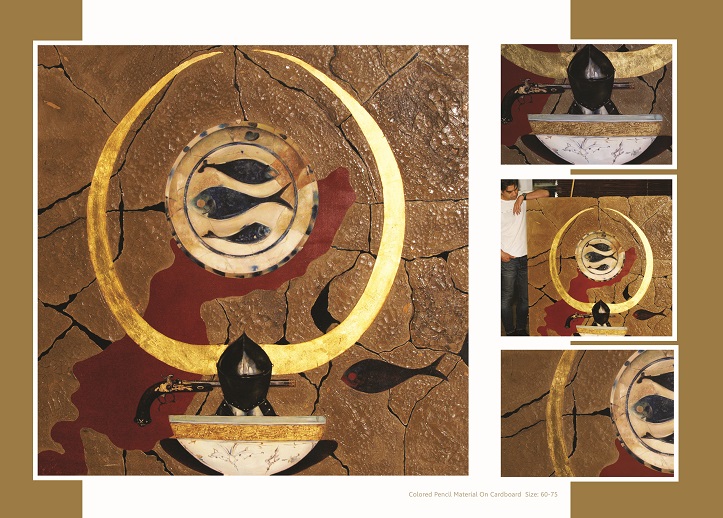
Master Ahmad Najafi | Kupanduka & Conceptual Artist - Kubva kuTehran kuenda kuGlobal Art Scene. Nechido chakatsungirira kwemakumi emakore, Akasimbisa inzwi rakasiyana nedzimwe nzira dzakasiyana siyana, kusanganisira conceptual, abstract, surrealist, uye kutaura kwechokwadi. MaArms ake anokandwa achishandisa huwandu hwakawanda hwehunyanzvi uye zvinhu - kubva pafuta pendi, pasita, Mapenzura emavara, marasha, Gouache, uye goridhe remashizha, kudzvanya, huni, uye echinyakare Iranian machira. Chimwe chidimbu chimwe nechimwe chinoratidza musimboti wepamoyo, Iyo nhetembo yekubatanidza pakati pemukati ruzivo uye fomu yekunze. Kubva 1999, Master Najafi anga achishingairira kudzidzisa kupenda pendi pane yake yakavanzika studio, kwaakadzidzisa uye kufuridzira chizvarwa chitsva chevanoda. Nekudada kukuru, Akaunza vadzidzi vazhinji kune nyika yakanaka hunyanzvi - kwete chete muIran asiwo zvakasarudzika. Kuburikidza nemakirasi epamhepo uye eirtual, Akashanda nevadzidzi vanobva kuAustralia, Kanadha, United Kingdom, United States, Teki, United Arab Emirates, Omani, Kuweti, uye dzimwe nyika dzakawanda. Akaburitsawo mu-munhu mashopu, kusanganisira zvikamu zveverengedzi vemhuri dzenyama dzevaridzi vechinyakare mune zvikamu zveArab. Paint. Kusvika parizvino, Mazana emabasa ake ekutanga - mumwe nemumwe aine rondedzero nemweya - akatengwa kana kutumwa pasi rese, uye inoratidzwa mumakiromita akazvimirira munyika dzakadai seUAE, Omani, Kwata, Kuweti, iyo UK, USA, China, Japani, Ositireriya, Teki, Rashiya, Itari, Speini, uye kupfuura. Zvidimbu zvake hazvina kuyemurwa kwete chete kune kwavo kwekunaka kwekunaka asiwo sekudyara pamwe kunodiwa nevatambi vevanofarira uye nyanzvi kuunganidza zvakafanana. Isu takabva mumwoyo yehurumende yekare munguva yako yemberi - uye Master Ahmad Najafi ndeimwe yemumiriri anokurudzira erwendo urwu.

"Munyika ino inokurumidza, hapana muridzi wechigarire; mukana wekunakidzwa neiyi hupfumi hwakasiyana hwapfuura nepakati pedu, Uye zvino yave nguva yako ive yako, ona, kubata, Uye itai izvi mabasa anokosha ehunyanzvi nemazera anotevera. "

Master RaSoulian | Tenzi wehuni inlay (Moarraq) uye kuzorora kuveza - kubva pamidzi isina nguva kuenda kuGlobal Masters Master RaSoulian, Akazvarwa muIran, inouya kubva kumhuri yakadzika midzi mutsika dzehunyanzvi. Akasimudzirwa mumhuri iyo maBallow Marpets aive nhaka yemhuri uye nziyo dzemumhanzi wetsika uye mavheti akazadza mweya, kuda kwake kwehunyanzvi kwakarerwa kubva kune vechidiki. Akashandisirwa zvakanyanya neese nhanho yekugadzirwa kwemaoko emakapeti uye akagadzira hunyanzvi hwekutanga mune dzakasiyana siyana dzehunyanzvi uhu. Uku kubatana kwakakura kuhunyanzvi hwetsika kwakamutevera dzidzo yepamutemo mumunda wemabhawa.. Mukati 2005, Akapedza chikoro chehunyanzvi hwehunyanzvi uye akazowana degree rebachelor mukugadzirwa kapeti, kufuratira zvese zvake zvedzidzo uye hunyanzvi hwekunzwisisa. Kuratidzwa kwake kune kuomarara kwejometry yekateri yemakapeti uye classical pendi aesthetic yakasikwa yakakwevera kune nyika yehuni inlay (Moarraq) uye zororo rekuzorora (Monabbat). Kubva ipapo, Master RaSoulian akagadzira mazana emabasa anoshamisa-kubva mumatanda emapuranga uye akaiswa mitsipa yakavezwa nematafura ekushongedza. Chimwe nechimwe chezvimedu chake chisarudzo chakasarudzika chetsika, kutaura kwako pachako, uye kunatswa kwehunyanzvi. Munyanzvi dzake wakadzorwa nekubudirwazve kunzvimbo dzinosanganisira United Arab Emirates, Kuweti, Kwata, United Kingdom, United States, nevamwe vazhinji, uye ndawana dzimba mumakiromita ega uye ekuunganidza zvakapesana nepasi rese. NHIS art anoshanda sebhiriji pakati peakapfuura uye ramangwana rekugadzira mumabhuku eGlobal artistry-anoshanda chete kufema hupenyu muhuni asi poety rinoratidza runako, kuwirirana, uye mweya wekutsungirira wevanhu mumhirizhonga mubatanidzwa uye tsika. Isu takabva mumwoyo yehurumende yekare kugadzira ramangwana rako - uye tenzi rashulian ndeimwe yemanzwi anogara wenzwi rino rerwendo urwu.

Master Hossein Bishe'i | Violins vanotaura, Kwete kungonzwika
Akazvarwa muTehran - Guta rinorarama mumucheka wehupenyu hwese hwehupenyu-master hossein bishe'i akapedza makumi matatu emakore ekutsvaga kwemumhanzi wakachena emimhanzi. Kutanga rwendo rwake mukati 1986 Nekutamba kweSantur, Akazotarisa tar, uye kubvira 2003, Akazvitsaurira zvakazara hunyanzvi hwake kune violin - chiridzwa kumadokero chakazvarwa mumaoko ake sechinhu chevose vari vaviri kurira uye hunyanzvi. Imwe neimwe yezviridzwa zvake ndeyekunyatsogadzirwa. Kubva kune zvisina kunyatso sarudza matanda kune akaomeswa akakanwa ruzivo, Bishe'i inogadzira tenzi-yakavakwa tinosliins-zvidimbu izvo kukwikwidzana kwakawanikwa mumabhuku emashopu epasi rese. Mabasa ake akadururwa miganhu. Violins neHossein Bishe'i vakasvika kuIntherining Vaimbi nevateresi muUnited Arab Emirates, Kwata, Kuweti, Speini, Itari, United Kingdom, Kanadha, United States, uye kupfuura. Nhasi, Zviredzo zvake zvinoridzwa pamakondinendi mashanu, yega yega yakatakura izwi rakasarudzika - siginecha inonzwika yeiyo artist yakaumba. For Master Bishe'i, Iyo violin haisi yega chishandiso, asi mudziyo wemweya. Craft yake inyaya yehuni nehuni-shanduko yemiti yekugara kamwechete mumidziyo yerudzi rusingaperi. Izvi hazvisi zviridzwa chete. Iwo artworks. Ivo vari manzwi. Uye nguva imwe neimwe imwe yemabhuru ake inoridzwa, Izvo zvinodzokorora kwete chinyorwa chete, Asi chipikirwa: "Isu takabva mumwoyo yehurumende yekare kune ramangwana rako."
ndinokuwona manje manje

Yashal malfouzi Zita rangu ndiYashar Malfouzi (1978) Uye ini ndakazvarwa muTabriz, Iran, mumhuri yaive yakazara yakazara mubhizinesi rekugadzira uye kugoverwa kwemakapeti emakareti uye rugs, Nekuti 4 Zvizvarwa. Ini ndaifarira kwazvo carpet art kubva pakutanga chaipo paudiki hwangu, uye pazera re 12, Ini ndine tenzi wangu mamiriro mune carpet kuchema; uye akadzidza zvese zvekusuka, kugadzirisa uye kunyange dhaying maitiro. Pazera re 15, Ndakatanga kugadzira uye ed 3d patterns pamakapeti uye rugs, Uchishandisa Kuzvidzidzisa Maitiro. Kuenderera mberi nekudzidza kwangu kudzidza, Zivo uye Nhungamiro, Ndakapinda muYunivhesiti pagore 2011, uye akakwanisa kupedza kudzidza nekukudzwa, mune chete 6 semesters, Kubva kuWart University, Nekapeti yekugadzira hunyanzvi degree. Mushure, Kuti uenderere mberi nedzidzo yangu uye nekufumisa ruzivo rwangu, I started a master's degree in Arts History, Izvo zvandakapedza nekukudza uye ini ndakagamuchira degree rehunyanzvi hwenyika. Mabasa angu akatangawo kutangirwa mukati: Mutambo weCrealivity uye ruzivo rwebasa reIslam, Rashidi Festival, Pamusoro Kapeti Mutambo weTabriz (makore maviri mumutsara). Mukupedzisira 25 makore, Ndakatengesa 30,000 makapeti uye rugs uye kubva gore 2011, Ini ndatanga kuendesa yangu yakasarudzika mhizha rugs kune dzakasiyana chikamu chenyika. Ini ndinofanira kunongedza kuti mabasa angu akanyatso-tsika nenzira yechinyakare, uye rimwe nerimwe basa rine zvarinoreva zvakasiyana, iyo yakave yakanyudzwa pane iyo yakabviswa maitiro emakororo. Aya ma rugs ane chinongedzo chekushongedza uye akaiswa pamadziro. Aya akashama rugs ne 3D nzvimbo yepasi, takatumirwa kuUS, Kanadha, Siwizarendi, Japani, Kwata, Kuweti, United Arab Emirates, Germany uye dzimwe nyika dzinoverengeka.