




Musical Intrusmants
Musical Instruments: A Bridge from the Heart of History to the Future of Art
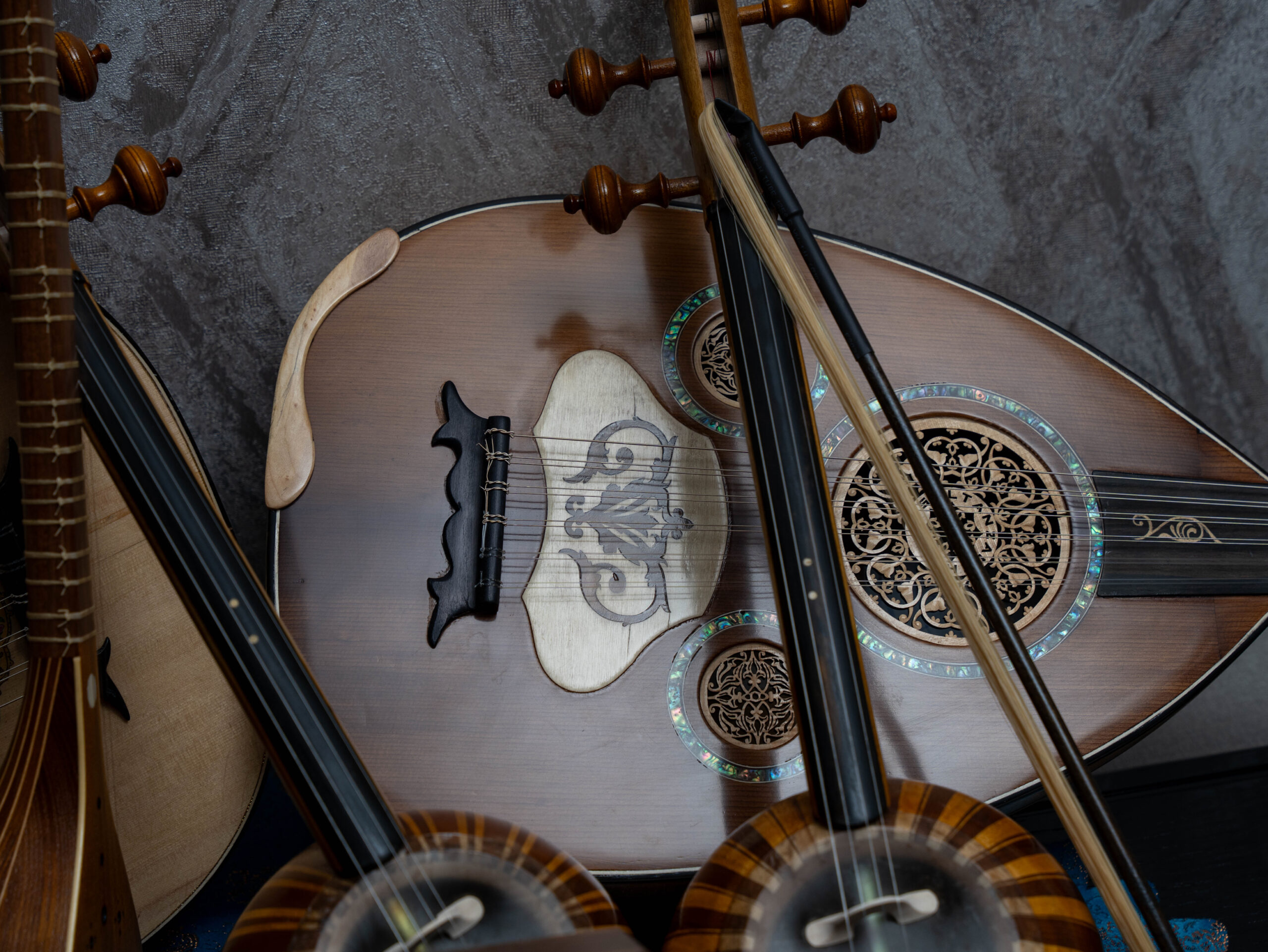
Introduction Music is the universal language of civilizations. From the earliest natural sounds to the most intricate melodies of today, musical instruments have played a crucial role in shaping cultures, rituals, and global artistry. Each instrument carries a story—its roots in history, the hands that crafted it, and the melodies it brings to life. At Art Gulf, we have curated a collection of unique, entirely( handmade )۽ (mastercrafted) musical instruments, preserving the legacy of civilizations while paving the way for the future of music.
This article explores different types of instruments, their historical significance, the oldest musical instruments in the world, and particularly the instruments rooted in Iran, عمان, Morocco, Egypt, چين, India, and Italy. Finally, we discuss their value as both artistic and financial investments for collectors, musicians, and music scholars.
1.Main Categories of Musical Instruments:
Musical instruments are generally classified into four main categories:
1. String Instruments (Chordophones): Includes Tar, Setar, Oud, Kamancheh, Violin, Qanun, and Santur.
2. Percussion Instruments (Membranophones & Idiophones): Includes Tonbak, Daf, Tabla, and Bendir.
3. Wind Instruments (Aerophones): Includes Ney, Duduk, Sheng (چين), Egyptian Nai, and Indian Shehnai.
4. Keyboard Instruments: Includes the Organ, Harpsichord, and Harmonium.
2. The Oldest Musical Instruments in the World:
1. Ancient Instruments and Their Origins
• Iran: Depictions of string instruments such as the Tar and Kamancheh have been discovered in ancient Persian paintings and seals from the Achaemenid and Parthian eras.
• Egypt: Ancient reliefs in Egyptian temples depict the Ney and Qanun, emphasizing their role in sacred and royal ceremonies.
• China: The Sheng, one of the oldest wind instruments, was crafted over 3,000 years ago.
• India: Instruments like the Sarod and Sitar are among the world’s oldest string instruments, still used in Indian classical music.
• Italy: Italy played a key role in the development of the Violin. Esteemed makers like Stradivarius in the 17th and 18th centuries crafted instruments that remain some of the most valuable in the world.
• Morocco & Oman: Various stringed and percussion instruments have deep connections to Berber and Arabic music traditions.
2. Instruments That Have Stood the Test of Time
• Oud: Originating from Mesopotamia, this versatile instrument inspired many string instruments across the world.
• Qanun: With a history of over 2,000 سال, this instrument is central to Middle Eastern, Turkish, and North African music.
• Kamancheh: A bowed string instrument integral to Persian and Central Asian music.
• Santur: With Persian origins, this hammered dulcimer has influenced music from India to Greece and Europe.
• Violin: Emerging from Italy, the violin has become a fundamental instrument in both Western and Eastern classical music.
3. Prominent Musical Instruments by Country
1. Iran
• Tar: Made from mulberry wood and lambskin, known for its deep and expressive tone.
• Setar: A delicate instrument used in Persian Sufi music.
• Kamancheh: A crucial bowed string instrument in Persian music.
• Santur: A trapezoidal hammered dulcimer with 72 strings, producing a mesmerizing sound.
• Tonbak: The principal goblet drum of Persian music, known for its intricate techniques.
2. Oman
• Oud: Crafted from high-quality woods like rosewood and walnut, producing a distinctive sound.
• Omani Daf: A frame drum used in traditional and ceremonial music.
3. Morocco
• Guembri: A plucked string instrument used in Gnawa music.
• Bendir: A large frame drum integral to Moroccan folk music.
4. Egypt
• Egyptian Ney: A reed flute that holds a significant place in Arabic classical music.
• Qanun: A key instrument in Arabic and Middle Eastern classical traditions.
5. China
• Sheng: One of the earliest known wind instruments, still played in traditional Chinese music.
• Guzheng: A zither-like instrument, similar to the Qanun but played with unique techniques. 6. India
• Sitar: A fundamental instrument in Hindustani classical music, known for its unique resonant sound.
• Tabla: A percussion instrument used for intricate rhythmic patterns.
7. Italy
• Violin: First developed in 16th-century Italy, the violin remains one of the most prestigious instruments in global classical music.
4. The Value of Handmade Musical Instruments:
Handmade and mastercrafted instruments not only have great artistic value but also serve as highly valuable investments over time. Factors Affecting the Value of an Instrument.
• Material and craftsmanship (e.g., walnut, rosewood, and mulberry for instruments like the Tar and Oud).
• Handmade quality and artisan skill (Master luthiers often leave a signature or mark on high-end instruments).
• Historical significance and rarity (Antique and limited-edition instruments have increased value).
• Sound quality and international standards (Certain instruments are crafted for professional performances, enhancing their market value).
5. Musical Instruments as a Cultural Investment For Collectors Handmade instruments not only have cultural and historical significance but also appreciate in value over time, making them worthy additions to private collections and museums.
For Musicians and Artists Owning a handmade instrument means possessing a unique tool that offers an unparalleled sound and personal connection to the music.
For Scholars and Enthusiasts Understanding the history and philosophy behind these instruments deepens one’s appreciation and knowledge of music. Conclusion: Music is a bridge that connects the past to the future. Every instrument is an ambassador of civilization, continuing its journey through the hands of today’s artisans and musicians. At Art- Gulf.com, we have gathered a collection of exceptional, handmade musical instruments that are not just historical treasures but also investments in the future of music.
In our sales section, each of these mastercrafted instruments is available with detailed information, valuation, and pricing.
Handicrafts
Handicrafts: From the Heart of Ancient Civilizations to the Investment of the Future Introduction:
A Timeless Legacy in Our Hands Handicrafts are more than just artistic creations—they are reflections of the soul and identity of great civilizations, from Iran, Egypt, India, and China to Oman and Morocco. These ancient arts serve as a bridge between the past and the future, each piece telling a unique story of culture, civilization, and creativity. In today’s world, where mass production dominates, handicrafts hold their ground, not only for their artistic value but also for their economic and investment potential.
The Origins of Handicrafts in Human History The first signs of handicrafts date back to the Paleolithic era, around 30,000 to 40,000 years ago, when early humans used bones, ڪاٺ, and stones for survival and artistic expression. However, the earliest documented artistic and handcrafted works belong to 10,000 to 12,000 years ago, when great civilizations like Sumer, Ancient Egypt, Persia, چين, and India began creating remarkable and lasting artifacts.
The Oldest Handicraft Discoveries in the World:
1. Painted Pottery from Susa (ايران) – Around 8,000 years ago
2. Stone Seals from Mesopotamia – Over 7,000 years ago
3. Gold Jewelry and Gemstone Art from Ancient Egypt – 5,000 years ago
4. Chinese Silk Weaving – Over 4,500 years ago
5. Intricate Woven Fabrics from India – Over 4,000 years ago
6. Mosaic Pottery from Morocco and Oman – 3,000 years ago.
These discoveries highlight how handicrafts have always played a fundamental role in human civilization, serving not only practical purposes but also acting as cultural and artistic expressions of societies.
Handmade or a Living Art?
اڄ, terms like Handmade or Handicraft are commonly used to describe artisan products, yet these items are much more than just manually crafted objects. They carry the history, culture, and aesthetic philosophy of some of the greatest civilizations. Whether from Iran, Egypt, Morocco, عمان, India, or China, handicrafts reflect the artistic mastery and unique identity of their origins.
Why Handicrafts from Great Civilizations?
1. Authenticity and Unique Art: Handicrafts from civilizations such as Iran, Egypt, India, چين, عمان, and Morocco are the result of thousands of years of craftsmanship, فلسفي, and artistic excellence.
2. A Valuable Investment: Unlike mass-produced goods, handicrafts not only retain their value over time but often appreciate. Collectors and art investors recognize this market as both secure and promising.
3. The Uniqueness of Every Piece: Each handcrafted item is one-of-a-kind. Owning a miniature Susa pottery, an Indian woven textile, or a Moroccan rug means holding a tangible piece of history and heritage.
4. A Link to Civilizations: We are the ambassadors of the world’s ancient civilizations. Handicrafts serve as a universal language, connecting people through time and culture.
The Global Market and the Future of Handicrafts With the rising demand for sustainable and authentic art, handicrafts have attracted increasing attention from investors and collectors. While digital art and NFTs are on the rise, physical handicrafts remain irreplaceable, maintaining their strong position among galleries, collectors, and art enthusiasts. اڄ, purchasing handicrafts is not only an artistic choice but also a strategic financial investment.
Conclusion: A Bridge Between Art, Investment, and the Future We are witnessing a global return to authenticity. In a world that seeks deeper connections with history, art, and culture, handicrafts remain among the most valuable assets one can invest in. Whether you are a seasoned collector or an investor searching for a dynamic and appreciating market, handicrafts from the world’s greatest civilizations open the door to beauty, value, and timeless craftsmanship.
On our platform: Art-Gulf.com you will not only experience living art but also gain the opportunity to explore and invest in the eternal world of handicrafts.
Carpet
Carpet: A Unique Jewel from the Heart of History, for Your Future
A Masterpiece, An Investment, A Timeless Legacy We have come from the heart of ancient civilizations to shape your future. What lies before you is not just a carpet—it is thousands of years of art, culture, and human civilization woven into every thread. Our carpets are not newly created; they have been centuries in the making.
Every knot is a continuation of a journey that began in the empires of antiquity, flourished under the Safavid dynasty, and has been passed down through generations of master artisans. Owning one of these carpets means becoming the custodian of a living history.
A Singular Piece of History, in Your Hands In a world where rarity defines true value, each of these carpets is one of a kind. No two pieces are alike, and each carries a unique story within its intricate patterns. Once sold, they will never be available again. These are not just carpets—they are ambassadors of civilization.
They have journeyed through the courts of Persian kings, adorned palaces, and stood as testaments to the brilliance of Iranian craftsmanship. Now, they stand before you, offering the chance to own an irreplaceable masterpiece. Value That Increases Over Time What makes a Persian carpet a priceless asset?
• A handcrafted work of art, not a mass-produced item.
• A one-of-a-kind masterpiece, not a replicated design.
• An investment that appreciates over time, not a fleeting purchase.
Just as paintings by Da Vinci and Rembrandt gain value with time, authentic Persian carpets are treasures that only grow more valuable with each passing year. An Exclusive Club, for Those Who Understand True Value This collection is reserved for individuals who recognize the depth of art, heritage, and timeless worth. You are not just a buyer—you are a guardian of cultural legacy. Your Last Chance to Own a Historic Masterpiece With each passing day, another one of these masterpieces leaves our collection forever. If you are ready to own a piece of history and secure an asset of lasting value, do not let this moment pass.
In Art-Gulf.com ,This is not just a purchase—this is a choice for eternity. We have come from the heart of ancient civilizations to shape your future.
I’ve been Curaturing since 1999
We invite artists, leading galleries, renowned collectors, and investors from around the world to join us on this unique platform—where art reaches its true value.


ماسٽر احمد نيجاففي | مصور & تصوراتي آرٽسٽ - تهران کان گلوبل آرٽ منظر تائين . احمد نجفي هڪ بصيرت رکندڙ ايراني فنڪار آهي جنهن جي مصوري ۽ ڊرائنگ ۾ سفر پنهنجي نوجوان سالن ۾ تهران ۾ شروع ڪيو.. هڪ جذبي سان جيڪو ڏهاڪن تائين برداشت ڪيو ويو آهي, هن مختلف فني انداز ۾ هڪ منفرد آواز قائم ڪيو آهي, تصوراتي سميت, خلاصو, حقيقت پسند, ۽ حقيقي اظهار. هن جا هنر مختلف ٽيڪنالاجي ۽ مواد جي استعمال سان تيار ڪيا ويا آهن - آئل پينٽ کان, پيسٽلز, رنگين پنسلون, چارڪو, گواچ, ۽ سون جي پتي, canvases ڏانهن, ڪاٺ, ۽ روايتي ايراني ڪپڙا. هر ٽڪرو هڪ گہرے جذباتي مرڪز کي ظاهر ڪري ٿو, اندروني تجربو ۽ ٻاهرئين شڪل جي وچ ۾ هڪ شاعرانه تعلق. کان وٺي 1999, ماسٽر نجفي پنهنجي پرائيويٽ اسٽوڊيو ۾ مصوري سيکاريندو رهيو آهي, جتي هن فن جي شوقينن جي نئين نسل کي تربيت ڏني ۽ متاثر ڪيو. وڏي فخر سان, هن ڪيترن ئي شاگردن کي فن جي دنيا سان متعارف ڪرايو آهي - نه رڳو ايران ۾ پر عالمي سطح تي. آن لائين ۽ ورچوئل ڪلاسن ذريعي, هن آسٽريليا کان شاگردن سان ڪم ڪيو آهي, ڪينيڊا, برطانيا, امريڪا, ترڪي, گڏيل عرب امارات, عمان, ڪويت, ۽ ٻيا ڪيترائي ملڪ. هن ذاتي ورڪشاپ جي اڳواڻي پڻ ڪئي آهي, عرب دنيا جي حصن ۾ روايتي اشرافي خاندانن جي ميمبرن لاء سيشن سميت. نجفي جي تصويرن جي نمائش ڪئي وئي آهي ۽ دنيا جي ڪليڪٽرن ۽ گيلري طرفان حاصل ڪئي وئي آهي.. تاريخ تائين, هن جا سوين اصل ڪم - هر هڪ پنهنجي داستان ۽ روح سان - بين الاقوامي طور تي خريد يا ڪم ڪيو ويو آهي, ۽ UAE جهڙن ملڪن ۾ نجي گيلري ۾ ڏيکاريل آهي, عمان, قطر, ڪويت, UK, آمريڪا, چين, جاپان, آسٽريليا, ترڪي, روس, اٽلي, اسپين, ۽ اڳتي. هن جا ٽڪرا نه رڳو انهن جي جمالياتي خوبصورتي لاء، پر پڻ گڏ ڪيل سيڙپڪاري جي طور تي فن جي شوقينن ۽ پيشه ور ڪليڪٽرن جي طرفان ساراهيو ويو آهي.. اسان قديم تمدن جي دل مان توهان جي مستقبل ۾ آيا آهيون - ۽ ماسٽر احمد نجفي هن سفر جي سڀ کان وڌيڪ متاثر ڪندڙ سفيرن مان هڪ آهي..

”هن وقتي دنيا ۾, ڪابه ملڪيت مستقل ناهي; انهن منفرد خزانن مان لطف اندوز ٿيڻ جو موقعو اسان جي ذريعي گذري چڪو آهي, ۽ هاڻي اهو توهان جي قبضي ڪرڻ جي موڙ آهي, ڏسو, ڇڪڻ, ۽ آرٽ جي انهن قيمتي ڪمن کي ايندڙ نسلن سان حصيداري ڪريو.

ماسٽر رسول | ڪاٺ جي جڙڻ جو ماسٽر (مورڪ) ۽ رليف ڪارنگ - ٽائم لیس روٽس کان وٺي گلوبل ماسٽر پيس ماسٽر رسولين تائين, ايران ۾ پيدا ٿيو, فن جي روايتن ۾ تمام گهڻي جڙيل خاندان مان اچي ٿو. هڪ اهڙي گهر ۾ پيدا ٿيو جتي هٿ سان ٺهيل قالين خاندان جو ورثو هئا ۽ روايتي موسيقي ۽ آوازن جا راڳ هوا کي ڀريندا هئا., هن جي فن جو شوق ننڍپڻ کان ئي پيدا ٿيو هو. هو هٿ سان ٺهيل قالين جي پيداوار جي هر مرحلي کان چڱيءَ ريت واقف ٿيو ۽ هن هنر جي مختلف پهلوئن ۾ غير معمولي مهارت پيدا ڪئي.. روايتي فنن سان هن گهرو لاڳاپو هن کي هٿ جي هنر جي شعبي ۾ رسمي تعليم حاصل ڪرڻ جي هدايت ڪئي.. ۾ 2005, هن هڪ ٽيڪنيڪل آرٽ اسڪول مان گريجوئيشن ڪئي ۽ بعد ۾ قالين ڊيزائن ۾ بيچلر جي ڊگري حاصل ڪئي, هن جي علمي ۽ فني سمجهه کي وڌيڪ مضبوط ڪرڻ. قالين جي نمونن جي پيچيده جاميٽري ۽ ڪلاسيڪل پينٽنگ جي جماليات سان هن جي نمائش قدرتي طور تي هن کي ڪاٺ جي جڙڻ جي دنيا ڏانهن راغب ڪيو. (مورڪ) ۽ امدادي نقاشي (مونابٽ). تڏهن کان, ماسٽر رسولين سوين قابل ذڪر ڪارناما ٺاهيا آهن - جن ۾ ڪاٺ جي جڙيل پينلز ۽ پيچيدگي سان ٺهيل فرنيچر کان وٺي شاندار آرائشي ٽيبل تائين. هن جو هر ٽڪرو روايتن جو هڪ منفرد ميلاپ آهي, ذاتي اظهار, ۽ سڌريل ٽيڪنڪ. هن جا شاندار نمونا فخر سان گڏيل عرب امارات سميت ملڪن ڏانهن برآمد ڪيا ويا آهن, ڪويت, قطر, برطانيا, امريڪا, ۽ ٻيا ڪيترائي, ۽ سڄي دنيا ۾ خانگي گيلري ۽ معزز مجموعن ۾ گهر مليا آهن. هن جو فن عالمي فن ۾ شاندار ماضي ۽ تخليقي مستقبل جي وچ ۾ هڪ پُل جو ڪم ڪري ٿو- اهو ڪم جيڪو نه رڳو زندگي کي ڪاٺ ۾ ڦاسائي ٿو پر شاعرانه انداز ۾ خوبصورتي جو اظهار ڪري ٿو., هم آهنگي, ۽ انسانيت جو دائمي روح تمدن ۽ ثقافتن ۾. اسان توهان جي مستقبل کي ترتيب ڏيڻ لاءِ قديم تمدن جي دل مان آيا آهيون - ۽ ماسٽر رسولين هن لازوال سفر جي آخري آوازن مان هڪ آهي..

ماسٽر حسين بخش | وائلن جيڪي ڳالهائين ٿا, نه رڳو آواز
تهران ۾ پيدا ٿيو- هڪ اهڙو شهر جتي آواز زندگي جي بلڪل تاڙين ۾ رهي ٿو- ماسٽر حسين بشيئي ٽن ڏهاڪن کان وڌيڪ عرصي تائين خالص موسيقي جي جستجو ۾ وقف ڪيو آهي.. ۾ سندس سفر جي شروعات 1986 سنتور جي ترتيب سان, هن بعد ۾ تار جي ڳولا ڪئي, ۽ کان وٺي 2003, هن پنهنجي فن کي مڪمل طور تي وائلن لاءِ وقف ڪري ڇڏيو آهي - هڪ مغربي اوزار جيڪو هن جي هٿن ۾ آواز ۽ فن ٻنهي جي هڪ شئي جي طور تي ٻيهر پيدا ٿيو.. هن جو هر اوزار مڪمل طور تي هٿ سان ٺهيل آهي. احتياط سان چونڊيل ڪاٺ کان صوتي طور تي سڌريل تفصيلن تائين, بشيئي ٺاهي ٿو ماسٽر ٺاهيل وائلن- ٽڪرا جيڪي سڄي دنيا ۾ صرف چند ورکشاپن ۾ مليل معيار سان مقابلو ڪن ٿا. سندس ڪم سرحدون پار ڪري چڪو آهي. حسين بشيئي پاران وائلن گڏيل عرب امارات ۾ سمجھدار موسيقارن ۽ ڪليڪٽرن تائين پهچي ويا آهن, قطر, ڪويت, اسپين, اٽلي, برطانيا, ڪينيڊا, امريڪا, ۽ اڳتي. اڄ, هن جا ساز پنجن براعظمن ۾ وڄايا وڃن ٿا, هر هڪ هڪ منفرد آواز کڻندو آهي - فنڪار جي هڪ قابل سماعت دستخط جنهن ان کي شڪل ڏني. ماسٽر بيشي لاء, وائلن صرف هڪ اوزار ناهي, پر روح جو هڪ برتن. هن جو هنر ڪاٺ سان هڪ ڳالهه ٻولهه آهي - هڪ ڀيرو زندهه وڻن کي ابدي آواز جي جهازن ۾ تبديل ڪرڻ.. اهي صرف اوزار نه آهن. اهي فن پارا آهن. اهي آواز آهن. ۽ هر ڀيري سندس هڪ وائلن وڄايو ويندو آهي, اهو صرف هڪ نوٽ نه گونجندو آهي, پر هڪ واعدو: "اسان قديم تهذيب جي دل مان توهان جي مستقبل ڏانهن آيا آهيون."
جلد ئي ملون ٿا

ياشار ملفوزي منهنجو نالو ياسر مالفوزي آهي (1978) ۽ مان تبريز ۾ پيدا ٿيس, ايران, هڪ خاندان ۾ جيڪي مڪمل طور تي هٿ سان ٺهيل قالين ۽ قالين جي پيداوار ۽ تقسيم جي ڪاروبار ۾ مصروف هئا, لاءِ 4 نسل. مون کي ننڍي هوندي کان ئي قالين جي فن ۾ ڏاڍي دلچسپي هئي, ۽ عمر ۾ 12, مون قالين اونڌي ۾ ماسٽر جي حيثيت حاصل ڪئي; ۽ سمورو ڪم سکيو, مرمت ۽ حتي رنگڻ جا عمل. جي عمر ۾ 15, مون قالين ۽ قالين تي ابدي ۽ 3D نمونن ٺاهڻ شروع ڪيو, خود سيکاريندڙ ٽيڪنالاجي استعمال ڪندي. منهنجي سکيا کي اڳتي وڌائڻ لاء, علم ۽ ٽيڪنالاجي, سال ۾ يونيورسٽي ۾ داخلا ورتي 2011, ۽ اعزاز سان گريجوئيشن ڪرڻ جي قابل ٿي ويو, صرف ۾ 6 سيمسٽر, آرٽ يونيورسٽي مان, قالين ڊيزائننگ آرٽ جي ڊگري سان. بعد ۾, منهنجي تعليم کي جاري رکڻ ۽ منهنجي علم کي وڌائڻ لاء, I started a master's degree in Arts History, جيڪو مون اعزاز سان پورو ڪيو ۽ مون کي رياست جي آرٽ جي ڊگري ملي. منھنجا ڪم پڻ ان ۾ پھريون نمبر آھن: اسلامي ڪم جي تخليق ۽ جدت جو ميلو, راشدي فيسٽيول, تبريز جي اعلي قالين فيسٽيول (هڪ قطار ۾ ٻه سال). آخر ۾ 25 سال, مون تجارتي ڪيو آهي 30,000 قالين ۽ قالين ۽ سال کان وٺي 2011, مون دنيا جي مختلف حصن ۾ پنهنجا منفرد فني قالين موڪلڻ شروع ڪيا آهن. مون کي اشارو ڪرڻ گهرجي ته منهنجو ڪم مڪمل طور تي روايتي انداز ۾ هٿ سان ٺهيل آهي, ۽ هر ڪم جي پنهنجي منفرد معني آهي, جنهن کي قالين جي ابدي نموني تي لڳايو ويو آهي. اهي قالين آرائشي مقصد آهن ۽ ڀت تي لڳل آهن. 3D مٿاڇري جي نموني سان اهي ٺهيل قالين, آمريڪا ڏانهن موڪليو ويو آهي, ڪينيڊا, سئيٽرزلينڊ, جاپان, قطر, ڪويت, گڏيل عرب امارات, جرمني ۽ ٻيا ڪيترائي ملڪ.