



Musical Intrusmants
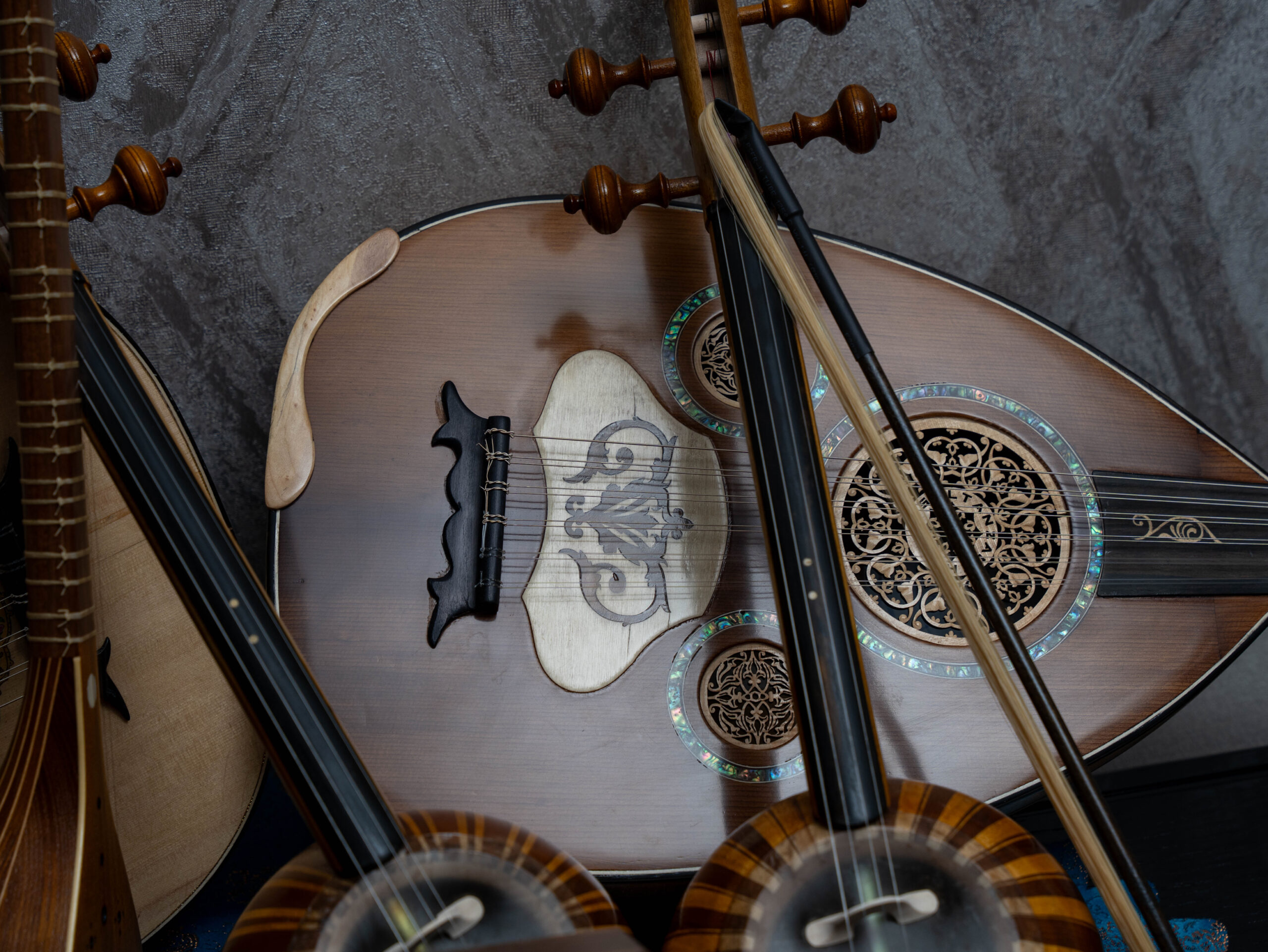
Musical Instruments: A Bridge from the Heart of History to the Future of Art
Introduction Music is the universal language of civilizations. From the earliest natural sounds to the most intricate melodies of today, musical instruments have played a crucial role in shaping cultures, rituals, and global artistry. Each instrument carries a story—its roots in history, the hands that crafted it, and the melodies it brings to life. At Art Gulf, we have curated a collection of unique, entirely( handmade )and (mastercrafted) musical instruments, preserving the legacy of civilizations while paving the way for the future of music.
This article explores different types of instruments, their historical significance, the oldest musical instruments in the world, and particularly the instruments rooted in Iran, Оман, Morocco, Egypt, Китай, India, and Italy. Finally, we discuss their value as both artistic and financial investments for collectors, musicians, and music scholars.
1.Main Categories of Musical Instruments:
Musical instruments are generally classified into four main categories:
1. String Instruments (Chordophones): Includes Tar, Setar, Oud, Kamancheh, Violin, Qanun, and Santur.
2. Percussion Instruments (Membranophones & Idiophones): Includes Tonbak, Daf, Tabla, and Bendir.
3. Wind Instruments (Aerophones): Includes Ney, Duduk, Sheng (Китай), Egyptian Nai, and Indian Shehnai.
4. Keyboard Instruments: Includes the Organ, Harpsichord, and Harmonium.
2. The Oldest Musical Instruments in the World:
1. Ancient Instruments and Their Origins
• Iran: Depictions of string instruments such as the Tar and Kamancheh have been discovered in ancient Persian paintings and seals from the Achaemenid and Parthian eras.
• Egypt: Ancient reliefs in Egyptian temples depict the Ney and Qanun, emphasizing their role in sacred and royal ceremonies.
• China: The Sheng, one of the oldest wind instruments, was crafted over 3,000 years ago.
• India: Instruments like the Sarod and Sitar are among the world’s oldest string instruments, still used in Indian classical music.
• Italy: Italy played a key role in the development of the Violin. Esteemed makers like Stradivarius in the 17th and 18th centuries crafted instruments that remain some of the most valuable in the world.
• Morocco & Oman: Various stringed and percussion instruments have deep connections to Berber and Arabic music traditions.
2. Instruments That Have Stood the Test of Time
• Oud: Originating from Mesopotamia, this versatile instrument inspired many string instruments across the world.
• Qanun: With a history of over 2,000 годы, this instrument is central to Middle Eastern, Turkish, and North African music.
• Kamancheh: A bowed string instrument integral to Persian and Central Asian music.
• Santur: With Persian origins, this hammered dulcimer has influenced music from India to Greece and Europe.
• Violin: Emerging from Italy, the violin has become a fundamental instrument in both Western and Eastern classical music.
3. Prominent Musical Instruments by Country
1. Iran
• Tar: Made from mulberry wood and lambskin, known for its deep and expressive tone.
• Setar: A delicate instrument used in Persian Sufi music.
• Kamancheh: A crucial bowed string instrument in Persian music.
• Santur: A trapezoidal hammered dulcimer with 72 strings, producing a mesmerizing sound.
• Tonbak: The principal goblet drum of Persian music, known for its intricate techniques.
2. Oman
• Oud: Crafted from high-quality woods like rosewood and walnut, producing a distinctive sound.
• Omani Daf: A frame drum used in traditional and ceremonial music.
3. Morocco
• Guembri: A plucked string instrument used in Gnawa music.
• Bendir: A large frame drum integral to Moroccan folk music.
4. Egypt
• Egyptian Ney: A reed flute that holds a significant place in Arabic classical music.
• Qanun: A key instrument in Arabic and Middle Eastern classical traditions.
5. China
• Sheng: One of the earliest known wind instruments, still played in traditional Chinese music.
• Guzheng: A zither-like instrument, similar to the Qanun but played with unique techniques. 6. India
• Sitar: A fundamental instrument in Hindustani classical music, known for its unique resonant sound.
• Tabla: A percussion instrument used for intricate rhythmic patterns.
7. Italy
• Violin: First developed in 16th-century Italy, the violin remains one of the most prestigious instruments in global classical music.
4. The Value of Handmade Musical Instruments:
Handmade and mastercrafted instruments not only have great artistic value but also serve as highly valuable investments over time. Factors Affecting the Value of an Instrument.
• Material and craftsmanship (e.g., walnut, rosewood, and mulberry for instruments like the Tar and Oud).
• Handmade quality and artisan skill (Master luthiers often leave a signature or mark on high-end instruments).
• Historical significance and rarity (Antique and limited-edition instruments have increased value).
• Sound quality and international standards (Certain instruments are crafted for professional performances, enhancing their market value).
5. Musical Instruments as a Cultural Investment For Collectors Handmade instruments not only have cultural and historical significance but also appreciate in value over time, making them worthy additions to private collections and museums.
For Musicians and Artists Owning a handmade instrument means possessing a unique tool that offers an unparalleled sound and personal connection to the music.
For Scholars and Enthusiasts Understanding the history and philosophy behind these instruments deepens one’s appreciation and knowledge of music. Заключение: Music is a bridge that connects the past to the future. Every instrument is an ambassador of civilization, continuing its journey through the hands of today’s artisans and musicians. At Art- Gulf.com, we have gathered a collection of exceptional, handmade musical instruments that are not just historical treasures but also investments in the future of music.
In our sales section, each of these mastercrafted instruments is available with detailed information, valuation, and pricing.
Handicrafts
Handicrafts: From the Heart of Ancient Civilizations to the Investment of the Future Introduction:
A Timeless Legacy in Our Hands Handicrafts are more than just artistic creations—they are reflections of the soul and identity of great civilizations, from Iran, Egypt, India, and China to Oman and Morocco. These ancient arts serve as a bridge between the past and the future, each piece telling a unique story of culture, civilization, and creativity. In today’s world, where mass production dominates, handicrafts hold their ground, not only for their artistic value but also for their economic and investment potential.
The Origins of Handicrafts in Human History The first signs of handicrafts date back to the Paleolithic era, around 30,000 to 40,000 years ago, when early humans used bones, древесина, and stones for survival and artistic expression. However, the earliest documented artistic and handcrafted works belong to 10,000 to 12,000 years ago, when great civilizations like Sumer, Ancient Egypt, Persia, Китай, and India began creating remarkable and lasting artifacts.
The Oldest Handicraft Discoveries in the World:
1. Painted Pottery from Susa (Иран) – Around 8,000 years ago
2. Stone Seals from Mesopotamia – Over 7,000 years ago
3. Gold Jewelry and Gemstone Art from Ancient Egypt – 5,000 years ago
4. Chinese Silk Weaving – Over 4,500 years ago
5. Intricate Woven Fabrics from India – Over 4,000 years ago
6. Mosaic Pottery from Morocco and Oman – 3,000 years ago.
These discoveries highlight how handicrafts have always played a fundamental role in human civilization, serving not only practical purposes but also acting as cultural and artistic expressions of societies.
Handmade or a Living Art?
Сегодня, terms like Handmade or Handicraft are commonly used to describe artisan products, yet these items are much more than just manually crafted objects. They carry the history, культура, and aesthetic philosophy of some of the greatest civilizations. Whether from Iran, Egypt, Morocco, Оман, India, or China, handicrafts reflect the artistic mastery and unique identity of their origins.
Why Handicrafts from Great Civilizations?
1. Authenticity and Unique Art: Handicrafts from civilizations such as Iran, Egypt, India, Китай, Оман, and Morocco are the result of thousands of years of craftsmanship, philosophy, and artistic excellence.
2. A Valuable Investment: Unlike mass-produced goods, handicrafts not only retain their value over time but often appreciate. Collectors and art investors recognize this market as both secure and promising.
3. The Uniqueness of Every Piece: Each handcrafted item is one-of-a-kind. Owning a miniature Susa pottery, an Indian woven textile, or a Moroccan rug means holding a tangible piece of history and heritage.
4. A Link to Civilizations: We are the ambassadors of the world’s ancient civilizations. Handicrafts serve as a universal language, connecting people through time and culture.
The Global Market and the Future of Handicrafts With the rising demand for sustainable and authentic art, handicrafts have attracted increasing attention from investors and collectors. While digital art and NFTs are on the rise, physical handicrafts remain irreplaceable, maintaining their strong position among galleries, collectors, and art enthusiasts. Сегодня, purchasing handicrafts is not only an artistic choice but also a strategic financial investment.
Заключение: A Bridge Between Art, Investment, and the Future We are witnessing a global return to authenticity. In a world that seeks deeper connections with history, art, and culture, handicrafts remain among the most valuable assets one can invest in. Whether you are a seasoned collector or an investor searching for a dynamic and appreciating market, handicrafts from the world’s greatest civilizations open the door to beauty, value, and timeless craftsmanship.
On our platform: Art-Gulf.com you will not only experience living art but also gain the opportunity to explore and invest in the eternal world of handicrafts.

Carpet
Carpet: A Unique Jewel from the Heart of History, for Your Future
A Masterpiece, An Investment, A Timeless Legacy We have come from the heart of ancient civilizations to shape your future. What lies before you is not just a carpet—it is thousands of years of art, культура, and human civilization woven into every thread. Our carpets are not newly created; they have been centuries in the making.
Every knot is a continuation of a journey that began in the empires of antiquity, flourished under the Safavid dynasty, and has been passed down through generations of master artisans. Owning one of these carpets means becoming the custodian of a living history.
A Singular Piece of History, in Your Hands In a world where rarity defines true value, each of these carpets is one of a kind. No two pieces are alike, and each carries a unique story within its intricate patterns. Once sold, they will never be available again. These are not just carpets—they are ambassadors of civilization.
They have journeyed through the courts of Persian kings, adorned palaces, and stood as testaments to the brilliance of Iranian craftsmanship. Now, they stand before you, offering the chance to own an irreplaceable masterpiece. Value That Increases Over Time What makes a Persian carpet a priceless asset?
• A handcrafted work of art, not a mass-produced item.
• A one-of-a-kind masterpiece, not a replicated design.
• An investment that appreciates over time, not a fleeting purchase.
Just as paintings by Da Vinci and Rembrandt gain value with time, authentic Persian carpets are treasures that only grow more valuable with each passing year. An Exclusive Club, for Those Who Understand True Value This collection is reserved for individuals who recognize the depth of art, heritage, and timeless worth. You are not just a buyer—you are a guardian of cultural legacy. Your Last Chance to Own a Historic Masterpiece With each passing day, another one of these masterpieces leaves our collection forever. If you are ready to own a piece of history and secure an asset of lasting value, do not let this moment pass.
In Art-Gulf.com ,This is not just a purchase—this is a choice for eternity. We have come from the heart of ancient civilizations to shape your future.
I’ve been Curaturing since 1999
We invite artists, leading galleries, renowned collectors, and investors from around the world to join us on this unique platform—where art reaches its true value.


Мастер Ахмад Наджафи | Художник & Художник-концептуалист – от Тегерана на мировую художественную сцену. Ахмад Наджафи – дальновидный иранский художник, чей путь в живописи и рисовании начался в подростковом возрасте в Тегеране.. Со страстью, которая сохраняется десятилетиями, он установил уникальный голос в различных художественных стилях, включая концептуальные, абстрактный, сюрреалист, и реалистичные выражения. Его работы созданы с использованием широкого спектра техник и материалов — от масляных красок., пастель, цветные карандаши, древесный уголь, гуашь, и сусальное золото, на холсты, древесина, и традиционные иранские ткани. Каждое произведение отражает глубокую эмоциональную основу., поэтическая связь между внутренним опытом и внешней формой. С 1999, Мастер Наджафи активно преподает живопись в своей частной студии., где он обучил и вдохновил новое поколение любителей искусства. С большой гордостью, он познакомил многих студентов с миром изобразительного искусства — не только в Иране, но и во всем мире.. Через онлайн и виртуальные занятия, он работал со студентами из Австралии, Канада, Соединенное Королевство, Соединенные Штаты, Турция, Объединенные Арабские Эмираты, Оман, Кувейт, и многие другие страны. Он также проводил личные семинары, включая занятия для членов традиционных аристократических семей в некоторых частях арабского мира. Картины Наджафи выставлялись и приобретались коллекционерами и галереями по всему миру.. На сегодняшний день, сотни его оригинальных работ, каждая со своим повествованием и духом, были куплены или заказаны на международном уровне., и выставлен в частных галереях в таких странах, как ОАЭ., Оман, Катар, Кувейт, Великобритания, США, Китай, Япония, Австралия, Турция, Россия, Италия, Испания, и за его пределами. Его произведения восхищаются не только своей эстетической красотой, но и ценятся как ценителями искусства, так и профессиональными коллекционерами.. Мы пришли из сердца древних цивилизаций в ваше будущее — и Мастер Ахмад Наджафи — один из самых вдохновляющих послов этого путешествия..

«В этом мимолетном мире, никакая собственность не является постоянной; возможность насладиться этими уникальными сокровищами прошла через нас, и теперь твоя очередь обладать, видеть, трогать, и поделиться этими ценными произведениями искусства с будущими поколениями».

Мастер Расулиан | Мастер деревянной инкрустации (Моаррак) и рельефная резьба – от вневременных истоков к мировым шедеврам Мастер Расулиан, родился в Иране, происходит из семьи, глубоко укорененной в традициях искусства. Вырос в семье, где ковры ручной работы были семейным наследием, а воздух наполняли мелодии традиционной музыки и вокала., его страсть к искусству воспитывалась с раннего возраста. Он близко ознакомился с каждым этапом производства ковров ручной работы и развил исключительное мастерство в различных аспектах этого ремесла.. Эта глубокая связь с традиционным искусством побудила его получить формальное образование в области ремесел.. В 2005, он окончил художественную школу, а затем получил степень бакалавра в области дизайна ковров., углубление его академического и художественного понимания. Знакомство со сложной геометрией узоров ковров и эстетикой классической живописи естественным образом привлекло его к миру инкрустации по дереву. (Моаррак) и рельефная резьба (Монаббат). С того времени, Мастер Расулян создал сотни замечательных произведений — от деревянных инкрустированных панелей и мебели с замысловатой резьбой до роскошных декоративных столов.. Каждое его произведение представляет собой уникальное сочетание традиций., личное выражение, и отточенная техника. Его шедевры с гордостью экспортируются в такие страны, как Объединенные Арабские Эмираты., Кувейт, Катар, Соединенное Королевство, Соединенные Штаты, и многие другие, и нашли дома в частных галереях и престижных коллекциях по всему миру.. nЕго искусство служит мостом между славным прошлым и творческим будущим мирового искусства — произведения, которые не только вдыхают жизнь в дерево, но и поэтически выражают красоту., гармония, и непреходящий дух человечества в разных цивилизациях и культурах. Мы пришли из сердца древних цивилизаций, чтобы формировать ваше будущее, и Мастер Расулиан — один из постоянных голосов этого вневременного путешествия..

Мастер Хосейн Бишеи | Скрипки, которые говорят, Не только звук
Мастер Хоссейн Бишеи родился в Тегеране — городе, где звук живет в самой ткани жизни, и посвятил более трех десятилетий поиску чистой музыкальной формы.. Начав свой путь в 1986 с крафтом сантура, позже он исследовал смолу, и поскольку 2003, он полностью посвятил свое ремесло скрипке — западному инструменту, возрожденному в его руках как объекту звука и искусства.. Каждый из его инструментов полностью изготовлен вручную.. От тщательно отобранной древесины до акустически изысканных деталей, Бишеи создает мастерски изготовленные скрипки — изделия, которые по качеству могут конкурировать с качеством, которое можно найти лишь в нескольких мастерских по всему миру.. Его работы вышли за рамки. Скрипки Хоссейна Бишеи достигли взыскательных музыкантов и коллекционеров Объединенных Арабских Эмиратов., Катар, Кувейт, Испания, Италия, Соединенное Королевство, Канада, Соединенные Штаты, и за его пределами. Сегодня, на его инструментах играют на пяти континентах, каждый из которых обладает уникальным голосом — слышимой подписью художника, который его сформировал.. Для Мастера Бишеи, скрипка - это не просто инструмент, но сосуд духа. Его ремесло — диалог с деревом — превращение некогда живых деревьев в сосуды вечного звука.. Это не просто инструменты. Это произведения искусства. Это голоса. И каждый раз, когда играет одна из его скрипок, это эхо не просто ноты, но обещание: «Мы пришли из сердца древних цивилизаций в ваше будущее».
до скорой встречи

Яшар Малфузи Меня зовут Яшар Малфузи. (1978) и я родился в Тебризе, Иран, в семью, которая полностью занималась бизнесом по производству и распространению ковров и ковриков ручной работы., для 4 поколения. С самого детства я очень интересовался ковровым искусством., и в возрасте 12, Получила статус Мастера по ковроткачеству.; и научился всему плетению, процессы ремонта и даже окрашивания. В возрасте 15, Я начал делать тиснение и 3D узоры на коврах и ковриках., используя методы самообучения. Для дальнейшего продвижения моего обучения, знания и техники, Я поступил в университет на году 2011, и смог окончить его с отличием, всего за 6 семестры, из Университета искусств, со степенью «Искусство дизайна ковров». После, продолжить образование и обогатить свои знания, I started a master's degree in Arts History, который я закончил с отличием и получил степень искусствоведа Государственного. Мои работы также заняли первое место в: Фестиваль творчества и инноваций исламской работы, Фестиваль Рашиди, Фестиваль ковров в Тебризе (два года подряд). В последний 25 годы, я коммерциализировал 30,000 ковры и коврики и с года 2011, Я начал отправлять свои уникальные художественные ковры в разные части мира.. Должен отметить, что мои работы полностью созданы вручную в традиционном стиле., и каждая работа имеет свой неповторимый смысл, который был нанесен на тисненый узор ковров. Эти коврики имеют декоративное назначение и крепятся на стену.. Эти тисненые коврики с 3D рисунком поверхности., были отправлены в США, Канада, Швейцария, Япония, Катар, Кувейт, Объединенные Арабские Эмираты, Германия и ряд других стран.