





Musical Intrusmants
Musical Instruments: A Bridge from the Heart of History to the Future of Art
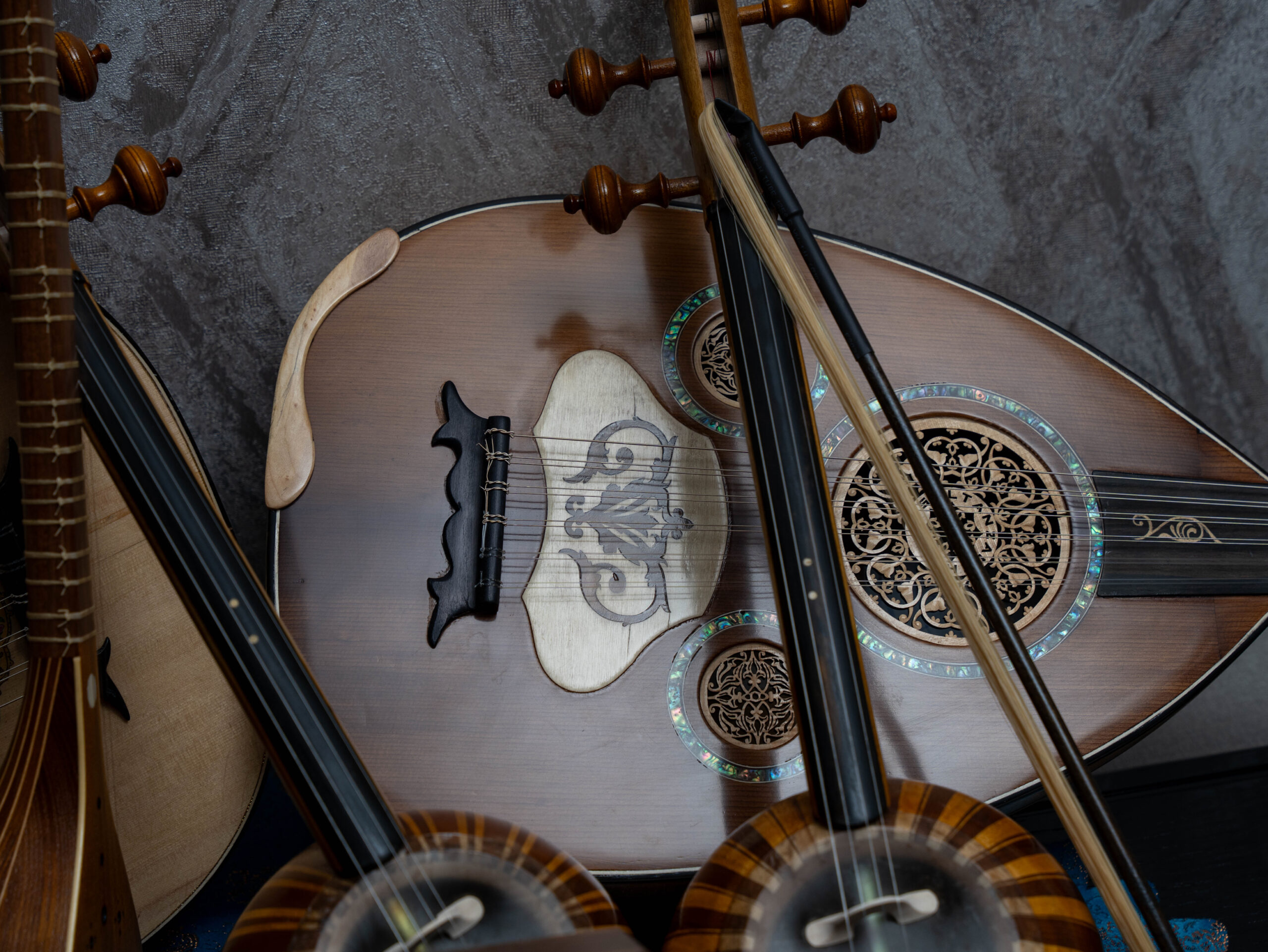
Introduction Music is the universal language of civilizations. From the earliest natural sounds to the most intricate melodies of today, musical instruments have played a crucial role in shaping cultures, rituals, and global artistry. Each instrument carries a story—its roots in history, the hands that crafted it, and the melodies it brings to life. At Art Gulf, we have curated a collection of unique, entirely( handmade )un (mastercrafted) musical instruments, preserving the legacy of civilizations while paving the way for the future of music.
This article explores different types of instruments, their historical significance, the oldest musical instruments in the world, and particularly the instruments rooted in Iran, Omāna, Morocco, Egypt, Ķīna, India, and Italy. Finally, we discuss their value as both artistic and financial investments for collectors, musicians, and music scholars.
1.Main Categories of Musical Instruments:
Musical instruments are generally classified into four main categories:
1. String Instruments (Chordophones): Includes Tar, Setar, Oud, Kamancheh, Violin, Qanun, and Santur.
2. Percussion Instruments (Membranophones & Idiophones): Includes Tonbak, Daf, Tabla, and Bendir.
3. Wind Instruments (Aerophones): Includes Ney, Duduk, Sheng (Ķīna), Egyptian Nai, and Indian Shehnai.
4. Keyboard Instruments: Includes the Organ, Harpsichord, and Harmonium.
2. The Oldest Musical Instruments in the World:
1. Ancient Instruments and Their Origins
• Iran: Depictions of string instruments such as the Tar and Kamancheh have been discovered in ancient Persian paintings and seals from the Achaemenid and Parthian eras.
• Egypt: Ancient reliefs in Egyptian temples depict the Ney and Qanun, emphasizing their role in sacred and royal ceremonies.
• China: The Sheng, one of the oldest wind instruments, was crafted over 3,000 years ago.
• India: Instruments like the Sarod and Sitar are among the world’s oldest string instruments, still used in Indian classical music.
• Italy: Italy played a key role in the development of the Violin. Esteemed makers like Stradivarius in the 17th and 18th centuries crafted instruments that remain some of the most valuable in the world.
• Morocco & Oman: Various stringed and percussion instruments have deep connections to Berber and Arabic music traditions.
2. Instruments That Have Stood the Test of Time
• Oud: Originating from Mesopotamia, this versatile instrument inspired many string instruments across the world.
• Qanun: With a history of over 2,000 gadiem, this instrument is central to Middle Eastern, Turkish, and North African music.
• Kamancheh: A bowed string instrument integral to Persian and Central Asian music.
• Santur: With Persian origins, this hammered dulcimer has influenced music from India to Greece and Europe.
• Violin: Emerging from Italy, the violin has become a fundamental instrument in both Western and Eastern classical music.
3. Prominent Musical Instruments by Country
1. Iran
• Tar: Made from mulberry wood and lambskin, known for its deep and expressive tone.
• Setar: A delicate instrument used in Persian Sufi music.
• Kamancheh: A crucial bowed string instrument in Persian music.
• Santur: A trapezoidal hammered dulcimer with 72 strings, producing a mesmerizing sound.
• Tonbak: The principal goblet drum of Persian music, known for its intricate techniques.
2. Oman
• Oud: Crafted from high-quality woods like rosewood and walnut, producing a distinctive sound.
• Omani Daf: A frame drum used in traditional and ceremonial music.
3. Morocco
• Guembri: A plucked string instrument used in Gnawa music.
• Bendir: A large frame drum integral to Moroccan folk music.
4. Egypt
• Egyptian Ney: A reed flute that holds a significant place in Arabic classical music.
• Qanun: A key instrument in Arabic and Middle Eastern classical traditions.
5. China
• Sheng: One of the earliest known wind instruments, still played in traditional Chinese music.
• Guzheng: A zither-like instrument, similar to the Qanun but played with unique techniques. 6. India
• Sitar: A fundamental instrument in Hindustani classical music, known for its unique resonant sound.
• Tabla: A percussion instrument used for intricate rhythmic patterns.
7. Italy
• Violin: First developed in 16th-century Italy, the violin remains one of the most prestigious instruments in global classical music.
4. The Value of Handmade Musical Instruments:
Handmade and mastercrafted instruments not only have great artistic value but also serve as highly valuable investments over time. Factors Affecting the Value of an Instrument.
• Material and craftsmanship (e.g., walnut, rosewood, and mulberry for instruments like the Tar and Oud).
• Handmade quality and artisan skill (Master luthiers often leave a signature or mark on high-end instruments).
• Historical significance and rarity (Antique and limited-edition instruments have increased value).
• Sound quality and international standards (Certain instruments are crafted for professional performances, enhancing their market value).
5. Musical Instruments as a Cultural Investment For Collectors Handmade instruments not only have cultural and historical significance but also appreciate in value over time, making them worthy additions to private collections and museums.
For Musicians and Artists Owning a handmade instrument means possessing a unique tool that offers an unparalleled sound and personal connection to the music.
For Scholars and Enthusiasts Understanding the history and philosophy behind these instruments deepens one’s appreciation and knowledge of music. Conclusion: Music is a bridge that connects the past to the future. Every instrument is an ambassador of civilization, continuing its journey through the hands of today’s artisans and musicians. At Art- Gulf.com, we have gathered a collection of exceptional, handmade musical instruments that are not just historical treasures but also investments in the future of music.
In our sales section, each of these mastercrafted instruments is available with detailed information, valuation, and pricing.
Handicrafts
Handicrafts: From the Heart of Ancient Civilizations to the Investment of the Future Introduction:
A Timeless Legacy in Our Hands Handicrafts are more than just artistic creations—they are reflections of the soul and identity of great civilizations, from Iran, Egypt, India, and China to Oman and Morocco. These ancient arts serve as a bridge between the past and the future, each piece telling a unique story of culture, civilization, and creativity. In today’s world, where mass production dominates, handicrafts hold their ground, not only for their artistic value but also for their economic and investment potential.
The Origins of Handicrafts in Human History The first signs of handicrafts date back to the Paleolithic era, around 30,000 to 40,000 years ago, when early humans used bones, koka, and stones for survival and artistic expression. Tomēr, the earliest documented artistic and handcrafted works belong to 10,000 to 12,000 years ago, when great civilizations like Sumer, Ancient Egypt, Persia, Ķīna, and India began creating remarkable and lasting artifacts.
The Oldest Handicraft Discoveries in the World:
1. Painted Pottery from Susa (Irāna) – Around 8,000 years ago
2. Stone Seals from Mesopotamia – Over 7,000 years ago
3. Gold Jewelry and Gemstone Art from Ancient Egypt – 5,000 years ago
4. Chinese Silk Weaving – Over 4,500 years ago
5. Intricate Woven Fabrics from India – Over 4,000 years ago
6. Mosaic Pottery from Morocco and Oman – 3,000 years ago.
These discoveries highlight how handicrafts have always played a fundamental role in human civilization, serving not only practical purposes but also acting as cultural and artistic expressions of societies.
Handmade or a Living Art?
Šodien, terms like Handmade or Handicraft are commonly used to describe artisan products, yet these items are much more than just manually crafted objects. They carry the history, culture, and aesthetic philosophy of some of the greatest civilizations. Whether from Iran, Egypt, Morocco, Omāna, India, or China, handicrafts reflect the artistic mastery and unique identity of their origins.
Why Handicrafts from Great Civilizations?
1. Authenticity and Unique Art: Handicrafts from civilizations such as Iran, Egypt, India, Ķīna, Omāna, and Morocco are the result of thousands of years of craftsmanship, filozofija, and artistic excellence.
2. A Valuable Investment: Unlike mass-produced goods, handicrafts not only retain their value over time but often appreciate. Collectors and art investors recognize this market as both secure and promising.
3. The Uniqueness of Every Piece: Each handcrafted item is one-of-a-kind. Owning a miniature Susa pottery, an Indian woven textile, or a Moroccan rug means holding a tangible piece of history and heritage.
4. A Link to Civilizations: We are the ambassadors of the world’s ancient civilizations. Handicrafts serve as a universal language, connecting people through time and culture.
The Global Market and the Future of Handicrafts With the rising demand for sustainable and authentic art, handicrafts have attracted increasing attention from investors and collectors. While digital art and NFTs are on the rise, physical handicrafts remain irreplaceable, maintaining their strong position among galleries, collectors, and art enthusiasts. Šodien, purchasing handicrafts is not only an artistic choice but also a strategic financial investment.
Conclusion: A Bridge Between Art, Investment, and the Future We are witnessing a global return to authenticity. In a world that seeks deeper connections with history, art, and culture, handicrafts remain among the most valuable assets one can invest in. Whether you are a seasoned collector or an investor searching for a dynamic and appreciating market, handicrafts from the world’s greatest civilizations open the door to beauty, value, and timeless craftsmanship.
On our platform: Art-Gulf.com you will not only experience living art but also gain the opportunity to explore and invest in the eternal world of handicrafts.

Carpet
Carpet: A Unique Jewel from the Heart of History, for Your Future
A Masterpiece, An Investment, A Timeless Legacy We have come from the heart of ancient civilizations to shape your future. What lies before you is not just a carpet—it is thousands of years of art, culture, and human civilization woven into every thread. Our carpets are not newly created; they have been centuries in the making.
Every knot is a continuation of a journey that began in the empires of antiquity, flourished under the Safavid dynasty, and has been passed down through generations of master artisans. Owning one of these carpets means becoming the custodian of a living history.
A Singular Piece of History, in Your Hands In a world where rarity defines true value, each of these carpets is one of a kind. No two pieces are alike, and each carries a unique story within its intricate patterns. Once sold, they will never be available again. These are not just carpets—they are ambassadors of civilization.
They have journeyed through the courts of Persian kings, adorned palaces, and stood as testaments to the brilliance of Iranian craftsmanship. Now, they stand before you, offering the chance to own an irreplaceable masterpiece. Value That Increases Over Time What makes a Persian carpet a priceless asset?
• A handcrafted work of art, not a mass-produced item.
• A one-of-a-kind masterpiece, not a replicated design.
• An investment that appreciates over time, not a fleeting purchase.
Just as paintings by Da Vinci and Rembrandt gain value with time, authentic Persian carpets are treasures that only grow more valuable with each passing year. An Exclusive Club, for Those Who Understand True Value This collection is reserved for individuals who recognize the depth of art, heritage, and timeless worth. You are not just a buyer—you are a guardian of cultural legacy. Your Last Chance to Own a Historic Masterpiece With each passing day, another one of these masterpieces leaves our collection forever. If you are ready to own a piece of history and secure an asset of lasting value, do not let this moment pass.
In Art-Gulf.com ,This is not just a purchase—this is a choice for eternity. We have come from the heart of ancient civilizations to shape your future.
I’ve been Curaturing since 1999
We invite artists, leading galleries, renowned collectors, and investors from around the world to join us on this unique platform—where art reaches its true value.


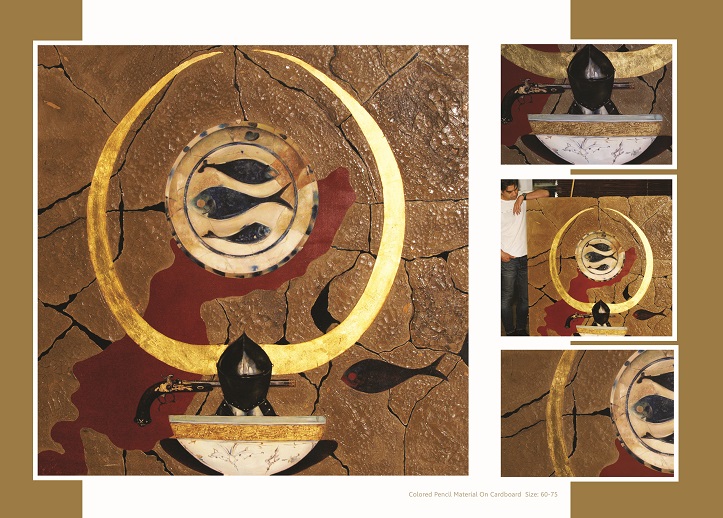
Meistars Ahmads Najafi | Gleznotājs & Konceptuālais mākslinieks – no Teherānas līdz globālajai mākslas ainai .Ahmads Najafi ir vizionārs Irānas mākslinieks, kura ceļojums glezniecībā un zīmēšanā sākās pusaudža gados Teherānā. Ar aizraušanos, kas izturējusi gadu desmitiem, viņš ir izveidojis unikālu balsi dažādos mākslas stilos, ieskaitot konceptuālo, abstrakts, sirreālists, un reālistiskas izpausmes. Viņa mākslas darbi ir veidoti, izmantojot plašu metožu un materiālu klāstu — sākot no eļļas krāsas, pasteļi, krāsaini zīmuļi, ogles, guaša, un zelta lapa, uz audekliem, koka, un tradicionālajiem Irānas audumiem. Katrs gabals atspoguļo dziļu emocionālo kodolu, poētiska saikne starp iekšējo pieredzi un ārējo formu. Kopš 1999, Meistars Najafi ir aktīvi mācījis glezniecību savā privātajā studijā, kur viņš ir apmācījis un iedvesmojis jaunu mākslas mīļotāju paaudzi. Ar lielu lepnumu, viņš ir iepazīstinājis daudzus studentus ar tēlotājmākslas pasauli — ne tikai Irānā, bet arī visā pasaulē. Izmantojot tiešsaistes un virtuālās nodarbības, viņš ir strādājis ar studentiem no Austrālijas, Kanāda, Apvienotā Karaliste, ASV, Turcija, Apvienotie Arābu Emirāti, Omāna, Kuveita, un daudzas citas valstis. Viņš ir vadījis arī klātienes darbnīcas, tostarp sesijas tradicionālo aristokrātisko ģimeņu locekļiem arābu pasaules daļās. Najafi gleznas ir izstādījuši un iegādājušies kolekcionāri un galerijas visā pasaulē. Līdz šim, simtiem viņa oriģināldarbu — katrs ar savu stāstījumu un garu — ir iegādāti vai pasūtīti starptautiski, un tiek rādītas privātās galerijās tādās valstīs kā AAE, Omāna, Katara, Kuveita, Apvienotā Karaliste, ASV, Ķīna, Japāna, Austrālija, Turcija, Krievija, Itālija, Spānija, un tālāk. Viņa darbi tiek apbrīnoti ne tikai to estētiskā skaistuma dēļ, bet arī kā kolekcionējami ieguldījumi, ko mīl mākslas entuziasti un profesionāli kolekcionāri.. Mēs esam ieradušies no seno civilizāciju sirds jūsu nākotnē — un meistars Ahmads Najafi ir viens no šī ceļojuma iedvesmojošākajiem vēstniekiem..

“Šajā īslaicīgajā pasaulē, nevienas īpašumtiesības nav pastāvīgas; iespēja izbaudīt šos unikālos dārgumus mums ir pagājusi cauri, un tagad ir jūsu kārta iegūt, skat, pieskarties, un dalīties ar šiem vērtīgajiem mākslas darbiem ar nākamajām paaudzēm.

Meistars Rasulians | Koka inkrustācijas meistars (Moarraq) un Relief Carving — no mūžīgām saknēm līdz globāliem šedevriem, meistars Rasulians, dzimis Irānā, nāk no ģimenes, kas dziļi sakņojas mākslas tradīcijās. Uzaudzis mājsaimniecībā, kur ar rokām austi paklāji bija ģimenes mantojums un tradicionālās mūzikas melodijas un vokāls piepildīja gaisu, viņa aizraušanās ar mākslu tika audzināta jau no agras bērnības. Viņš cieši iepazinās ar katru ar rokām darinātu paklāju ražošanas posmu un attīstīja izcilas prasmes dažādos šī amatniecības aspektos.. Šī dziļā saikne ar tradicionālo mākslu lika viņam iegūt formālu izglītību rokdarbu jomā. In 2005, viņš beidzis tehniskās mākslas skolu un vēlāk ieguvis bakalaura grādu paklāju dizainā, padziļinot gan viņa akadēmisko, gan māksliniecisko izpratni. Viņa saskarsme ar paklāju rakstu sarežģīto ģeometriju un klasisko glezniecības estētiku viņu dabiski piesaistīja koka inkrustācijas pasaulei. (Moarraq) un reljefa grebšana (Monabata). Kopš tā laika, Meistars Rasulians ir radījis simtiem ievērojamu darbu, sākot no koka inkrustācijas paneļiem un sarežģīti grebtām mēbelēm līdz grezniem dekoratīviem galdiem. Katrs viņa skaņdarbs ir unikāls tradīciju sakausējums, personiskā izpausme, un izsmalcināta tehnika. Viņa šedevri ar lepnumu tika eksportēti uz valstīm, tostarp Apvienotajiem Arābu Emirātiem, Kuveita, Katara, Apvienotā Karaliste, ASV, un daudzi citi, un atraduši mājas privātās galerijās un prestižās kolekcijās visā pasaulē. nViņa māksla kalpo kā tilts starp krāšņo pagātni un radošo nākotni globālajā mākslā — darbi, kas ne tikai iedveš kokam dzīvību, bet arī poētiski pauž skaistumu., harmoniju, un noturīgais cilvēces gars visās civilizācijās un kultūrās. Mēs esam nākuši no seno civilizāciju sirds, lai veidotu jūsu nākotni — un meistars Rasulians ir viena no šī mūžīgā ceļojuma ilgstošajām balsīm..

Meistars Hoseins Bišejs | Vijoles, kas runā, Ne tikai Skaņa
Meistars Hoseins Biše’i dzimis Teherānā — pilsētā, kur skaņa dzīvo pašā dzīves struktūrā — vairāk nekā trīs gadu desmitus ir veltījis tīras mūzikas formas meklējumiem.. Sākot savu ceļojumu iekšā 1986 ar santura izstrādi, viņš vēlāk izpētīja darvu, un kopš tā laika 2003, viņš ir pilnībā veltījis savu amatu vijolei — Rietumu instrumentam, kas viņa rokās atdzimis gan kā skaņas, gan mākslas objekts. Katrs viņa instruments ir pilnībā roku darbs. No rūpīgi atlasītiem mežiem līdz akustiski izsmalcinātām detaļām, Bishe’i rada meistarīgi konstruētas vijoles — gabalus, kas konkurē ar kvalitāti, kas atrodama tikai dažās darbnīcās visā pasaulē.. Viņa darbi ir pārsnieguši robežas. Hoseina Biše’i vijoles ir sasniegušas zinošus mūziķus un kolekcionārus Apvienotajos Arābu Emirātos, Katara, Kuveita, Spānija, Itālija, Apvienotā Karaliste, Kanāda, ASV, un tālāk. Šodien, viņa instrumenti tiek spēlēti piecos kontinentos, katram ir unikāla balss — dzirdams mākslinieka, kurš to veidojis, paraksts. Meistaram Bishe’i, vijole nav tikai instruments, bet gara trauks. Viņa amats ir dialogs ar koku — kādreiz dzīvojošu koku pārtapšana mūžīgas skaņas traukos. Tie nav tikai instrumenti. Tie ir mākslas darbi. Tās ir balsis. Un katru reizi, kad tiek spēlēta kāda no viņa vijolēm, tas atbalsojas ne tikai piezīmē, bet solījums: "Mēs esam nākuši no seno civilizāciju sirds uz jūsu nākotni."
uz drīzu tikšanos

Jašārs Malfouzi Mani sauc Yashar Malfouzi (1978) un es esmu dzimis Tebrizā, Irāna, ģimenē, kas pilnībā nodarbojās ar rokām darinātu paklāju un paklāju ražošanu un izplatīšanu, priekš 4 paaudzes. Mani ļoti interesēja paklāju māksla jau no paša bērnības sākuma, un gadu vecumā 12, Es ieguvu meistara statusu paklāju aušanā; un iemācījās visu aušanu, remonta un pat krāsošanas procesi. Gadu vecumā 15, Es sāku veidot reljefu un 3D rakstus uz paklājiem un paklājiem, izmantojot pašmācības metodes. Lai turpinātu savas mācības, zināšanas un paņēmieni, gadā iestājos universitātē 2011, un varēja absolvēt ar izcilību, tikai iekšā 6 semestrus, no Mākslas universitātes, ar Paklāju dizaina mākslas grādu. Pēc tam, turpināt izglītību un bagātināt zināšanas, I started a master's degree in Arts History, kuru pabeidzu ar izcilību un saņēmu Valsts mākslas grādu. Arī mani darbi ir ierindoti pirmajā vietā: Islāma darba radošuma un inovāciju festivāls, Rashidi festivāls, Top Paklāju festivāls Tebrizā (divus gadus pēc kārtas). Pēdējā 25 gadiem, Esmu komercializējies 30,000 paklāji un pledi un kopš gada 2011, Esmu sācis iesniegt savus unikālos mākslinieciskos paklājus dažādās pasaules malās. Jāpiebilst, ka mani darbi ir pilnībā roku darbs tradicionālā veidā, un katram darbam ir sava unikālā nozīme, kas ir iestrādāts uz paklāju reljefa raksta. Šiem paklājiem ir dekoratīvs mērķis un tie ir piestiprināti pie sienas. Šie reljefi paklāji ar 3D virsmas rakstu, ir nosūtīti uz ASV, Kanāda, Šveice, Japāna, Katara, Kuveita, Apvienotie Arābu Emirāti, Vācija un vairākas citas valstis.