




Musical Intrusmants
Musical Instruments: A Bridge from the Heart of History to the Future of Art
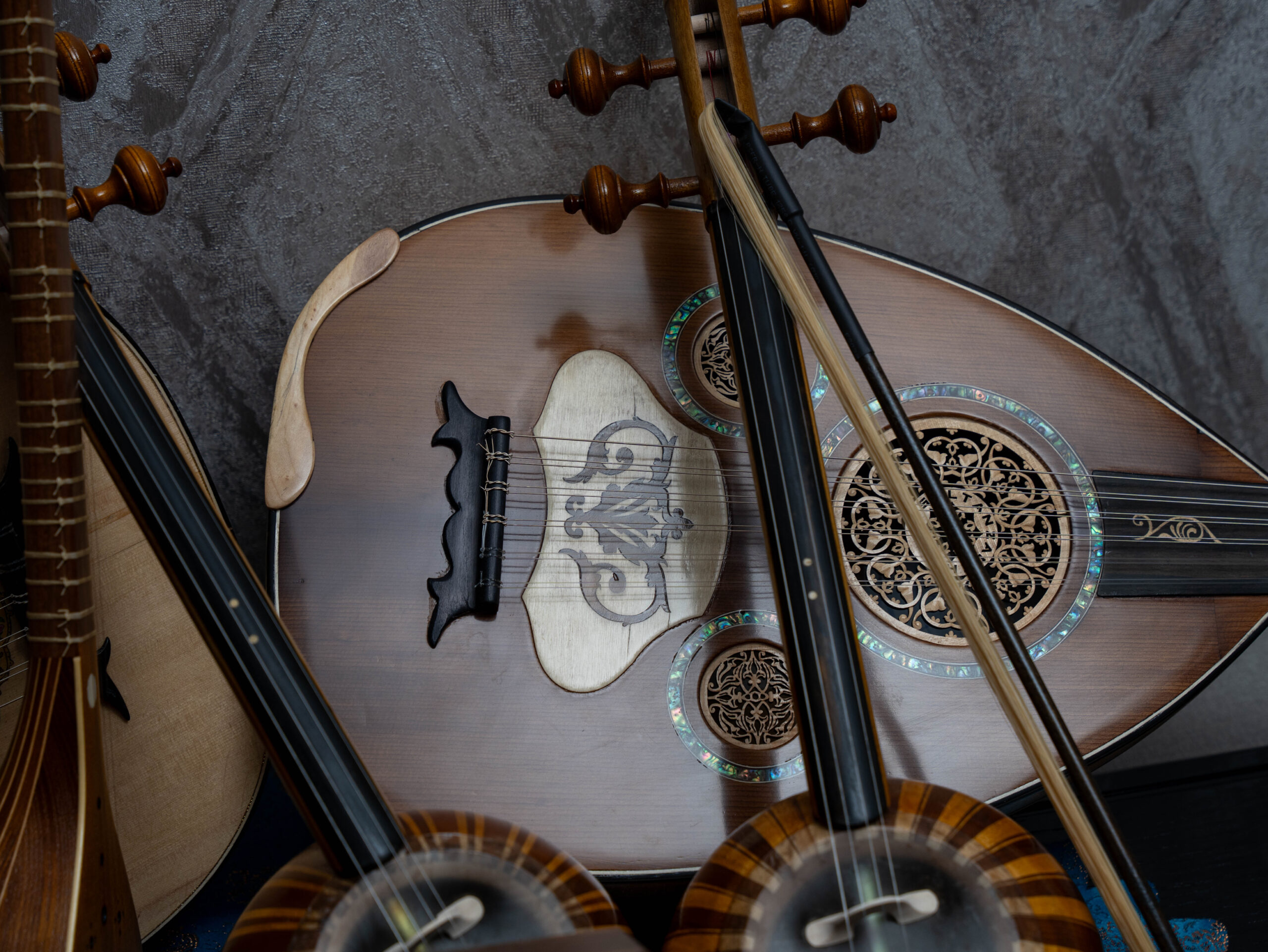
Introduction Music is the universal language of civilizations. From the earliest natural sounds to the most intricate melodies of today, musical instruments have played a crucial role in shaping cultures, rituals, and global artistry. Each instrument carries a story—its roots in history, the hands that crafted it, and the melodies it brings to life. At Art Gulf, we have curated a collection of unique, entirely( handmade )an an (mastercrafted) musical instruments, preserving the legacy of civilizations while paving the way for the future of music.
This article explores different types of instruments, their historical significance, the oldest musical instruments in the world, and particularly the instruments rooted in Iran, Oman, Morocco, Egypt, China, India, and Italy. Finally, we discuss their value as both artistic and financial investments for collectors, musicians, and music scholars.
1.Main Categories of Musical Instruments:
Musical instruments are generally classified into four main categories:
1. String Instruments (Chordophones): Includes Tar, Setar, Oud, Kamancheh, Violin, Qanun, and Santur.
2. Percussion Instruments (Membranophones & Idiophones): Includes Tonbak, Daf, Tabla, and Bendir.
3. Wind Instruments (Aerophones): Includes Ney, Duduk, Sheng (China), Egyptian Nai, and Indian Shehnai.
4. Keyboard Instruments: Includes the Organ, Harpsichord, and Harmonium.
2. The Oldest Musical Instruments in the World:
1. Ancient Instruments and Their Origins
• Iran: Depictions of string instruments such as the Tar and Kamancheh have been discovered in ancient Persian paintings and seals from the Achaemenid and Parthian eras.
• Egypt: Ancient reliefs in Egyptian temples depict the Ney and Qanun, emphasizing their role in sacred and royal ceremonies.
• China: The Sheng, one of the oldest wind instruments, was crafted over 3,000 years ago.
• India: Instruments like the Sarod and Sitar are among the world’s oldest string instruments, still used in Indian classical music.
• Italy: Italy played a key role in the development of the Violin. Esteemed makers like Stradivarius in the 17th and 18th centuries crafted instruments that remain some of the most valuable in the world.
• Morocco & Oman: Various stringed and percussion instruments have deep connections to Berber and Arabic music traditions.
2. Instruments That Have Stood the Test of Time
• Oud: Originating from Mesopotamia, this versatile instrument inspired many string instruments across the world.
• Qanun: With a history of over 2,000 Joer, this instrument is central to Middle Eastern, tierkesch, and North African music.
• Kamancheh: A bowed string instrument integral to Persian and Central Asian music.
• Santur: With Persian origins, this hammered dulcimer has influenced music from India to Greece and Europe.
• Violin: Emerging from Italy, the violin has become a fundamental instrument in both Western and Eastern classical music.
3. Prominent Musical Instruments by Country
1. Iran
• Tar: Made from mulberry wood and lambskin, known for its deep and expressive tone.
• Setar: A delicate instrument used in Persian Sufi music.
• Kamancheh: A crucial bowed string instrument in Persian music.
• Santur: A trapezoidal hammered dulcimer with 72 strings, producing a mesmerizing sound.
• Tonbak: The principal goblet drum of Persian music, known for its intricate techniques.
2. Oman
• Oud: Crafted from high-quality woods like rosewood and walnut, producing a distinctive sound.
• Omani Daf: A frame drum used in traditional and ceremonial music.
3. Morocco
• Guembri: A plucked string instrument used in Gnawa music.
• Bendir: A large frame drum integral to Moroccan folk music.
4. Egypt
• Egyptian Ney: A reed flute that holds a significant place in Arabic classical music.
• Qanun: A key instrument in Arabic and Middle Eastern classical traditions.
5. China
• Sheng: One of the earliest known wind instruments, still played in traditional Chinese music.
• Guzheng: A zither-like instrument, similar to the Qanun but played with unique techniques. 6. India
• Sitar: A fundamental instrument in Hindustani classical music, known for its unique resonant sound.
• Tabla: A percussion instrument used for intricate rhythmic patterns.
7. Italy
• Violin: First developed in 16th-century Italy, the violin remains one of the most prestigious instruments in global classical music.
4. The Value of Handmade Musical Instruments:
Handmade and mastercrafted instruments not only have great artistic value but also serve as highly valuable investments over time. Factors Affecting the Value of an Instrument.
• Material and craftsmanship (e.g., walnut, rosewood, and mulberry for instruments like the Tar and Oud).
• Handmade quality and artisan skill (Master luthiers often leave a signature or mark on high-end instruments).
• Historical significance and rarity (Antique and limited-edition instruments have increased value).
• Sound quality and international standards (Certain instruments are crafted for professional performances, enhancing their market value).
5. Musical Instruments as a Cultural Investment For Collectors Handmade instruments not only have cultural and historical significance but also appreciate in value over time, making them worthy additions to private collections and museums.
For Musicians and Artists Owning a handmade instrument means possessing a unique tool that offers an unparalleled sound and personal connection to the music.
For Scholars and Enthusiasts Understanding the history and philosophy behind these instruments deepens one’s appreciation and knowledge of music. Conclusion: Music is a bridge that connects the past to the future. Every instrument is an ambassador of civilization, continuing its journey through the hands of today’s artisans and musicians. At Art- Gulf.com, we have gathered a collection of exceptional, handmade musical instruments that are not just historical treasures but also investments in the future of music.
In our sales section, each of these mastercrafted instruments is available with detailed information, valuation, and pricing.
Handicrafts
Handicrafts: From the Heart of Ancient Civilizations to the Investment of the Future Introduction:
A Timeless Legacy in Our Hands Handicrafts are more than just artistic creations—they are reflections of the soul and identity of great civilizations, from Iran, Egypt, India, and China to Oman and Morocco. These ancient arts serve as a bridge between the past and the future, each piece telling a unique story of culture, civilization, and creativity. In today’s world, where mass production dominates, handicrafts hold their ground, not only for their artistic value but also for their economic and investment potential.
The Origins of Handicrafts in Human History The first signs of handicrafts date back to the Paleolithic era, around 30,000 to 40,000 years ago, when early humans used bones, hëlze, and stones for survival and artistic expression. However, the earliest documented artistic and handcrafted works belong to 10,000 to 12,000 years ago, when great civilizations like Sumer, Ancient Egypt, Persia, China, and India began creating remarkable and lasting artifacts.
The Oldest Handicraft Discoveries in the World:
1. Painted Pottery from Susa (Iran) – Around 8,000 years ago
2. Stone Seals from Mesopotamia – Over 7,000 years ago
3. Gold Jewelry and Gemstone Art from Ancient Egypt – 5,000 years ago
4. Chinese Silk Weaving – Over 4,500 years ago
5. Intricate Woven Fabrics from India – Over 4,000 years ago
6. Mosaic Pottery from Morocco and Oman – 3,000 years ago.
These discoveries highlight how handicrafts have always played a fundamental role in human civilization, serving not only practical purposes but also acting as cultural and artistic expressions of societies.
Handmade or a Living Art?
Haut, terms like Handmade or Handicraft are commonly used to describe artisan products, yet these items are much more than just manually crafted objects. They carry the history, Kultur, and aesthetic philosophy of some of the greatest civilizations. Whether from Iran, Egypt, Morocco, Oman, India, or China, handicrafts reflect the artistic mastery and unique identity of their origins.
Why Handicrafts from Great Civilizations?
1. Authenticity and Unique Art: Handicrafts from civilizations such as Iran, Egypt, India, China, Oman, and Morocco are the result of thousands of years of craftsmanship, Philosophie, and artistic excellence.
2. A Valuable Investment: Unlike mass-produced goods, handicrafts not only retain their value over time but often appreciate. Collectors and art investors recognize this market as both secure and promising.
3. The Uniqueness of Every Piece: Each handcrafted item is one-of-a-kind. Owning a miniature Susa pottery, an Indian woven textile, or a Moroccan rug means holding a tangible piece of history and heritage.
4. A Link to Civilizations: We are the ambassadors of the world’s ancient civilizations. Handicrafts serve as a universal language, connecting people through time and culture.
The Global Market and the Future of Handicrafts With the rising demand for sustainable and authentic art, handicrafts have attracted increasing attention from investors and collectors. While digital art and NFTs are on the rise, physical handicrafts remain irreplaceable, maintaining their strong position among galleries, collectors, and art enthusiasts. Haut, purchasing handicrafts is not only an artistic choice but also a strategic financial investment.
Conclusion: A Bridge Between Art, Investment, and the Future We are witnessing a global return to authenticity. In a world that seeks deeper connections with history, art, and culture, handicrafts remain among the most valuable assets one can invest in. Whether you are a seasoned collector or an investor searching for a dynamic and appreciating market, handicrafts from the world’s greatest civilizations open the door to beauty, value, and timeless craftsmanship.
On our platform: Art-Gulf.com you will not only experience living art but also gain the opportunity to explore and invest in the eternal world of handicrafts.

Teppech
Teppech: A Unique Jewel from the Heart of History, for Your Future
A Masterpiece, An Investment, A Timeless Legacy We have come from the heart of ancient civilizations to shape your future. What lies before you is not just a carpet—it is thousands of years of art, Kultur, and human civilization woven into every thread. Our carpets are not newly created; they have been centuries in the making.
Every knot is a continuation of a journey that began in the empires of antiquity, flourished under the Safavid dynasty, and has been passed down through generations of master artisans. Owning one of these carpets means becoming the custodian of a living history.
A Singular Piece of History, in Your Hands In a world where rarity defines true value, each of these carpets is one of a kind. No two pieces are alike, and each carries a unique story within its intricate patterns. Once sold, they will never be available again. These are not just carpets—they are ambassadors of civilization.
They have journeyed through the courts of Persian kings, adorned palaces, and stood as testaments to the brilliance of Iranian craftsmanship. Now, they stand before you, offering the chance to own an irreplaceable masterpiece. Value That Increases Over Time What makes a Persian carpet a priceless asset?
• A handcrafted work of art, not a mass-produced item.
• A one-of-a-kind masterpiece, not a replicated design.
• An investment that appreciates over time, not a fleeting purchase.
Just as paintings by Da Vinci and Rembrandt gain value with time, authentic Persian carpets are treasures that only grow more valuable with each passing year. An Exclusive Club, for Those Who Understand True Value This collection is reserved for individuals who recognize the depth of art, heritage, and timeless worth. You are not just a buyer—you are a guardian of cultural legacy. Your Last Chance to Own a Historic Masterpiece With each passing day, another one of these masterpieces leaves our collection forever. If you are ready to own a piece of history and secure an asset of lasting value, do not let this moment pass.
In Art-Gulf.com ,This is not just a purchase—this is a choice for eternity. We have come from the heart of ancient civilizations to shape your future.
I’ve been Curaturing since 1999
We invite artists, leading galleries, renowned collectors, and investors from around the world to join us on this unique platform—where art reaches its true value.


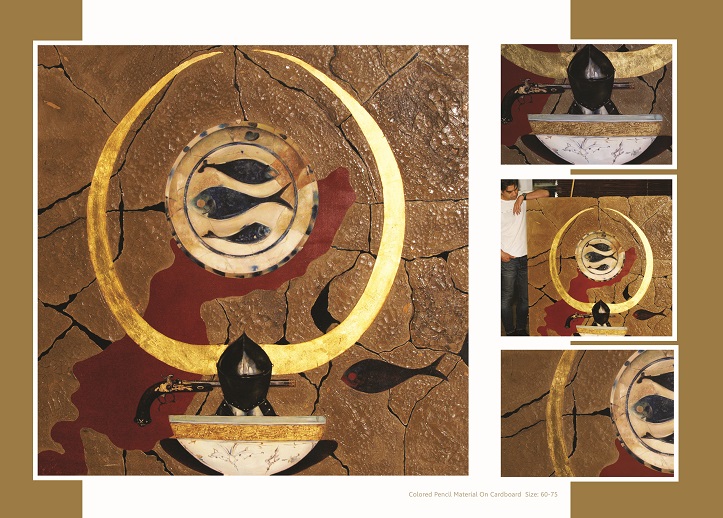
Master Ahmad najaffi | Moler & Conceptual Artist - From Teheran to the Global Art Scene .Ahmad Najafi ass e visionären iranesche Kënschtler deem seng Rees am Molen an Zeechnen a sengen Teenager Joeren zu Teheran ugefaang huet. Mat enger Passioun déi zënter Joerzéngte gedauert huet, hien huet eng eenzegaarteg Stëmm iwwer verschidde artistesch Stiler etabléiert, inklusiv konzeptuellen, abstrakt, surrealistesch, a realistesch Ausdréck. Seng Konschtwierker gi mat enger breet Palette vun Techniken a Materialien erstallt - vun Uelegmolerei, Pastellfarben, faarweg Bläistëfter, Holzkuel, gouache, an Gold Blat, zu Canvasen, hëlze, an traditionell iraneschen Stoffer. All Stéck reflektéiert en déiwe emotionalen Kär, eng poetesch Verbindung tëscht banneschten Erfahrung an baussenzegen Form. Zënter 1999, De Master Najafi huet aktiv Molerei a sengem privaten Atelier geléiert, wou hien eng nei Generatioun vu Konschtliebhaber trainéiert an inspiréiert huet. Mat groussem Stolz, hien huet vill Studenten an d'Welt vun der Konscht agefouert - net nëmmen am Iran awer och weltwäit. Duerch online a virtuell Klassen, hien huet mat Studenten aus Australien geschafft, Kanada, Groussbritannien, den USA, Tierkei, d'Vereenegt Arabesch Emirater, Oman, Kuwait, a vill aner Länner. Hien huet och perséinlech Workshops gefouert, dorënner Sessiounen fir Membere vun traditionell aristokratesch Famillen an Deeler vun der arabescher Welt. Dem Najafi seng Biller goufe vu Sammler a Galerien op der ganzer Welt ausgestallt a kaaft. Fir Datum, Honnerte vu sengen originelle Wierker - jidderee mat senger eegener narrativ a Geescht - goufen international kaaft oder opgestallt, an a private Galerien a Länner wéi d'UAE ugewisen, Oman, Quatar, Kuwait, de UK, USA, China, Japan, Australien, Tierkei, Russland, Italien, Spuenien, an doriwwer eraus. Seng Stécker ginn net nëmme fir hir ästhetesch Schéinheet bewonnert, awer och als Sammlerinvestitioune geschätzt vu Konschtbegeeschterten a professionelle Sammler.. Mir sinn aus dem Häerz vun antike Zivilisatiounen an Är Zukunft komm - a Master Ahmad Najafi ass ee vun den inspiréierendsten Ambassadeure vun dëser Rees.

"An dëser flotter Welt, kee Besëtz ass permanent; d'Méiglechkeet dës eenzegaarteg Schätz ze genéissen ass duerch eis passéiert, an elo ass et Ären Tour ze besëtzen, gesinn, beréieren, an deelt dës wäertvoll Konschtwierker mat zukünftege Generatiounen.

Master Rasoulian | Master vun Holz Inlay (Moarrak) a Relief Carving - Vun Zäitlos Wuerzelen bis Global Masterpieces Master Rasoulian, am Iran gebuer, kënnt aus enger Famill déi déif an d'Traditioune vun der Konscht verwuerzelt ass. Opgewuess an engem Stot, wou handgewéckelt Teppecher de Patrimoine vun der Famill waren an d'Melodien vun traditioneller Musek a Gesang d'Loft gefëllt hunn, seng Leidenschaft fir Konscht gouf vun engem fréien Alter ugefouert. Hie gouf intim vertraut mat all Etapp vun der handgemaachter Teppechproduktioun an huet aussergewéinlech Fäegkeeten an de verschiddenen Aspekter vun dësem Handwierk entwéckelt.. Dës déif Verbindung mat der traditioneller Konscht huet him gefouert fir eng formell Ausbildung am Gebitt vum Handwierk ze maachen. An 2005, hien Diplom vun enger technesch Konscht Schoul a spéider e Bachelor d'Ofschloss am Teppech Design verdéngt, seng akademesch an artistesch Verständnis ze verdéiwen. Seng Belaaschtung fir déi komplex Geometrie vun Teppechmuster a klassesch Molereiästhetik huet hien natierlech an d'Welt vum Holzinlay gezunn (Moarrak) an Relief Carving (Monabbat). Zënterhier, De Master Rasoulian huet Honnerte vu bemierkenswäerte Wierker erstallt - rangéiert vun Holz Inlay Panelen a komplizéiert geschnëtzt Miwwelen bis luxuriéis Zierdëscher. All vu senge Stécker ass eng eenzegaarteg Fusioun vun Traditioun, perséinlechen Ausdrock, a raffinéiert Technik. Seng Meeschterstécker goufen houfreg an Länner dorënner d'Vereenegt Arabesch Emirater exportéiert, Kuwait, Quatar, Groussbritannien, den USA, a vill anerer, an hunn Haiser a private Galerien a prestigiéist Kollektiounen ronderëm d'Welt fonnt. nSeng Konscht déngt als Bréck tëscht enger glorräicher Vergaangenheet an enger kreativer Zukunft an der globaler Kënschtlerschaft - Wierker déi net nëmmen d'Holz Liewen otmen, mee poetesch d'Schéinheet ausdrécken, Harmonie, an den dauerhafte Geescht vun der Mënschheet iwwer Zivilisatiounen a Kulturen. Mir sinn aus dem Häerz vun antike Zivilisatioune komm fir Är Zukunft ze gestalten - a Master Rasoulian ass eng vun den dauerhafte Stëmmen vun dëser zäitloser Rees.

Master Hossein Bishe'i | Violinen déi schwätzen, Net nëmmen Sound
Gebuer zu Teheran - eng Stad wou den Sound am ganz Stoff vum Liewen lieft - huet de Master Hossein Bishe'i iwwer dräi Joerzéngte fir d'Verfollegung vun der purer musikalescher Form gewidmet. Ugefaangen seng Rees an 1986 mam Handwierk vum Santur, hien huet spéider den Teer erfuerscht, an zënter 2003, hien huet säi Handwierk voll der Gei gewidmet - e westlecht Instrument nei gebuer a sengen Hänn als Objet vu Klang a Konscht. Jiddereng vun hiren Instrumenter ass ganz handgemaach. Vu suergfälteg ausgewielte Bëscher bis akustesch raffinéiert Detailer, Bishe'i kreéiert Meeschtesch gebaute Violinen - Stécker déi d'Qualitéit rivaliséieren, déi an nëmmen enger Handvoll Ateliere weltwäit fonnt goufen. Seng Wierker hunn d'Grenzen iwwerschratt. Violine vum Hossein Bishe'i hunn kresend Museker a Sammler an de Vereenten Arabeschen Emirater erreecht, Quatar, Kuwait, Spuenien, Italien, Groussbritannien, Kanada, den USA, an doriwwer eraus. Haut, seng Instrumenter ginn iwwer fënnef Kontinenter gespillt, jidderee mat enger eenzegaarteger Stëmm - eng hörbar Ënnerschrëft vum Kënschtler deen et geformt huet. Fir Master Bishe'i, d'Gei ass net nëmmen en Instrument, awer e Schëff vum Geescht. Säin Handwierk ass en Dialog mam Holz - eng Transformatioun vun eemol liewege Beem an Schëffer vum éiwege Klang. Dëst sinn net nëmmen Instrumenter. Si sinn Konschtwierker. Si sinn Stëmmen. An all Kéier gëtt eng vu senge Gei gespillt, et widderhëlt net nëmmen eng Note, awer e Verspriechen: "Mir sinn aus dem Häerz vun antike Zivilisatiounen an Är Zukunft komm."
bis geschwënn

Yashar Malfouzi Mäin Numm ass Yashar Malfouzi (1978) an ech sinn zu Tabriz gebuer, Iran, an eng Famill déi voll am Geschäft vun der Produktioun an der Verdeelung vun handgemaachte Teppecher an Teppecher engagéiert waren, fir 4 Generatiounen. Ech war ganz vun Ufank vu menger Kandheet un Teppechkonscht interesséiert, an am Alter vun 12, Ech krut mäi Master Status am Teppech Weben; a geléiert all Weben, Reparatur a souguer Fierwe Prozesser. Am Alter vun 15, Ech hunn ugefaang geprägt an 3D Musteren op Teppecher an Teppecher ze maachen, benotzt selbstgeléiert Techniken. Fir mäi Léieren weider ze förderen, Wëssen an Techniken, Ech koum op d'Universitéit am Joer 2011, a konnt mat Éiere ofzeschléissen, nëmmen an 6 Semester, vun Art University, mat Teppech Design Art Grad. Duerno, meng Ausbildung weider ze maachen a mäi Wëssen ze beräicheren, I started a master's degree in Arts History, déi ech mat Éieren ofgeschloss hunn an ech krut den Art Degree vum Staat. Meng Wierker sinn och als éischt klasséiert ginn: Festival vun Kreativitéit an Innovatioun vun islamescher Aarbecht, Rashidi Festival, Top Teppech Festival vun Tabriz (zwee Joer hannereneen). Am leschte 25 Joer, Ech hunn kommerzialiséiert 30,000 Teppecher an Teppecher an zanter dem Joer 2011, Ech hunn ugefaang meng eenzegaarteg artistesch Teppecher a verschiddenen Deeler vun der Welt ofzeginn. Ech wëll drop hiweisen, datt meng Wierker op traditionell Manéier komplett handgemaach ginn, an all Wierk huet seng eege eenzegaarteg Bedeitung, déi op de geprägte Muster vun den Teppecher agebonne gouf. Dës Teppecher hunn dekorativen Zweck a sinn op der Mauer montéiert. Dës geprägte Teppecher mat 3D Uewerflächmuster, an d'USA geschéckt ginn, Kanada, Schwäiz, Japan, Quatar, Kuwait, d'Vereenegt Arabesch Emirater, Däitschland a vill aner Länner.