




Musical Intrusmants
Musical Instruments: A Bridge from the Heart of History to the Future of Art
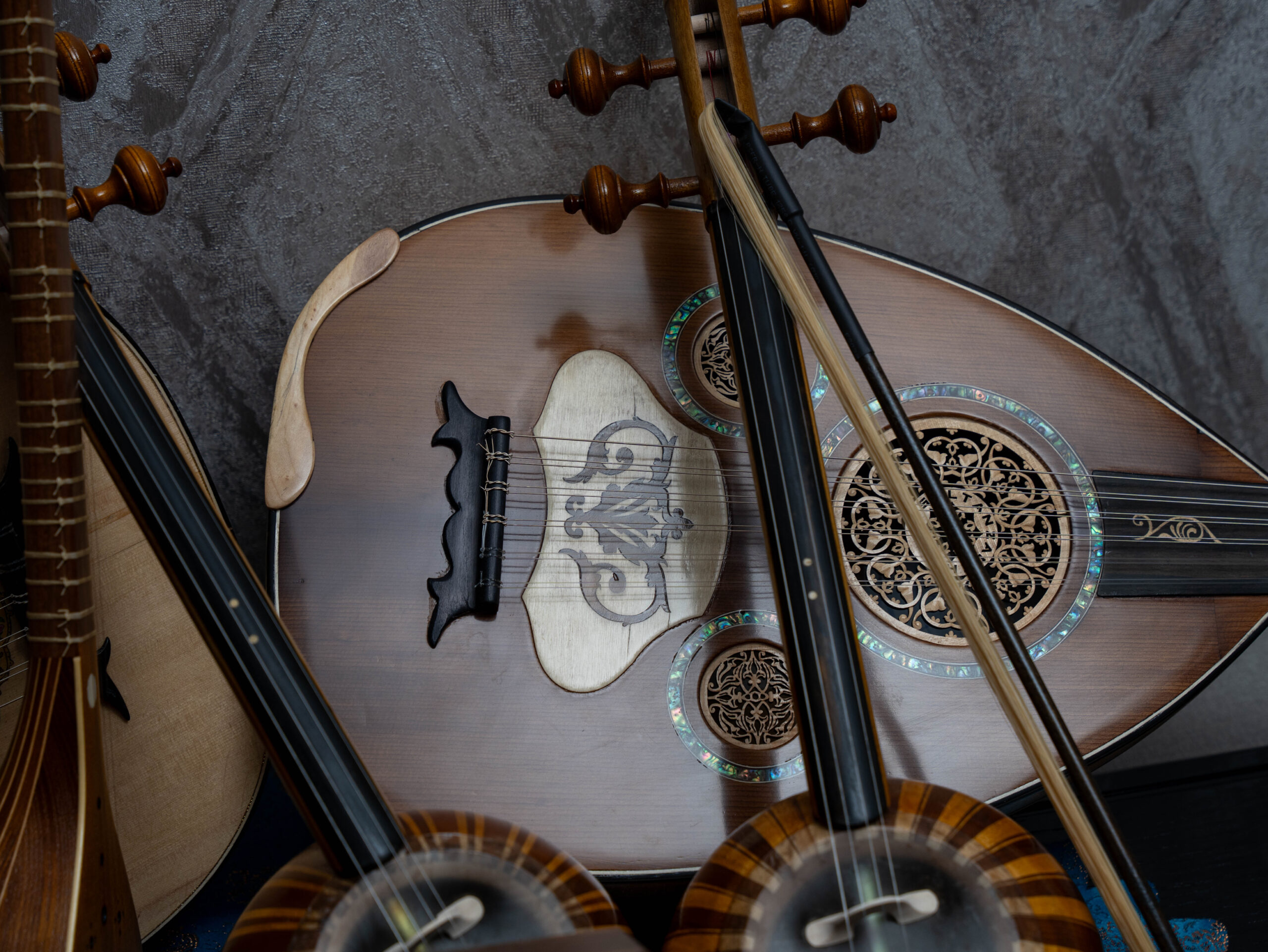
Introduction Music is the universal language of civilizations. From the earliest natural sounds to the most intricate melodies of today, musical instruments have played a crucial role in shaping cultures, rituals, and global artistry. Each instrument carries a story—its roots in history, the hands that crafted it, and the melodies it brings to life. At Art Gulf, we have curated a collection of unique, entirely( handmade )û (mastercrafted) musical instruments, preserving the legacy of civilizations while paving the way for the future of music.
This article explores different types of instruments, their historical significance, the oldest musical instruments in the world, and particularly the instruments rooted in Iran, Uman, Morocco, Egypt, çîn, India, and Italy. Finally, we discuss their value as both artistic and financial investments for collectors, musicians, and music scholars.
1.Main Categories of Musical Instruments:
Musical instruments are generally classified into four main categories:
1. String Instruments (Chordophones): Includes Tar, Setar, Oud, Kamancheh, Violin, Qanun, and Santur.
2. Percussion Instruments (Membranophones & Idiophones): Includes Tonbak, Daf, Tabla, and Bendir.
3. Wind Instruments (Aerophones): Includes Ney, Duduk, Sheng (çîn), Egyptian Nai, and Indian Shehnai.
4. Keyboard Instruments: Includes the Organ, Harpsichord, and Harmonium.
2. The Oldest Musical Instruments in the World:
1. Ancient Instruments and Their Origins
• Iran: Depictions of string instruments such as the Tar and Kamancheh have been discovered in ancient Persian paintings and seals from the Achaemenid and Parthian eras.
• Egypt: Ancient reliefs in Egyptian temples depict the Ney and Qanun, emphasizing their role in sacred and royal ceremonies.
• China: The Sheng, one of the oldest wind instruments, was crafted over 3,000 years ago.
• India: Instruments like the Sarod and Sitar are among the world’s oldest string instruments, still used in Indian classical music.
• Italy: Italy played a key role in the development of the Violin. Esteemed makers like Stradivarius in the 17th and 18th centuries crafted instruments that remain some of the most valuable in the world.
• Morocco & Oman: Various stringed and percussion instruments have deep connections to Berber and Arabic music traditions.
2. Instruments That Have Stood the Test of Time
• Oud: Originating from Mesopotamia, this versatile instrument inspired many string instruments across the world.
• Qanun: With a history of over 2,000 salan, this instrument is central to Middle Eastern, Tirkî, and North African music.
• Kamancheh: A bowed string instrument integral to Persian and Central Asian music.
• Santur: With Persian origins, this hammered dulcimer has influenced music from India to Greece and Europe.
• Violin: Emerging from Italy, the violin has become a fundamental instrument in both Western and Eastern classical music.
3. Prominent Musical Instruments by Country
1. Iran
• Tar: Made from mulberry wood and lambskin, known for its deep and expressive tone.
• Setar: A delicate instrument used in Persian Sufi music.
• Kamancheh: A crucial bowed string instrument in Persian music.
• Santur: A trapezoidal hammered dulcimer with 72 strings, producing a mesmerizing sound.
• Tonbak: The principal goblet drum of Persian music, known for its intricate techniques.
2. Oman
• Oud: Crafted from high-quality woods like rosewood and walnut, producing a distinctive sound.
• Omani Daf: A frame drum used in traditional and ceremonial music.
3. Morocco
• Guembri: A plucked string instrument used in Gnawa music.
• Bendir: A large frame drum integral to Moroccan folk music.
4. Egypt
• Egyptian Ney: A reed flute that holds a significant place in Arabic classical music.
• Qanun: A key instrument in Arabic and Middle Eastern classical traditions.
5. China
• Sheng: One of the earliest known wind instruments, still played in traditional Chinese music.
• Guzheng: A zither-like instrument, similar to the Qanun but played with unique techniques. 6. India
• Sitar: A fundamental instrument in Hindustani classical music, known for its unique resonant sound.
• Tabla: A percussion instrument used for intricate rhythmic patterns.
7. Italy
• Violin: First developed in 16th-century Italy, the violin remains one of the most prestigious instruments in global classical music.
4. The Value of Handmade Musical Instruments:
Handmade and mastercrafted instruments not only have great artistic value but also serve as highly valuable investments over time. Factors Affecting the Value of an Instrument.
• Material and craftsmanship (e.g., walnut, rosewood, and mulberry for instruments like the Tar and Oud).
• Handmade quality and artisan skill (Master luthiers often leave a signature or mark on high-end instruments).
• Historical significance and rarity (Antique and limited-edition instruments have increased value).
• Sound quality and international standards (Certain instruments are crafted for professional performances, enhancing their market value).
5. Musical Instruments as a Cultural Investment For Collectors Handmade instruments not only have cultural and historical significance but also appreciate in value over time, making them worthy additions to private collections and museums.
For Musicians and Artists Owning a handmade instrument means possessing a unique tool that offers an unparalleled sound and personal connection to the music.
For Scholars and Enthusiasts Understanding the history and philosophy behind these instruments deepens one’s appreciation and knowledge of music. Xelasî: Music is a bridge that connects the past to the future. Every instrument is an ambassador of civilization, continuing its journey through the hands of today’s artisans and musicians. At Art- Gulf.com, we have gathered a collection of exceptional, handmade musical instruments that are not just historical treasures but also investments in the future of music.
In our sales section, each of these mastercrafted instruments is available with detailed information, valuation, and pricing.
Handicrafts
Handicrafts: From the Heart of Ancient Civilizations to the Investment of the Future Introduction:
A Timeless Legacy in Our Hands Handicrafts are more than just artistic creations—they are reflections of the soul and identity of great civilizations, from Iran, Egypt, India, and China to Oman and Morocco. These ancient arts serve as a bridge between the past and the future, each piece telling a unique story of culture, civilization, and creativity. In today’s world, where mass production dominates, handicrafts hold their ground, not only for their artistic value but also for their economic and investment potential.
The Origins of Handicrafts in Human History The first signs of handicrafts date back to the Paleolithic era, around 30,000 to 40,000 years ago, when early humans used bones, text, and stones for survival and artistic expression. However, the earliest documented artistic and handcrafted works belong to 10,000 to 12,000 years ago, when great civilizations like Sumer, Ancient Egypt, Persia, çîn, and India began creating remarkable and lasting artifacts.
The Oldest Handicraft Discoveries in the World:
1. Painted Pottery from Susa (Iran) – Around 8,000 years ago
2. Stone Seals from Mesopotamia – Over 7,000 years ago
3. Gold Jewelry and Gemstone Art from Ancient Egypt – 5,000 years ago
4. Chinese Silk Weaving – Over 4,500 years ago
5. Intricate Woven Fabrics from India – Over 4,000 years ago
6. Mosaic Pottery from Morocco and Oman – 3,000 years ago.
These discoveries highlight how handicrafts have always played a fundamental role in human civilization, serving not only practical purposes but also acting as cultural and artistic expressions of societies.
Handmade or a Living Art?
Îro, terms like Handmade or Handicraft are commonly used to describe artisan products, yet these items are much more than just manually crafted objects. They carry the history, culture, and aesthetic philosophy of some of the greatest civilizations. Whether from Iran, Egypt, Morocco, Uman, India, or China, handicrafts reflect the artistic mastery and unique identity of their origins.
Why Handicrafts from Great Civilizations?
1. Authenticity and Unique Art: Handicrafts from civilizations such as Iran, Egypt, India, çîn, Uman, and Morocco are the result of thousands of years of craftsmanship, feylesofî, and artistic excellence.
2. A Valuable Investment: Unlike mass-produced goods, handicrafts not only retain their value over time but often appreciate. Collectors and art investors recognize this market as both secure and promising.
3. The Uniqueness of Every Piece: Each handcrafted item is one-of-a-kind. Owning a miniature Susa pottery, an Indian woven textile, or a Moroccan rug means holding a tangible piece of history and heritage.
4. A Link to Civilizations: We are the ambassadors of the world’s ancient civilizations. Handicrafts serve as a universal language, connecting people through time and culture.
The Global Market and the Future of Handicrafts With the rising demand for sustainable and authentic art, handicrafts have attracted increasing attention from investors and collectors. While digital art and NFTs are on the rise, physical handicrafts remain irreplaceable, maintaining their strong position among galleries, collectors, and art enthusiasts. Îro, purchasing handicrafts is not only an artistic choice but also a strategic financial investment.
Xelasî: A Bridge Between Art, Investment, and the Future We are witnessing a global return to authenticity. In a world that seeks deeper connections with history, art, û çand, handicrafts remain among the most valuable assets one can invest in. Whether you are a seasoned collector or an investor searching for a dynamic and appreciating market, handicrafts from the world’s greatest civilizations open the door to beauty, value, and timeless craftsmanship.
On our platform: Art-Gulf.com you will not only experience living art but also gain the opportunity to explore and invest in the eternal world of handicrafts.

Ferş
Ferş: A Unique Jewel from the Heart of History, for Your Future
A Masterpiece, An Investment, A Timeless Legacy We have come from the heart of ancient civilizations to shape your future. What lies before you is not just a carpet—it is thousands of years of art, culture, and human civilization woven into every thread. Our carpets are not newly created; they have been centuries in the making.
Every knot is a continuation of a journey that began in the empires of antiquity, flourished under the Safavid dynasty, and has been passed down through generations of master artisans. Owning one of these carpets means becoming the custodian of a living history.
A Singular Piece of History, in Your Hands In a world where rarity defines true value, each of these carpets is one of a kind. No two pieces are alike, and each carries a unique story within its intricate patterns. Once sold, they will never be available again. These are not just carpets—they are ambassadors of civilization.
They have journeyed through the courts of Persian kings, adorned palaces, and stood as testaments to the brilliance of Iranian craftsmanship. Now, they stand before you, offering the chance to own an irreplaceable masterpiece. Value That Increases Over Time What makes a Persian carpet a priceless asset?
• A handcrafted work of art, not a mass-produced item.
• A one-of-a-kind masterpiece, not a replicated design.
• An investment that appreciates over time, not a fleeting purchase.
Just as paintings by Da Vinci and Rembrandt gain value with time, authentic Persian carpets are treasures that only grow more valuable with each passing year. An Exclusive Club, for Those Who Understand True Value This collection is reserved for individuals who recognize the depth of art, heritage, and timeless worth. You are not just a buyer—you are a guardian of cultural legacy. Your Last Chance to Own a Historic Masterpiece With each passing day, another one of these masterpieces leaves our collection forever. If you are ready to own a piece of history and secure an asset of lasting value, do not let this moment pass.
In Art-Gulf.com ,This is not just a purchase—this is a choice for eternity. We have come from the heart of ancient civilizations to shape your future.
I’ve been Curaturing since 1999
We invite artists, leading galleries, renowned collectors, and investors from around the world to join us on this unique platform—where art reaches its true value.


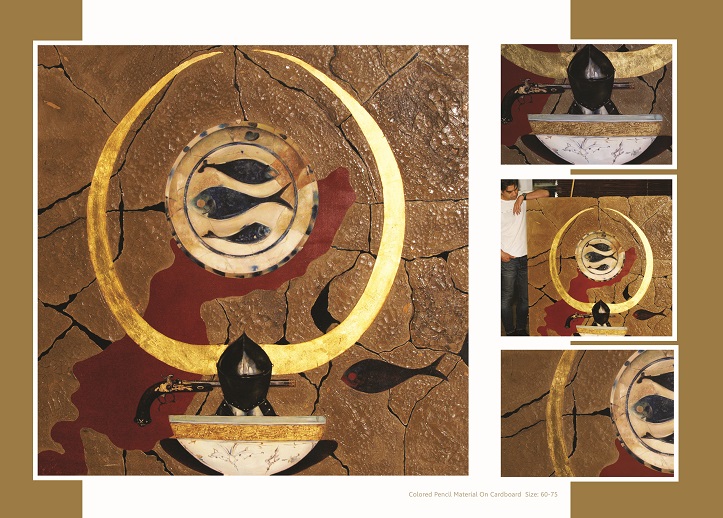
Mamoste Ehmed Necefî | Wênekar & Hunermendê Têgihîştî - Ji Tehranê Berbi Dîmena Hunerê ya Cîhanî. Ehmed Necefî hunermendekî îranî yê xeyalî ye ku rêwîtiya wî di wêne û xêzkirinê de di salên xortaniya wî de li Tehranê dest pê kiriye.. Bi azweriyeke ku bi dehan salan li ber xwe daye, wî dengek bêhempa di nav cûrbecûr şêwazên hunerî de ava kiriye, têgînî jî tê de, veqetî, surrealîst, û îfadeyên realîst. Berhemên wî yên hunerî bi karanîna cûrbecûr teknîk û materyalan têne çêkirin - ji boyaxa rûnê, pastels, pênûsên rengîn, komir, gouache, û pelê zêr, to canvas, text, û qumaşên kevneşopî yên îranî. Her perçeyek navek hestyarî ya kûr nîşan dide, Têkiliyek helbestî ya di navbera ezmûna hundurîn û forma derve de. Ji ber ku 1999, Mamoste Necefî li studyoya xwe ya taybet bi awayekî aktîf mamostetiya wênesaziyê kiriye, ku wî nifşek nû ji hunerhezên xwe perwerde kiriye û îlham daye. Bi serbilindiyeke mezin, wî gelek şagird bi cîhana hunera xweş - ne tenê li Îranê, lê li seranserê cîhanê jî daye naskirin. Bi dersên serhêl û virtual, wî bi xwendekarên ji Australya re kar kiriye, Kanada, Keyaniya Yekbûyî, Dewletên Yekbûyî, Tirkiye, Mîrnişînên Ereb ên Yekbûyî, Uman, Kuwêt, û gelek welatên din. Wî di heman demê de pêşengiya atolyeyên kesane jî kiriye, di nav de danişînên ji bo endamên malbatên arîstokrat ên kevneşopî yên li beşên cîhana erebî. Tabloyên Necefî ji aliyê koleksîyon û galeriyên cîhanê ve hatine pêşandan û wergirtin.. To date, bi sedan berhemên wî yên orîjînal - her yek bi vegotin û ruhê xwe - li qada navneteweyî hatine kirîn an wezîfedar kirin, û li galeriyên taybet ên li welatên wekî UAE têne pêşandan, Uman, Qatar, Kuwêt, UK, USA, çîn, Japonya, Awistrelya, Tirkiye, Rûsya, Îtalya, Îspanya, û li derveyî. Parçeyên wî ne tenê ji ber bedewiya xwe ya estetîkî, lê di heman demê de wekî veberhênanên kolektîf ên ku ji hêla dilxwazên hunerî û koleksiyonên profesyonel ve têne qewirandin têne pejirandin.. Em ji dilê şaristaniyên kevnar hatine paşeroja we - û Mamoste Ehmed Necefî yek ji balyozên herî balkêş ên vê rêwîtiyê ye..

“Li vê dinyaya berbelav, tu xwedîtî ne mayînde ye; derfeta kêfa van xezîneyên bêhempa di nav me de derbas bûye, û niha dora we ye ku hûn xwedî bikin, dîtin, pêbûn, û van berhemên hunerî yên hêja bi nifşên pêşerojê re parve bikin.”

Mamoste Resûliyan | Master of Wood Inlay (Moarraq) û Relief Carving - Ji Rokên Bêdem Berbi Masterpieces Global Master Resoulian, li Îranê ji dayik bûye, ji malbateke bi kûrahî di kevneşopiyên hunerê de hatiye. Di malbatek ku xalîçeyên destçêkirî mîrateya malbatê bûn û melodiyên muzîk û dengbêjên kevneşopî hewa tijî dikirin de mezin bû., azweriya wî ya ji bo hunerê ji zarokatiya xwe de mezin bû. Wî ji nêz ve bi her qonaxên hilberîna xalîçeyên destçêkirî re nas kir û di warên cihêreng ên vê hunerê de jêhatîbûnek bêhempa pêş xist.. Ev girêdana kûr a bi hunerên kevneşopî re bû sedem ku ew di warê hunera destan de perwerdehiya fermî bişopîne. Li 2005, wî dibistana hunerî ya teknîkî qedandiye û paşê bawernameya Bachelor di sêwirana xalîçeyan de wergirtiye, hem têgihiştina xwe ya akademîk û hem jî ya hunerî kûr dike. Ragihandina wî ya li ser geometrîya tevlihev a qalibên xalîçe û estetîka nîgarkêşiya klasîk bi xwezayî ew ber bi cîhana xêzkirina dar ve kişand. (Moarraq) û relief carving (Monabbat). Ji hingê ve, Mamoste Resûliyan bi sedan karên balkêş afirandine - ji panelên darê yên xêzkirî û kelûpelên xêzkirî heta maseyên xemilandî yên luks.. Her perçeyek wî tevliheviyek kevneşopî ya bêhempa ye, îfadeya şexsî, û teknîka paqijkirî. Şarezayên wî bi serbilindî ji welatên Emîrtiyên Ereb ên Yekbûyî re jî hatine şandin, Kuwêt, Qatar, Keyaniya Yekbûyî, Dewletên Yekbûyî, û gelekên din, û li çaraliyê cîhanê di galeriyên taybet û koleksiyonên bi prestîj de xaniyan dîtine. nHunera wî di hunermendiya cîhanî de wekî pirek di navbera paşerojek birûmet û pêşerojek afirîner de kar dike - berhemên ku ne tenê nefesê didin dar, lê bi helbestî bedewiyê îfade dikin., lihevkirinî, û ruhê mayînde yê mirovahiyê di nav şaristanî û çandan de. Em ji dilê şaristaniyên kevnar hatine da ku pêşeroja we şekil bikin - û Mamoste Resûliyan yek ji dengên mayînde yê vê rêwîtiya bêdem e.

Mamoste Husên Bişe’î | Kemanên Ku Diaxivin, Ne Tenê Deng
Mamoste Hossein Bishe'i li Tehranê ji dayik bûye - bajarekî ku deng di tevna jiyanê de dijî - Mamoste Hussein Bishe'i sê dehsalan ji bo peydakirina forma mûzîkê ya paqij terxan kiriye.. Dest bi rêwîtiya xwe dike 1986 bi çêkirina santurê, wî paşê tar lêkolîn kir, û ji ber 2003, wî hunera xwe bi tevahî terxan kiriye kemanê - amûreke rojavayî ku di destên wî de ji nû ve ji nû ve çêbûye, hem wekî tiştek deng û hem jî hunerî.. Her enstrumanên wî bi temamî bi destan hatine çêkirin. Ji daristanên bi baldarî bijartî bigire heya hûrguliyên akustîk ên paqijkirî, Bishe'i kemanên bi hostatî çêkirî diafirîne - perçeyên ku bi kalîteya ku li çaraliyê cîhanê tenê di çend atolyeyên ku têne dîtin de hevrikî dikin.. Berhemên wî sînoran derbas kirine. Kemanên ji hêla Hossein Bishe'i ve gihîştine muzîkjen û berhevkarên navdar li Emîrtiyên Ereb ên Yekbûyî, Qatar, Kuwêt, Îspanya, Îtalya, Keyaniya Yekbûyî, Kanada, Dewletên Yekbûyî, û li derveyî. Îro, enstrumanên wî li pênc parzemînan tên lêxistin, her yek dengek yekta hildigire - îmzayek bihîstbar a hunermendê ku şekil daye wî. Ji bo Mamoste Bişe’î, keman ne tenê amûrek e, lê keştiyek ruh. Pîşesaziya wî diyaloga bi dar re ye - veguhertina darên ku yekcar dijîn li firaxên dengê herheyî. Ev ne tenê amûr in. Ew berhemên hunerî ne. Ew dengbêj in. Û her carê kemanek wî tê lêxistin, ew ne tenê notek vedibêje, lê sozek: "Em ji dilê şaristaniyên kevnar hatine pêşeroja we."
demek nêzik te bibînim

Yashar Malfouzi Navê min Yaşar Malfûzî ye (1978) û ez li Tebrîzê hatime dinyayê, Iran, nav malbateke ku bi temamî bi karê hilberîn û belavkirina xalîçe û xalîçeyên destçêkirî mijûl bûn, bo 4 nifşan. Ez ji destpêka zarokatiya xwe ve bi hunera xalîçeyê re gelek eleqedar bûm, û di temenê 12, Min Statuya xwe ya Mamosteyê di xalîçevaniyê de girt; û fêrî hemû tevniyê bû, pêvajoyên tamîrkirin û heta boyaxkirinê jî. Di temenê 15, Min li ser xalîçe û xalîçeyan dest bi çêkirina qalibên xêzkirî û 3D kir, bikaranîna teknîkên xwe-hînkirinê. Ji bo hînbûna xwe hîn pêşdetir bikim, zanîn û teknîk, Ez di salekê de ketim zanîngehê 2011, û karîbû bi rûmet mezûn bibe, bi tenê 6 semesteran, ji Zanîngeha Hunerê, bi pileya Hunerê sêwirana xalîçeyê. Paşan, xwendina xwe bidomînim û zanîna xwe dewlemend bikim, I started a master's degree in Arts History, ku min bi rûmet qedand û min Dereceya Hunerê ya Dewletê wergirt. Xebatên min jî di rêza yekem de cih girtiye: Festîvala Afirînerî û Nûjeniya Xebata Îslamî, Festîvala Reşîdî, Festîvala Xalîçeyên Top a Tebrîzê (du sal li pey hev). Di dawiyê de 25 salan, Min bazirganî kiriye 30,000 xalîçe û xalîçe û ji sala 2011, Min dest pê kir ku xalîçeyên xwe yên hunerî yên bêhempa pêşkêşî deverên cihêreng ên cîhanê bikim. Divê ez diyar bikim ku karên min bi tevahî bi rengek kevneşopî bi destan hatine çêkirin, û her karek wateya xwe ya taybetî heye, ku li ser qalibê xêzkirî yên xalîçeyan hatiye bicîkirin. Van xalîçeyan xwedî armanca xemilandî ne û li ser dîwêr têne danîn. Van xalîçeyên xêzkirî bi nexşeya rûyê 3D, şandine Amerîkayê, Kanada, Swîsre, Japonya, Qatar, Kuwêt, Mîrnişînên Ereb ên Yekbûyî, Almanya û çend welatên din.