




Musical Intrusmants
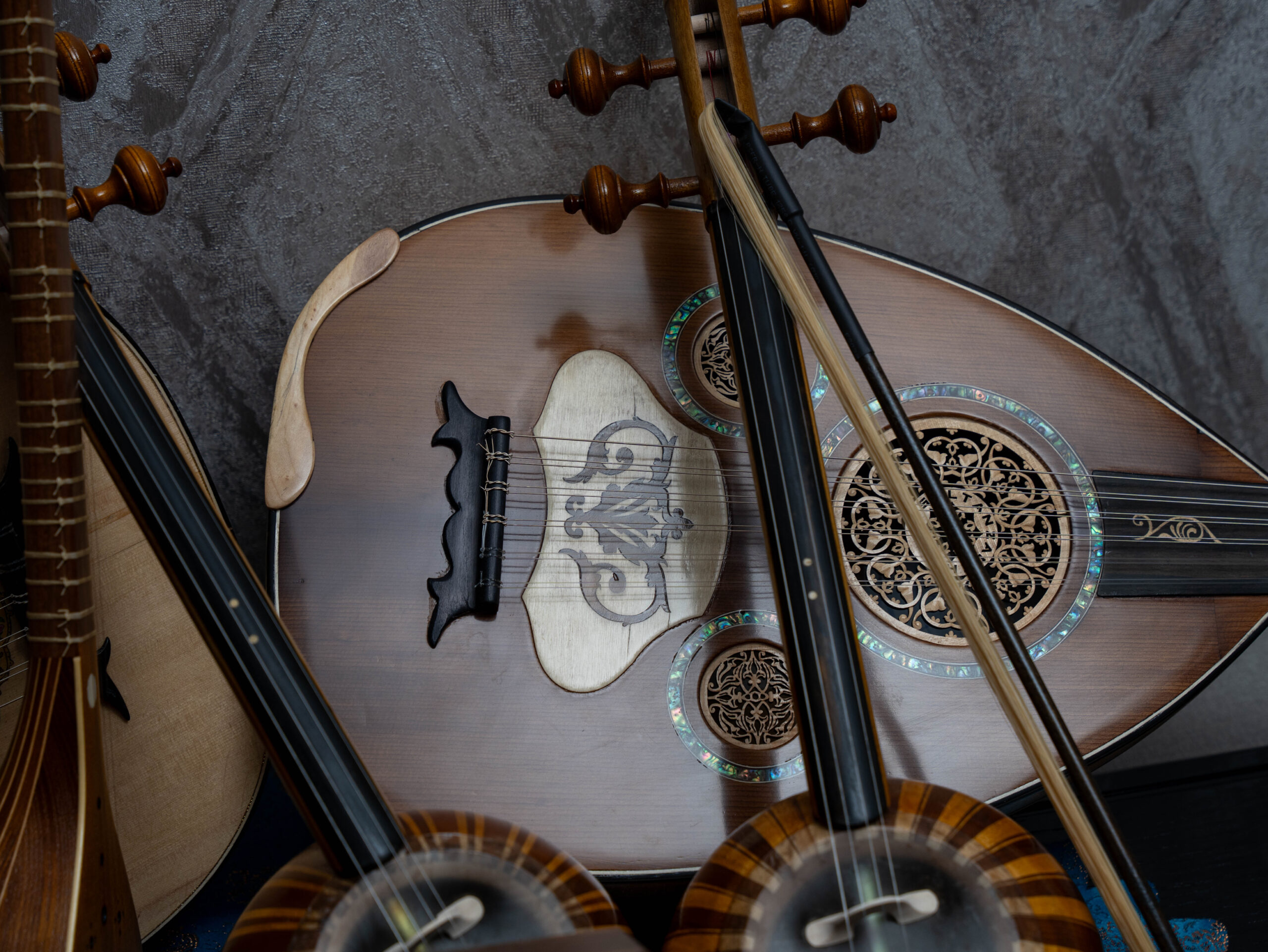
Musical Instruments: A Bridge from the Heart of History to the Future of Art
Introduction Music is the universal language of civilizations. From the earliest natural sounds to the most intricate melodies of today, musical instruments have played a crucial role in shaping cultures, rituals, and global artistry. Each instrument carries a story—its roots in history, the hands that crafted it, and the melodies it brings to life. At Art Gulf, we have curated a collection of unique, entirely( handmade )and (mastercrafted) musical instruments, preserving the legacy of civilizations while paving the way for the future of music.
This article explores different types of instruments, their historical significance, the oldest musical instruments in the world, and particularly the instruments rooted in Iran, Отан, Morocco, Egypt, Қытай, India, and Italy. Finally, we discuss their value as both artistic and financial investments for collectors, musicians, and music scholars.
1.Main Categories of Musical Instruments:
Musical instruments are generally classified into four main categories:
1. String Instruments (Chordophones): Includes Tar, Setar, Oud, Kamancheh, Violin, Qanun, and Santur.
2. Percussion Instruments (Membranophones & Idiophones): Includes Tonbak, Daf, Tabla, and Bendir.
3. Wind Instruments (Aerophones): Includes Ney, Duduk, Sheng (Қытай), Egyptian Nai, and Indian Shehnai.
4. Keyboard Instruments: Includes the Organ, Harpsichord, and Harmonium.
2. The Oldest Musical Instruments in the World:
1. Ancient Instruments and Their Origins
• Iran: Depictions of string instruments such as the Tar and Kamancheh have been discovered in ancient Persian paintings and seals from the Achaemenid and Parthian eras.
• Egypt: Ancient reliefs in Egyptian temples depict the Ney and Qanun, emphasizing their role in sacred and royal ceremonies.
• China: The Sheng, one of the oldest wind instruments, was crafted over 3,000 years ago.
• India: Instruments like the Sarod and Sitar are among the world’s oldest string instruments, still used in Indian classical music.
• Italy: Italy played a key role in the development of the Violin. Esteemed makers like Stradivarius in the 17th and 18th centuries crafted instruments that remain some of the most valuable in the world.
• Morocco & Oman: Various stringed and percussion instruments have deep connections to Berber and Arabic music traditions.
2. Instruments That Have Stood the Test of Time
• Oud: Originating from Mesopotamia, this versatile instrument inspired many string instruments across the world.
• Qanun: With a history of over 2,000 жылға, this instrument is central to Middle Eastern, Түрік, and North African music.
• Kamancheh: A bowed string instrument integral to Persian and Central Asian music.
• Santur: With Persian origins, this hammered dulcimer has influenced music from India to Greece and Europe.
• Violin: Emerging from Italy, the violin has become a fundamental instrument in both Western and Eastern classical music.
3. Prominent Musical Instruments by Country
1. Iran
• Tar: Made from mulberry wood and lambskin, known for its deep and expressive tone.
• Setar: A delicate instrument used in Persian Sufi music.
• Kamancheh: A crucial bowed string instrument in Persian music.
• Santur: A trapezoidal hammered dulcimer with 72 strings, producing a mesmerizing sound.
• Tonbak: The principal goblet drum of Persian music, known for its intricate techniques.
2. Oman
• Oud: Crafted from high-quality woods like rosewood and walnut, producing a distinctive sound.
• Omani Daf: A frame drum used in traditional and ceremonial music.
3. Morocco
• Guembri: A plucked string instrument used in Gnawa music.
• Bendir: A large frame drum integral to Moroccan folk music.
4. Egypt
• Egyptian Ney: A reed flute that holds a significant place in Arabic classical music.
• Qanun: A key instrument in Arabic and Middle Eastern classical traditions.
5. China
• Sheng: One of the earliest known wind instruments, still played in traditional Chinese music.
• Guzheng: A zither-like instrument, similar to the Qanun but played with unique techniques. 6. India
• Sitar: A fundamental instrument in Hindustani classical music, known for its unique resonant sound.
• Tabla: A percussion instrument used for intricate rhythmic patterns.
7. Italy
• Violin: First developed in 16th-century Italy, the violin remains one of the most prestigious instruments in global classical music.
4. The Value of Handmade Musical Instruments:
Handmade and mastercrafted instruments not only have great artistic value but also serve as highly valuable investments over time. Factors Affecting the Value of an Instrument.
• Material and craftsmanship (e.g., walnut, rosewood, and mulberry for instruments like the Tar and Oud).
• Handmade quality and artisan skill (Master luthiers often leave a signature or mark on high-end instruments).
• Historical significance and rarity (Antique and limited-edition instruments have increased value).
• Sound quality and international standards (Certain instruments are crafted for professional performances, enhancing their market value).
5. Musical Instruments as a Cultural Investment For Collectors Handmade instruments not only have cultural and historical significance but also appreciate in value over time, making them worthy additions to private collections and museums.
For Musicians and Artists Owning a handmade instrument means possessing a unique tool that offers an unparalleled sound and personal connection to the music.
For Scholars and Enthusiasts Understanding the history and philosophy behind these instruments deepens one’s appreciation and knowledge of music. Conclusion: Music is a bridge that connects the past to the future. Every instrument is an ambassador of civilization, continuing its journey through the hands of today’s artisans and musicians. At Art- Gulf.com, we have gathered a collection of exceptional, handmade musical instruments that are not just historical treasures but also investments in the future of music.
In our sales section, each of these mastercrafted instruments is available with detailed information, valuation, and pricing.
Handicrafts
Handicrafts: From the Heart of Ancient Civilizations to the Investment of the Future Introduction:
A Timeless Legacy in Our Hands Handicrafts are more than just artistic creations—they are reflections of the soul and identity of great civilizations, from Iran, Egypt, India, and China to Oman and Morocco. These ancient arts serve as a bridge between the past and the future, each piece telling a unique story of culture, civilization, and creativity. In today’s world, where mass production dominates, handicrafts hold their ground, not only for their artistic value but also for their economic and investment potential.
The Origins of Handicrafts in Human History The first signs of handicrafts date back to the Paleolithic era, around 30,000 to 40,000 years ago, when early humans used bones, орман, and stones for survival and artistic expression. However, the earliest documented artistic and handcrafted works belong to 10,000 to 12,000 years ago, when great civilizations like Sumer, Ancient Egypt, Persia, Қытай, and India began creating remarkable and lasting artifacts.
The Oldest Handicraft Discoveries in the World:
1. Painted Pottery from Susa (Иран) – Around 8,000 years ago
2. Stone Seals from Mesopotamia – Over 7,000 years ago
3. Gold Jewelry and Gemstone Art from Ancient Egypt – 5,000 years ago
4. Chinese Silk Weaving – Over 4,500 years ago
5. Intricate Woven Fabrics from India – Over 4,000 years ago
6. Mosaic Pottery from Morocco and Oman – 3,000 years ago.
These discoveries highlight how handicrafts have always played a fundamental role in human civilization, serving not only practical purposes but also acting as cultural and artistic expressions of societies.
Handmade or a Living Art?
Бүгін, terms like Handmade or Handicraft are commonly used to describe artisan products, yet these items are much more than just manually crafted objects. They carry the history, culture, and aesthetic philosophy of some of the greatest civilizations. Whether from Iran, Egypt, Morocco, Отан, India, or China, handicrafts reflect the artistic mastery and unique identity of their origins.
Why Handicrafts from Great Civilizations?
1. Authenticity and Unique Art: Handicrafts from civilizations such as Iran, Egypt, India, Қытай, Отан, and Morocco are the result of thousands of years of craftsmanship, философия, and artistic excellence.
2. A Valuable Investment: Unlike mass-produced goods, handicrafts not only retain their value over time but often appreciate. Collectors and art investors recognize this market as both secure and promising.
3. The Uniqueness of Every Piece: Each handcrafted item is one-of-a-kind. Owning a miniature Susa pottery, an Indian woven textile, or a Moroccan rug means holding a tangible piece of history and heritage.
4. A Link to Civilizations: We are the ambassadors of the world’s ancient civilizations. Handicrafts serve as a universal language, connecting people through time and culture.
The Global Market and the Future of Handicrafts With the rising demand for sustainable and authentic art, handicrafts have attracted increasing attention from investors and collectors. While digital art and NFTs are on the rise, physical handicrafts remain irreplaceable, maintaining their strong position among galleries, жабдықтау жүргізубі, and art enthusiasts. Бүгін, purchasing handicrafts is not only an artistic choice but also a strategic financial investment.
Conclusion: A Bridge Between Art, Investment, and the Future We are witnessing a global return to authenticity. In a world that seeks deeper connections with history, art, and culture, handicrafts remain among the most valuable assets one can invest in. Whether you are a seasoned collector or an investor searching for a dynamic and appreciating market, handicrafts from the world’s greatest civilizations open the door to beauty, value, and timeless craftsmanship.
On our platform: Art-Gulf.com you will not only experience living art but also gain the opportunity to explore and invest in the eternal world of handicrafts.

Кілем
Кілем: A Unique Jewel from the Heart of History, for Your Future
A Masterpiece, An Investment, A Timeless Legacy We have come from the heart of ancient civilizations to shape your future. What lies before you is not just a carpet—it is thousands of years of art, culture, and human civilization woven into every thread. Our carpets are not newly created; they have been centuries in the making.
Every knot is a continuation of a journey that began in the empires of antiquity, flourished under the Safavid dynasty, and has been passed down through generations of master artisans. Owning one of these carpets means becoming the custodian of a living history.
A Singular Piece of History, in Your Hands In a world where rarity defines true value, each of these carpets is one of a kind. No two pieces are alike, and each carries a unique story within its intricate patterns. Once sold, they will never be available again. These are not just carpets—they are ambassadors of civilization.
They have journeyed through the courts of Persian kings, adorned palaces, and stood as testaments to the brilliance of Iranian craftsmanship. Қазір, they stand before you, offering the chance to own an irreplaceable masterpiece. Value That Increases Over Time What makes a Persian carpet a priceless asset?
• A handcrafted work of art, not a mass-produced item.
• A one-of-a-kind masterpiece, not a replicated design.
• An investment that appreciates over time, not a fleeting purchase.
Just as paintings by Da Vinci and Rembrandt gain value with time, authentic Persian carpets are treasures that only grow more valuable with each passing year. An Exclusive Club, for Those Who Understand True Value This collection is reserved for individuals who recognize the depth of art, heritage, and timeless worth. You are not just a buyer—you are a guardian of cultural legacy. Your Last Chance to Own a Historic Masterpiece With each passing day, another one of these masterpieces leaves our collection forever. If you are ready to own a piece of history and secure an asset of lasting value, do not let this moment pass.
In Art-Gulf.com ,This is not just a purchase—this is a choice for eternity. We have come from the heart of ancient civilizations to shape your future.
I’ve been Curaturing since 1999
We invite artists, leading galleries, renowned collectors, and investors from around the world to join us on this unique platform—where art reaches its true value.


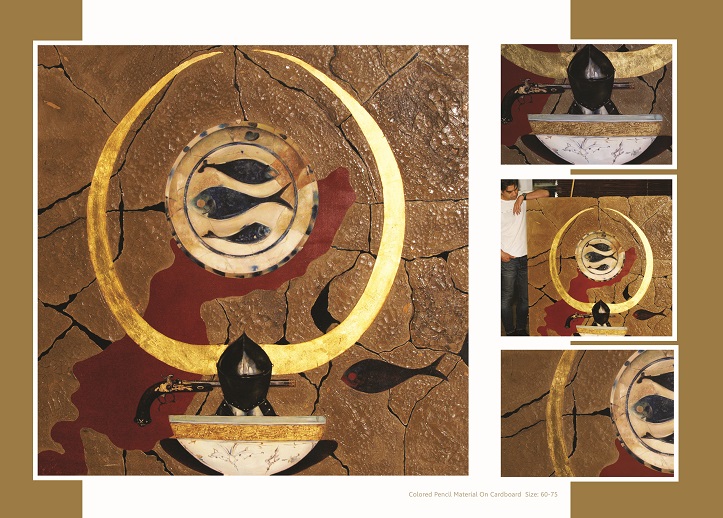
Мастер Ахмад Наджафи | Суретші & Теһранттан жаһандық өнер сахнасына дейін тұжырымдамалық суретші - жаһандық өнер сахнасына дейін. Ондаған жылдар бойы төзімді құмарлықпен, Ол әр түрлі көркемдік стильдерде ерекше дауыс берді, соның ішінде тұжырымдамалық, дерексіз, сюрреалист, және реалистік өрнектер. Оның өнер туындылары көптеген техникалар мен материалдарды пайдаланып, майлы бояудан жасалған, Қыстырлар, Түрлі-түсті қарындаштар, ағаш көмірі, гуаш, және алтын жапырағы, кенепке, орман, және дәстүрлі ирандық маталар. Әр бөлік терең эмоционалды өзекті көрсетеді, Ішкі тәжірибе мен сыртқы формалар арасындағы поэтикалық байланыс. Содан бері 1999, Мастер Наджафи өзінің жеке студиясында кескіндеме бойынша белсенді түрде сабақ берді, онда ол жаңа ұрпақтарды оқыған және шабыттандырған жерде. Үлкен мақтанышпен, Ол көптеген студенттерді Иранда ғана емес, сонымен бірге жаһандық деңгейде де көптеген студенттерді таныстырды. Онлайн және виртуалды сабақтар арқылы, Австралия студенттерімен жұмыс жасады, Канада, Ұлыбритания, Америка Құрама Штаттары, Түйетауық, Біріккен Араб Әмірліктері, Отан, Кувейт, және көптеген басқа елдер. Ол сонымен қатар жеке семинарларды басқарды, оның ішінде араб әлеміндегі дәстүрлі ақсүйектер отбасыларының мүшелері үшін сессиялар. Наджэйдің суреттерін жер шарлары мен галереялары ұсынды және сатып алды. Бүгінгі күнге дейін, жүздеген оның алғашқы шығармалары - әрқайсысы өз баяндауымен және рухымен - халықаралық сатып алынған немесе пайдалануға берілді, және БАӘ сияқты елдерде жеке галереяларда көрсетіледі, Отан, Катар, Кувейт, Ұлыбритания, АҚШ, Қытай, Жапония, Австралия, Түйетауық, Ресей, Италия, Испания, және одан тыс. Оның бөліктері тек эстетикалық сұлулығына ғана емес, сонымен қатар өнерді энтузиастармен және кәсіби коллекционерлермен салыстырғанда жинақталған инвестициялар сияқты таңданады. Біз ежелгі өркениеттердің жүрегінен болашағыңызға келдік - және магистр Ахмад Наджафи - бұл сапардың ең шабыттандыратын елшілерінің бірі.

«Бұл тезірек әлемде, Меншік жоқ жоқ; Осы ерекше қазыналардан ләззат алу мүмкіндігі бізден өтті, Енді бұл сіздің кезегіңіз, көру, тию, Осы құнды өнер туындыларымен болашақ ұрпақтармен бөлісіңіз ».

Мастер Расулян | Ағаштан жасалған магистратура (Моаррак) және бедерлі ою-өрнек - уақыттан тыс тамырлардан бастап шеберлік шеберлерінің шебері Расулян, Иранда туған, өнер дәстүрлеріне терең енген отбасынан шыққан. Қолмен жасалған кілемдер отбасының мұрасы болғандықтан, дәстүрлі музыка мен вокалдың әуендері ауаны толтырды, Оның өнерге деген құштарлығы ерте жастан тәрбиеленген. Ол қолдан жасалған кілем өндірісінің әр кезеңімен жақынырақ танысып, осы қолөнердің түрлі аспектілерінде ерекше шеберлікті дамыта түсті. Дәстүрлі өнерге деген терең байланыс оны қолөнер саласында ресми білім алуға итермеледі. -Да 2005, Техникалық көркемсурет мектебін бітіріп, кейінірек Кілем дизайнында бакалавр дәрежесін алды, өзінің академиялық және көркемдік түсінігілерін тереңдету. Оның кілем үлгілері мен классикалық кескіндеме эстетикасының күрделі геометриясына әсері, оны ағаштардың әлеміне апарады (Моаррак) және рельефті ою (Монаббат). Содан бері, Расулян шебері жүздеген керемет жұмыстарды жасады - ағаштан жасалған панельдерден және сәнді ою-өрнектерден жасалған жиһаздар. Оның әрқайсысы дәстүрдің ерекше үйлесімі болып табылады, Жеке өрнек, және тазартылған техника. Оның шедеврлері біріккен Араб Әмірліктері мен елдерге мақтанышпен экспортталды, Кувейт, Катар, Ұлыбритания, Америка Құрама Штаттары, және басқалары, және бүкіл әлемдегі жеке галереялар мен беделді коллекцияларда үйлер тапты. NHIS ART ғаламдық көркемөнер шығармашылығы мен шығармашылығының арасындағы көпір ретіндегі көпір ретіндегі, бұл ағашқа дем шығарып қана қоймай, өлеңсіз сұлулық, ұнасым, және өркениеттер мен мәдениеттердегі адамзаттың төзімділігі. Біз ежелгі өркениеттердің жүрегінен болашағыңызды қалыптастыру үшін келдік - және Расулян шебері - осы уақытсыз сапардың соңғы дауыстарының бірі.

Мастер Хоссейн Бишей | Сөйлейтін скрипкалар, Дыбыс емес
Тегеран қаласында дүниеге келген, онда өмір сүретін қалада дүниеге келген, онда өмір шебері Хоссейн Бишеи үш онжылдықтан астам уақыт бойы таза музыкалық формаға арналды. Сапарын бастаңыз 1986 Сантурдың қолөнерімен, Кейін ол лақтырды, содан бері 2003, Ол өзінің қолөнерін скракт-батыс құралы - батыстық аспапқа өз қолында, сонымен қатар дыбыс пен өнердің объектісі ретінде аралады. Оның әр құралының әрқайсысы толығымен қолмен жасалған. Абайлап таңдалған ормандардан дыбыстық тазартылған мәліметтерге дейін, Бишей бүкіл әлемдегі бірнеше бірнеше семинарлардан табылған игер-мазардан жасалған кесектерді жасайды. Оның шығармалары шекарадан өтті. Хоссейн Бишейдің скрипкалары Біріккен Араб Әмірліктеріндегі беделді музыканттар мен коллекционерлерге жетті, Катар, Кувейт, Испания, Италия, Ұлыбритания, Канада, Америка Құрама Штаттары, және одан тыс. Бүгін, Оның аспаптары бес континенттен өтеді, әрқайсысы бірегей дауыстық - оны қалыптастырған суретшінің дыбыстық қолтаңбасы. Мастер Бишей үшін, Скрипка тек құрал емес, Бірақ рухтың ыдысы. Оның қолөнері - ағашпен диалог - мәңгілік дыбыс тамырларына бір рет тірі ағаштардың өзгеруі. Бұл жай ғана аспаптар ғана емес. Олар өнер туындылары. Олар дауыстар. Және оның әрқайсысы оның скрипкаларының бірі ойнайды, Бұл жай ғана ескертпейді, бірақ уәде: «Біз ежелгі өркениеттердің жүрегінен болашаққа келдік».
жуықта көріскенше

Yashar Malfouzi Менің атым Яшаар Малфузи (1978) Мен Табризде дүниеге келдім, Иран, Қолмен жууға және кілемдер мен кілемшелерді өндіру және тарату бизнесімен толықтай айналысқан отбасына, -ға 4 ұрпақтар. Мен балалық шағымның басынан бастап кілем өнеріне қатты қызығып кеттім, және жасында 12, Мен шеберлік мәртебесін кілемде тоқудан алдым; және барлық тоқуды үйренді, жөндеу және тіпті бояу процестері. Жасында 15, Мен өрнектер мен 3D үлгілерін кілемдер мен кілемдерде жасай бастадым, Өздігінен оқытылатын әдістерді қолдану. Менің оқуымды одан әрі алға жылжыту, Білім мен әдістер, Мен университетке жылы кірдім 2011, және үздік бітірді, Тек 6 семестр, Өнер университетінен, Кілемді жобалау өнері бар. Сонан сон, Менің білімімді жалғастыру және білімімді байыту, I started a master's degree in Arts History, Мен құрметті аяқтадым, мен мемлекеттің өнер дәрежесін алдым. Менің жұмыстарым да бірінші орынға қойылды: Исламдық жұмыстың шығармашылық және инновациялар фестивалі, Рашиди фестивалі, Табриздің ең жақсы кілем фестивалі (Екі жыл қатарынан). Соңғысында 25 жылға, Мен коммерцияландым 30,000 кілемдер мен кілемдер және жылдан бастап 2011, Мен бірегей көркем түйіршіктерімді әлемнің әр түрлі бөлігіне жібере бастадым. Менің жұмыстарымның дәстүрлі түрде қолмен жасалғанын көрсету керек, және әр жұмыстың өзіндік мәні бар, олар кілемшелердің өрнектелген үлгісіне енген. Бұл кілемшелерде сәндік мақсаты бар және қабырғаға бекітілген. 3D беткі қабаты бар кілемшелер, АҚШ-қа жіберілді, Канада, Швейцария, Жапония, Катар, Кувейт, Біріккен Араб Әмірліктері, Германия және басқа бірнеше елдер.