





Musical Intrusmants
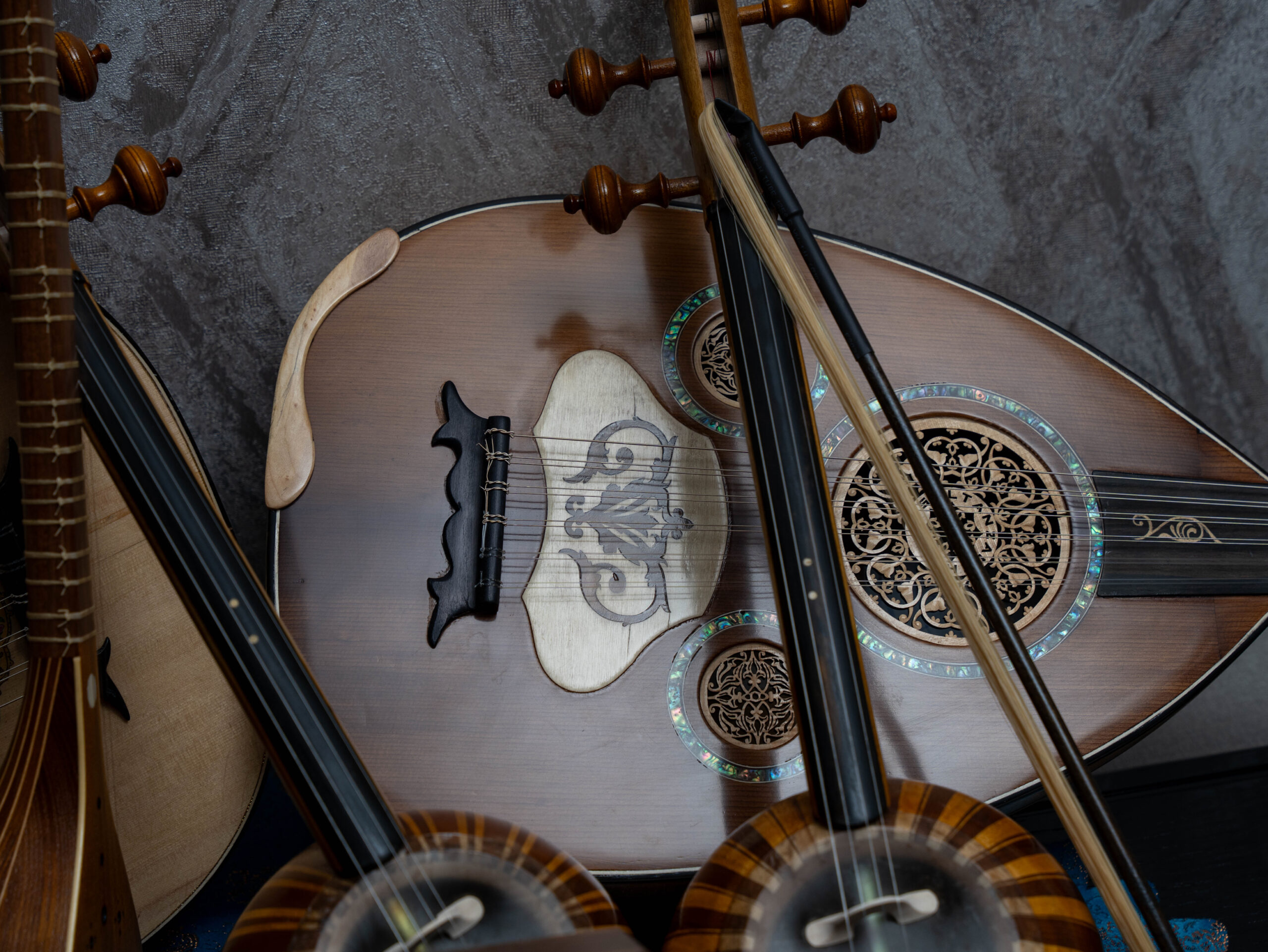
Musical Instruments: A Bridge from the Heart of History to the Future of Art
Introduction Music is the universal language of civilizations. From the earliest natural sounds to the most intricate melodies of today, musical instruments have played a crucial role in shaping cultures, rituals, and global artistry. Each instrument carries a story—its roots in history, the hands that crafted it, and the melodies it brings to life. At Art Gulf, we have curated a collection of unique, entirely( handmade )そして (mastercrafted) musical instruments, preserving the legacy of civilizations while paving the way for the future of music.
This article explores different types of instruments, their historical significance, the oldest musical instruments in the world, and particularly the instruments rooted in Iran, オマーン, Morocco, Egypt, 中国, India, and Italy. Finally, we discuss their value as both artistic and financial investments for collectors, musicians, and music scholars.
1.Main Categories of Musical Instruments:
Musical instruments are generally classified into four main categories:
1. String Instruments (Chordophones): Includes Tar, Setar, Oud, Kamancheh, Violin, Qanun, and Santur.
2. Percussion Instruments (Membranophones & Idiophones): Includes Tonbak, Daf, Tabla, and Bendir.
3. Wind Instruments (Aerophones): Includes Ney, Duduk, Sheng (中国), Egyptian Nai, and Indian Shehnai.
4. Keyboard Instruments: Includes the Organ, Harpsichord, and Harmonium.
2. The Oldest Musical Instruments in the World:
1. Ancient Instruments and Their Origins
• Iran: Depictions of string instruments such as the Tar and Kamancheh have been discovered in ancient Persian paintings and seals from the Achaemenid and Parthian eras.
• Egypt: Ancient reliefs in Egyptian temples depict the Ney and Qanun, emphasizing their role in sacred and royal ceremonies.
• China: The Sheng, one of the oldest wind instruments, was crafted over 3,000 years ago.
• India: Instruments like the Sarod and Sitar are among the world’s oldest string instruments, still used in Indian classical music.
• Italy: Italy played a key role in the development of the Violin. Esteemed makers like Stradivarius in the 17th and 18th centuries crafted instruments that remain some of the most valuable in the world.
• Morocco & Oman: Various stringed and percussion instruments have deep connections to Berber and Arabic music traditions.
2. Instruments That Have Stood the Test of Time
• Oud: Originating from Mesopotamia, this versatile instrument inspired many string instruments across the world.
• Qanun: With a history of over 2,000 年, this instrument is central to Middle Eastern, トルコ語, and North African music.
• Kamancheh: A bowed string instrument integral to Persian and Central Asian music.
• Santur: With Persian origins, this hammered dulcimer has influenced music from India to Greece and Europe.
• Violin: Emerging from Italy, the violin has become a fundamental instrument in both Western and Eastern classical music.
3. Prominent Musical Instruments by Country
1. Iran
• Tar: Made from mulberry wood and lambskin, known for its deep and expressive tone.
• Setar: A delicate instrument used in Persian Sufi music.
• Kamancheh: A crucial bowed string instrument in Persian music.
• Santur: A trapezoidal hammered dulcimer with 72 strings, producing a mesmerizing sound.
• Tonbak: The principal goblet drum of Persian music, known for its intricate techniques.
2. Oman
• Oud: Crafted from high-quality woods like rosewood and walnut, producing a distinctive sound.
• Omani Daf: A frame drum used in traditional and ceremonial music.
3. Morocco
• Guembri: A plucked string instrument used in Gnawa music.
• Bendir: A large frame drum integral to Moroccan folk music.
4. Egypt
• Egyptian Ney: A reed flute that holds a significant place in Arabic classical music.
• Qanun: A key instrument in Arabic and Middle Eastern classical traditions.
5. China
• Sheng: One of the earliest known wind instruments, still played in traditional Chinese music.
• Guzheng: A zither-like instrument, similar to the Qanun but played with unique techniques. 6. India
• Sitar: A fundamental instrument in Hindustani classical music, known for its unique resonant sound.
• Tabla: A percussion instrument used for intricate rhythmic patterns.
7. Italy
• Violin: First developed in 16th-century Italy, the violin remains one of the most prestigious instruments in global classical music.
4. The Value of Handmade Musical Instruments:
Handmade and mastercrafted instruments not only have great artistic value but also serve as highly valuable investments over time. Factors Affecting the Value of an Instrument.
• Material and craftsmanship (e.g., walnut, rosewood, and mulberry for instruments like the Tar and Oud).
• Handmade quality and artisan skill (Master luthiers often leave a signature or mark on high-end instruments).
• Historical significance and rarity (Antique and limited-edition instruments have increased value).
• Sound quality and international standards (Certain instruments are crafted for professional performances, enhancing their market value).
5. Musical Instruments as a Cultural Investment For Collectors Handmade instruments not only have cultural and historical significance but also appreciate in value over time, making them worthy additions to private collections and museums.
For Musicians and Artists Owning a handmade instrument means possessing a unique tool that offers an unparalleled sound and personal connection to the music.
For Scholars and Enthusiasts Understanding the history and philosophy behind these instruments deepens one’s appreciation and knowledge of music. 結論: Music is a bridge that connects the past to the future. Every instrument is an ambassador of civilization, continuing its journey through the hands of today’s artisans and musicians. At Art- Gulf.com, we have gathered a collection of exceptional, handmade musical instruments that are not just historical treasures but also investments in the future of music.
In our sales section, each of these mastercrafted instruments is available with detailed information, valuation, and pricing.
Handicrafts
Handicrafts: From the Heart of Ancient Civilizations to the Investment of the Future Introduction:
A Timeless Legacy in Our Hands Handicrafts are more than just artistic creations—they are reflections of the soul and identity of great civilizations, from Iran, Egypt, India, and China to Oman and Morocco. These ancient arts serve as a bridge between the past and the future, each piece telling a unique story of culture, civilization, and creativity. In today’s world, where mass production dominates, handicrafts hold their ground, not only for their artistic value but also for their economic and investment potential.
The Origins of Handicrafts in Human History The first signs of handicrafts date back to the Paleolithic era, around 30,000 to 40,000 years ago, when early humans used bones, 木材, and stones for survival and artistic expression. しかし, the earliest documented artistic and handcrafted works belong to 10,000 to 12,000 years ago, when great civilizations like Sumer, Ancient Egypt, Persia, 中国, and India began creating remarkable and lasting artifacts.
The Oldest Handicraft Discoveries in the World:
1. Painted Pottery from Susa (イラン) – Around 8,000 years ago
2. Stone Seals from Mesopotamia – Over 7,000 years ago
3. Gold Jewelry and Gemstone Art from Ancient Egypt – 5,000 years ago
4. Chinese Silk Weaving – Over 4,500 years ago
5. Intricate Woven Fabrics from India – Over 4,000 years ago
6. Mosaic Pottery from Morocco and Oman – 3,000 years ago.
These discoveries highlight how handicrafts have always played a fundamental role in human civilization, serving not only practical purposes but also acting as cultural and artistic expressions of societies.
Handmade or a Living Art?
今日, terms like Handmade or Handicraft are commonly used to describe artisan products, yet these items are much more than just manually crafted objects. They carry the history, 文化, and aesthetic philosophy of some of the greatest civilizations. Whether from Iran, Egypt, Morocco, オマーン, India, or China, handicrafts reflect the artistic mastery and unique identity of their origins.
Why Handicrafts from Great Civilizations?
1. Authenticity and Unique Art: Handicrafts from civilizations such as Iran, Egypt, India, 中国, オマーン, and Morocco are the result of thousands of years of craftsmanship, 哲学, and artistic excellence.
2. A Valuable Investment: Unlike mass-produced goods, handicrafts not only retain their value over time but often appreciate. Collectors and art investors recognize this market as both secure and promising.
3. The Uniqueness of Every Piece: Each handcrafted item is one-of-a-kind. Owning a miniature Susa pottery, an Indian woven textile, or a Moroccan rug means holding a tangible piece of history and heritage.
4. A Link to Civilizations: We are the ambassadors of the world’s ancient civilizations. Handicrafts serve as a universal language, connecting people through time and culture.
The Global Market and the Future of Handicrafts With the rising demand for sustainable and authentic art, handicrafts have attracted increasing attention from investors and collectors. While digital art and NFTs are on the rise, physical handicrafts remain irreplaceable, maintaining their strong position among galleries, collectors, and art enthusiasts. 今日, purchasing handicrafts is not only an artistic choice but also a strategic financial investment.
結論: A Bridge Between Art, Investment, and the Future We are witnessing a global return to authenticity. In a world that seeks deeper connections with history, art, and culture, handicrafts remain among the most valuable assets one can invest in. Whether you are a seasoned collector or an investor searching for a dynamic and appreciating market, handicrafts from the world’s greatest civilizations open the door to beauty, value, and timeless craftsmanship.
On our platform: Art-Gulf.com you will not only experience living art but also gain the opportunity to explore and invest in the eternal world of handicrafts.

カーペット
カーペット: A Unique Jewel from the Heart of History, for Your Future
A Masterpiece, An Investment, A Timeless Legacy We have come from the heart of ancient civilizations to shape your future. What lies before you is not just a carpet—it is thousands of years of art, 文化, and human civilization woven into every thread. Our carpets are not newly created; they have been centuries in the making.
Every knot is a continuation of a journey that began in the empires of antiquity, flourished under the Safavid dynasty, and has been passed down through generations of master artisans. Owning one of these carpets means becoming the custodian of a living history.
A Singular Piece of History, in Your Hands In a world where rarity defines true value, each of these carpets is one of a kind. No two pieces are alike, and each carries a unique story within its intricate patterns. Once sold, they will never be available again. These are not just carpets—they are ambassadors of civilization.
They have journeyed through the courts of Persian kings, adorned palaces, and stood as testaments to the brilliance of Iranian craftsmanship. Now, they stand before you, offering the chance to own an irreplaceable masterpiece. Value That Increases Over Time What makes a Persian carpet a priceless asset?
• A handcrafted work of art, not a mass-produced item.
• A one-of-a-kind masterpiece, not a replicated design.
• An investment that appreciates over time, not a fleeting purchase.
Just as paintings by Da Vinci and Rembrandt gain value with time, authentic Persian carpets are treasures that only grow more valuable with each passing year. An Exclusive Club, for Those Who Understand True Value This collection is reserved for individuals who recognize the depth of art, heritage, and timeless worth. You are not just a buyer—you are a guardian of cultural legacy. Your Last Chance to Own a Historic Masterpiece With each passing day, another one of these masterpieces leaves our collection forever. If you are ready to own a piece of history and secure an asset of lasting value, do not let this moment pass.
In Art-Gulf.com ,This is not just a purchase—this is a choice for eternity. We have come from the heart of ancient civilizations to shape your future.
I’ve been Curaturing since 1999
We invite artists, leading galleries, renowned collectors, and investors from around the world to join us on this unique platform—where art reaches its true value.


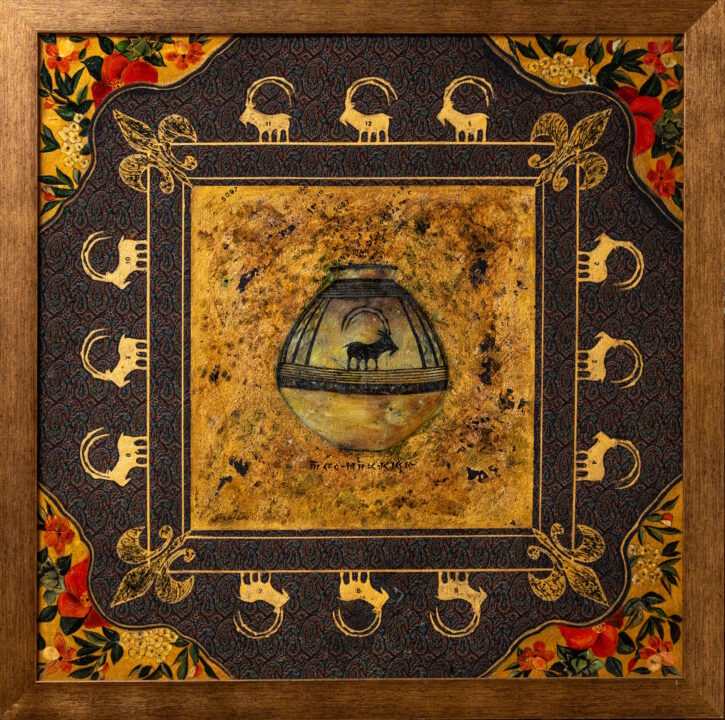
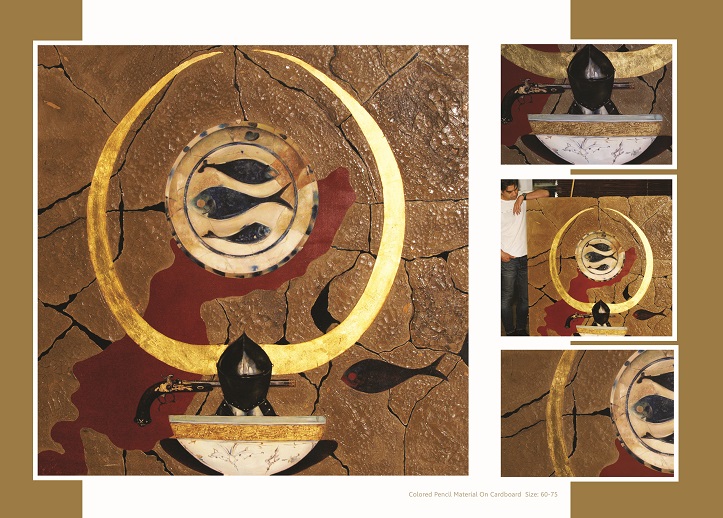
マスター アフマド ナジャファフィ | 画家 & コンセプチュアル アーティスト – テヘランから世界のアート シーンへ。アフマド ナジャフィは先見の明のあるイラン人アーティストで、絵画と素描の旅は 10 代の頃にテヘランで始まりました。. 何十年も続く情熱を持って, 彼はさまざまな芸術スタイルにわたって独自の意見を確立しました, 概念的なものも含めて, 抽象的な, シュールレアリスト, そして写実的な表現. 彼の作品は、油絵の具に至るまで、幅広い技術と材料を使用して作られています。, パステル, 色鉛筆, 木炭, ガッシュ, そして金箔, キャンバスへ, 木材, イランの伝統的な織物と. それぞれの作品は深い感情の核を反映しています, 内なる経験と外的な形式との間の詩的なつながり. 以来 1999, マスター・ナジャフィはプライベートスタジオで積極的に絵画を教えている, 彼はここで新世代の芸術愛好家を訓練し、インスピレーションを与えてきました。. 大きな誇りを持って, 彼はイランだけでなく世界中で多くの学生を美術の世界に紹介してきました。. オンラインおよびバーチャルクラスを通じて, 彼はオーストラリアからの学生たちと働いてきました, カナダ, イギリス, 米国, 七面鳥, アラブ首長国連邦, オマーン, クウェート, そして他の多くの国. 対面でのワークショップも主催, アラブ世界の一部の伝統的な貴族家族のメンバー向けのセッションを含む. ナジャフィの絵画は世界中のコレクターやギャラリーによって展示され、収集されています。. 現在まで, 何百もの彼のオリジナル作品は、それぞれ独自の物語と精神を持っており、世界中で購入または委託されています。, アラブ首長国連邦などの国のプライベートギャラリーで展示されています, オマーン, カタール, クウェート, イギリス, アメリカ合衆国, 中国, 日本, オーストラリア, 七面鳥, ロシア, イタリア, スペイン, そしてその先へ. 彼の作品は、その審美的な美しさだけでなく、美術愛好家やプロのコレクターからも同様に大切にされる収集価値のある投資としても賞賛されています。. 私たちは古代文明の中心から皆さんの未来にやって来ました。そしてマスター・アフマド・ナジャフィは、この旅の最もインスピレーションを与える大使の一人です。.

「儚いこの世界で, 所有権は永続的ではありません; これらのユニークな宝物を楽しむ機会が私たちを通過しました, そして今度はあなたが所有する番です, 見る, 触る, これらの貴重な芸術作品を将来の世代と共有してください。」

マスター・ラスリアン | 木象嵌の達人 (モアッラック) とレリーフ彫刻 – 時代を超越したルーツから世界的傑作へ Master Rasoulian, イラン生まれ, 芸術の伝統に深く根ざした家族の出身. 手織りの絨毯が家族の遺産であり、伝統音楽のメロディーと歌声が空気中に満ちている家庭で育ちました。, 彼の芸術への情熱は幼い頃から育まれました. 彼は手作りのカーペット製造のあらゆる段階に精通し、この工芸のさまざまな側面で卓越したスキルを開発しました。. 伝統芸術との深いつながりにより、彼は手工芸の分野で正式な教育を受けることになりました。. で 2005, 彼はテクニカルアートスクールを卒業し、その後カーペットデザインの学士号を取得しました。, 学術的および芸術的理解の両方を深めた. カーペットのパターンの複雑な幾何学模様と古典的な絵画の美学に接したことで、彼は自然に木象嵌の世界に惹かれました。 (モアッラック) そしてレリーフ彫刻 (モナバット). それ以来, 巨匠ラスリアンは、木製象嵌パネルや複雑な彫刻が施された家具から豪華な装飾用テーブルに至るまで、何百もの素晴らしい作品を生み出してきました。. 彼の作品はどれも伝統をユニークに融合させたものです, 個人的な表現, そして洗練された技術. 彼の傑作はアラブ首長国連邦を含む国々に誇らしげに輸出されています。, クウェート, カタール, イギリス, 米国, 他にもたくさん, 世界中の個人ギャラリーや有名なコレクションに拠点を置いています. 彼の芸術は、世界的な芸術における輝かしい過去と創造的な未来の間の架け橋として機能します。その作品は木に命を吹き込むだけでなく、美しさを詩的に表現しています。, 調和, そして文明や文化を超えて変わらぬ人類の精神. 私たちは皆さんの未来を形作るために古代文明の中心からやって来ました - そしてマスター・ラスリアンは、この時を超えた旅の永遠の声の一人です.

マスター ホセイン ビシェイ | 話すヴァイオリン, 音だけじゃない
音が生活の基盤そのものに息づく都市、テヘランに生まれたマスター ホセイン ビシェイは、30 年以上を純粋な音楽形式の追求に捧げてきました。. 彼の旅の始まりは、 1986 サントゥールの製作とともに, 彼は後にタールを調査した, そしてそれ以来 2003, 彼は自らの技術をヴァイオリンに全力で捧げ、西洋楽器が彼の手の中で音と芸術の両方の対象として生まれ変わりました。. 彼の楽器はどれも完全に手作りです. 厳選された木材から音響的に洗練された細部まで, ビシェイは、世界中のほんの一握りの工房で見られる品質に匹敵する、熟練のバイオリンを作成します。. 彼の作品は国境を越えた. ホセイン・ビシェイのヴァイオリンがアラブ首長国連邦の目の肥えた音楽家やコレクターの手に届く, カタール, クウェート, スペイン, イタリア, イギリス, カナダ, 米国, そしてその先へ. 今日, 彼の楽器は五大陸で演奏されています, それぞれがユニークな声を持っており、それを形作ったアーティストの聞こえるサインです。. マスター・ビシェイのために, ヴァイオリンは単なる道具ではありません, しかし精神の器. 彼の工芸は木との対話であり、かつて生きていた木を永遠の音の器に変えるものです。. これらは単なる楽器ではありません. それらは芸術品です. それらは声です. そして彼のヴァイオリンが演奏されるたびに, ただの音ではなく響く, でも約束: 「私たちは古代文明の中心からあなたの未来にやって来ました。」
また近いうちにお会いしましょう

ヤシャール・マルフォージ 私の名前はヤシャール・マルフォージです (1978) そして私はタブリーズで生まれました, イラン, 手作りのカーペットとラグの生産と販売のビジネスに本格的に従事する家族に生まれました。, のために 4 世代. 私は子供の頃からカーペットアートにとても興味がありました, そして の年齢で 12, カーペット織りのマスターステータスを取得しました; そして織り方をすべて学びました, 修理や染色工程まで. の年齢で 15, カーペットやラグにエンボス模様や立体模様を作り始めました, 独学で学んだテクニックを使って. 学習をさらに進めるために, 知識と技術, 年に大学に入学しました 2011, そして優秀な成績で卒業することができました, だけで 6 学期, 美術大学卒業, カーペットデザイン芸術学位取得. その後, 教育を続けて知識を豊かにするため, I started a master's degree in Arts History, 私はこの作品を優秀な成績で修了し、州の芸術学位を取得しました。. 私の作品も1位にランクインしました: イスラム作品の創造性と革新のフェスティバル, ラシディフェスティバル, タブリーズのトップ カーペット フェスティバル (2年連続). 最後に 25 年, 商品化しました 30,000 カーペットとラグ、そして今年から 2011, 私は独自の芸術的な敷物を世界各地に提出し始めました. 私の作品は伝統的な方法で完全に手作りされていることを指摘しておきます。, そしてそれぞれの作品には独自の意味があります, ラグのエンボスパターンに埋め込まれています. これらの敷物は装飾的な目的があり、壁に取り付けられます。. 3D表面パターンのエンボスラグ, 米国に送られてきました, カナダ, スイス, 日本, カタール, クウェート, アラブ首長国連邦, ドイツと他のいくつかの国.