



Musical Intrusmants
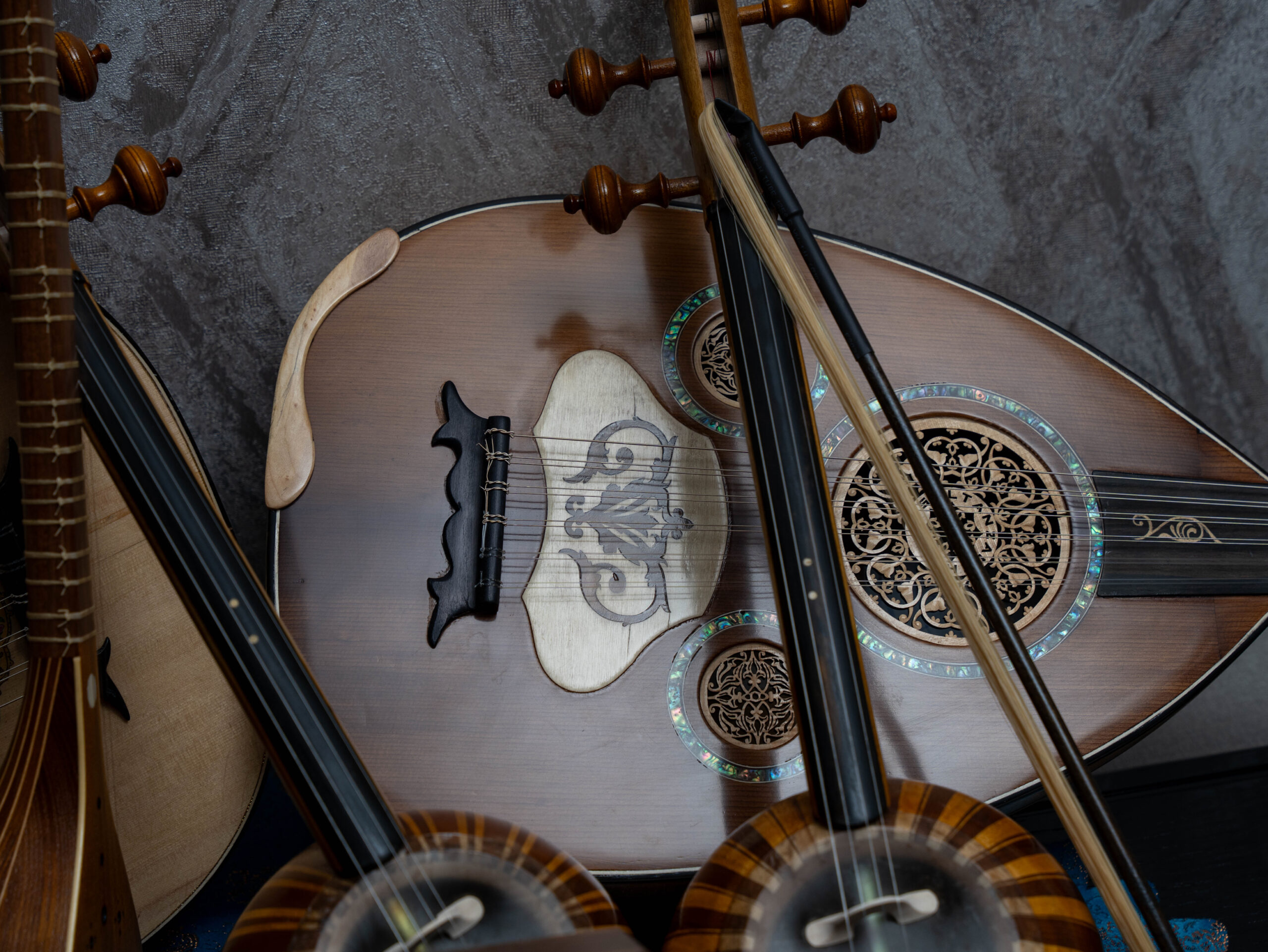
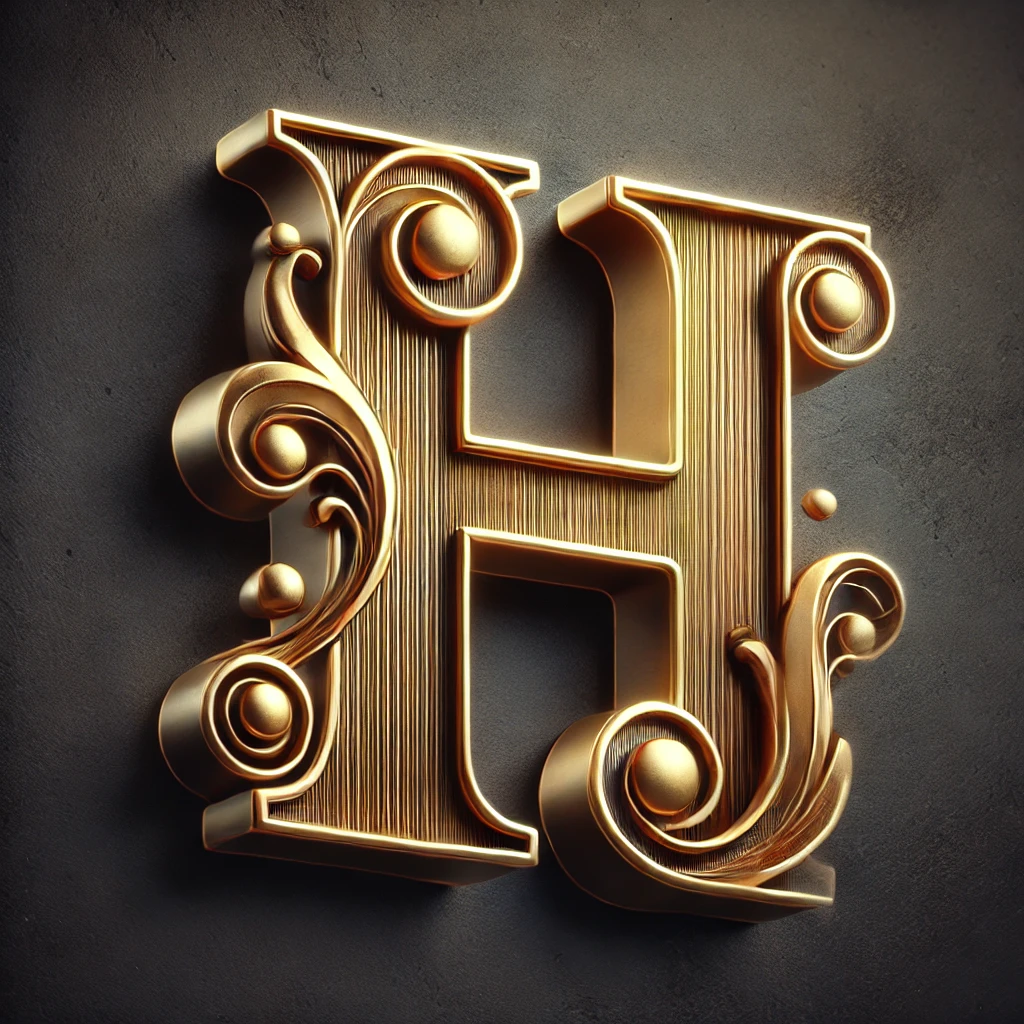
Musical Instruments: A Bridge from the Heart of History to the Future of Art
Introduction Music is the universal language of civilizations. From the earliest natural sounds to the most intricate melodies of today, musical instruments have played a crucial role in shaping cultures, rituals, and global artistry. Each instrument carries a story—its roots in history, the hands that crafted it, and the melodies it brings to life. At Art Gulf, we have curated a collection of unique, entirely( handmade )Og (mastercrafted) musical instruments, preserving the legacy of civilizations while paving the way for the future of music.
This article explores different types of instruments, their historical significance, the oldest musical instruments in the world, and particularly the instruments rooted in Iran, Óman, Morocco, Egypt, Kína, India, and Italy. Finally, we discuss their value as both artistic and financial investments for collectors, musicians, and music scholars.
1.Main Categories of Musical Instruments:
Musical instruments are generally classified into four main categories:
1. String Instruments (Chordophones): Includes Tar, Setar, Oud, Kamancheh, Violin, Qanun, and Santur.
2. Percussion Instruments (Membranophones & Idiophones): Includes Tonbak, Daf, Tabla, and Bendir.
3. Wind Instruments (Aerophones): Includes Ney, Duduk, Sheng (Kína), Egyptian Nai, and Indian Shehnai.
4. Keyboard Instruments: Includes the Organ, Harpsichord, and Harmonium.
2. The Oldest Musical Instruments in the World:
1. Ancient Instruments and Their Origins
• Iran: Depictions of string instruments such as the Tar and Kamancheh have been discovered in ancient Persian paintings and seals from the Achaemenid and Parthian eras.
• Egypt: Ancient reliefs in Egyptian temples depict the Ney and Qanun, emphasizing their role in sacred and royal ceremonies.
• China: The Sheng, one of the oldest wind instruments, was crafted over 3,000 years ago.
• India: Instruments like the Sarod and Sitar are among the world’s oldest string instruments, still used in Indian classical music.
• Italy: Italy played a key role in the development of the Violin. Esteemed makers like Stradivarius in the 17th and 18th centuries crafted instruments that remain some of the most valuable in the world.
• Morocco & Oman: Various stringed and percussion instruments have deep connections to Berber and Arabic music traditions.
2. Instruments That Have Stood the Test of Time
• Oud: Originating from Mesopotamia, this versatile instrument inspired many string instruments across the world.
• Qanun: With a history of over 2,000 ár, this instrument is central to Middle Eastern, Turkish, and North African music.
• Kamancheh: A bowed string instrument integral to Persian and Central Asian music.
• Santur: With Persian origins, this hammered dulcimer has influenced music from India to Greece and Europe.
• Violin: Emerging from Italy, the violin has become a fundamental instrument in both Western and Eastern classical music.
3. Prominent Musical Instruments by Country
1. Iran
• Tar: Made from mulberry wood and lambskin, known for its deep and expressive tone.
• Setar: A delicate instrument used in Persian Sufi music.
• Kamancheh: A crucial bowed string instrument in Persian music.
• Santur: A trapezoidal hammered dulcimer with 72 strings, producing a mesmerizing sound.
• Tonbak: The principal goblet drum of Persian music, known for its intricate techniques.
2. Oman
• Oud: Crafted from high-quality woods like rosewood and walnut, producing a distinctive sound.
• Omani Daf: A frame drum used in traditional and ceremonial music.
3. Morocco
• Guembri: A plucked string instrument used in Gnawa music.
• Bendir: A large frame drum integral to Moroccan folk music.
4. Egypt
• Egyptian Ney: A reed flute that holds a significant place in Arabic classical music.
• Qanun: A key instrument in Arabic and Middle Eastern classical traditions.
5. China
• Sheng: One of the earliest known wind instruments, still played in traditional Chinese music.
• Guzheng: A zither-like instrument, similar to the Qanun but played with unique techniques. 6. India
• Sitar: A fundamental instrument in Hindustani classical music, known for its unique resonant sound.
• Tabla: A percussion instrument used for intricate rhythmic patterns.
7. Italy
• Violin: First developed in 16th-century Italy, the violin remains one of the most prestigious instruments in global classical music.
4. The Value of Handmade Musical Instruments:
Handmade and mastercrafted instruments not only have great artistic value but also serve as highly valuable investments over time. Factors Affecting the Value of an Instrument.
• Material and craftsmanship (e.g., walnut, rosewood, and mulberry for instruments like the Tar and Oud).
• Handmade quality and artisan skill (Master luthiers often leave a signature or mark on high-end instruments).
• Historical significance and rarity (Antique and limited-edition instruments have increased value).
• Sound quality and international standards (Certain instruments are crafted for professional performances, enhancing their market value).
5. Musical Instruments as a Cultural Investment For Collectors Handmade instruments not only have cultural and historical significance but also appreciate in value over time, making them worthy additions to private collections and museums.
For Musicians and Artists Owning a handmade instrument means possessing a unique tool that offers an unparalleled sound and personal connection to the music.
For Scholars and Enthusiasts Understanding the history and philosophy behind these instruments deepens one’s appreciation and knowledge of music. Niðurstaða: Music is a bridge that connects the past to the future. Every instrument is an ambassador of civilization, continuing its journey through the hands of today’s artisans and musicians. At Art- Gulf.com, we have gathered a collection of exceptional, handmade musical instruments that are not just historical treasures but also investments in the future of music.
In our sales section, each of these mastercrafted instruments is available with detailed information, valuation, and pricing.
Handicrafts
Handicrafts: From the Heart of Ancient Civilizations to the Investment of the Future Introduction:
A Timeless Legacy in Our Hands Handicrafts are more than just artistic creations—they are reflections of the soul and identity of great civilizations, from Iran, Egypt, India, and China to Oman and Morocco. These ancient arts serve as a bridge between the past and the future, each piece telling a unique story of culture, civilization, and creativity. In today’s world, where mass production dominates, handicrafts hold their ground, not only for their artistic value but also for their economic and investment potential.
The Origins of Handicrafts in Human History The first signs of handicrafts date back to the Paleolithic era, around 30,000 to 40,000 years ago, when early humans used bones, tré, and stones for survival and artistic expression. However, the earliest documented artistic and handcrafted works belong to 10,000 to 12,000 years ago, when great civilizations like Sumer, Ancient Egypt, Persia, Kína, and India began creating remarkable and lasting artifacts.
The Oldest Handicraft Discoveries in the World:
1. Painted Pottery from Susa (Íran) – Around 8,000 years ago
2. Stone Seals from Mesopotamia – Over 7,000 years ago
3. Gold Jewelry and Gemstone Art from Ancient Egypt – 5,000 years ago
4. Chinese Silk Weaving – Over 4,500 years ago
5. Intricate Woven Fabrics from India – Over 4,000 years ago
6. Mosaic Pottery from Morocco and Oman – 3,000 years ago.
These discoveries highlight how handicrafts have always played a fundamental role in human civilization, serving not only practical purposes but also acting as cultural and artistic expressions of societies.
Handmade or a Living Art?
Í dag, terms like Handmade or Handicraft are commonly used to describe artisan products, yet these items are much more than just manually crafted objects. They carry the history, menningu, and aesthetic philosophy of some of the greatest civilizations. Whether from Iran, Egypt, Morocco, Óman, India, or China, handicrafts reflect the artistic mastery and unique identity of their origins.
Why Handicrafts from Great Civilizations?
1. Authenticity and Unique Art: Handicrafts from civilizations such as Iran, Egypt, India, Kína, Óman, and Morocco are the result of thousands of years of craftsmanship, heimspeki, and artistic excellence.
2. A Valuable Investment: Unlike mass-produced goods, handicrafts not only retain their value over time but often appreciate. Collectors and art investors recognize this market as both secure and promising.
3. The Uniqueness of Every Piece: Each handcrafted item is one-of-a-kind. Owning a miniature Susa pottery, an Indian woven textile, or a Moroccan rug means holding a tangible piece of history and heritage.
4. A Link to Civilizations: We are the ambassadors of the world’s ancient civilizations. Handicrafts serve as a universal language, connecting people through time and culture.
The Global Market and the Future of Handicrafts With the rising demand for sustainable and authentic art, handicrafts have attracted increasing attention from investors and collectors. While digital art and NFTs are on the rise, physical handicrafts remain irreplaceable, maintaining their strong position among galleries, safnarar, and art enthusiasts. Í dag, purchasing handicrafts is not only an artistic choice but also a strategic financial investment.
Niðurstaða: A Bridge Between Art, Investment, and the Future We are witnessing a global return to authenticity. In a world that seeks deeper connections with history, art, og menningu, handicrafts remain among the most valuable assets one can invest in. Whether you are a seasoned collector or an investor searching for a dynamic and appreciating market, handicrafts from the world’s greatest civilizations open the door to beauty, value, and timeless craftsmanship.
On our platform: Art-Gulf.com you will not only experience living art but also gain the opportunity to explore and invest in the eternal world of handicrafts.
Carpet
Carpet: A Unique Jewel from the Heart of History, for Your Future
A Masterpiece, An Investment, A Timeless Legacy We have come from the heart of ancient civilizations to shape your future. What lies before you is not just a carpet—it is thousands of years of art, menningu, and human civilization woven into every thread. Our carpets are not newly created; they have been centuries in the making.
Every knot is a continuation of a journey that began in the empires of antiquity, flourished under the Safavid dynasty, and has been passed down through generations of master artisans. Owning one of these carpets means becoming the custodian of a living history.
A Singular Piece of History, in Your Hands In a world where rarity defines true value, each of these carpets is one of a kind. No two pieces are alike, and each carries a unique story within its intricate patterns. Once sold, they will never be available again. These are not just carpets—they are ambassadors of civilization.
They have journeyed through the courts of Persian kings, adorned palaces, and stood as testaments to the brilliance of Iranian craftsmanship. Now, they stand before you, offering the chance to own an irreplaceable masterpiece. Value That Increases Over Time What makes a Persian carpet a priceless asset?
• A handcrafted work of art, not a mass-produced item.
• A one-of-a-kind masterpiece, not a replicated design.
• An investment that appreciates over time, not a fleeting purchase.
Just as paintings by Da Vinci and Rembrandt gain value with time, authentic Persian carpets are treasures that only grow more valuable with each passing year. An Exclusive Club, for Those Who Understand True Value This collection is reserved for individuals who recognize the depth of art, heritage, and timeless worth. You are not just a buyer—you are a guardian of cultural legacy. Your Last Chance to Own a Historic Masterpiece With each passing day, another one of these masterpieces leaves our collection forever. If you are ready to own a piece of history and secure an asset of lasting value, do not let this moment pass.
In Art-Gulf.com ,This is not just a purchase—this is a choice for eternity. We have come from the heart of ancient civilizations to shape your future.
I’ve been Curaturing since 1999
We invite artists, leading galleries, renowned collectors, and investors from around the world to join us on this unique platform—where art reaches its true value.


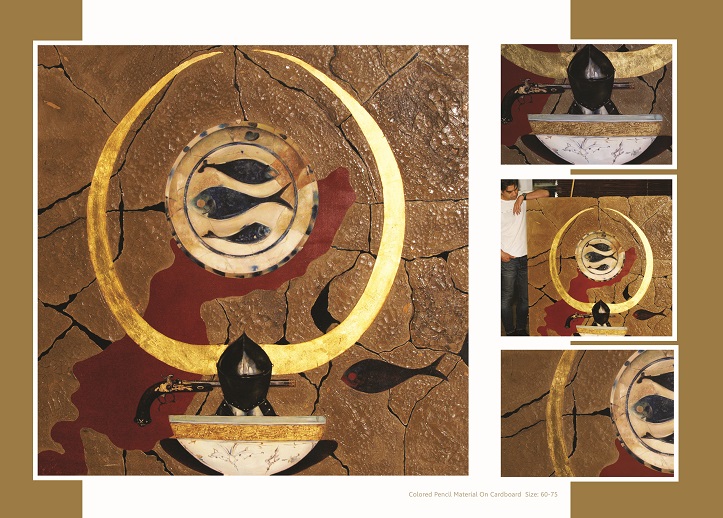
Meistari Ahmad Najafafi | Málari & Hugmyndalistamaður – frá Teheran til alþjóðlegrar listar. Ahmad Najafi er hugsjónasamur íranskur listamaður en ferðalag hans í málun og teikningu hófst á unglingsárum hans í Teheran. Með ástríðu sem hefur varað í áratugi, hann hefur skapað sér einstaka rödd þvert á ýmsa listræna stíl, þar á meðal huglægt, abstrakt, súrrealisti, og raunsæi tjáning. Listaverk hans eru unnin með því að nota margs konar tækni og efni - allt frá olíumálningu, pastellitir, litablýantar, kol, gouache, og laufgull, að striga, tré, og hefðbundin írönsk dúkur. Hvert verk endurspeglar djúpan tilfinningalegan kjarna, ljóðræn tenging á milli innri reynslu og ytra forms. Síðan 1999, Meistari Najafi hefur verið virkur að kenna málun á einkavinnustofu sinni, þar sem hann hefur þjálfað og veitt nýrri kynslóð listunnenda innblástur. Með miklu stolti, hann hefur kynnt fjölda nemenda fyrir myndlistarheiminum - ekki aðeins í Íran heldur einnig á heimsvísu. Í gegnum net- og sýndarnámskeið, hann hefur unnið með nemendum frá Ástralíu, Kanada, Bretlandi, Bandaríkin, Tyrkland, Sameinuðu arabísku furstadæmin, Óman, Kúveit, og mörg önnur lönd. Hann hefur einnig stýrt persónulegum vinnustofum, þar á meðal fundir fyrir meðlimi hefðbundinna aðalsfjölskyldna í hlutum Arabaheimsins. Málverk Najafi hafa verið sýnd og keypt af safnara og galleríum um allan heim. Hingað til, hundruð frumverka hans - hvert með sína frásögn og anda - hafa verið keypt eða pantað á alþjóðavettvangi, og sýnd í einkasölum í löndum eins og UAE, Óman, Katar, Kúveit, Bretlandi, Bandaríkin, Kína, Japan, Ástralía, Tyrkland, Rússland, Ítalíu, Spánn, og víðar. Verkin hans eru dáð ekki aðeins fyrir fagurfræðilega fegurð heldur einnig sem söfnunarfjárfestingar sem listáhugamenn og atvinnusafnarar elska.. Við höfum komið frá hjarta fornra siðmenningar inn í framtíð þína - og meistari Ahmad Najafi er einn af hvetjandi sendiherrum þessarar ferðar.

„Í þessum hverfula heimi, ekkert eignarhald er varanlegt; tækifærið til að njóta þessara einstöku gersemar hefur farið í gegnum okkur, og nú er komið að þér að eignast, sjáðu, snerta, og deila þessum verðmætu listaverkum með komandi kynslóðum.“
Meistari Rasoulian | Master of Wood Inlay (Moarraq) og léttskurður – frá tímalausum rótum til alþjóðlegra meistaraverka Master Rasoulian, fæddur í Íran, kemur frá fjölskyldu með djúpar rætur í hefðum listarinnar. Alinn upp á heimili þar sem handofin teppi voru arfur fjölskyldunnar og laglínur hefðbundinnar tónlistar og söngs fylltu loftið, Ástríða hans fyrir list var ræktuð frá unga aldri. Hann kynntist öllum stigum handgerðrar teppaframleiðslu náið og þróaði einstaka færni í hinum ýmsu þáttum þessa handverks.. Þessi djúpstæða tenging við hefðbundnar listir leiddi til þess að hann lagði stund á formlega menntun á sviði handverks. Í 2005, hann útskrifaðist úr tæknilistaskóla og lauk síðar BA gráðu í teppahönnun, að dýpka bæði fræðilegan og listrænan skilning hans. Útsetning hans fyrir flókinni rúmfræði teppamynstra og klassískrar fagurfræði málverks dró hann eðlilega í átt að heimi viðarinnleggs. (Moarraq) og léttir útskurður (Monabbat). Síðan þá, Master Rasoulian hefur búið til hundruð merkilegra verka - allt frá viðarplötum og flóknum útskornum húsgögnum til lúxus skrautborða. Hvert verk hans er einstakt samruni hefðar, persónuleg tjáning, og fágaðri tækni. Meistaraverk hans hafa verið flutt með stolti til landa þar á meðal Sameinuðu arabísku furstadæmin, Kúveit, Katar, Bretlandi, Bandaríkin, og margir aðrir, og hafa fundið heimili í einkagalleríum og virtum söfnum um allan heim. nListin hans þjónar sem brú á milli dýrðlegrar fortíðar og skapandi framtíðar í alþjóðlegri listsköpun – verk sem blása ekki aðeins lífi í viðinn heldur tjá fegurð á ljóðrænan hátt., sátt, og viðvarandi anda mannkyns þvert á siðmenningar og menningu. Við höfum komið frá hjarta fornra siðmenningar til að móta framtíð þína - og meistari Rasoulian er ein varanleg rödd þessa tímalausa ferðalags.

Meistari Hossein Bishe'i | Fiðlur sem tala, Ekki bara hljóð
Meistari Hossein Bishe'i er fæddur í Teheran - borg þar sem hljóð býr í sjálfu lífsins efni - hefur helgað yfir þrjá áratugi leit að hreinu tónlistarformi. Að hefja ferð sína inn 1986 með föndur santursins, hann kannaði síðar tjöruna, og síðan 2003, hann hefur að fullu helgað iðn sína fiðlunni - vestrænt hljóðfæri sem endurfæðst í höndum hans sem hlutur bæði hljóðs og listar. Hvert hljóðfæri hans er að öllu leyti handunnið. Allt frá vandlega völdum viði til hljóðeinangraðra smáatriða, Bishe'i býr til meistarasmíðaðar fiðlur - verk sem jafnast á við gæðin sem finnast í aðeins örfáum verkstæðum um allan heim. Verk hans hafa farið yfir landamæri. Fiðlur eftir Hossein Bishe'i hafa náð til hyggins tónlistarmanna og safnara í Sameinuðu arabísku furstadæmunum, Katar, Kúveit, Spánn, Ítalíu, Bretlandi, Kanada, Bandaríkin, og víðar. Í dag, Á hljóðfæri hans er spilað í fimm heimsálfum, hver ber einstaka rödd — auðheyranleg undirskrift listamannsins sem mótaði hana. Fyrir meistara Bishe'i, fiðlan er ekki bara verkfæri, en ker anda. Handverk hans er samræða við tré - umbreyting einu sinni lifandi trjáa í ílát eilífs hljóðs. Þetta eru ekki bara hljóðfæri. Þau eru listaverk. Þær eru raddir. Og í hvert sinn sem ein fiðlan hans er leikin, það endurómar ekki bara nótu, en loforð: „Við erum komin frá hjarta fornra siðmenningar til framtíðar þinnar.
sjáumst fljótlega

Yashar Malfouzi Ég heiti Yashar Malfouzi (1978) og ég fæddist í Tabriz, Íran, inn í fjölskyldu sem var á fullu í framleiðslu og dreifingu á handgerðum teppum og mottum, fyrir 4 kynslóðir. Ég hafði mikinn áhuga á teppalist alveg frá barnæsku, og á umr 12, Ég fékk meistarastöðuna í teppavefnaði; og lærði allan vefnaðinn, viðgerðar- og jafnvel litunarferli. Á aldrinum 15, Ég byrjaði að gera upphleypt og þrívíddarmynstur á teppi og mottur, með því að nota sjálflærða tækni. Til að efla nám mitt enn frekar, þekkingu og tækni, Ég fór inn í háskólann árið 2011, og gat útskrifast með sóma, aðeins inn 6 annir, frá Listaháskólanum, með Carpet Designing Art gráðu. Á eftir, að halda áfram námi og auðga þekkingu mína, I started a master's degree in Arts History, sem ég lauk með sóma og fékk Listagráðu ríkisins. Verkin mín hafa einnig verið í fyrsta sæti: Hátíð sköpunar og nýsköpunar íslamskrar vinnu, Rashidi hátíð, Toppteppahátíð Tabriz (tvö ár í röð). Í sl 25 ár, Ég hef markaðssett 30,000 teppi og mottur og frá árinu 2011, Ég er byrjuð að senda einstöku listræn mottur mínar til ýmissa heimshluta. Ég skal taka það fram að verkin mín eru algjörlega handunnin á hefðbundinn hátt, og hvert verk hefur sína einstöku merkingu, sem hefur verið fellt inn á upphleypt mynstur teppanna. Þessar mottur hafa skreytingar tilgang og eru festar á vegg. Þessar upphleyptu mottur með 3D yfirborðsmynstri, hafa verið sendar til Bandaríkjanna, Kanada, Sviss, Japan, Katar, Kúveit, Sameinuðu arabísku furstadæmin, Þýskalandi og nokkrum öðrum löndum.