




Intrusmants מוזיקלי
Musical Instruments: A Bridge from the Heart of History to the Future of Art
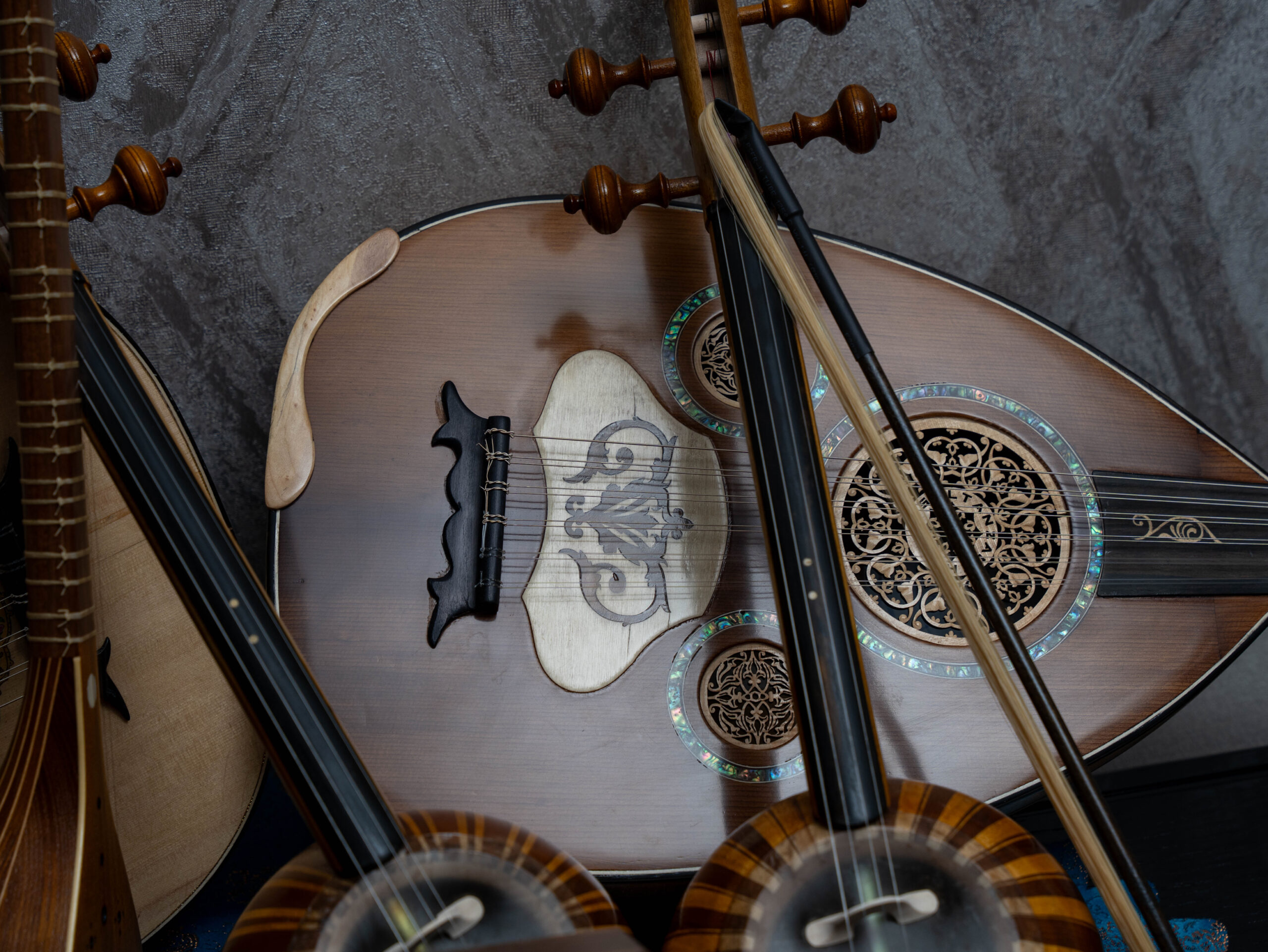
Introduction Music is the universal language of civilizations. From the earliest natural sounds to the most intricate melodies of today, musical instruments have played a crucial role in shaping cultures, rituals, and global artistry. Each instrument carries a story—its roots in history, the hands that crafted it, and the melodies it brings to life. At Art Gulf, we have curated a collection of unique, entirely( handmade )ו (mastercrafted) musical instruments, preserving the legacy of civilizations while paving the way for the future of music.
This article explores different types of instruments, their historical significance, the oldest musical instruments in the world, and particularly the instruments rooted in Iran, עומאן, Morocco, Egypt, סִין, India, and Italy. Finally, we discuss their value as both artistic and financial investments for collectors, musicians, and music scholars.
1.Main Categories of Musical Instruments:
Musical instruments are generally classified into four main categories:
1. String Instruments (Chordophones): Includes Tar, Setar, Oud, Kamancheh, Violin, Qanun, and Santur.
2. Percussion Instruments (Membranophones & Idiophones): Includes Tonbak, Daf, Tabla, and Bendir.
3. Wind Instruments (Aerophones): Includes Ney, Duduk, Sheng (סִין), Egyptian Nai, and Indian Shehnai.
4. Keyboard Instruments: Includes the Organ, Harpsichord, and Harmonium.
2. The Oldest Musical Instruments in the World:
1. Ancient Instruments and Their Origins
• Iran: Depictions of string instruments such as the Tar and Kamancheh have been discovered in ancient Persian paintings and seals from the Achaemenid and Parthian eras.
• Egypt: Ancient reliefs in Egyptian temples depict the Ney and Qanun, emphasizing their role in sacred and royal ceremonies.
• China: The Sheng, one of the oldest wind instruments, was crafted over 3,000 years ago.
• India: Instruments like the Sarod and Sitar are among the world’s oldest string instruments, still used in Indian classical music.
• Italy: Italy played a key role in the development of the Violin. Esteemed makers like Stradivarius in the 17th and 18th centuries crafted instruments that remain some of the most valuable in the world.
• Morocco & Oman: Various stringed and percussion instruments have deep connections to Berber and Arabic music traditions.
2. Instruments That Have Stood the Test of Time
• Oud: Originating from Mesopotamia, this versatile instrument inspired many string instruments across the world.
• Qanun: With a history of over 2,000 שנים, this instrument is central to Middle Eastern, Turkish, and North African music.
• Kamancheh: A bowed string instrument integral to Persian and Central Asian music.
• Santur: With Persian origins, this hammered dulcimer has influenced music from India to Greece and Europe.
• Violin: Emerging from Italy, the violin has become a fundamental instrument in both Western and Eastern classical music.
3. Prominent Musical Instruments by Country
1. Iran
• Tar: Made from mulberry wood and lambskin, known for its deep and expressive tone.
• Setar: A delicate instrument used in Persian Sufi music.
• Kamancheh: A crucial bowed string instrument in Persian music.
• Santur: A trapezoidal hammered dulcimer with 72 strings, producing a mesmerizing sound.
• Tonbak: The principal goblet drum of Persian music, known for its intricate techniques.
2. Oman
• Oud: Crafted from high-quality woods like rosewood and walnut, producing a distinctive sound.
• Omani Daf: A frame drum used in traditional and ceremonial music.
3. Morocco
• Guembri: A plucked string instrument used in Gnawa music.
• Bendir: A large frame drum integral to Moroccan folk music.
4. Egypt
• Egyptian Ney: A reed flute that holds a significant place in Arabic classical music.
• Qanun: A key instrument in Arabic and Middle Eastern classical traditions.
5. China
• Sheng: One of the earliest known wind instruments, still played in traditional Chinese music.
• Guzheng: A zither-like instrument, similar to the Qanun but played with unique techniques. 6. India
• Sitar: A fundamental instrument in Hindustani classical music, known for its unique resonant sound.
• Tabla: A percussion instrument used for intricate rhythmic patterns.
7. Italy
• Violin: First developed in 16th-century Italy, the violin remains one of the most prestigious instruments in global classical music.
4. The Value of Handmade Musical Instruments:
Handmade and mastercrafted instruments not only have great artistic value but also serve as highly valuable investments over time. Factors Affecting the Value of an Instrument.
• Material and craftsmanship (e.g., walnut, rosewood, and mulberry for instruments like the Tar and Oud).
• Handmade quality and artisan skill (Master luthiers often leave a signature or mark on high-end instruments).
• Historical significance and rarity (Antique and limited-edition instruments have increased value).
• Sound quality and international standards (Certain instruments are crafted for professional performances, enhancing their market value).
5. Musical Instruments as a Cultural Investment For Collectors Handmade instruments not only have cultural and historical significance but also appreciate in value over time, making them worthy additions to private collections and museums.
For Musicians and Artists Owning a handmade instrument means possessing a unique tool that offers an unparalleled sound and personal connection to the music.
For Scholars and Enthusiasts Understanding the history and philosophy behind these instruments deepens one’s appreciation and knowledge of music. Conclusion: Music is a bridge that connects the past to the future. Every instrument is an ambassador of civilization, continuing its journey through the hands of today’s artisans and musicians. At Art- Gulf.com, we have gathered a collection of exceptional, handmade musical instruments that are not just historical treasures but also investments in the future of music.
In our sales section, each of these mastercrafted instruments is available with detailed information, valuation, and pricing.
Handicrafts
Handicrafts: From the Heart of Ancient Civilizations to the Investment of the Future Introduction:
A Timeless Legacy in Our Hands Handicrafts are more than just artistic creations—they are reflections of the soul and identity of great civilizations, from Iran, Egypt, India, and China to Oman and Morocco. These ancient arts serve as a bridge between the past and the future, each piece telling a unique story of culture, civilization, and creativity. In today’s world, where mass production dominates, handicrafts hold their ground, not only for their artistic value but also for their economic and investment potential.
The Origins of Handicrafts in Human History The first signs of handicrafts date back to the Paleolithic era, around 30,000 to 40,000 years ago, when early humans used bones, עֵץ, and stones for survival and artistic expression. However, the earliest documented artistic and handcrafted works belong to 10,000 to 12,000 years ago, when great civilizations like Sumer, Ancient Egypt, Persia, סִין, and India began creating remarkable and lasting artifacts.
The Oldest Handicraft Discoveries in the World:
1. Painted Pottery from Susa (איראן) – Around 8,000 years ago
2. Stone Seals from Mesopotamia – Over 7,000 years ago
3. Gold Jewelry and Gemstone Art from Ancient Egypt – 5,000 years ago
4. Chinese Silk Weaving – Over 4,500 years ago
5. Intricate Woven Fabrics from India – Over 4,000 years ago
6. Mosaic Pottery from Morocco and Oman – 3,000 years ago.
These discoveries highlight how handicrafts have always played a fundamental role in human civilization, serving not only practical purposes but also acting as cultural and artistic expressions of societies.
Handmade or a Living Art?
הַיוֹם, terms like Handmade or Handicraft are commonly used to describe artisan products, yet these items are much more than just manually crafted objects. They carry the history, culture, and aesthetic philosophy of some of the greatest civilizations. Whether from Iran, Egypt, Morocco, עומאן, India, or China, handicrafts reflect the artistic mastery and unique identity of their origins.
Why Handicrafts from Great Civilizations?
1. Authenticity and Unique Art: Handicrafts from civilizations such as Iran, Egypt, India, סִין, עומאן, and Morocco are the result of thousands of years of craftsmanship, פִילוֹסוֹפִיָה, and artistic excellence.
2. A Valuable Investment: Unlike mass-produced goods, handicrafts not only retain their value over time but often appreciate. Collectors and art investors recognize this market as both secure and promising.
3. The Uniqueness of Every Piece: Each handcrafted item is one-of-a-kind. Owning a miniature Susa pottery, an Indian woven textile, or a Moroccan rug means holding a tangible piece of history and heritage.
4. A Link to Civilizations: We are the ambassadors of the world’s ancient civilizations. Handicrafts serve as a universal language, connecting people through time and culture.
The Global Market and the Future of Handicrafts With the rising demand for sustainable and authentic art, handicrafts have attracted increasing attention from investors and collectors. While digital art and NFTs are on the rise, physical handicrafts remain irreplaceable, maintaining their strong position among galleries, אספנים, and art enthusiasts. הַיוֹם, purchasing handicrafts is not only an artistic choice but also a strategic financial investment.
Conclusion: A Bridge Between Art, Investment, and the Future We are witnessing a global return to authenticity. In a world that seeks deeper connections with history, art, and culture, handicrafts remain among the most valuable assets one can invest in. Whether you are a seasoned collector or an investor searching for a dynamic and appreciating market, handicrafts from the world’s greatest civilizations open the door to beauty, value, and timeless craftsmanship.
On our platform: Art-Gulf.com you will not only experience living art but also gain the opportunity to explore and invest in the eternal world of handicrafts.

שָׁטִיחַ
שָׁטִיחַ: A Unique Jewel from the Heart of History, for Your Future
A Masterpiece, An Investment, A Timeless Legacy We have come from the heart of ancient civilizations to shape your future. What lies before you is not just a carpet—it is thousands of years of art, culture, and human civilization woven into every thread. Our carpets are not newly created; they have been centuries in the making.
Every knot is a continuation of a journey that began in the empires of antiquity, flourished under the Safavid dynasty, and has been passed down through generations of master artisans. Owning one of these carpets means becoming the custodian of a living history.
A Singular Piece of History, in Your Hands In a world where rarity defines true value, each of these carpets is one of a kind. No two pieces are alike, and each carries a unique story within its intricate patterns. Once sold, they will never be available again. These are not just carpets—they are ambassadors of civilization.
They have journeyed through the courts of Persian kings, adorned palaces, and stood as testaments to the brilliance of Iranian craftsmanship. Now, they stand before you, offering the chance to own an irreplaceable masterpiece. Value That Increases Over Time What makes a Persian carpet a priceless asset?
• A handcrafted work of art, not a mass-produced item.
• A one-of-a-kind masterpiece, not a replicated design.
• An investment that appreciates over time, not a fleeting purchase.
Just as paintings by Da Vinci and Rembrandt gain value with time, authentic Persian carpets are treasures that only grow more valuable with each passing year. An Exclusive Club, for Those Who Understand True Value This collection is reserved for individuals who recognize the depth of art, heritage, and timeless worth. You are not just a buyer—you are a guardian of cultural legacy. Your Last Chance to Own a Historic Masterpiece With each passing day, another one of these masterpieces leaves our collection forever. If you are ready to own a piece of history and secure an asset of lasting value, do not let this moment pass.
In Art-Gulf.com ,This is not just a purchase—this is a choice for eternity. We have come from the heart of ancient civilizations to shape your future.
I’ve been Curaturing since 1999
We invite artists, leading galleries, renowned collectors, and investors from around the world to join us on this unique platform—where art reaches its true value.


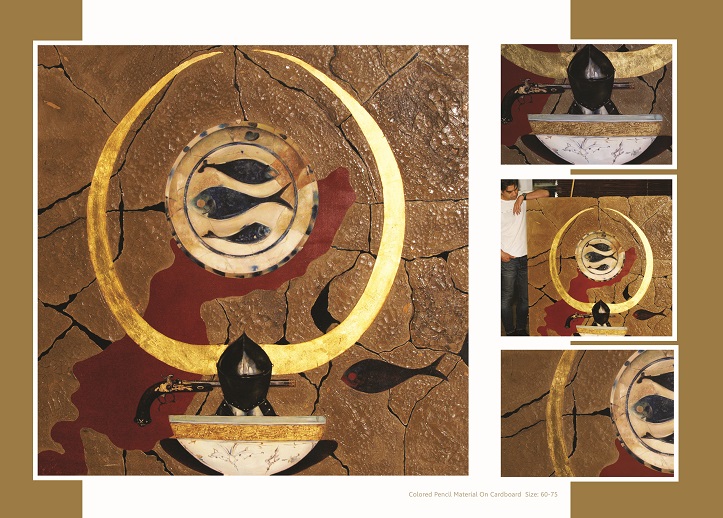
מאסטר אחמד נג'פי | צייר & אמן קונספטואלי – מטהראן לזירת האמנות העולמית. אחמד נג'פי הוא אמן איראני בעל חזון שמסעו בציור וברישום החל בשנות העשרה שלו בטהרן. עם תשוקה שנמשכת כבר עשרות שנים, הוא הקים קול ייחודי בסגנונות אמנותיים שונים, כולל רעיוני, תַקצִיר, סוריאליסטית, וביטויים ריאליסטיים. יצירות האמנות שלו מיוצרות תוך שימוש במגוון רחב של טכניקות וחומרים - החל מצבע שמן, פסטלים, עפרונות צבעוניים, פֶּחָם, גואש, ועלי זהב, לקנבסים, עֵץ, ובדים איראניים מסורתיים. כל יצירה משקפת גרעין רגשי עמוק, חיבור פיוטי בין חוויה פנימית לצורה חיצונית. מֵאָז 1999, מאסטר נג'פי לימד ציור באופן פעיל בסטודיו הפרטי שלו, שם הוא אימן והעניק השראה לדור חדש של חובבי אמנות. בגאווה גדולה, הוא הכיר לסטודנטים רבים את עולם האמנות - לא רק באיראן אלא גם בעולם. באמצעות שיעורים מקוונים ווירטואליים, הוא עבד עם סטודנטים מאוסטרליה, קנדה, הממלכה המאוחדת, ארצות הברית, טוּרְקִיָה, איחוד האמירויות הערביות, עומאן, כווית, ומדינות רבות אחרות. הוא גם הנחה סדנאות אישיות, כולל הפעלות לבני משפחות אצולה מסורתיות בחלקים מהעולם הערבי. ציוריו של נג'פי הוצגו ונרכשו על ידי אספנים וגלריות ברחבי העולם. עד היום, מאות מיצירותיו המקוריות - כל אחת עם הנרטיב והרוח שלה - נרכשו או הוזמנו ברחבי העולם, ומוצג בגלריות פרטיות במדינות כמו איחוד האמירויות, עומאן, קטאר, כווית, בריטניה, אַרצוֹת הַבְּרִית, סִין, יַפָּן, אוֹסטְרַלִיָה, טוּרְקִיָה, רוּסִיָה, אִיטַלִיָה, סְפָרַד, ומעבר לכך. יצירותיו זוכות להערצה לא רק בשל היופי האסתטי שלהן אלא גם כהשקעות אספנות האהובות על חובבי אמנות ואספנים מקצועיים כאחד.. באנו מלב תרבויות עתיקות אל עתידכם - ומסטר אחמד נג'פי הוא אחד השגרירים מעוררי ההשראה של המסע הזה.

"בעולם החולף הזה, שום בעלות אינה קבועה; ההזדמנות ליהנות מהאוצרות הייחודיים הללו עברה דרכנו, ועכשיו תורכם להחזיק, לִרְאוֹת, לָגַעַת, ולשתף את יצירות האמנות יקרות הערך הללו עם הדורות הבאים."

מאסטר רסוליאן | מאסטר שיבוץ עץ (מורק) ו-Relief Carving - משורשים נצחיים ועד ליצירות מופת גלובליות מאסטר רסוליאן, נולד באיראן, מגיע ממשפחה הנטועה עמוק במסורת האמנות. גדל במשק בית שבו שטיחים ארוגים בעבודת יד היו מורשת המשפחה ומנגינות המוזיקה והשירה המסורתית מילאו את האוויר, התשוקה שלו לאמנות טופחה מגיל צעיר. הוא הכיר מקרוב כל שלב של ייצור שטיחים בעבודת יד ופיתח מיומנות יוצאת דופן בהיבטים השונים של מלאכה זו. חיבור עמוק זה לאמנויות מסורתיות הוביל אותו ללימודים פורמליים בתחום מלאכת היד. ב 2005, הוא סיים בית ספר לאמנות טכנית ולאחר מכן קיבל תואר ראשון בעיצוב שטיחים, מעמיק את הבנתו האקדמית והאמנותית כאחד. חשיפתו לגיאומטריה המורכבת של דפוסי שטיחים ואסתטיקת ציור קלאסית משכה אותו באופן טבעי אל עולם שיבוצי העץ (מורק) וגילוף הקלה (מונבאט). מאז, מאסטר רסוליאן יצר מאות עבודות יוצאות דופן - החל מלוחות שיבוץ עץ ורהיטים מגולפים בצורה מורכבת ועד לשולחנות נוי יוקרתיים. כל אחד מהיצירות שלו הוא מיזוג ייחודי של מסורת, ביטוי אישי, וטכניקה מעודנת. יצירות המופת שלו יוצאו בגאווה למדינות כולל איחוד האמירויות הערביות, כווית, קטאר, הממלכה המאוחדת, ארצות הברית, ועוד רבים אחרים, ומצאו בתים בגלריות פרטיות ובאוספים יוקרתיים ברחבי העולם. nהאמנות שלו משמשת גשר בין עבר מפואר לעתיד יצירתי באמנות העולמית - יצירות שלא רק מפיחות חיים בעץ אלא מבטאות בצורה פואטית יופי, הַרמוֹנִיָה, והרוח המתמשכת של האנושות על פני תרבויות ותרבויות. באנו מלב תרבויות עתיקות כדי לעצב את עתידך - ומסטר רסוליאן הוא אחד הקולות המתמשכים של המסע הנצחי הזה.

מאסטר חוסיין בשיעי | כינורות שמדברים, לא רק סאונד
נולד בטהרן - עיר שבה הסאונד חי במרקם החיים עצמו - מאסטר חסין בשיעי הקדיש במשך שלושה עשורים למרדף אחר צורה מוזיקלית טהורה. מתחיל את מסעו פנימה 1986 עם היצירה של סנטור, מאוחר יותר חקר את הזפת, ומאז 2003, הוא הקדיש את מלאכתו לכינור - כלי מערבי שנולד מחדש בידיו כמושא של צליל ואמנות כאחד.. כל אחד מהמכשירים שלו עשוי כולו בעבודת יד. מעצים שנבחרו בקפידה ועד לפרטים מעודנים אקוסטית, בשיעי יוצרת כינורות מאסטר - יצירות המתחרות באיכות שנמצאה רק בקומץ סדנאות ברחבי העולם. יצירותיו חצו גבולות. כינורות מאת חוסיין בישעי הגיעו למוזיקאים ואספנים בעלי אבחנה באיחוד האמירויות הערביות, קטאר, כווית, סְפָרַד, אִיטַלִיָה, הממלכה המאוחדת, קנדה, ארצות הברית, ומעבר לכך. הַיוֹם, הכלים שלו מנוגנים על פני חמש יבשות, כל אחד נושא קול ייחודי - חתימה נשמעת של האמן שעיצב אותו. עבור מאסטר בשיעי, הכינור אינו רק כלי, אלא כלי רוח. מלאכתו היא דיאלוג עם עץ - טרנספורמציה של עצים שחיו פעם לכלי צליל נצחי. אלה לא רק מכשירים. הם יצירות אמנות. הם קולות. ובכל פעם מנגנים באחד הכינורות שלו, זה מהדהד לא רק פתק, אלא הבטחה: "באנו מהלב של תרבויות עתיקות אל העתיד שלך."
להתראות בקרוב

ישר מאלפוזי שמי ישר מאלפוזי (1978) ואני נולדתי בתבריז, איראן, למשפחה שעסקה באופן מלא בעסק של ייצור והפצה של שטיחים ושטיחים בעבודת יד, עֲבוּר 4 דורות. התעניינתי מאוד באמנות שטיחים כבר מתחילת ילדותי, ובגיל של 12, קיבלתי את סטטוס המאסטר שלי באריגת שטיחים; ולמד את כל האריגה, תהליכי תיקון ואפילו צביעה. בגיל של 15, התחלתי ליצור תבניות בלט ותלת מימד על שטיחים ושטיחים, תוך שימוש בטכניקות אוטודידקטיות. כדי לקדם את הלמידה שלי, ידע וטכניקות, נכנסתי לאוניברסיטה בשנה 2011, והצליח לסיים בהצטיינות, ב בלבד 6 סמסטרים, מאוניברסיטת אמנות, עם תואר אמנות בעיצוב שטיחים. לְאַחַר מִכֵּן, להמשיך בהשכלתי ולהעשיר את הידע שלי, I started a master's degree in Arts History, אותו סיימתי בהצטיינות וקיבלתי את התואר באמנות של המדינה. העבודות שלי גם דורגו במקום הראשון: פסטיבל ליצירתיות וחדשנות של עבודה אסלאמית, פסטיבל ראשידי, פסטיבל השטיח העליון של תבריז (שנתיים ברציפות). באחרון 25 שנים, התמסחרתי 30,000 שטיחים ושטיחים ומאז השנה 2011, התחלתי להגיש את השטיחים האומנותיים הייחודיים שלי לחלקים שונים בעולם. עלי לציין שהעבודות שלי עשויות לחלוטין בעבודת יד בצורה מסורתית, ולכל יצירה יש משמעות ייחודית משלה, שהוטבע על הדוגמה המוטבעת של השטיחים. לשטיחים אלה יש מטרה דקורטיבית והם מותקנים על הקיר. שטיחים מובלטים אלה עם דפוס משטח תלת מימדי, נשלחו לארה"ב, קנדה, שוויץ, יַפָּן, קטאר, כווית, איחוד האמירויות הערביות, גרמניה ועוד כמה מדינות.