





Musical Intrusmants
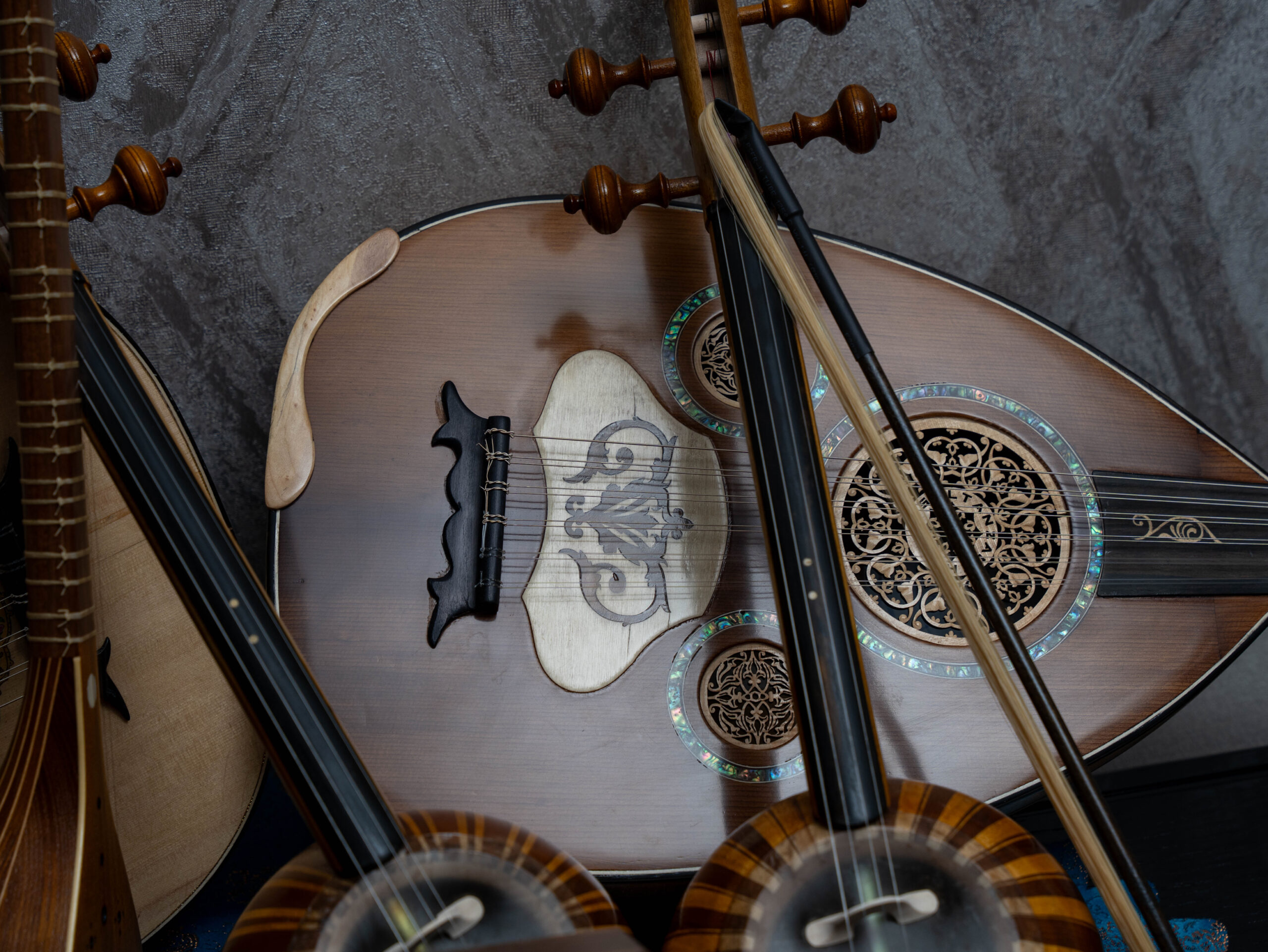
Musical Instruments: A Bridge from the Heart of History to the Future of Art
Introduction Music is the universal language of civilizations. From the earliest natural sounds to the most intricate melodies of today, musical instruments have played a crucial role in shaping cultures, rituals, and global artistry. Each instrument carries a story—its roots in history, the hands that crafted it, and the melodies it brings to life. At Art Gulf, we have curated a collection of unique, entirely( handmade )da (mastercrafted) musical instruments, preserving the legacy of civilizations while paving the way for the future of music.
This article explores different types of instruments, their historical significance, the oldest musical instruments in the world, and particularly the instruments rooted in Iran, OHIMIN, Morocco, Egypt, China, India, and Italy. Finally, we discuss their value as both artistic and financial investments for collectors, musicians, and music scholars.
1.Main Categories of Musical Instruments:
Musical instruments are generally classified into four main categories:
1. String Instruments (Chordophones): Includes Tar, Setar, Oud, Kamancheh, Violin, Qanun, and Santur.
2. Percussion Instruments (Membranophones & Idiophones): Includes Tonbak, Daf, Tabla, and Bendir.
3. Wind Instruments (Aerophones): Includes Ney, Duduk, Sheng (China), Egyptian Nai, and Indian Shehnai.
4. Keyboard Instruments: Includes the Organ, Harpsichord, and Harmonium.
2. The Oldest Musical Instruments in the World:
1. Ancient Instruments and Their Origins
• Iran: Depictions of string instruments such as the Tar and Kamancheh have been discovered in ancient Persian paintings and seals from the Achaemenid and Parthian eras.
• Egypt: Ancient reliefs in Egyptian temples depict the Ney and Qanun, emphasizing their role in sacred and royal ceremonies.
• China: The Sheng, one of the oldest wind instruments, was crafted over 3,000 years ago.
• India: Instruments like the Sarod and Sitar are among the world’s oldest string instruments, still used in Indian classical music.
• Italy: Italy played a key role in the development of the Violin. Esteemed makers like Stradivarius in the 17th and 18th centuries crafted instruments that remain some of the most valuable in the world.
• Morocco & Oman: Various stringed and percussion instruments have deep connections to Berber and Arabic music traditions.
2. Instruments That Have Stood the Test of Time
• Oud: Originating from Mesopotamia, this versatile instrument inspired many string instruments across the world.
• Qanun: With a history of over 2,000 shekaru, this instrument is central to Middle Eastern, Turkish, and North African music.
• Kamancheh: A bowed string instrument integral to Persian and Central Asian music.
• Santur: With Persian origins, this hammered dulcimer has influenced music from India to Greece and Europe.
• Violin: Emerging from Italy, the violin has become a fundamental instrument in both Western and Eastern classical music.
3. Prominent Musical Instruments by Country
1. Iran
• Tar: Made from mulberry wood and lambskin, known for its deep and expressive tone.
• Setar: A delicate instrument used in Persian Sufi music.
• Kamancheh: A crucial bowed string instrument in Persian music.
• Santur: A trapezoidal hammered dulcimer with 72 strings, producing a mesmerizing sound.
• Tonbak: The principal goblet drum of Persian music, known for its intricate techniques.
2. Oman
• Oud: Crafted from high-quality woods like rosewood and walnut, producing a distinctive sound.
• Omani Daf: A frame drum used in traditional and ceremonial music.
3. Morocco
• Guembri: A plucked string instrument used in Gnawa music.
• Bendir: A large frame drum integral to Moroccan folk music.
4. Egypt
• Egyptian Ney: A reed flute that holds a significant place in Arabic classical music.
• Qanun: A key instrument in Arabic and Middle Eastern classical traditions.
5. China
• Sheng: One of the earliest known wind instruments, still played in traditional Chinese music.
• Guzheng: A zither-like instrument, similar to the Qanun but played with unique techniques. 6. India
• Sitar: A fundamental instrument in Hindustani classical music, known for its unique resonant sound.
• Tabla: A percussion instrument used for intricate rhythmic patterns.
7. Italy
• Violin: First developed in 16th-century Italy, the violin remains one of the most prestigious instruments in global classical music.
4. The Value of Handmade Musical Instruments:
Handmade and mastercrafted instruments not only have great artistic value but also serve as highly valuable investments over time. Factors Affecting the Value of an Instrument.
• Material and craftsmanship (e.g., walnut, rosewood, and mulberry for instruments like the Tar and Oud).
• Handmade quality and artisan skill (Master luthiers often leave a signature or mark on high-end instruments).
• Historical significance and rarity (Antique and limited-edition instruments have increased value).
• Sound quality and international standards (Certain instruments are crafted for professional performances, enhancing their market value).
5. Musical Instruments as a Cultural Investment For Collectors Handmade instruments not only have cultural and historical significance but also appreciate in value over time, making them worthy additions to private collections and museums.
For Musicians and Artists Owning a handmade instrument means possessing a unique tool that offers an unparalleled sound and personal connection to the music.
For Scholars and Enthusiasts Understanding the history and philosophy behind these instruments deepens one’s appreciation and knowledge of music. Ƙarshe: Music is a bridge that connects the past to the future. Every instrument is an ambassador of civilization, continuing its journey through the hands of today’s artisans and musicians. At Art- Gulf.com, we have gathered a collection of exceptional, handmade musical instruments that are not just historical treasures but also investments in the future of music.
In our sales section, each of these mastercrafted instruments is available with detailed information, valuation, and pricing.
Handicrafts
Handicrafts: From the Heart of Ancient Civilizations to the Investment of the Future Introduction:
A Timeless Legacy in Our Hands Handicrafts are more than just artistic creations—they are reflections of the soul and identity of great civilizations, from Iran, Egypt, India, and China to Oman and Morocco. These ancient arts serve as a bridge between the past and the future, each piece telling a unique story of culture, civilization, and creativity. In today’s world, where mass production dominates, handicrafts hold their ground, not only for their artistic value but also for their economic and investment potential.
The Origins of Handicrafts in Human History The first signs of handicrafts date back to the Paleolithic era, around 30,000 to 40,000 years ago, when early humans used bones, itace, and stones for survival and artistic expression. However, the earliest documented artistic and handcrafted works belong to 10,000 to 12,000 years ago, when great civilizations like Sumer, Ancient Egypt, Persia, China, and India began creating remarkable and lasting artifacts.
The Oldest Handicraft Discoveries in the World:
1. Painted Pottery from Susa (Iran) – Around 8,000 years ago
2. Stone Seals from Mesopotamia – Over 7,000 years ago
3. Gold Jewelry and Gemstone Art from Ancient Egypt – 5,000 years ago
4. Chinese Silk Weaving – Over 4,500 years ago
5. Intricate Woven Fabrics from India – Over 4,000 years ago
6. Mosaic Pottery from Morocco and Oman – 3,000 years ago.
These discoveries highlight how handicrafts have always played a fundamental role in human civilization, serving not only practical purposes but also acting as cultural and artistic expressions of societies.
Handmade or a Living Art?
Yau, terms like Handmade or Handicraft are commonly used to describe artisan products, yet these items are much more than just manually crafted objects. They carry the history, culture, and aesthetic philosophy of some of the greatest civilizations. Whether from Iran, Egypt, Morocco, OHIMIN, India, or China, handicrafts reflect the artistic mastery and unique identity of their origins.
Why Handicrafts from Great Civilizations?
1. Authenticity and Unique Art: Handicrafts from civilizations such as Iran, Egypt, India, China, OHIMIN, and Morocco are the result of thousands of years of craftsmanship, ilmin filosofi, and artistic excellence.
2. A Valuable Investment: Unlike mass-produced goods, handicrafts not only retain their value over time but often appreciate. Collectors and art investors recognize this market as both secure and promising.
3. The Uniqueness of Every Piece: Each handcrafted item is one-of-a-kind. Owning a miniature Susa pottery, an Indian woven textile, or a Moroccan rug means holding a tangible piece of history and heritage.
4. A Link to Civilizations: We are the ambassadors of the world’s ancient civilizations. Handicrafts serve as a universal language, connecting people through time and culture.
The Global Market and the Future of Handicrafts With the rising demand for sustainable and authentic art, handicrafts have attracted increasing attention from investors and collectors. While digital art and NFTs are on the rise, physical handicrafts remain irreplaceable, maintaining their strong position among galleries, mai tara, and art enthusiasts. Yau, purchasing handicrafts is not only an artistic choice but also a strategic financial investment.
Ƙarshe: A Bridge Between Art, Investment, and the Future We are witnessing a global return to authenticity. In a world that seeks deeper connections with history, art, and culture, handicrafts remain among the most valuable assets one can invest in. Whether you are a seasoned collector or an investor searching for a dynamic and appreciating market, handicrafts from the world’s greatest civilizations open the door to beauty, value, and timeless craftsmanship.
On our platform: Art-Gulf.com you will not only experience living art but also gain the opportunity to explore and invest in the eternal world of handicrafts.

Carpet
Carpet: A Unique Jewel from the Heart of History, for Your Future
A Masterpiece, An Investment, A Timeless Legacy We have come from the heart of ancient civilizations to shape your future. What lies before you is not just a carpet—it is thousands of years of art, culture, and human civilization woven into every thread. Our carpets are not newly created; they have been centuries in the making.
Every knot is a continuation of a journey that began in the empires of antiquity, flourished under the Safavid dynasty, and has been passed down through generations of master artisans. Owning one of these carpets means becoming the custodian of a living history.
A Singular Piece of History, in Your Hands In a world where rarity defines true value, each of these carpets is one of a kind. No two pieces are alike, and each carries a unique story within its intricate patterns. Once sold, they will never be available again. These are not just carpets—they are ambassadors of civilization.
They have journeyed through the courts of Persian kings, adorned palaces, and stood as testaments to the brilliance of Iranian craftsmanship. Now, they stand before you, offering the chance to own an irreplaceable masterpiece. Value That Increases Over Time What makes a Persian carpet a priceless asset?
• A handcrafted work of art, not a mass-produced item.
• A one-of-a-kind masterpiece, not a replicated design.
• An investment that appreciates over time, not a fleeting purchase.
Just as paintings by Da Vinci and Rembrandt gain value with time, authentic Persian carpets are treasures that only grow more valuable with each passing year. An Exclusive Club, for Those Who Understand True Value This collection is reserved for individuals who recognize the depth of art, heritage, and timeless worth. You are not just a buyer—you are a guardian of cultural legacy. Your Last Chance to Own a Historic Masterpiece With each passing day, another one of these masterpieces leaves our collection forever. If you are ready to own a piece of history and secure an asset of lasting value, do not let this moment pass.
In Art-Gulf.com ,This is not just a purchase—this is a choice for eternity. We have come from the heart of ancient civilizations to shape your future.
I’ve been Curaturing since 1999
We invite artists, leading galleries, renowned collectors, and investors from around the world to join us on this unique platform—where art reaches its true value.


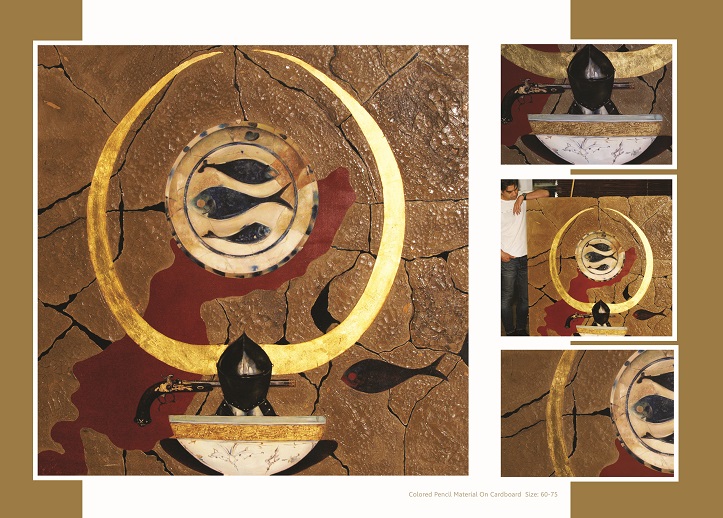
Master Ahmad Najafi | Mai zane-zane & Mawake na Tehran - Daga Tehran zuwa yanayin duniyar duniya. Tare da sha'awar da ya jimre wa shekarun da suka gabata, Ya kafa wata murya ta musamman a cikin tsarin zane-zane daban-daban, gami da rashin fahimta, m, mika wuya, da maganganun maganganu. An yi zane-zane na sa ta amfani da kewayon dabaru da kayan - daga fenti mai, fasikanci, fensir masu launi, gawayi, goucheache, da ganye na zinari, zuwa canvases, itace, da kuma masana'antar Iran na Iran. Kowane yanki yana nuna mahimmancin motsin rai, Haɗin waƙa tsakanin ƙwarewar ciki da tsari na waje. Tun 1999, Maigida Najafi ya kasance yana da zanen koyarwa a cikin studio mai zaman kansa, inda ya horar da kuma wahayi zuwa sabon ƙarni na masoya. Tare da girman kai, Ya gabatar da ɗalibai da yawa a duniyar fasaha - ba wai kawai a Iran ba har ma a duk faɗin. Ta hanyar kan layi da kuma azuzuwan aji, Ya yi aiki tare da ɗalibai daga Ostiraliya, Kanada, Masarautar Ingila, Amurka, Tolotolo, Hadaddiyar Daular Arab Emirates, OHIMIN, Kuwait, da sauran ƙasashe. Ya kuma jagoranci bita na ciki, Ciki har da zaman ga membobin iyalai na gargajiya a cikin sassan larabawa. An nuna zane-zane na Najafi kuma an sami su ta hanyar tattara abubuwa da galleralies a duk faɗin duniya. Zuwa yau, Daruruwan ayyukansa na asali - kowannensu yana da labarin kanta da ruhu - ko kuma aka siya ko kuma an umurce su a duniya, kuma ya nuna a cikin gallasa masu zaman kansu a cikin ƙasashe kamar UAE, OHIMIN, Qatar, Kuwait, da Burtaniya, Usa, China, Japan, Australiya, Tolotolo, Russia, Italiya, Spain, da kuma bayan. Abubuwan da aka yi ƙauna ba kawai don kyakkyawa kyakkyawa ba amma har ilainfin saka hannun jari da masu goyon baya da ƙwararren ƙwararru ɗaya. Mun fito daga zuciyar al'adun waye-kai a rayuwar ku - kuma Masarautar Ahmad Najafi yana daya daga cikin jakadun masu banmamaki na wannan tafiya.

"A cikin wannan duniyar mai gudu, Babu wani mallaka na dindindin; damar da za a more waɗannan wadatattun kayayyaki sun wuce mu, Kuma yanzu lokacinka ya mallaka, gani, taɓo, da kuma raba waɗannan ayyuka masu mahimmanci na fasaha tare da tsararraki masu zuwa. "

Maigidan Rasoulan | Jagora na itace inlay (Moarraq) da kuma taimako na taimako - daga Tushen maras 7 zuwa ga Master Rasoulan, An haife shi a Iran, ya fito ne daga dangi mai rauni a cikin hadisan zane-zane. Tashe a cikin gida inda carpet na hannu sune kayan aikin iyali da karin waƙar kiɗa da kuma vocals ya cika iska, An inganta sha'awar sa don fasaha daga farkon shekaru. Ya zama sananne sosai tare da kowane mataki na samar da kayan aiki da fasaha na kwarewa a cikin bangarorin da ke cikin wannan sana'ar. Wannan babban haɗin kai ga fasahar gargajiya ta kai shi don bin ilimin zamani a fagen kwastan hannu. A 2005, ya sauke karatu daga makarantar fasaha na fasaha kuma daga baya kuma ta sami digiri na digiri a cikin zanen wayar, zurfin duka na ilimi da kuma fahimta. Fitarwarsa ga hadaddun geometry na tsarin kafet da zane mai zanen zane na gargajiya ta datsa shi zuwa duniyar itacen inlay (Moarraq) da taimako na taimako (Monaba monabbbat). Tun daga wannan lokacin, Jagora Rasoulan ya halicci daruruwan ayyuka masu ban sha'awa daga bangarorin inlul na itace da kuma kayan aikin da ke cikin gida mai kyau don marmaro. Kowane ɗayansu na wani yanki ne na gargajiya, Bayanin sirri, da dabara mai ladabi. An yi alfahari da manzanninsa masu alfahari zuwa ƙasashe ciki har da United Arab Emirates, Kuwait, Qatar, Masarautar Ingila, Amurka, da sauran mutane da yawa, kuma sun sami gidaje a cikin galleries masu zaman kansu da tarin yawa a duniya. Nhis Art yana aiki a matsayin gada tsakanin abin da ya fi girma da kuma rayuwa mai mahimmanci a cikin zane-zane na duniya-aiki wanda ba wai kawai numfashi rayuwa zuwa itace ba amma wucin gadi bayyana kyau, jituwa, Kuma ruhin ɗan adam a cikin wayewa da al'adu. Mun fito daga zuciyar al'adun wayewa don tsara makomarku - da kuma Rasoulan Master Rasoulan shine ɗayan muryoyin da ke cikin wannan tafiya.

Jagora Hossein Bshe'i | Violins da ke magana, Ba kawai sauti bane
An haife shi a Tehran-wani birni inda sauti yake zaune a cikin firam na rayuwa-Master Hossein Bshe'i ya sadaukar da su da tsawan tsufancin ƙawance. Fara tafiya a cikin 1986 tare da mai kirkirar, Daga baya ya bincika tarar, kuma tunda 2003, Ya cika yarjejeniya da sa zuwa ga mai amfani da kayan kwalliyar yamma a hannunsa a matsayin wani abu na sauti da fasaha. Kowane ɗayan kayan aikinsa gabaɗaya. Daga da aka zabi dazuzzuka a hankali zuwa cikakkun bayanai, Bishe'i yana haifar da abubuwan haɗin VIolins wanda ƙiyayya da ingancin da aka samu a cikin bita da ke da hannu a duk duniya. Ayyukansa sun fassara iyakoki. VIolins ta Hossein Bshei'i sun kai mawaƙa da masu tarawa a cikin Saudi Arab Emirates, Qatar, Kuwait, Spain, Italiya, Masarautar Ingila, Kanada, Amurka, da kuma bayan. Yau, An buga kayan aikinsa sama da nahiyoyi biyar, Kowannensu yana ɗaukar mahaɗan na musamman - sa hannu na mai zane wanda ya bayyana shi. Ga maigidan Bshehe'i, A violin ba kawai kayan aiki bane, Amma jirgin ruwa na ruhu. Cinikinsa shine tattaunawa da itace-wani canji na bishiyoyi sau ɗaya cikin tasoshin na har abada. Waɗannan ba kawai kayan aiki bane. Su ne Artworks. Su muryoyi ne. Kuma kowane lokaci daya daga cikin violins ya taka leda, Yana da kyau ba kawai bayanin kula ba, Amma wa'adi: "Mun fito daga zuciyar sahihiyar wayewa ga makomarku."
Sai anjima

Yashar Malfanu Sunana Yashar Malfouzi (1978) kuma an haife ni a Tabriz, Iran, A cikin dangi da suka cika aiki a cikin kasuwancin samarwa da rarraba kifin mota da rugs, don domin 4 tsararraki. Ina matukar sha'awar kafet zane-zane daga farkon ƙuruciyata, kuma yana da shekaru 12, Na sami matsayin maigidana a cikin kafet weaving; da kuma koya duk abin saƙa, Gyara kuma har ma da mummunan tsari. A shekara ta 15, Na fara yi embossed da 3D alamu akan katakon mota da rugs, Amfani da dabarun koyar da kai. Don kara ciyar da koyo, ilimi da dabaru, Na shiga jami'a a shekara 2011, kuma ya sami damar karatun digiri tare da daraja, a cikin kawai 6 semesters, Daga Jami'ar Art, Tare da zane-zanen zane na digiri na digiri. Bayan haka, don ci gaba da karatun na da kuma wadatar da ilmi, I started a master's degree in Arts History, wanda na gama da daraja kuma na karɓi digiri na fasaha na jihar. Ayyukana ma sun kasance sun kasance a cikin farko: Bikin kirkira da kirkirar aikin Musulunci, Bashidi Festival, Tabet na Tabet na Tabriz (Shekaru biyu a jere). A ƙarshe 25 shekaru, Na yi kasuwanci 30,000 carpet da rugs kuma tun shekara 2011, Na fara gabatar da nau'ikan fasahar zane na ga kashi daban-daban na duniya. Ya kamata in nuna cewa ayyukana sun kasance gaba daya-da aka kirkira ta hanyar gargajiya, kuma kowane aiki yana da ma'anarta na musamman, wanda aka saka a kan hanyar embossed na rugs. Wadannan rugs suna da manufa mai kyau kuma ana hawa kan bango. Wadannan ebationsed rugs tare da tsarin sama da 3d, An aiko mana da Amurka, Kanada, Switzerland, Japan, Qatar, Kuwait, Hadaddiyar Daular Arab Emirates, Jamus da wasu ƙasashe da yawa.