



Musical Intrusmants
Musical Instruments: A Bridge from the Heart of History to the Future of Art
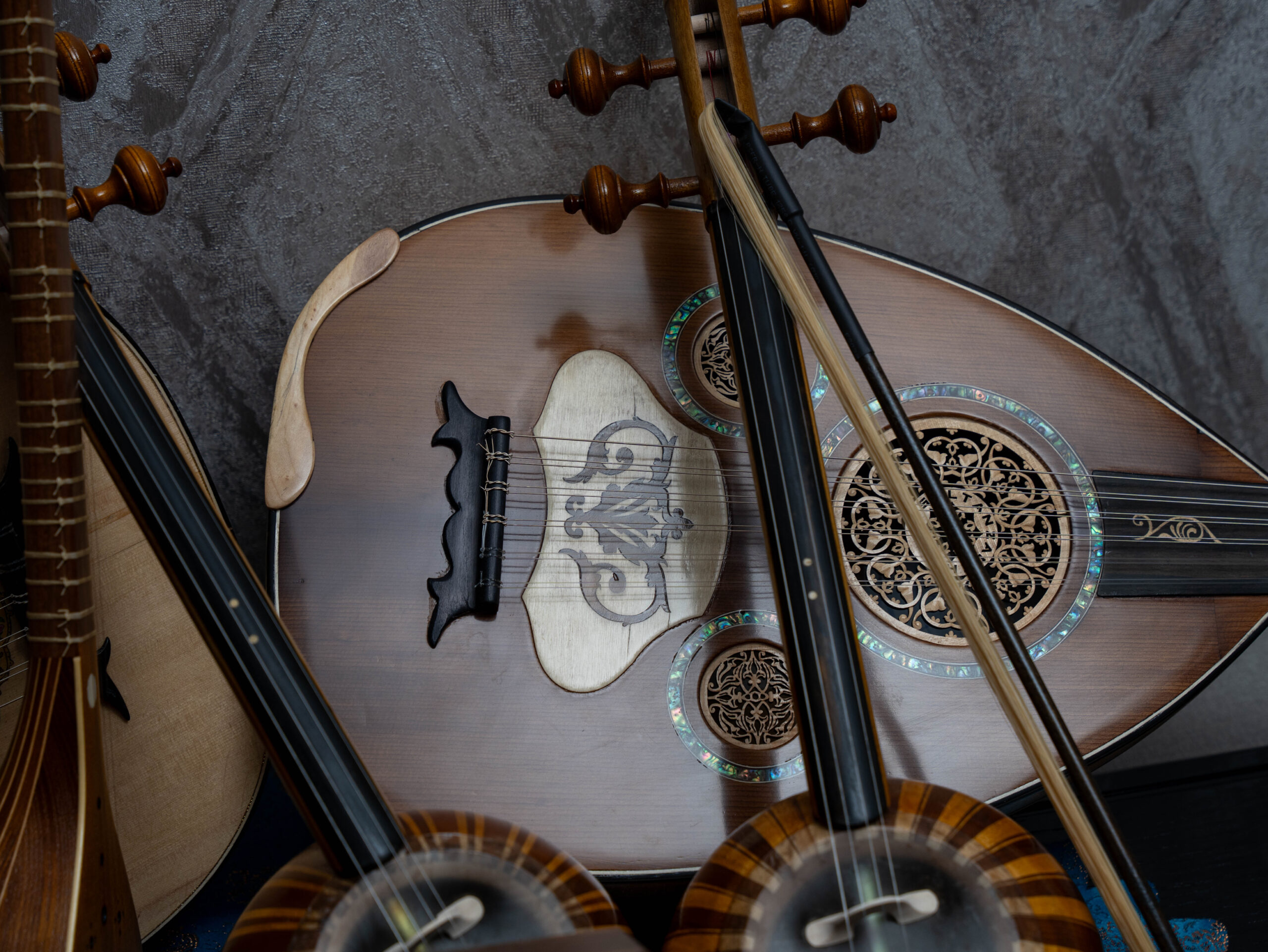
Introduction Music is the universal language of civilizations. From the earliest natural sounds to the most intricate melodies of today, musical instruments have played a crucial role in shaping cultures, rituals, and global artistry. Each instrument carries a story—its roots in history, the hands that crafted it, and the melodies it brings to life. At Art Gulf, we have curated a collection of unique, entirely( handmade )is (mastercrafted) musical instruments, preserving the legacy of civilizations while paving the way for the future of music.
This article explores different types of instruments, their historical significance, the oldest musical instruments in the world, and particularly the instruments rooted in Iran, Óman, Morocco, Egypt, tSín, India, and Italy. Finally, we discuss their value as both artistic and financial investments for collectors, musicians, and music scholars.
1.Main Categories of Musical Instruments:
Musical instruments are generally classified into four main categories:
1. String Instruments (Chordophones): Includes Tar, Setar, Oud, Kamancheh, Violin, Qanun, and Santur.
2. Percussion Instruments (Membranophones & Idiophones): Includes Tonbak, Daf, Tabla, and Bendir.
3. Wind Instruments (Aerophones): Includes Ney, Duduk, Sheng (tSín), Egyptian Nai, and Indian Shehnai.
4. Keyboard Instruments: Includes the Organ, Harpsichord, and Harmonium.
2. The Oldest Musical Instruments in the World:
1. Ancient Instruments and Their Origins
• Iran: Depictions of string instruments such as the Tar and Kamancheh have been discovered in ancient Persian paintings and seals from the Achaemenid and Parthian eras.
• Egypt: Ancient reliefs in Egyptian temples depict the Ney and Qanun, emphasizing their role in sacred and royal ceremonies.
• China: The Sheng, one of the oldest wind instruments, was crafted over 3,000 years ago.
• India: Instruments like the Sarod and Sitar are among the world’s oldest string instruments, still used in Indian classical music.
• Italy: Italy played a key role in the development of the Violin. Esteemed makers like Stradivarius in the 17th and 18th centuries crafted instruments that remain some of the most valuable in the world.
• Morocco & Oman: Various stringed and percussion instruments have deep connections to Berber and Arabic music traditions.
2. Instruments That Have Stood the Test of Time
• Oud: Originating from Mesopotamia, this versatile instrument inspired many string instruments across the world.
• Qanun: With a history of over 2,000 blianta, this instrument is central to Middle Eastern, Tuircis, and North African music.
• Kamancheh: A bowed string instrument integral to Persian and Central Asian music.
• Santur: With Persian origins, this hammered dulcimer has influenced music from India to Greece and Europe.
• Violin: Emerging from Italy, the violin has become a fundamental instrument in both Western and Eastern classical music.
3. Prominent Musical Instruments by Country
1. Iran
• Tar: Made from mulberry wood and lambskin, known for its deep and expressive tone.
• Setar: A delicate instrument used in Persian Sufi music.
• Kamancheh: A crucial bowed string instrument in Persian music.
• Santur: A trapezoidal hammered dulcimer with 72 strings, producing a mesmerizing sound.
• Tonbak: The principal goblet drum of Persian music, known for its intricate techniques.
2. Oman
• Oud: Crafted from high-quality woods like rosewood and walnut, producing a distinctive sound.
• Omani Daf: A frame drum used in traditional and ceremonial music.
3. Morocco
• Guembri: A plucked string instrument used in Gnawa music.
• Bendir: A large frame drum integral to Moroccan folk music.
4. Egypt
• Egyptian Ney: A reed flute that holds a significant place in Arabic classical music.
• Qanun: A key instrument in Arabic and Middle Eastern classical traditions.
5. China
• Sheng: One of the earliest known wind instruments, still played in traditional Chinese music.
• Guzheng: A zither-like instrument, similar to the Qanun but played with unique techniques. 6. India
• Sitar: A fundamental instrument in Hindustani classical music, known for its unique resonant sound.
• Tabla: A percussion instrument used for intricate rhythmic patterns.
7. Italy
• Violin: First developed in 16th-century Italy, the violin remains one of the most prestigious instruments in global classical music.
4. The Value of Handmade Musical Instruments:
Handmade and mastercrafted instruments not only have great artistic value but also serve as highly valuable investments over time. Factors Affecting the Value of an Instrument.
• Material and craftsmanship (e.g., walnut, rosewood, and mulberry for instruments like the Tar and Oud).
• Handmade quality and artisan skill (Master luthiers often leave a signature or mark on high-end instruments).
• Historical significance and rarity (Antique and limited-edition instruments have increased value).
• Sound quality and international standards (Certain instruments are crafted for professional performances, enhancing their market value).
5. Musical Instruments as a Cultural Investment For Collectors Handmade instruments not only have cultural and historical significance but also appreciate in value over time, making them worthy additions to private collections and museums.
For Musicians and Artists Owning a handmade instrument means possessing a unique tool that offers an unparalleled sound and personal connection to the music.
For Scholars and Enthusiasts Understanding the history and philosophy behind these instruments deepens one’s appreciation and knowledge of music. Conclusion: Music is a bridge that connects the past to the future. Every instrument is an ambassador of civilization, continuing its journey through the hands of today’s artisans and musicians. At Art- Gulf.com, we have gathered a collection of exceptional, handmade musical instruments that are not just historical treasures but also investments in the future of music.
In our sales section, each of these mastercrafted instruments is available with detailed information, valuation, and pricing.
Handicrafts
Handicrafts: From the Heart of Ancient Civilizations to the Investment of the Future Introduction:
A Timeless Legacy in Our Hands Handicrafts are more than just artistic creations—they are reflections of the soul and identity of great civilizations, from Iran, Egypt, India, and China to Oman and Morocco. These ancient arts serve as a bridge between the past and the future, each piece telling a unique story of culture, civilization, and creativity. In today’s world, where mass production dominates, handicrafts hold their ground, not only for their artistic value but also for their economic and investment potential.
The Origins of Handicrafts in Human History The first signs of handicrafts date back to the Paleolithic era, around 30,000 to 40,000 years ago, when early humans used bones, adhmaid, and stones for survival and artistic expression. However, the earliest documented artistic and handcrafted works belong to 10,000 to 12,000 years ago, when great civilizations like Sumer, Ancient Egypt, Persia, tSín, and India began creating remarkable and lasting artifacts.
The Oldest Handicraft Discoveries in the World:
1. Painted Pottery from Susa (Iaráin) – Around 8,000 years ago
2. Stone Seals from Mesopotamia – Over 7,000 years ago
3. Gold Jewelry and Gemstone Art from Ancient Egypt – 5,000 years ago
4. Chinese Silk Weaving – Over 4,500 years ago
5. Intricate Woven Fabrics from India – Over 4,000 years ago
6. Mosaic Pottery from Morocco and Oman – 3,000 years ago.
These discoveries highlight how handicrafts have always played a fundamental role in human civilization, serving not only practical purposes but also acting as cultural and artistic expressions of societies.
Handmade or a Living Art?
Inniu, terms like Handmade or Handicraft are commonly used to describe artisan products, yet these items are much more than just manually crafted objects. They carry the history, culture, and aesthetic philosophy of some of the greatest civilizations. Whether from Iran, Egypt, Morocco, Óman, India, or China, handicrafts reflect the artistic mastery and unique identity of their origins.
Why Handicrafts from Great Civilizations?
1. Authenticity and Unique Art: Handicrafts from civilizations such as Iran, Egypt, India, tSín, Óman, and Morocco are the result of thousands of years of craftsmanship, fealsúnacht, and artistic excellence.
2. A Valuable Investment: Unlike mass-produced goods, handicrafts not only retain their value over time but often appreciate. Collectors and art investors recognize this market as both secure and promising.
3. The Uniqueness of Every Piece: Each handcrafted item is one-of-a-kind. Owning a miniature Susa pottery, an Indian woven textile, or a Moroccan rug means holding a tangible piece of history and heritage.
4. A Link to Civilizations: We are the ambassadors of the world’s ancient civilizations. Handicrafts serve as a universal language, connecting people through time and culture.
The Global Market and the Future of Handicrafts With the rising demand for sustainable and authentic art, handicrafts have attracted increasing attention from investors and collectors. While digital art and NFTs are on the rise, physical handicrafts remain irreplaceable, maintaining their strong position among galleries, bailitheoirí, and art enthusiasts. Inniu, purchasing handicrafts is not only an artistic choice but also a strategic financial investment.
Conclusion: A Bridge Between Art, Investment, and the Future We are witnessing a global return to authenticity. In a world that seeks deeper connections with history, art, and culture, handicrafts remain among the most valuable assets one can invest in. Whether you are a seasoned collector or an investor searching for a dynamic and appreciating market, handicrafts from the world’s greatest civilizations open the door to beauty, value, and timeless craftsmanship.
On our platform: Art-Gulf.com you will not only experience living art but also gain the opportunity to explore and invest in the eternal world of handicrafts.
Cairpéad
Cairpéad: A Unique Jewel from the Heart of History, for Your Future
A Masterpiece, An Investment, A Timeless Legacy We have come from the heart of ancient civilizations to shape your future. What lies before you is not just a carpet—it is thousands of years of art, culture, and human civilization woven into every thread. Our carpets are not newly created; they have been centuries in the making.
Every knot is a continuation of a journey that began in the empires of antiquity, flourished under the Safavid dynasty, and has been passed down through generations of master artisans. Owning one of these carpets means becoming the custodian of a living history.
A Singular Piece of History, in Your Hands In a world where rarity defines true value, each of these carpets is one of a kind. No two pieces are alike, and each carries a unique story within its intricate patterns. Once sold, they will never be available again. These are not just carpets—they are ambassadors of civilization.
They have journeyed through the courts of Persian kings, adorned palaces, and stood as testaments to the brilliance of Iranian craftsmanship. Now, they stand before you, offering the chance to own an irreplaceable masterpiece. Value That Increases Over Time What makes a Persian carpet a priceless asset?
• A handcrafted work of art, not a mass-produced item.
• A one-of-a-kind masterpiece, not a replicated design.
• An investment that appreciates over time, not a fleeting purchase.
Just as paintings by Da Vinci and Rembrandt gain value with time, authentic Persian carpets are treasures that only grow more valuable with each passing year. An Exclusive Club, for Those Who Understand True Value This collection is reserved for individuals who recognize the depth of art, heritage, and timeless worth. You are not just a buyer—you are a guardian of cultural legacy. Your Last Chance to Own a Historic Masterpiece With each passing day, another one of these masterpieces leaves our collection forever. If you are ready to own a piece of history and secure an asset of lasting value, do not let this moment pass.
In Art-Gulf.com ,This is not just a purchase—this is a choice for eternity. We have come from the heart of ancient civilizations to shape your future.
I’ve been Curaturing since 1999
We invite artists, leading galleries, renowned collectors, and investors from around the world to join us on this unique platform—where art reaches its true value.


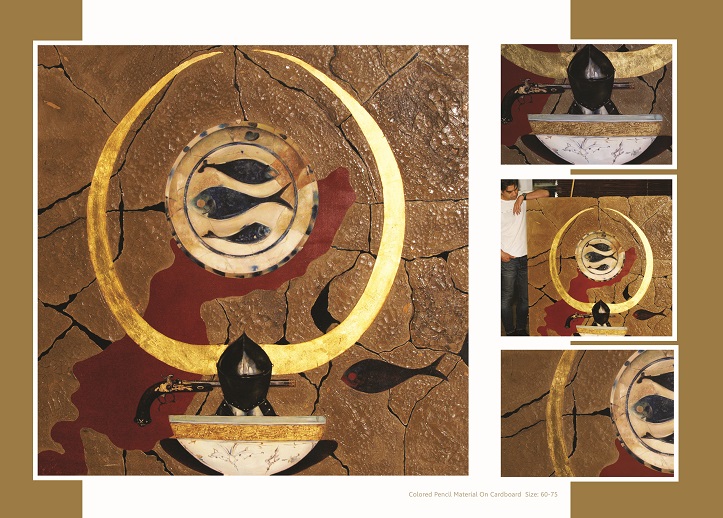
Máistir Ahmad Najafafi | Péintéir & Ealaíontóir Coincheapúil – Ó Tehran go dtí an Radharc Ealaíne Domhanda. Is ealaíontóir físiúil ón Iaráin é Ahmad Najafi a thosaigh a thuras sa phéintéireacht agus sa líníocht agus é ina dhéagóir i Tehran. Le paisean atá marthanach ar feadh na mblianta, tá guth uathúil bunaithe aige thar stíleanna ealaíne éagsúla, coincheapúil san áireamh, teibí, osréalaíoch, agus nathanna réalaíocha. Déantar a shaothair ealaíne a dhearadh agus úsáid á baint as raon leathan teicnící agus ábhar — ó phéint ola, pastail, pinn luaidhe daite, gualaigh, gouache, agus órdhuille, go canbhásanna, adhmaid, agus fabraicí traidisiúnta na hIaráine. Léiríonn gach píosa croí mhothúchánach domhain, nasc fileata idir an taithí istigh agus an fhoirm sheachtrach. Ós rud é 1999, Tá an Máistir Najafi ag múineadh péintéireachta go gníomhach ina stiúideo príobháideach, áit a bhfuil oiliúint agus spreagadh tugtha aige do ghlúin nua de lucht leanta ealaíne. Le bród mór, chuir sé go leor mac léinn isteach i saol na mínealaíne — ní hamháin san Iaráin ach ar fud an domhain freisin. Trí ranganna ar líne agus fíorúil, d'oibrigh sé le mic léinn ón Astráil, Ceanada, an Ríocht Aontaithe, na Stáit Aontaithe, Tuirc, Aontas na nÉimíríochtaí Arabacha, Óman, Cuáit, agus go leor tíortha eile. Tá ceardlanna pearsanta i gceannas aige freisin, lena n-áirítear seisiúin do bhaill de theaghlaigh uaisle traidisiúnta i gcodanna den domhan Arabach. Tá pictiúir Najafi ar taispeáint agus faighte ag bailitheoirí agus gailearaithe ar fud na cruinne. Go dtí seo, ceannaíodh nó coimisiúnaíodh na céadta dá bhunshaothar — gach ceann lena insint agus a spiorad féin — go hidirnáisiúnta, agus ar taispeáint i dánlanna príobháideacha i dtíortha ar nós an UAE, Óman, Catar, Cuáit, an RA, Stáit Aontaithe Mheiriceá, tSín, an tSeapáin, An Astráil, Tuirc, Rúis, an Iodáil, Spáinn, agus ina dhiaidh. Tá meas ag a chuid píosaí ní hamháin as a n-áilleacht aeistéitiúil ach freisin mar infheistíochtaí inbhailithe a bhfuil meas ag díograiseoirí ealaíne agus ag bailitheoirí gairmiúla araon orthu.. Táimid tar éis teacht ó chroílár na sibhialtachtaí ársa isteach i do thodhchaí - agus tá an Máistir Ahmad Najafi ar cheann de na hambasadóirí is spreagúla den turas seo.

“Sa domhan cabhlach seo, níl aon úinéireacht bhuan; tá an deis chun taitneamh a bhaint as na seoda uathúla seo imithe uainn, agus is é do sheal anois é a shealbhú, féach, teagmháil, agus na saothair luachmhara ealaíne seo a roinnt leis na glúnta atá le teacht.”
Máistir Rasoulian | Máistir Inlay Adhmaid (Moarraq) agus Snoíodóireacht Faoisimh – Ó Fhréamhacha Gan Teorainn go Sárshaothair Dhomhanda Máistir Rasoulian, rugadh san Iaráin, a thagann ó theaghlach atá fréamhaithe go domhain i dtraidisiúin na healaíne. Tógtha i dteach áit a raibh cairpéid lámhfhite mar oidhreacht an teaghlaigh agus líonadh séiseanna an cheoil agus na bhfocal traidisiúnta an t-aer., cothaíodh a paisean don ealaín ó aois an-óg. Chuir sé an-chleachtadh ar gach céim de tháirgeadh cairpéad lámhdhéanta agus d'fhorbair sé scil eisceachtúil i ngnéithe éagsúla na ceirde seo. Mar gheall ar an nasc domhain seo leis na healaíona traidisiúnta chuaigh sé i mbun oideachais fhoirmiúil i réimse na lámhcheardaíochta. I 2005, Bhain sé céim amach ó scoil theicniúil ealaíne agus níos déanaí ghnóthaigh sé céim Bhaitsiléara i nDearadh Cairpéad, a thuiscint acadúil agus ealaíne araon a dhoimhniú. Tharraing a nochtadh do chéimseata casta na bpatrún cairpéad agus aeistéitic na péintéireachta clasaiceach go nádúrtha é i dtreo an domhain inleagtha adhmaid. (Moarraq) agus snoíodóireacht rilífe (Monabat). Ó shin i leith, Tá na céadta saothar iontach cruthaithe ag an Máistir Rasoulian - ó phainéil inleagtha adhmaid agus troscán casta snoite go táblaí ornáideacha luxurious.. Is meascán uathúil den traidisiún é gach píosa dá chuid, léiriú pearsanta, agus teicníc scagtha. Easpórtáladh a shárshaothair go bródúil chuig tíortha lena n-áirítear Aontas na nÉimíríochtaí Arabacha, Cuáit, Catar, an Ríocht Aontaithe, na Stáit Aontaithe, agus go leor eile, agus tá tithe faighte acu i ngailearaithe príobháideacha agus i mbailiúcháin mhóra ar fud an domhain. Feidhmíonn a chuid ealaíne mar dhroichead idir am atá caite glórmhar agus todhchaí chruthaitheach san ealaín dhomhanda – saothair a chuireann an bheatha in adhmad ní hamháin ach a chuireann áilleacht in iúl go fileata., chéile, agus spiorad buan na daonnachta trasna sibhialtachtaí agus cultúir. Táimid tar éis teacht ó chroílár na sibhialtachtaí ársa chun do thodhchaí a mhúnlú - agus tá an Máistir Rasoulian ar cheann de na guthanna buana den turas gan ré seo.

Máistir Hossein Bishe'i | Veidhlíní a Labhraíonn, Ní Díreach Fuaim
Rugadh i Tehran - cathair a bhfuil fuaim ina chónaí i bhfíor-chreat an tsaoil - tá níos mó ná tríocha bliain caite ag an Máistir Hossein Bishe'i le fíorfhoirm cheoil a shaothrú.. Ag cur tús lena thuras i 1986 le crafting an santur, rinne sé iniúchadh ar an tarra ina dhiaidh sin, agus ó shin 2003, tá a cheird tiomnaithe go hiomlán aige don veidhlín - uirlis an Iarthair a rugadh arís ina lámha mar ábhar fuaime agus ealaíne araon. Tá gach uirlis dá chuid lámhdhéanta go hiomlán. Ó choillte a roghnaíodh go cúramach go sonraí atá scagtha go fuaimiúil, Cruthaíonn Bishe’i veidhlíní máistir-thógtha - píosaí atá in iomaíocht leis an gcaighdeán a fhaightear i dornán ceardlann ar fud an domhain. Tá teorainneacha sáraithe ag a chuid saothar. Tá ceoltóirí agus bailitheoirí géarchúiseacha bainte amach ag veidhlíní le Hossein Bishe’i in Aontas na nÉimíríochtaí Arabacha, Catar, Cuáit, Spáinn, an Iodáil, an Ríocht Aontaithe, Ceanada, na Stáit Aontaithe, agus ina dhiaidh. Inniu, seinntear a chuid uirlisí thar chúig mhór-roinn, gach ceann ag iompar guth uathúil - síniú inchloiste an ealaíontóra a mhúnlaigh é. Do Mháistir Bishe'i, ní uirlis amháin atá san veidhlín, ach soitheach spioraid. Idirphlé le hadhmad is ea a cheird—claochlú crainn a bhíodh beo go soithí síoraí. Ní hionstraimí amháin iad seo. Is saothair ealaíne iad. Is guthanna iad. Agus gach uair a sheintear ceann dá veidhlíní, ní macalla é ach nóta, ach gealltanas: "Táimid tagtha ó chroílár na sibhialtachtaí ársa go dtí do thodhchaí."
fheiceann tú go luath

Yashar Malfouzi Yashar Malfouzi is ainm dom (1978) agus rugadh mé i Tabriz, Iaráin, isteach i dteaghlach a bhí lánpháirteach i ngnó táirgeadh agus dáileadh cairpéid agus rugaí lámhdhéanta, le haghaidh 4 glúnta. Bhí an-suim agam san ealaín cairpéad ó thús mo óige, agus ag aois 12, Fuair mé mo Stádas Máistir i bhfíodóireacht cairpéad; agus d’fhoghlaim sé an fhíodóireacht go léir, próisis deisiúcháin agus fiú dathaithe. Ag aois 15, Thosaigh mé ag déanamh patrúin cabhraithe agus 3D ar chairpéid agus rugaí, ag baint úsáide as teicnící féin-mhúinte. Chun mo chuid foghlama a chur chun cinn tuilleadh, eolas agus teicníochtaí, Chuaigh mé isteach san ollscoil sa bhliain 2011, agus bhí sé in ann céim a bhaint amach le honóracha, i amháin 6 seimeastar, ó Ollscoil Ealaíne, le céim Ealaíne i nDearadh Cairpéad. Ina dhiaidh sin, chun leanúint ar aghaidh le mo chuid oideachais agus chun mo chuid eolais a shaibhriú, I started a master's degree in Arts History, a chríochnaigh mé le honóracha agus fuair mé Céim Ealaíne an Stáit. Tá mo chuid saothair rangaithe sa chéad áit freisin: Féile na Cruthaitheachta agus na Nuálaíochta ar shaothar Ioslamach, Féile Rashidi, Féile Cairpéad Barr de Tabriz (dhá bhliain as a chéile). Sa cheann deireanach 25 blianta, Tá tráchtálú déanta agam 30,000 cairpéid agus rugaí agus ón mbliain 2011, Tá tús curtha agam le mo rugaí ealaíne uathúla a chur faoi bhráid áiteanna éagsúla ar fud an domhain. Ba chóir dom a chur in iúl go bhfuil mo shaothair lámhdhéanta go hiomlán ar bhealach traidisiúnta, agus tá a bhrí ar leith féin ag gach saothar, atá leabaithe ar phatrún cabhraithe na rugaí. Tá cuspóir maisiúil ag na rugaí seo agus tá siad suite ar an mballa. Na rugaí cabhraithe seo le patrún dromchla 3D, curtha chuig na SA, Ceanada, Eilvéis, an tSeapáin, Catar, Cuáit, Aontas na nÉimíríochtaí Arabacha, an Ghearmáin agus go leor tíortha eile.