




Musical Intrusmants
Musical Instruments: A Bridge from the Heart of History to the Future of Art
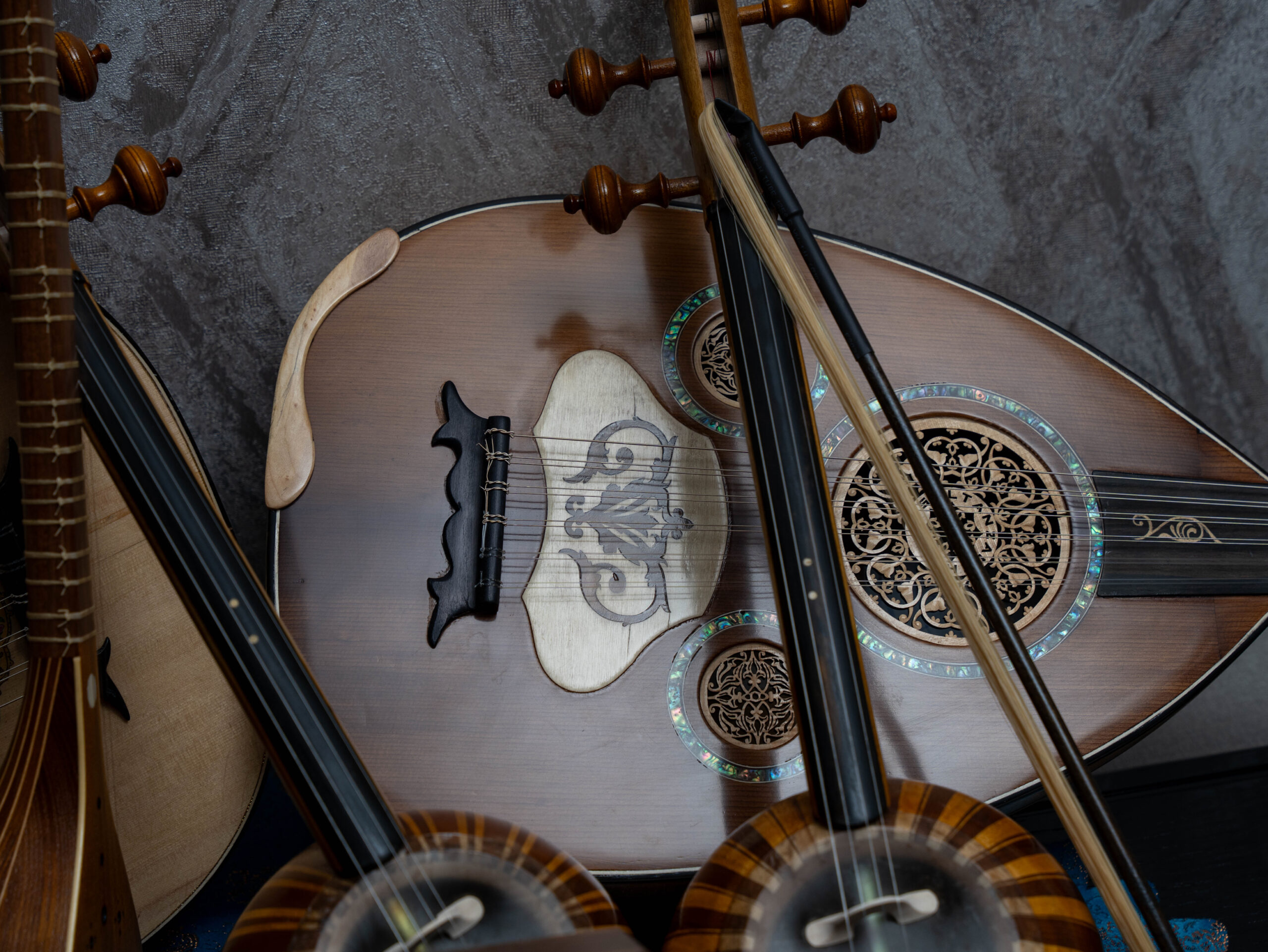
Introduction Music is the universal language of civilizations. From the earliest natural sounds to the most intricate melodies of today, musical instruments have played a crucial role in shaping cultures, rituals, and global artistry. Each instrument carries a story—its roots in history, the hands that crafted it, and the melodies it brings to life. At Art Gulf, we have curated a collection of unique, entirely( handmade )eta (mastercrafted) musical instruments, preserving the legacy of civilizations while paving the way for the future of music.
This article explores different types of instruments, their historical significance, the oldest musical instruments in the world, and particularly the instruments rooted in Iran, Oman, Morocco, Egypt, Txina, India, and Italy. Finally, we discuss their value as both artistic and financial investments for collectors, musicians, and music scholars.
1.Main Categories of Musical Instruments:
Musical instruments are generally classified into four main categories:
1. String Instruments (Chordophones): Includes Tar, Setar, Oud, Kamancheh, Violin, Qanun, and Santur.
2. Percussion Instruments (Membranophones & Idiophones): Includes Tonbak, Daf, Tabla, and Bendir.
3. Wind Instruments (Aerophones): Includes Ney, Duduk, Sheng (Txina), Egyptian Nai, and Indian Shehnai.
4. Keyboard Instruments: Includes the Organ, Harpsichord, and Harmonium.
2. The Oldest Musical Instruments in the World:
1. Ancient Instruments and Their Origins
• Iran: Depictions of string instruments such as the Tar and Kamancheh have been discovered in ancient Persian paintings and seals from the Achaemenid and Parthian eras.
• Egypt: Ancient reliefs in Egyptian temples depict the Ney and Qanun, emphasizing their role in sacred and royal ceremonies.
• China: The Sheng, one of the oldest wind instruments, was crafted over 3,000 years ago.
• India: Instruments like the Sarod and Sitar are among the world’s oldest string instruments, still used in Indian classical music.
• Italy: Italy played a key role in the development of the Violin. Esteemed makers like Stradivarius in the 17th and 18th centuries crafted instruments that remain some of the most valuable in the world.
• Morocco & Oman: Various stringed and percussion instruments have deep connections to Berber and Arabic music traditions.
2. Instruments That Have Stood the Test of Time
• Oud: Originating from Mesopotamia, this versatile instrument inspired many string instruments across the world.
• Qanun: With a history of over 2,000 urteak, this instrument is central to Middle Eastern, Turkish, and North African music.
• Kamancheh: A bowed string instrument integral to Persian and Central Asian music.
• Santur: With Persian origins, this hammered dulcimer has influenced music from India to Greece and Europe.
• Violin: Emerging from Italy, the violin has become a fundamental instrument in both Western and Eastern classical music.
3. Prominent Musical Instruments by Country
1. Iran
• Tar: Made from mulberry wood and lambskin, known for its deep and expressive tone.
• Setar: A delicate instrument used in Persian Sufi music.
• Kamancheh: A crucial bowed string instrument in Persian music.
• Santur: A trapezoidal hammered dulcimer with 72 strings, producing a mesmerizing sound.
• Tonbak: The principal goblet drum of Persian music, known for its intricate techniques.
2. Oman
• Oud: Crafted from high-quality woods like rosewood and walnut, producing a distinctive sound.
• Omani Daf: A frame drum used in traditional and ceremonial music.
3. Morocco
• Guembri: A plucked string instrument used in Gnawa music.
• Bendir: A large frame drum integral to Moroccan folk music.
4. Egypt
• Egyptian Ney: A reed flute that holds a significant place in Arabic classical music.
• Qanun: A key instrument in Arabic and Middle Eastern classical traditions.
5. China
• Sheng: One of the earliest known wind instruments, still played in traditional Chinese music.
• Guzheng: A zither-like instrument, similar to the Qanun but played with unique techniques. 6. India
• Sitar: A fundamental instrument in Hindustani classical music, known for its unique resonant sound.
• Tabla: A percussion instrument used for intricate rhythmic patterns.
7. Italy
• Violin: First developed in 16th-century Italy, the violin remains one of the most prestigious instruments in global classical music.
4. The Value of Handmade Musical Instruments:
Handmade and mastercrafted instruments not only have great artistic value but also serve as highly valuable investments over time. Factors Affecting the Value of an Instrument.
• Material and craftsmanship (e.g., walnut, rosewood, and mulberry for instruments like the Tar and Oud).
• Handmade quality and artisan skill (Master luthiers often leave a signature or mark on high-end instruments).
• Historical significance and rarity (Antique and limited-edition instruments have increased value).
• Sound quality and international standards (Certain instruments are crafted for professional performances, enhancing their market value).
5. Musical Instruments as a Cultural Investment For Collectors Handmade instruments not only have cultural and historical significance but also appreciate in value over time, making them worthy additions to private collections and museums.
For Musicians and Artists Owning a handmade instrument means possessing a unique tool that offers an unparalleled sound and personal connection to the music.
For Scholars and Enthusiasts Understanding the history and philosophy behind these instruments deepens one’s appreciation and knowledge of music. Conclusion: Music is a bridge that connects the past to the future. Every instrument is an ambassador of civilization, continuing its journey through the hands of today’s artisans and musicians. At Art- Gulf.com, we have gathered a collection of exceptional, handmade musical instruments that are not just historical treasures but also investments in the future of music.
In our sales section, each of these mastercrafted instruments is available with detailed information, valuation, and pricing.
Handicrafts
Handicrafts: From the Heart of Ancient Civilizations to the Investment of the Future Introduction:
A Timeless Legacy in Our Hands Handicrafts are more than just artistic creations—they are reflections of the soul and identity of great civilizations, from Iran, Egypt, India, and China to Oman and Morocco. These ancient arts serve as a bridge between the past and the future, each piece telling a unique story of culture, civilization, and creativity. In today’s world, where mass production dominates, handicrafts hold their ground, not only for their artistic value but also for their economic and investment potential.
The Origins of Handicrafts in Human History The first signs of handicrafts date back to the Paleolithic era, around 30,000 to 40,000 years ago, when early humans used bones, egurra, and stones for survival and artistic expression. However, the earliest documented artistic and handcrafted works belong to 10,000 to 12,000 years ago, when great civilizations like Sumer, Ancient Egypt, Persia, Txina, and India began creating remarkable and lasting artifacts.
The Oldest Handicraft Discoveries in the World:
1. Painted Pottery from Susa (Iran) – Around 8,000 years ago
2. Stone Seals from Mesopotamia – Over 7,000 years ago
3. Gold Jewelry and Gemstone Art from Ancient Egypt – 5,000 years ago
4. Chinese Silk Weaving – Over 4,500 years ago
5. Intricate Woven Fabrics from India – Over 4,000 years ago
6. Mosaic Pottery from Morocco and Oman – 3,000 years ago.
These discoveries highlight how handicrafts have always played a fundamental role in human civilization, serving not only practical purposes but also acting as cultural and artistic expressions of societies.
Handmade or a Living Art?
Gaur, terms like Handmade or Handicraft are commonly used to describe artisan products, yet these items are much more than just manually crafted objects. They carry the history, kultura, and aesthetic philosophy of some of the greatest civilizations. Whether from Iran, Egypt, Morocco, Oman, India, or China, handicrafts reflect the artistic mastery and unique identity of their origins.
Why Handicrafts from Great Civilizations?
1. Authenticity and Unique Art: Handicrafts from civilizations such as Iran, Egypt, India, Txina, Oman, and Morocco are the result of thousands of years of craftsmanship, filosofia, and artistic excellence.
2. A Valuable Investment: Unlike mass-produced goods, handicrafts not only retain their value over time but often appreciate. Collectors and art investors recognize this market as both secure and promising.
3. The Uniqueness of Every Piece: Each handcrafted item is one-of-a-kind. Owning a miniature Susa pottery, an Indian woven textile, or a Moroccan rug means holding a tangible piece of history and heritage.
4. A Link to Civilizations: We are the ambassadors of the world’s ancient civilizations. Handicrafts serve as a universal language, connecting people through time and culture.
The Global Market and the Future of Handicrafts With the rising demand for sustainable and authentic art, handicrafts have attracted increasing attention from investors and collectors. While digital art and NFTs are on the rise, physical handicrafts remain irreplaceable, maintaining their strong position among galleries, collectors, and art enthusiasts. Gaur, purchasing handicrafts is not only an artistic choice but also a strategic financial investment.
Conclusion: A Bridge Between Art, Investment, and the Future We are witnessing a global return to authenticity. In a world that seeks deeper connections with history, art, and culture, handicrafts remain among the most valuable assets one can invest in. Whether you are a seasoned collector or an investor searching for a dynamic and appreciating market, handicrafts from the world’s greatest civilizations open the door to beauty, value, and timeless craftsmanship.
On our platform: Art-Gulf.com you will not only experience living art but also gain the opportunity to explore and invest in the eternal world of handicrafts.
Alfonbra
Alfonbra: A Unique Jewel from the Heart of History, for Your Future
A Masterpiece, An Investment, A Timeless Legacy We have come from the heart of ancient civilizations to shape your future. What lies before you is not just a carpet—it is thousands of years of art, kultura, and human civilization woven into every thread. Our carpets are not newly created; they have been centuries in the making.
Every knot is a continuation of a journey that began in the empires of antiquity, flourished under the Safavid dynasty, and has been passed down through generations of master artisans. Owning one of these carpets means becoming the custodian of a living history.
A Singular Piece of History, in Your Hands In a world where rarity defines true value, each of these carpets is one of a kind. No two pieces are alike, and each carries a unique story within its intricate patterns. Once sold, they will never be available again. These are not just carpets—they are ambassadors of civilization.
They have journeyed through the courts of Persian kings, adorned palaces, and stood as testaments to the brilliance of Iranian craftsmanship. Now, they stand before you, offering the chance to own an irreplaceable masterpiece. Value That Increases Over Time What makes a Persian carpet a priceless asset?
• A handcrafted work of art, not a mass-produced item.
• A one-of-a-kind masterpiece, not a replicated design.
• An investment that appreciates over time, not a fleeting purchase.
Just as paintings by Da Vinci and Rembrandt gain value with time, authentic Persian carpets are treasures that only grow more valuable with each passing year. An Exclusive Club, for Those Who Understand True Value This collection is reserved for individuals who recognize the depth of art, heritage, and timeless worth. You are not just a buyer—you are a guardian of cultural legacy. Your Last Chance to Own a Historic Masterpiece With each passing day, another one of these masterpieces leaves our collection forever. If you are ready to own a piece of history and secure an asset of lasting value, do not let this moment pass.
In Art-Gulf.com ,This is not just a purchase—this is a choice for eternity. We have come from the heart of ancient civilizations to shape your future.
I’ve been Curaturing since 1999
We invite artists, leading galleries, renowned collectors, and investors from around the world to join us on this unique platform—where art reaches its true value.


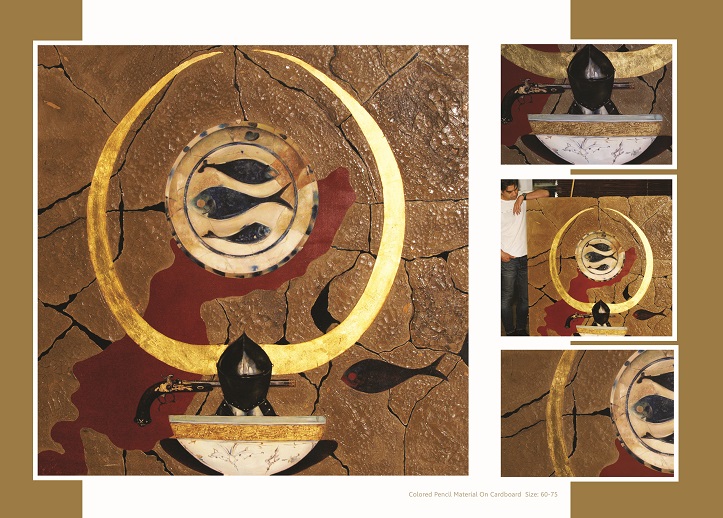
Ahmad Najafafi Masterra | Margolaria & Artista kontzeptuala - Teheranetik artearen eszena globalera. Ahmad Najafi Irango artista ikusgarria da, eta pinturan eta marrazkian egindako bidaia Teheranen bere nerabezaroan hasi zen.. Hamarkadetan iraun duen grinaz, ahots berezia ezarri du hainbat estilo artistikotan, kontzeptualak barne, abstraktua, surrealista, eta adierazpen errealistak. Bere artelanak teknika eta material ugari erabiliz eginak dira, olio-pinturatik, pastelak, koloretako arkatzak, ikatza, gouache, eta urre hostoa, mihiseetara, egurra, eta Irango ehun tradizionalak. Pieza bakoitzak muin emozional sakona islatzen du, barne-esperientziaren eta kanpoko formaren arteko lotura poetikoa. Geroztik 1999, Najafi maisua margolaritza irakasten ari da bere estudio pribatuan, bertan, arte-zaleen belaunaldi berri bat trebatu eta inspiratu du. Harrotasun handiz, ikasle ugari sartu ditu arte ederren munduan — Iranen ez ezik, mundu osoan ere. Klase online eta birtualen bidez, Australiako ikasleekin lan egin du, Kanada, Erresuma Batua, Estatu Batuak, Turkia, Arabiar Emirerri Batuak, Oman, Kuwait, eta beste hainbat herrialde. Tailerrak ere zuzendu ditu pertsonalki, besteak beste, arabiar munduko lekuetako familia aristokratiko tradizionaletako kideentzako saioak. Najafiren margolanak mundu osoko bildumagile eta galeriek erakutsi eta erosi dituzte. Orain arte, bere jatorrizko ehunka lan —bakoitza bere narratiba eta izpirituarekin— erosi edo enkargatu dira nazioartean, eta galeria pribatuetan ikusgai, hala nola EAEko herrialdeetan, Oman, Qatar, Kuwait, Erresuma Batua, AEB, Txina, Japonia, Australia, Turkia, Errusia, Italia, Espainia, eta harago. Bere piezak miresten dira edertasun estetikoagatik ez ezik, arte zaleek eta bildumazale profesionalek miresten dituzten bilduma-inbertsio gisa ere.. Antzinako zibilizazioen bihotzetik zure etorkizunera etorri gara - eta Ahmad Najafi maisua bidaia honen enbaxadorerik zirraragarrienetako bat da.

«Mundu iheskor honetan, jabetza ez da iraunkorra; altxor paregabe hauetaz gozatzeko aukera pasatu zaigu, eta orain zure txanda da jabetzea, ikusi, ukitu, eta partekatu artelan baliotsu hauek etorkizuneko belaunaldiekin».

Rasoulian maisua | Egurrezko inkrustazioaren maisua (Moarraq) eta Erliebe Taila - Timeless Roots-etatik Global Masterpieces Master Rasoulian, Iranen jaioa, artearen tradizioetan oso errotuta dagoen familia batetik dator. Eskuz ehundutako alfonbrak familiaren ondarea ziren eta musika eta ahots tradizionalaren doinuek airea betetzen zuten etxe batean hazi zen., artearekiko zaletasuna txikitatik elikatu zen. Eskuz egindako alfonbrak ekoizteko fase guztiak oso ondo ezagutu zituen eta aparteko trebetasuna garatu zuen eskulan honen hainbat alderditan.. Arte tradizionalekiko lotura sakon horrek eskulangintzaren alorrean hezkuntza formala egitera eraman zuen. In 2005, arte eskola tekniko batean graduatu zen eta gero Alfonbra Diseinuko lizentziatura lortu zuen, bere ulermen akademikoan zein artistikoan sakonduz. Alfonbra-ereduen geometria konplexuarekin eta pintura klasikoaren estetikarekin egoteak modu naturalean egurrezko inkrustazioaren mundura eraman zuen. (Moarraq) eta erliebe taila (Monabbat). Harrezkero, Rasoulian maisuak ehunka lan aipagarri sortu ditu, egurrezko inkrustazio-paneletatik eta modu korapilatsu landutako altzarietatik hasi eta luxuzko apaingarri-mahaietaraino.. Bere pieza bakoitza tradizioaren fusio berezia da, adierazpen pertsonala, eta teknika findua. Bere maisulanak harro esportatu dira Arabiar Emirerri Batuetara barne, Kuwait, Qatar, Erresuma Batua, Estatu Batuak, eta beste asko, eta mundu osoko galeria pribatuetan eta bilduma ospetsuetan aurkitu dituzte etxeak. nBere arteak iragan loriatsu baten eta etorkizun sortzailearen arteko zubi gisa balio du mundu mailako artegintzan; egurra arnasten ez ezik, edertasuna poetikoki adierazten duten lanak., harmonia, eta gizateriaren izpiritu iraunkorra zibilizazio eta kulturetan zehar. Antzinako zibilizazioen bihotzetik etorri gara zure etorkizuna moldatzeko, eta Rasoulian maisua betiko bidaia honen ahots iraunkorretako bat da..

Hossein Bishe'i maisua | Hitz egiten duten biolinak, Ez Soinua bakarrik
Teheranen jaioa —soinua bizitzaren oinarrian bizi den hirian—, Hossein Bishe'i maisuak hiru hamarkada baino gehiago eman ditu musika forma hutsaren bila.. Bere bidaia hasita 1986 santurren lanketarekin, gerora arakatu zuen tar, eta geroztik 2003, bere lanbidea biolinari eskaini dio oso-osorik — bere eskuetan berpiztutako mendebaldeko instrumentua soinu zein arte objektu gisa.. Bere instrumentu bakoitza eskuz egindakoa da. Arretaz hautatutako basetatik hasi eta akustikoki findutako xehetasunetara, Bishe'i-k maisu eraikitako biolinak sortzen ditu, mundu osoko tailer gutxitan aurkitutako kalitatearen pareko piezak.. Bere lanek mugak gainditu dituzte. Hossein Bishe'iren biolinak Arabiar Emirerri Batuetako musikari eta bildumazale zorrotzenengana iritsi dira., Qatar, Kuwait, Espainia, Italia, Erresuma Batua, Kanada, Estatu Batuak, eta harago. Gaur, bere instrumentuak bost kontinenteetan zehar jotzen dira, bakoitzak ahots berezia daramala, hura moldatu zuen artistaren sinadura entzungarria. Bishe'i maisuarentzat, biolina ez da tresna hutsa, baina izpirituaren ontzi bat. Bere artisautza egurrarekin elkarrizketa bat da, garai batean bizi ziren zuhaitzak betiko soinuaren ontzi bihurtzea. Hauek ez dira instrumentuak soilik. Artelanak dira. Ahotsak dira. Eta bere biolin bat jotzen den bakoitzean, ez du oihartzun bat bakarrik ohar bat, baina promesa bat: "Antzinako zibilizazioen bihotzetik zure etorkizunera etorri gara".
laster arte

Yashar Malfouzi Nire izena Yashar Malfouzi da (1978) eta Tabrizen jaio nintzen, Iran, eskuz egindako alfonbrak eta alfonbrak ekoizteko eta banatzeko negozioan guztiz arduratzen zen familia batean, rentzat 4 belaunaldiak. Alfonbra artea oso interesatuta egon nintzen haurtzaroaren hasieratik, eta urtekin 12, Nire Master Status lortu nuen alfonbrak ehuntzen; eta ehungintza guztia ikasi zuen, konponketa eta baita tindaketa prozesuak ere. Urtean 15, Alfonbra eta alfonbretan embossed eta 3D ereduak egiten hasi nintzen, teknika autodidaktak erabiliz. Nire ikaskuntza gehiago aurreratzeko, ezagutzak eta teknikak, urtean unibertsitatean sartu nintzen 2011, eta ohoreekin graduatu ahal izan zen, barruan bakarrik 6 seihilekoak, Arte Unibertsitatetik, Alfonbra Diseinuko Arte graduarekin. Ondoren, nire heziketa jarraitzeko eta nire ezagutzak aberasteko, I started a master's degree in Arts History, ohoreekin amaitu nuen eta Estatuko Arte Gradua jaso nuen. Nire lanak ere lehen sailkatu dira: Lan islamiarren sormenaren eta berrikuntzaren jaialdia, Rashidi jaialdia, Tabrizko Alfonbra Nagusien Jaialdia (bi urte jarraian). Azkenean 25 urteak, Komertzializatu dut 30,000 alfonbrak eta alfonbrak eta urteaz geroztik 2011, Nire alfonbra artistiko bereziak munduko hainbat tokitara bidaltzen hasi naiz. Adierazi behar dut nire lanak modu tradizionalean erabat eskuz egindakoak direla, eta lan bakoitzak bere esanahi berezia du, alfonbretako erliebe-ereduan txertatu dena. Alfonbra hauek apaintzeko xedea dute eta horman muntatzen dira. Alfonbra hauek 3D gainazal eredua, AEBetara bidali dira, Kanada, Suitza, Japonia, Qatar, Kuwait, Arabiar Emirerri Batuak, Alemania eta beste hainbat herrialde.