




Musical Intrusmants
Musical Instruments: A Bridge from the Heart of History to the Future of Art
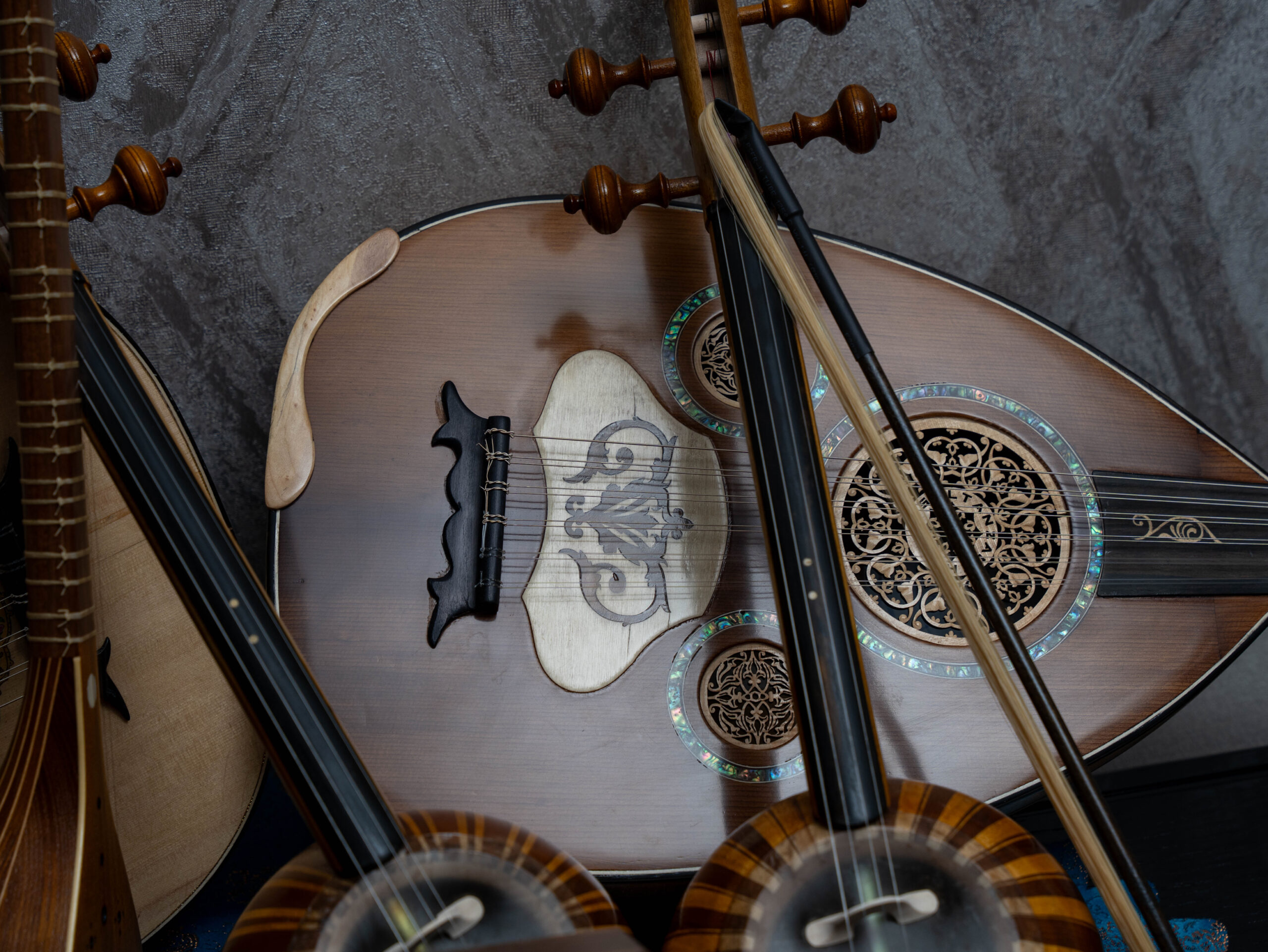
Introduction Music is the universal language of civilizations. From the earliest natural sounds to the most intricate melodies of today, musical instruments have played a crucial role in shaping cultures, rituals, and global artistry. Each instrument carries a story—its roots in history, the hands that crafted it, and the melodies it brings to life. At Art Gulf, we have curated a collection of unique, entirely( handmade )ja (mastercrafted) musical instruments, preserving the legacy of civilizations while paving the way for the future of music.
This article explores different types of instruments, their historical significance, the oldest musical instruments in the world, and particularly the instruments rooted in Iran, Omaan, Morocco, Egypt, Hiina, India, and Italy. Finally, we discuss their value as both artistic and financial investments for collectors, musicians, and music scholars.
1.Main Categories of Musical Instruments:
Musical instruments are generally classified into four main categories:
1. String Instruments (Chordophones): Includes Tar, Setar, Oud, Kamancheh, Violin, Qanun, and Santur.
2. Percussion Instruments (Membranophones & Idiophones): Includes Tonbak, Daf, Tabla, and Bendir.
3. Wind Instruments (Aerophones): Includes Ney, Duduk, Sheng (Hiina), Egyptian Nai, and Indian Shehnai.
4. Keyboard Instruments: Includes the Organ, Harpsichord, and Harmonium.
2. The Oldest Musical Instruments in the World:
1. Ancient Instruments and Their Origins
• Iran: Depictions of string instruments such as the Tar and Kamancheh have been discovered in ancient Persian paintings and seals from the Achaemenid and Parthian eras.
• Egypt: Ancient reliefs in Egyptian temples depict the Ney and Qanun, emphasizing their role in sacred and royal ceremonies.
• China: The Sheng, one of the oldest wind instruments, was crafted over 3,000 years ago.
• India: Instruments like the Sarod and Sitar are among the world’s oldest string instruments, still used in Indian classical music.
• Italy: Italy played a key role in the development of the Violin. Esteemed makers like Stradivarius in the 17th and 18th centuries crafted instruments that remain some of the most valuable in the world.
• Morocco & Oman: Various stringed and percussion instruments have deep connections to Berber and Arabic music traditions.
2. Instruments That Have Stood the Test of Time
• Oud: Originating from Mesopotamia, this versatile instrument inspired many string instruments across the world.
• Qanun: With a history of over 2,000 aastat, this instrument is central to Middle Eastern, Turkish, and North African music.
• Kamancheh: A bowed string instrument integral to Persian and Central Asian music.
• Santur: With Persian origins, this hammered dulcimer has influenced music from India to Greece and Europe.
• Violin: Emerging from Italy, the violin has become a fundamental instrument in both Western and Eastern classical music.
3. Prominent Musical Instruments by Country
1. Iran
• Tar: Made from mulberry wood and lambskin, known for its deep and expressive tone.
• Setar: A delicate instrument used in Persian Sufi music.
• Kamancheh: A crucial bowed string instrument in Persian music.
• Santur: A trapezoidal hammered dulcimer with 72 strings, producing a mesmerizing sound.
• Tonbak: The principal goblet drum of Persian music, known for its intricate techniques.
2. Oman
• Oud: Crafted from high-quality woods like rosewood and walnut, producing a distinctive sound.
• Omani Daf: A frame drum used in traditional and ceremonial music.
3. Morocco
• Guembri: A plucked string instrument used in Gnawa music.
• Bendir: A large frame drum integral to Moroccan folk music.
4. Egypt
• Egyptian Ney: A reed flute that holds a significant place in Arabic classical music.
• Qanun: A key instrument in Arabic and Middle Eastern classical traditions.
5. China
• Sheng: One of the earliest known wind instruments, still played in traditional Chinese music.
• Guzheng: A zither-like instrument, similar to the Qanun but played with unique techniques. 6. India
• Sitar: A fundamental instrument in Hindustani classical music, known for its unique resonant sound.
• Tabla: A percussion instrument used for intricate rhythmic patterns.
7. Italy
• Violin: First developed in 16th-century Italy, the violin remains one of the most prestigious instruments in global classical music.
4. The Value of Handmade Musical Instruments:
Handmade and mastercrafted instruments not only have great artistic value but also serve as highly valuable investments over time. Factors Affecting the Value of an Instrument.
• Material and craftsmanship (e.g., walnut, rosewood, and mulberry for instruments like the Tar and Oud).
• Handmade quality and artisan skill (Master luthiers often leave a signature or mark on high-end instruments).
• Historical significance and rarity (Antique and limited-edition instruments have increased value).
• Sound quality and international standards (Certain instruments are crafted for professional performances, enhancing their market value).
5. Musical Instruments as a Cultural Investment For Collectors Handmade instruments not only have cultural and historical significance but also appreciate in value over time, making them worthy additions to private collections and museums.
For Musicians and Artists Owning a handmade instrument means possessing a unique tool that offers an unparalleled sound and personal connection to the music.
For Scholars and Enthusiasts Understanding the history and philosophy behind these instruments deepens one’s appreciation and knowledge of music. Conclusion: Music is a bridge that connects the past to the future. Every instrument is an ambassador of civilization, continuing its journey through the hands of today’s artisans and musicians. At Art- Gulf.com, we have gathered a collection of exceptional, handmade musical instruments that are not just historical treasures but also investments in the future of music.
In our sales section, each of these mastercrafted instruments is available with detailed information, valuation, and pricing.
Handicrafts
Handicrafts: From the Heart of Ancient Civilizations to the Investment of the Future Introduction:
A Timeless Legacy in Our Hands Handicrafts are more than just artistic creations—they are reflections of the soul and identity of great civilizations, from Iran, Egypt, India, and China to Oman and Morocco. These ancient arts serve as a bridge between the past and the future, each piece telling a unique story of culture, civilization, and creativity. In today’s world, where mass production dominates, handicrafts hold their ground, not only for their artistic value but also for their economic and investment potential.
The Origins of Handicrafts in Human History The first signs of handicrafts date back to the Paleolithic era, around 30,000 to 40,000 years ago, when early humans used bones, puit, and stones for survival and artistic expression. However, the earliest documented artistic and handcrafted works belong to 10,000 to 12,000 years ago, when great civilizations like Sumer, Ancient Egypt, Persia, Hiina, and India began creating remarkable and lasting artifacts.
The Oldest Handicraft Discoveries in the World:
1. Painted Pottery from Susa (Iraan) – Around 8,000 years ago
2. Stone Seals from Mesopotamia – Over 7,000 years ago
3. Gold Jewelry and Gemstone Art from Ancient Egypt – 5,000 years ago
4. Chinese Silk Weaving – Over 4,500 years ago
5. Intricate Woven Fabrics from India – Over 4,000 years ago
6. Mosaic Pottery from Morocco and Oman – 3,000 years ago.
These discoveries highlight how handicrafts have always played a fundamental role in human civilization, serving not only practical purposes but also acting as cultural and artistic expressions of societies.
Handmade or a Living Art?
Täna, terms like Handmade or Handicraft are commonly used to describe artisan products, yet these items are much more than just manually crafted objects. They carry the history, culture, and aesthetic philosophy of some of the greatest civilizations. Whether from Iran, Egypt, Morocco, Omaan, India, or China, handicrafts reflect the artistic mastery and unique identity of their origins.
Why Handicrafts from Great Civilizations?
1. Authenticity and Unique Art: Handicrafts from civilizations such as Iran, Egypt, India, Hiina, Omaan, and Morocco are the result of thousands of years of craftsmanship, filosoofia, and artistic excellence.
2. A Valuable Investment: Unlike mass-produced goods, handicrafts not only retain their value over time but often appreciate. Collectors and art investors recognize this market as both secure and promising.
3. The Uniqueness of Every Piece: Each handcrafted item is one-of-a-kind. Owning a miniature Susa pottery, an Indian woven textile, or a Moroccan rug means holding a tangible piece of history and heritage.
4. A Link to Civilizations: We are the ambassadors of the world’s ancient civilizations. Handicrafts serve as a universal language, connecting people through time and culture.
The Global Market and the Future of Handicrafts With the rising demand for sustainable and authentic art, handicrafts have attracted increasing attention from investors and collectors. While digital art and NFTs are on the rise, physical handicrafts remain irreplaceable, maintaining their strong position among galleries, kollektsionäärid, and art enthusiasts. Täna, purchasing handicrafts is not only an artistic choice but also a strategic financial investment.
Conclusion: A Bridge Between Art, Investment, and the Future We are witnessing a global return to authenticity. In a world that seeks deeper connections with history, art, and culture, handicrafts remain among the most valuable assets one can invest in. Whether you are a seasoned collector or an investor searching for a dynamic and appreciating market, handicrafts from the world’s greatest civilizations open the door to beauty, value, and timeless craftsmanship.
On our platform: Art-Gulf.com you will not only experience living art but also gain the opportunity to explore and invest in the eternal world of handicrafts.

Vaip
Vaip: A Unique Jewel from the Heart of History, for Your Future
A Masterpiece, An Investment, A Timeless Legacy We have come from the heart of ancient civilizations to shape your future. What lies before you is not just a carpet—it is thousands of years of art, culture, and human civilization woven into every thread. Our carpets are not newly created; they have been centuries in the making.
Every knot is a continuation of a journey that began in the empires of antiquity, flourished under the Safavid dynasty, and has been passed down through generations of master artisans. Owning one of these carpets means becoming the custodian of a living history.
A Singular Piece of History, in Your Hands In a world where rarity defines true value, each of these carpets is one of a kind. No two pieces are alike, and each carries a unique story within its intricate patterns. Once sold, they will never be available again. These are not just carpets—they are ambassadors of civilization.
They have journeyed through the courts of Persian kings, adorned palaces, and stood as testaments to the brilliance of Iranian craftsmanship. Nüüd, they stand before you, offering the chance to own an irreplaceable masterpiece. Value That Increases Over Time What makes a Persian carpet a priceless asset?
• A handcrafted work of art, not a mass-produced item.
• A one-of-a-kind masterpiece, not a replicated design.
• An investment that appreciates over time, not a fleeting purchase.
Just as paintings by Da Vinci and Rembrandt gain value with time, authentic Persian carpets are treasures that only grow more valuable with each passing year. An Exclusive Club, for Those Who Understand True Value This collection is reserved for individuals who recognize the depth of art, heritage, and timeless worth. You are not just a buyer—you are a guardian of cultural legacy. Your Last Chance to Own a Historic Masterpiece With each passing day, another one of these masterpieces leaves our collection forever. If you are ready to own a piece of history and secure an asset of lasting value, do not let this moment pass.
In Art-Gulf.com ,This is not just a purchase—this is a choice for eternity. We have come from the heart of ancient civilizations to shape your future.
I’ve been Curaturing since 1999
We invite artists, leading galleries, renowned collectors, and investors from around the world to join us on this unique platform—where art reaches its true value.


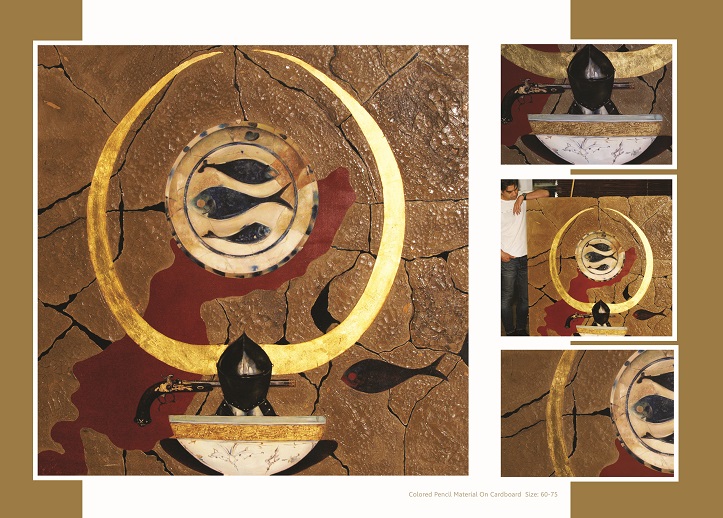
Meister Ahmad Najafi | Maalikunstnik & Kontseptuaalne kunstnik – Teheranist globaalse kunstimaastikuni .Ahmad Najafi on visionäär Iraani kunstnik, kelle teekond maalimise ja joonistamise vallas sai alguse teismeeas Teheranis. Aastakümneid kestnud kirega, ta on loonud ainulaadse hääle erinevate kunstistiilide lõikes, sealhulgas kontseptuaalne, abstraktne, sürrealist, ja realistlikud väljendid. Tema kunstiteosed on valmistatud mitmesuguste tehnikate ja materjalidega – alates õlivärvist, pastellid, värvilised pliiatsid, süsi, guašš, ja kuldleht, lõuenditele, puit, ja traditsioonilised Iraani kangad. Iga tükk peegeldab sügavat emotsionaalset tuuma, poeetiline seos sisemise kogemuse ja välise vormi vahel. Alates 1999, Meister Najafi on oma erastuudios aktiivselt maalikunsti õpetanud, kus ta on koolitanud ja inspireerinud uut põlvkonda kunstisõpru. Suure uhkusega, ta on tutvustanud arvukatele õpilastele kujutava kunsti maailma – mitte ainult Iraanis, vaid ka kogu maailmas. Veebi- ja virtuaaltundide kaudu, ta on töötanud õpilastega Austraaliast, Kanada, Ühendkuningriik, Ameerika Ühendriigid, Türgi, Araabia Ühendemiraadid, Omaan, Kuveit, ja paljud teised riigid. Ta on juhtinud ka isiklikke töötubasid, sealhulgas seansid traditsiooniliste aristokraatlike perekondade liikmetele araabia maailma osades. Najafi maale on eksponeeritud ja omandanud kollektsionäärid ja galeriid üle kogu maailma. Tänaseks, sadu tema originaalteoseid, millest igaühel on oma narratiiv ja vaim, on ostetud või tellitud rahvusvaheliselt, ja kuvatakse eragaleriides sellistes riikides nagu AÜE, Omaan, Katar, Kuveit, Ühendkuningriik, USA, Hiina, Jaapan, Austraalia, Türgi, Venemaa, Itaalia, Hispaania, ja kaugemalegi. Tema teoseid imetletakse mitte ainult nende esteetilise ilu pärast, vaid ka kogumisinvesteeringutena, mida hindavad nii kunstihuvilised kui ka professionaalsed kollektsionäärid.. Oleme tulnud iidsete tsivilisatsioonide südamest teie tulevikku – ja meister Ahmad Najafi on selle teekonna üks inspireerivamaid saadikuid.

"Selles põgusas maailmas, ükski omand pole püsiv; võimalus nautida neid ainulaadseid aardeid on meist läbi käinud, ja nüüd on teie kord omada, vaata, puudutada, ja jagage neid väärtuslikke kunstiteoseid tulevaste põlvedega.

Meister Rasoulian | Puiduinlay meister (Moarraq) ja reljeefne nikerdamine – ajatutest juurtest ülemaailmsete meistriteosteni meister Rasoulian, sündinud Iraanis, pärineb sügavalt kunstitraditsioonidesse juurdunud perekonnast. Kasvatatud majapidamises, kus käsitsi kootud vaibad olid pere pärand ning traditsioonilise muusika meloodiad ja vokaal täitsid õhku, tema kirg kunsti vastu kasvas juba varakult. Ta tutvus põhjalikult käsitsi valmistatud vaipade tootmise iga etapiga ja arendas välja erakordsed oskused selle käsitöö eri aspektides. See sügav side traditsiooniliste kunstidega viis ta omandama formaalset haridust käsitöö vallas. sisse 2005, ta lõpetas tehnilise kunstikooli ja omandas hiljem bakalaureusekraadi vaibakujunduses, süvendada nii tema akadeemilist kui kunstilist arusaama. Tema kokkupuude vaibamustrite keerulise geomeetria ja klassikalise maali esteetikaga tõmbas teda loomulikult puidust inkrustatsioonimaailma poole. (Moarraq) ja reljeefne nikerdamine (Monabbat). Sellest ajast peale, Meister Rasoulian on loonud sadu tähelepanuväärseid teoseid – alates puidust inkrustatsioonipaneelidest ja keerukalt nikerdatud mööblist kuni luksuslike dekoratiivlaudadeni. Iga tema teos on ainulaadne traditsioonide sulam, isiklik väljendus, ja rafineeritud tehnikat. Tema meistriteoseid on uhkelt eksporditud riikidesse, sealhulgas Araabia Ühendemiraatidesse, Kuveit, Katar, Ühendkuningriik, Ameerika Ühendriigid, ja paljud teised, ning on leidnud kodud eragaleriides ja mainekates kollektsioonides üle maailma. nTema kunst toimib sillana hiilgava mineviku ja loomingulise tuleviku vahel globaalses kunstis – teosed, mis mitte ainult ei puhu puidule elu, vaid väljendavad poeetiliselt ilu, harmooniat, ja kestev inimkonna vaim läbi tsivilisatsioonide ja kultuuride. Oleme tulnud iidsete tsivilisatsioonide südamest, et kujundada teie tulevikku – ja meister Rasoulian on üks selle ajatu teekonna kestvatest häältest..

Meister Hossein Bishe’i | Viiulid, mis räägivad, Mitte ainult heli
Meister Hossein Bishe’i on sündinud Teheranis – linnas, kus heli elab elu põhistruktuuris –, ja ta on pühendanud üle kolme aastakümne puhta muusikalise vormi taotlemisele.. Alustades oma reisi sisse 1986 santuri meisterdamisega, ta uuris hiljem tõrva, ja sellest ajast peale 2003, ta on täielikult pühendanud oma oskuse viiulile – läänelikule pillile, mis on tema käes uuesti sündinud nii heli- kui ka kunstiobjektina. Kõik tema instrumendid on täielikult käsitsi valmistatud. Alates hoolikalt valitud puidust kuni akustiliselt rafineeritud detailideni, Bishe’i loob meisterlikult valmistatud viiuleid – tükke, mis konkureerivad vaid käputäie töökodade kvaliteediga üle maailma. Tema teosed on ületanud piire. Hossein Bishe’i viiulid on jõudnud Araabia Ühendemiraatide nõudlike muusikute ja kollektsionäärideni, Katar, Kuveit, Hispaania, Itaalia, Ühendkuningriik, Kanada, Ameerika Ühendriigid, ja kaugemalegi. Täna, tema pille mängitakse viiel kontinendil, igaüks kannab ainulaadset häält – selle kujundanud kunstniku kuuldavat signatuuri. Meister Bishe’i jaoks, viiul ei ole pelgalt tööriist, vaid vaimuanum. Tema käsitöö on dialoog puiduga – kunagiste puude muutmine igavese heli anumateks. Need ei ole ainult instrumendid. Need on kunstiteosed. Need on hääled. Ja iga kord, kui mängitakse üht tema viiulit, see ei kajasta mitte ainult nooti, vaid lubadus: "Oleme tulnud iidsete tsivilisatsioonide südamest teie tuleviku poole."
varsti näeme

Yashar Malfouzi Minu nimi on Yashar Malfouzi (1978) ja ma sündisin Tabrizis, Iraan, perekonda, kes tegeles täielikult käsitsi valmistatud vaipade ja vaipade tootmise ja levitamisega, jaoks 4 põlvkonnad. Mind huvitas vaibakunst juba lapsepõlve algusest peale, ja vanuses 12, Ma sain oma meistriks vaibakudumise alal; ja õppis ära kogu kudumise, parandamise ja isegi värvimise protsessid. Aastaselt 15, Hakkasin tegema vaipadele ja vaipadele reljeefseid ja 3D mustreid, kasutades iseõppinud tehnikaid. Oma õppimise edasiseks edendamiseks, teadmisi ja tehnikaid, aastal astusin ülikooli 2011, ja suutis lõpetada kiitusega, ainult sisse 6 semestrid, kunstiülikoolist, vaibakujunduskunsti kraadiga. Pärast, jätkata oma haridusteed ja rikastada oma teadmisi, I started a master's degree in Arts History, mille lõpetasin kiitusega ja sain riigi kunstikraadi. Minu tööd on samuti olnud esikohal: Islami töö loovuse ja innovatsiooni festival, Rashidi festival, Tabrizi tippvaibafestival (kaks aastat järjest). Viimases 25 aastat, Olen kommertsialiseerunud 30,000 vaibad ja vaibad ja alates aastast 2011, Olen hakanud esitama oma ainulaadseid kunstivaipu erinevatesse maailma paikadesse. Pean märkima, et minu tööd on täielikult traditsioonilisel viisil käsitsi valmistatud, ja igal teosel on oma kordumatu tähendus, mis on kinnitatud vaipade reljeefsele mustrile. Need vaibad on dekoratiivse otstarbega ja kinnitatavad seinale. Need reljeefsed 3D pinnamustriga vaibad, on saadetud USA-sse, Kanada, Šveits, Jaapan, Katar, Kuveit, Araabia Ühendemiraadid, Saksamaa ja mitmed teised riigid.