





Musical Intrusmants
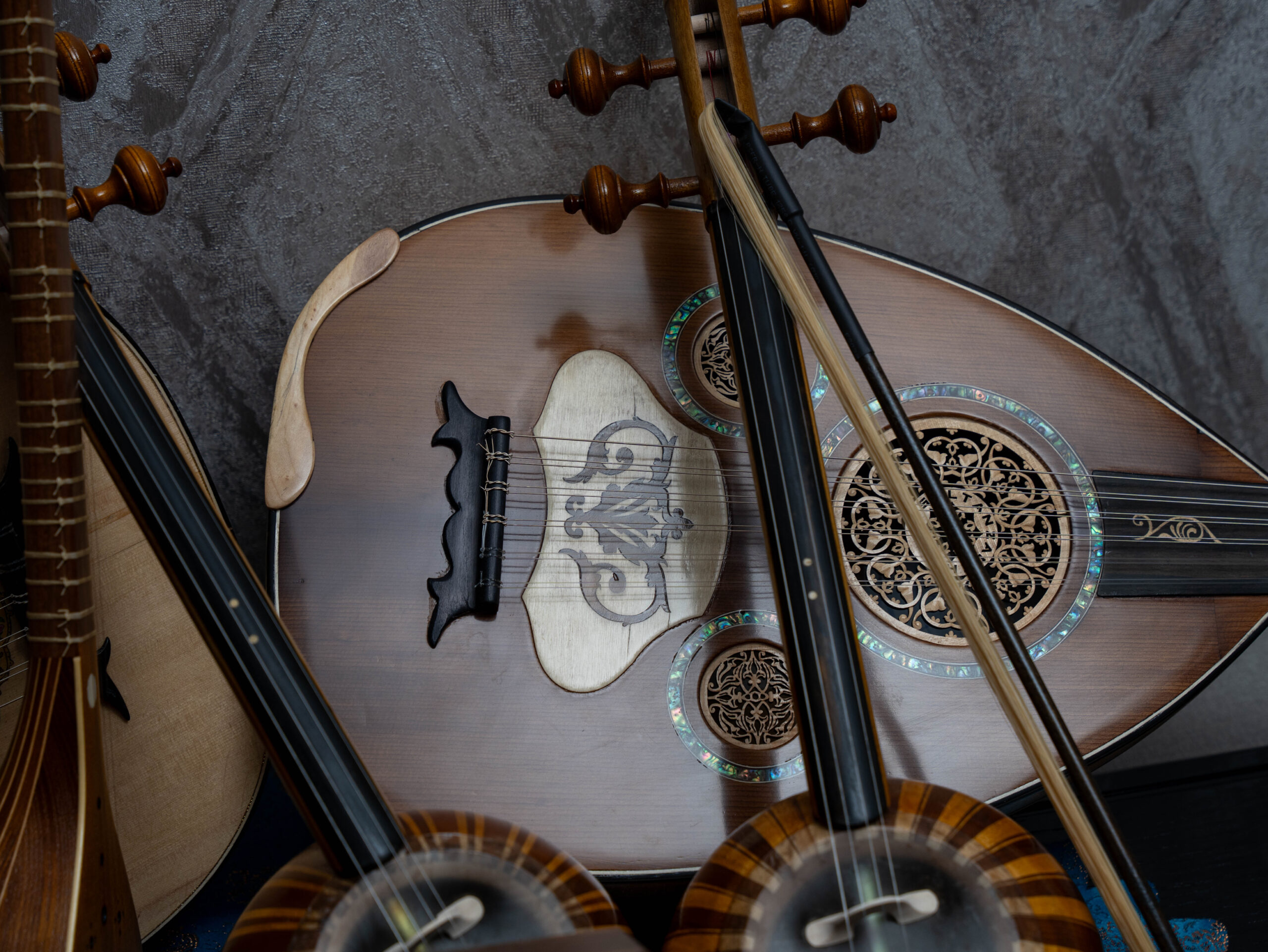
Musical Instruments: A Bridge from the Heart of History to the Future of Art
Introduction Music is the universal language of civilizations. From the earliest natural sounds to the most intricate melodies of today, musical instruments have played a crucial role in shaping cultures, rituals, and global artistry. Each instrument carries a story—its roots in history, the hands that crafted it, and the melodies it brings to life. At Art Gulf, we have curated a collection of unique, entirely( handmade )kaj (mastercrafted) musical instruments, preserving the legacy of civilizations while paving the way for the future of music.
This article explores different types of instruments, their historical significance, the oldest musical instruments in the world, and particularly the instruments rooted in Iran, Omano, Morocco, Egypt, Ĉinio, India, and Italy. Finally, we discuss their value as both artistic and financial investments for collectors, musicians, and music scholars.
1.Main Categories of Musical Instruments:
Musical instruments are generally classified into four main categories:
1. String Instruments (Chordophones): Includes Tar, Setar, Oud, Kamancheh, Violin, Qanun, and Santur.
2. Percussion Instruments (Membranophones & Idiophones): Includes Tonbak, Daf, Tabla, and Bendir.
3. Wind Instruments (Aerophones): Includes Ney, Duduk, Sheng (Ĉinio), Egyptian Nai, and Indian Shehnai.
4. Keyboard Instruments: Includes the Organ, Harpsichord, and Harmonium.
2. The Oldest Musical Instruments in the World:
1. Ancient Instruments and Their Origins
• Iran: Depictions of string instruments such as the Tar and Kamancheh have been discovered in ancient Persian paintings and seals from the Achaemenid and Parthian eras.
• Egypt: Ancient reliefs in Egyptian temples depict the Ney and Qanun, emphasizing their role in sacred and royal ceremonies.
• China: The Sheng, one of the oldest wind instruments, was crafted over 3,000 years ago.
• India: Instruments like the Sarod and Sitar are among the world’s oldest string instruments, still used in Indian classical music.
• Italy: Italy played a key role in the development of the Violin. Esteemed makers like Stradivarius in the 17th and 18th centuries crafted instruments that remain some of the most valuable in the world.
• Morocco & Oman: Various stringed and percussion instruments have deep connections to Berber and Arabic music traditions.
2. Instruments That Have Stood the Test of Time
• Oud: Originating from Mesopotamia, this versatile instrument inspired many string instruments across the world.
• Qanun: With a history of over 2,000 jaroj, this instrument is central to Middle Eastern, turka, and North African music.
• Kamancheh: A bowed string instrument integral to Persian and Central Asian music.
• Santur: With Persian origins, this hammered dulcimer has influenced music from India to Greece and Europe.
• Violin: Emerging from Italy, the violin has become a fundamental instrument in both Western and Eastern classical music.
3. Prominent Musical Instruments by Country
1. Iran
• Tar: Made from mulberry wood and lambskin, known for its deep and expressive tone.
• Setar: A delicate instrument used in Persian Sufi music.
• Kamancheh: A crucial bowed string instrument in Persian music.
• Santur: A trapezoidal hammered dulcimer with 72 strings, producing a mesmerizing sound.
• Tonbak: The principal goblet drum of Persian music, known for its intricate techniques.
2. Oman
• Oud: Crafted from high-quality woods like rosewood and walnut, producing a distinctive sound.
• Omani Daf: A frame drum used in traditional and ceremonial music.
3. Morocco
• Guembri: A plucked string instrument used in Gnawa music.
• Bendir: A large frame drum integral to Moroccan folk music.
4. Egypt
• Egyptian Ney: A reed flute that holds a significant place in Arabic classical music.
• Qanun: A key instrument in Arabic and Middle Eastern classical traditions.
5. China
• Sheng: One of the earliest known wind instruments, still played in traditional Chinese music.
• Guzheng: A zither-like instrument, similar to the Qanun but played with unique techniques. 6. India
• Sitar: A fundamental instrument in Hindustani classical music, known for its unique resonant sound.
• Tabla: A percussion instrument used for intricate rhythmic patterns.
7. Italy
• Violin: First developed in 16th-century Italy, the violin remains one of the most prestigious instruments in global classical music.
4. The Value of Handmade Musical Instruments:
Handmade and mastercrafted instruments not only have great artistic value but also serve as highly valuable investments over time. Factors Affecting the Value of an Instrument.
• Material and craftsmanship (e.g., walnut, rosewood, and mulberry for instruments like the Tar and Oud).
• Handmade quality and artisan skill (Master luthiers often leave a signature or mark on high-end instruments).
• Historical significance and rarity (Antique and limited-edition instruments have increased value).
• Sound quality and international standards (Certain instruments are crafted for professional performances, enhancing their market value).
5. Musical Instruments as a Cultural Investment For Collectors Handmade instruments not only have cultural and historical significance but also appreciate in value over time, making them worthy additions to private collections and museums.
For Musicians and Artists Owning a handmade instrument means possessing a unique tool that offers an unparalleled sound and personal connection to the music.
For Scholars and Enthusiasts Understanding the history and philosophy behind these instruments deepens one’s appreciation and knowledge of music. Konkludo: Music is a bridge that connects the past to the future. Every instrument is an ambassador of civilization, continuing its journey through the hands of today’s artisans and musicians. At Art- Gulf.com, we have gathered a collection of exceptional, handmade musical instruments that are not just historical treasures but also investments in the future of music.
In our sales section, each of these mastercrafted instruments is available with detailed information, valuation, and pricing.
Handicrafts
Handicrafts: From the Heart of Ancient Civilizations to the Investment of the Future Introduction:
A Timeless Legacy in Our Hands Handicrafts are more than just artistic creations—they are reflections of the soul and identity of great civilizations, from Iran, Egypt, India, and China to Oman and Morocco. These ancient arts serve as a bridge between the past and the future, each piece telling a unique story of culture, civilization, and creativity. In today’s world, where mass production dominates, handicrafts hold their ground, not only for their artistic value but also for their economic and investment potential.
The Origins of Handicrafts in Human History The first signs of handicrafts date back to the Paleolithic era, around 30,000 to 40,000 years ago, when early humans used bones, ligno, and stones for survival and artistic expression. However, the earliest documented artistic and handcrafted works belong to 10,000 to 12,000 years ago, when great civilizations like Sumer, Ancient Egypt, Persia, Ĉinio, and India began creating remarkable and lasting artifacts.
The Oldest Handicraft Discoveries in the World:
1. Painted Pottery from Susa (Irano) – Around 8,000 years ago
2. Stone Seals from Mesopotamia – Over 7,000 years ago
3. Gold Jewelry and Gemstone Art from Ancient Egypt – 5,000 years ago
4. Chinese Silk Weaving – Over 4,500 years ago
5. Intricate Woven Fabrics from India – Over 4,000 years ago
6. Mosaic Pottery from Morocco and Oman – 3,000 years ago.
These discoveries highlight how handicrafts have always played a fundamental role in human civilization, serving not only practical purposes but also acting as cultural and artistic expressions of societies.
Handmade or a Living Art?
Hodiaŭ, terms like Handmade or Handicraft are commonly used to describe artisan products, yet these items are much more than just manually crafted objects. They carry the history, culture, and aesthetic philosophy of some of the greatest civilizations. Whether from Iran, Egypt, Morocco, Omano, India, or China, handicrafts reflect the artistic mastery and unique identity of their origins.
Why Handicrafts from Great Civilizations?
1. Authenticity and Unique Art: Handicrafts from civilizations such as Iran, Egypt, India, Ĉinio, Omano, and Morocco are the result of thousands of years of craftsmanship, filozofio, and artistic excellence.
2. A Valuable Investment: Unlike mass-produced goods, handicrafts not only retain their value over time but often appreciate. Collectors and art investors recognize this market as both secure and promising.
3. The Uniqueness of Every Piece: Each handcrafted item is one-of-a-kind. Owning a miniature Susa pottery, an Indian woven textile, or a Moroccan rug means holding a tangible piece of history and heritage.
4. A Link to Civilizations: We are the ambassadors of the world’s ancient civilizations. Handicrafts serve as a universal language, connecting people through time and culture.
The Global Market and the Future of Handicrafts With the rising demand for sustainable and authentic art, handicrafts have attracted increasing attention from investors and collectors. While digital art and NFTs are on the rise, physical handicrafts remain irreplaceable, maintaining their strong position among galleries, kolektantoj, and art enthusiasts. Hodiaŭ, purchasing handicrafts is not only an artistic choice but also a strategic financial investment.
Konkludo: A Bridge Between Art, Investment, and the Future We are witnessing a global return to authenticity. In a world that seeks deeper connections with history, art, kaj kulturo, handicrafts remain among the most valuable assets one can invest in. Whether you are a seasoned collector or an investor searching for a dynamic and appreciating market, handicrafts from the world’s greatest civilizations open the door to beauty, value, and timeless craftsmanship.
On our platform: Art-Gulf.com you will not only experience living art but also gain the opportunity to explore and invest in the eternal world of handicrafts.

Tapiŝo
Tapiŝo: A Unique Jewel from the Heart of History, for Your Future
A Masterpiece, An Investment, A Timeless Legacy We have come from the heart of ancient civilizations to shape your future. What lies before you is not just a carpet—it is thousands of years of art, culture, and human civilization woven into every thread. Our carpets are not newly created; they have been centuries in the making.
Every knot is a continuation of a journey that began in the empires of antiquity, flourished under the Safavid dynasty, and has been passed down through generations of master artisans. Owning one of these carpets means becoming the custodian of a living history.
A Singular Piece of History, in Your Hands In a world where rarity defines true value, each of these carpets is one of a kind. No two pieces are alike, and each carries a unique story within its intricate patterns. Once sold, they will never be available again. These are not just carpets—they are ambassadors of civilization.
They have journeyed through the courts of Persian kings, adorned palaces, and stood as testaments to the brilliance of Iranian craftsmanship. Now, they stand before you, offering the chance to own an irreplaceable masterpiece. Value That Increases Over Time What makes a Persian carpet a priceless asset?
• A handcrafted work of art, not a mass-produced item.
• A one-of-a-kind masterpiece, not a replicated design.
• An investment that appreciates over time, not a fleeting purchase.
Just as paintings by Da Vinci and Rembrandt gain value with time, authentic Persian carpets are treasures that only grow more valuable with each passing year. An Exclusive Club, for Those Who Understand True Value This collection is reserved for individuals who recognize the depth of art, heritage, and timeless worth. You are not just a buyer—you are a guardian of cultural legacy. Your Last Chance to Own a Historic Masterpiece With each passing day, another one of these masterpieces leaves our collection forever. If you are ready to own a piece of history and secure an asset of lasting value, do not let this moment pass.
In Art-Gulf.com ,This is not just a purchase—this is a choice for eternity. We have come from the heart of ancient civilizations to shape your future.
I’ve been Curaturing since 1999
We invite artists, leading galleries, renowned collectors, and investors from around the world to join us on this unique platform—where art reaches its true value.


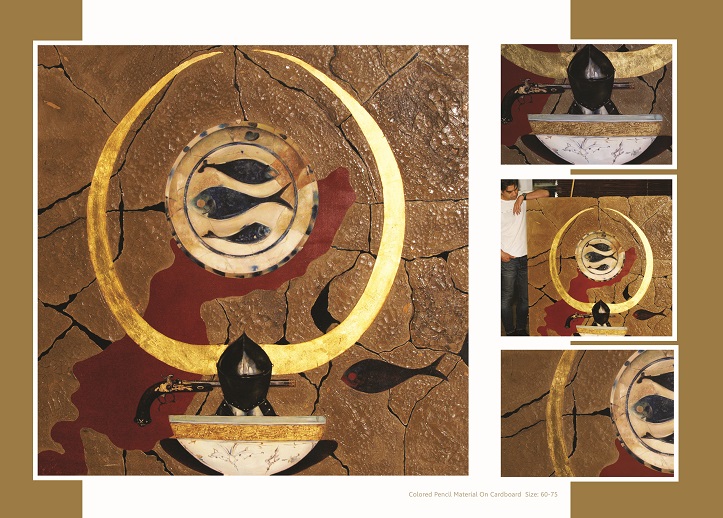
Majstro Ahmad Najafi | Pentristo & Koncipa Artisto - De Teherano ĝis la Tutmonda Arta Sceno. Ahmad Najafi estas vizia irana artisto kies vojaĝo en pentraĵo kaj desegnaĵo komenciĝis en siaj adoleskaj jaroj en Teherano.. Kun pasio kiu eltenis dum jardekoj, li establis unikan voĉon trans diversaj artaj stiloj, inkluzive koncepta, abstraktaĵo, superrealisto, kaj realismaj esprimoj. Liaj artaĵoj estas kreitaj uzante larĝan gamon de teknikoj kaj materialoj - de oleofarbo, paŝteloj, koloraj krajonoj, lignokarbo, guaŝo, kaj ora folio, al kanvasoj, ligno, kaj tradiciaj iranaj ŝtofoj. Ĉiu peco reflektas profundan emocian kernon, poezia ligo inter interna sperto kaj ekstera formo. Ekde 1999, Majstro Najafi aktive instruis pentradon en sia privata studio, kie li trejnis kaj inspiris novan generacion de artamantoj. Kun granda fiero, li prezentis multajn studentojn al la mondo de belartoj - ne nur en Irano sed ankaŭ tutmonde. Per interretaj kaj virtualaj klasoj, li laboris kun studentoj de Aŭstralio, Kanado, Britio, Usono, Turkio, la Unuiĝintaj Arabaj Emirlandoj, Omano, Kuvajto, kaj multaj aliaj landoj. Li ankaŭ gvidis enpersonajn laborrenkontiĝojn, inkluzive de sesioj por membroj de tradiciaj aristokrataj familioj en partoj de la araba mondo. La pentraĵoj de Najafi estis ekspoziciitaj kaj akiritaj fare de kolektantoj kaj galerioj ĉie sur la globo. Ĝis nun, centoj da liaj originaj verkoj - ĉiu kun sia propra rakonto kaj spirito - estis aĉetitaj aŭ komisiitaj internacie, kaj elmontrita en privataj galerioj en landoj kiel la UAE, Omano, Kataro, Kuvajto, la UK, Usono, Ĉinio, Japanio, Aŭstralio, Turkio, Rusio, Italio, Hispanio, kaj pretere. Liaj pecoj estas admiritaj ne nur pro sia estetika beleco sed ankaŭ kiel kolekteblaj investoj ŝatataj de artentuziasmuloj kaj profesiaj kolektantoj egale.. Ni venis el la koro de antikvaj civilizacioj en vian estontecon - kaj Majstro Ahmad Najafi estas unu el la plej inspiraj ambasadoroj de ĉi tiu vojaĝo..

“En ĉi tiu pasema mondo, neniu proprieto estas konstanta; la ŝanco ĝui ĉi tiujn unikajn trezorojn trapasis nin, kaj nun estas via vico posedi, vidu, tuŝi, kaj kundividu ĉi tiujn valorajn artaĵojn kun estontaj generacioj."

Majstro Rasoulian | Majstro de Wood Inlay (Moarraq) kaj Relief Carving - De Sentempaj Radikoj ĝis Tutmondaj Majstraĵoj Majstro Rasoulian, naskita en Irano, devenas de familio profunde radikita en la tradicioj de arto. Kredite en domanaro kie manteksitaj tapiŝoj estis la heredaĵo de la familio kaj la melodioj de tradicia muziko kaj kanto plenigis la aeron., lia pasio por arto estis nutrita de frua aĝo. Li intime familiariĝis kun ĉiu stadio de manfarita tapiŝoproduktado kaj evoluigis esceptan kapablon en la diversaj aspektoj de ĉi tiu metio.. Tiu profunda ligo al tradiciaj artoj igis lin okupiĝi pri formalan edukon en la kampo de manmetioj. En 2005, li studentiĝis ĉe teknika artlernejo kaj poste gajnis bakalaŭron en Tapiŝo-Dezajno, profundigante kaj lian akademian kaj artan komprenon. Lia eksponiĝo al la kompleksa geometrio de tapiŝopadronoj kaj klasika pentra estetiko nature tiris lin al la mondo de ligna inkrustaĵo. (Moarraq) kaj reliefa ĉizado (Monabbat). Ekde tiam, Majstro Rasoulian kreis centojn da rimarkindaj verkoj - intervalante de lignaj inkrustpaneloj kaj komplike ĉizitaj mebloj ĝis luksaj ornamaj tabloj.. Ĉiu el liaj pecoj estas unika fuzio de tradicio, persona esprimo, kaj rafinita tekniko. Liaj ĉefverkoj estis fiere eksportitaj al landoj inkluzive de Unuiĝintaj Arabaj Emirlandoj, Kuvajto, Kataro, Britio, Usono, kaj multaj aliaj, kaj trovis hejmojn en privataj galerioj kaj prestiĝaj kolektoj tra la mondo. nLia arto funkcias kiel ponto inter glora pasinteco kaj kreiva estonteco en tutmonda arto—verkoj kiuj ne nur enspiras vivon en lignon sed poezie esprimas belecon., harmonio, kaj la eltenema spirito de la homaro tra civilizoj kaj kulturoj. Ni venis el la koro de antikvaj civilizacioj por formi vian estontecon - kaj Majstro Rasoulian estas unu el la daŭraj voĉoj de ĉi tiu sentempa vojaĝo..

Majstro Hossein Bishe'i | Violonoj Kiuj Parolas, Ne Nur Sono
Naskita en Teherano - urbo kie sono vivas en la ŝtofo mem de vivo - Majstro Hossein Bishe'i dediĉis pli ol tri jardekojn al la serĉado de pura muzika formo.. Komencante sian vojaĝon en 1986 kun la kreado de la santur, li poste esploris la gudron, kaj ekde 2003, li plene dediĉis sian metion al la violono - okcidenta instrumento renaskita en liaj manoj kiel objekto de kaj sono kaj arto. Ĉiu el liaj instrumentoj estas tute manfarita. De zorge elektitaj arbaroj ĝis akustike rafinitaj detaloj, Bishe'i kreas majstre konstruitajn violonojn - pecojn kiuj konkuras kun la kvalito trovita en nur manpleno da laborrenkontiĝoj tutmonde.. Liaj verkoj transpasis limojn. Violonoj de Hossein Bishe'i atingis perspektivajn muzikistojn kaj kolektantojn en la Unuiĝintaj Arabaj Emirlandoj, Kataro, Kuvajto, Hispanio, Italio, Britio, Kanado, Usono, kaj pretere. Hodiaŭ, liaj instrumentoj estas luditaj trans kvin kontinentoj, ĉiu portanta unikan voĉon - aŭdebla subskribo de la artisto kiu formis ĝin. Por Majstro Bishe’i, la violono ne estas nur ilo, sed vazo de spirito. Lia metio estas dialogo kun ligno - transformo de iam vivantaj arboj en vazojn de eterna sono. Ĉi tiuj ne estas nur instrumentoj. Ili estas artaĵoj. Ili estas voĉoj. Kaj ĉiufoje oni ludas unu el liaj violonoj, ĝi eĥas ne nur noton, sed promeso: "Ni venis de la koro de antikvaj civilizacioj al via estonteco."
ĝis baldaŭ

Yashar Malfouzi Mia nomo estas Yashar Malfouzi (1978) kaj mi naskiĝis en Tabrizo, Irano, en familion kiuj plene okupiĝis pri la komerco de produktado kaj distribuado de manfaritaj tapiŝoj kaj tapiŝoj, por 4 generacioj. Mi tre interesiĝis pri tapiŝarto ekde la komenco de mia infanaĝo, kaj en la aĝo de 12, Mi akiris mian Majstro-Statuson en tapiŝoteksado; kaj lernis la tutan teksadon, riparaj kaj eĉ tinkturaj procezoj. En la aĝo de 15, Mi komencis fari reliefajn kaj 3D ŝablonojn sur tapiŝoj kaj tapiŝoj, uzante memlernajn teknikojn. Por plu progresigi mian lernadon, scio kaj teknikoj, Mi eniris la universitaton en jaro 2011, kaj povis diplomiĝi kun honoroj, en nur 6 semestroj, de Arta Universitato, kun Carpet Designing Art-grado. Poste, daŭrigi mian edukadon kaj riĉigi miajn sciojn, I started a master's degree in Arts History, kiun mi finis kun honoroj kaj mi ricevis la Artan Gradon de la Ŝtato. Miaj verkoj ankaŭ estis la unua en: Festivalo de Kreivo kaj Novigado de islama laboro, Rashidi Festivalo, Supra Tapiŝo-Festivalo de Tabrizo (du jarojn sinsekve). En la lasta 25 jaroj, Mi komercigis 30,000 tapiŝoj kaj tapiŝoj kaj ekde la jaro 2011, Mi komencis sendi miajn unikajn artajn tapiŝetojn al diversaj partoj de la mondo. Mi atentigu, ke miaj verkoj estas tute manfaritaj laŭ tradicia maniero, kaj ĉiu verko havas sian propran unikan signifon, kiu estis enigita sur la reliefornamita ŝablono de la tapiŝoj. Ĉi tiuj tapiŝoj havas dekoracian celon kaj estas muntitaj sur la muro. Ĉi tiuj reliefaj tapiŝoj kun 3D surfaca ŝablono, estis senditaj al Usono, Kanado, Svislando, Japanio, Kataro, Kuvajto, la Unuiĝintaj Arabaj Emirlandoj, Germanio kaj pluraj aliaj landoj.