




Musical Intrusmants
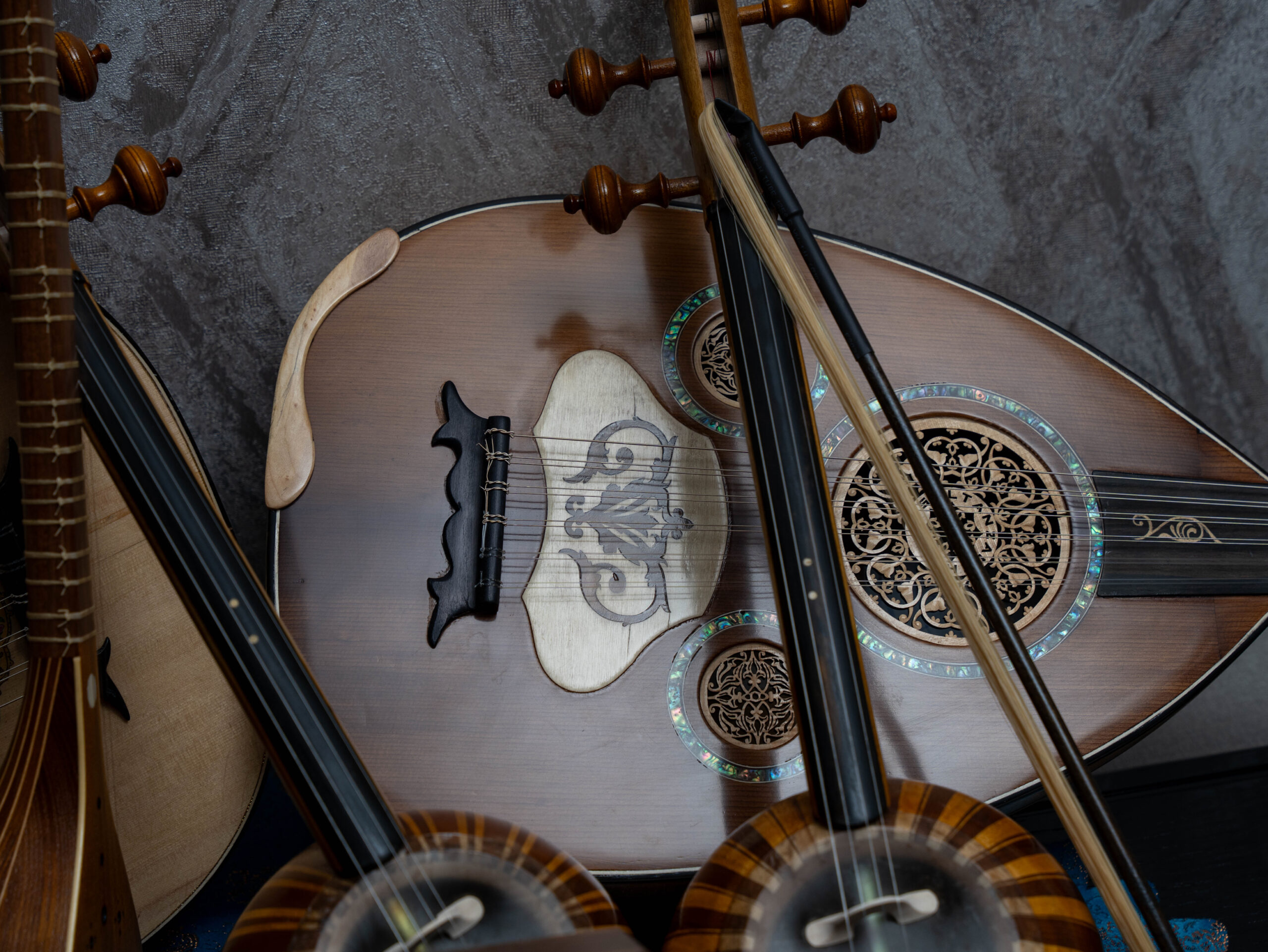
Musical Instruments: A Bridge from the Heart of History to the Future of Art
Introduction Music is the universal language of civilizations. From the earliest natural sounds to the most intricate melodies of today, musical instruments have played a crucial role in shaping cultures, rituals, and global artistry. Each instrument carries a story—its roots in history, the hands that crafted it, and the melodies it brings to life. At Art Gulf, we have curated a collection of unique, entirely( handmade )ug (mastercrafted) musical instruments, preserving the legacy of civilizations while paving the way for the future of music.
This article explores different types of instruments, their historical significance, the oldest musical instruments in the world, and particularly the instruments rooted in Iran, Oman, Morocco, Egypt, Tsina, India, and Italy. Finally, we discuss their value as both artistic and financial investments for collectors, musicians, and music scholars.
1.Main Categories of Musical Instruments:
Musical instruments are generally classified into four main categories:
1. String Instruments (Chordophones): Includes Tar, Setar, Oud, Kamancheh, Violin, Qanun, and Santur.
2. Percussion Instruments (Membranophones & Idiophones): Includes Tonbak, Daf, Tabla, and Bendir.
3. Wind Instruments (Aerophones): Includes Ney, Duduk, Sheng (Tsina), Egyptian Nai, and Indian Shehnai.
4. Keyboard Instruments: Includes the Organ, Harpsichord, and Harmonium.
2. The Oldest Musical Instruments in the World:
1. Ancient Instruments and Their Origins
• Iran: Depictions of string instruments such as the Tar and Kamancheh have been discovered in ancient Persian paintings and seals from the Achaemenid and Parthian eras.
• Egypt: Ancient reliefs in Egyptian temples depict the Ney and Qanun, emphasizing their role in sacred and royal ceremonies.
• China: The Sheng, one of the oldest wind instruments, was crafted over 3,000 years ago.
• India: Instruments like the Sarod and Sitar are among the world’s oldest string instruments, still used in Indian classical music.
• Italy: Italy played a key role in the development of the Violin. Esteemed makers like Stradivarius in the 17th and 18th centuries crafted instruments that remain some of the most valuable in the world.
• Morocco & Oman: Various stringed and percussion instruments have deep connections to Berber and Arabic music traditions.
2. Instruments That Have Stood the Test of Time
• Oud: Originating from Mesopotamia, this versatile instrument inspired many string instruments across the world.
• Qanun: With a history of over 2,000 katwahe, this instrument is central to Middle Eastern, Turkish, and North African music.
• Kamancheh: A bowed string instrument integral to Persian and Central Asian music.
• Santur: With Persian origins, this hammered dulcimer has influenced music from India to Greece and Europe.
• Violin: Emerging from Italy, the violin has become a fundamental instrument in both Western and Eastern classical music.
3. Prominent Musical Instruments by Country
1. Iran
• Tar: Made from mulberry wood and lambskin, known for its deep and expressive tone.
• Setar: A delicate instrument used in Persian Sufi music.
• Kamancheh: A crucial bowed string instrument in Persian music.
• Santur: A trapezoidal hammered dulcimer with 72 strings, producing a mesmerizing sound.
• Tonbak: The principal goblet drum of Persian music, known for its intricate techniques.
2. Oman
• Oud: Crafted from high-quality woods like rosewood and walnut, producing a distinctive sound.
• Omani Daf: A frame drum used in traditional and ceremonial music.
3. Morocco
• Guembri: A plucked string instrument used in Gnawa music.
• Bendir: A large frame drum integral to Moroccan folk music.
4. Egypt
• Egyptian Ney: A reed flute that holds a significant place in Arabic classical music.
• Qanun: A key instrument in Arabic and Middle Eastern classical traditions.
5. China
• Sheng: One of the earliest known wind instruments, still played in traditional Chinese music.
• Guzheng: A zither-like instrument, similar to the Qanun but played with unique techniques. 6. India
• Sitar: A fundamental instrument in Hindustani classical music, known for its unique resonant sound.
• Tabla: A percussion instrument used for intricate rhythmic patterns.
7. Italy
• Violin: First developed in 16th-century Italy, the violin remains one of the most prestigious instruments in global classical music.
4. The Value of Handmade Musical Instruments:
Handmade and mastercrafted instruments not only have great artistic value but also serve as highly valuable investments over time. Factors Affecting the Value of an Instrument.
• Material and craftsmanship (e.g., walnut, rosewood, and mulberry for instruments like the Tar and Oud).
• Handmade quality and artisan skill (Master luthiers often leave a signature or mark on high-end instruments).
• Historical significance and rarity (Antique and limited-edition instruments have increased value).
• Sound quality and international standards (Certain instruments are crafted for professional performances, enhancing their market value).
5. Musical Instruments as a Cultural Investment For Collectors Handmade instruments not only have cultural and historical significance but also appreciate in value over time, making them worthy additions to private collections and museums.
For Musicians and Artists Owning a handmade instrument means possessing a unique tool that offers an unparalleled sound and personal connection to the music.
For Scholars and Enthusiasts Understanding the history and philosophy behind these instruments deepens one’s appreciation and knowledge of music. Kataposan: Music is a bridge that connects the past to the future. Every instrument is an ambassador of civilization, continuing its journey through the hands of today’s artisans and musicians. At Art- Gulf.com, we have gathered a collection of exceptional, handmade musical instruments that are not just historical treasures but also investments in the future of music.
In our sales section, each of these mastercrafted instruments is available with detailed information, valuation, and pricing.
Handicrafts
Handicrafts: From the Heart of Ancient Civilizations to the Investment of the Future Introduction:
A Timeless Legacy in Our Hands Handicrafts are more than just artistic creations—they are reflections of the soul and identity of great civilizations, from Iran, Egypt, India, and China to Oman and Morocco. These ancient arts serve as a bridge between the past and the future, each piece telling a unique story of culture, civilization, and creativity. In today’s world, where mass production dominates, handicrafts hold their ground, not only for their artistic value but also for their economic and investment potential.
The Origins of Handicrafts in Human History The first signs of handicrafts date back to the Paleolithic era, around 30,000 to 40,000 years ago, when early humans used bones, kahoy, and stones for survival and artistic expression. However, the earliest documented artistic and handcrafted works belong to 10,000 to 12,000 years ago, when great civilizations like Sumer, Ancient Egypt, Persia, Tsina, and India began creating remarkable and lasting artifacts.
The Oldest Handicraft Discoveries in the World:
1. Painted Pottery from Susa (Iran) – Around 8,000 years ago
2. Stone Seals from Mesopotamia – Over 7,000 years ago
3. Gold Jewelry and Gemstone Art from Ancient Egypt – 5,000 years ago
4. Chinese Silk Weaving – Over 4,500 years ago
5. Intricate Woven Fabrics from India – Over 4,000 years ago
6. Mosaic Pottery from Morocco and Oman – 3,000 years ago.
These discoveries highlight how handicrafts have always played a fundamental role in human civilization, serving not only practical purposes but also acting as cultural and artistic expressions of societies.
Handmade or a Living Art?
Karon, terms like Handmade or Handicraft are commonly used to describe artisan products, yet these items are much more than just manually crafted objects. They carry the history, culture, and aesthetic philosophy of some of the greatest civilizations. Whether from Iran, Egypt, Morocco, Oman, India, or China, handicrafts reflect the artistic mastery and unique identity of their origins.
Why Handicrafts from Great Civilizations?
1. Authenticity and Unique Art: Handicrafts from civilizations such as Iran, Egypt, India, Tsina, Oman, and Morocco are the result of thousands of years of craftsmanship, pilosopiya, and artistic excellence.
2. A Valuable Investment: Unlike mass-produced goods, handicrafts not only retain their value over time but often appreciate. Collectors and art investors recognize this market as both secure and promising.
3. The Uniqueness of Every Piece: Each handcrafted item is one-of-a-kind. Owning a miniature Susa pottery, an Indian woven textile, or a Moroccan rug means holding a tangible piece of history and heritage.
4. A Link to Civilizations: We are the ambassadors of the world’s ancient civilizations. Handicrafts serve as a universal language, connecting people through time and culture.
The Global Market and the Future of Handicrafts With the rising demand for sustainable and authentic art, handicrafts have attracted increasing attention from investors and collectors. While digital art and NFTs are on the rise, physical handicrafts remain irreplaceable, maintaining their strong position among galleries, tigkolekta, and art enthusiasts. Karon, purchasing handicrafts is not only an artistic choice but also a strategic financial investment.
Kataposan: A Bridge Between Art, Investment, and the Future We are witnessing a global return to authenticity. In a world that seeks deeper connections with history, art, ug kultura, handicrafts remain among the most valuable assets one can invest in. Whether you are a seasoned collector or an investor searching for a dynamic and appreciating market, handicrafts from the world’s greatest civilizations open the door to beauty, value, and timeless craftsmanship.
On our platform: Art-Gulf.com you will not only experience living art but also gain the opportunity to explore and invest in the eternal world of handicrafts.
Karpet
Karpet: A Unique Jewel from the Heart of History, for Your Future
A Masterpiece, An Investment, A Timeless Legacy We have come from the heart of ancient civilizations to shape your future. What lies before you is not just a carpet—it is thousands of years of art, culture, and human civilization woven into every thread. Our carpets are not newly created; they have been centuries in the making.
Every knot is a continuation of a journey that began in the empires of antiquity, flourished under the Safavid dynasty, and has been passed down through generations of master artisans. Owning one of these carpets means becoming the custodian of a living history.
A Singular Piece of History, in Your Hands In a world where rarity defines true value, each of these carpets is one of a kind. No two pieces are alike, and each carries a unique story within its intricate patterns. Once sold, they will never be available again. These are not just carpets—they are ambassadors of civilization.
They have journeyed through the courts of Persian kings, adorned palaces, and stood as testaments to the brilliance of Iranian craftsmanship. Now, they stand before you, offering the chance to own an irreplaceable masterpiece. Value That Increases Over Time What makes a Persian carpet a priceless asset?
• A handcrafted work of art, not a mass-produced item.
• A one-of-a-kind masterpiece, not a replicated design.
• An investment that appreciates over time, not a fleeting purchase.
Just as paintings by Da Vinci and Rembrandt gain value with time, authentic Persian carpets are treasures that only grow more valuable with each passing year. An Exclusive Club, for Those Who Understand True Value This collection is reserved for individuals who recognize the depth of art, heritage, and timeless worth. You are not just a buyer—you are a guardian of cultural legacy. Your Last Chance to Own a Historic Masterpiece With each passing day, another one of these masterpieces leaves our collection forever. If you are ready to own a piece of history and secure an asset of lasting value, do not let this moment pass.
In Art-Gulf.com ,This is not just a purchase—this is a choice for eternity. We have come from the heart of ancient civilizations to shape your future.
I’ve been Curaturing since 1999
We invite artists, leading galleries, renowned collectors, and investors from around the world to join us on this unique platform—where art reaches its true value.


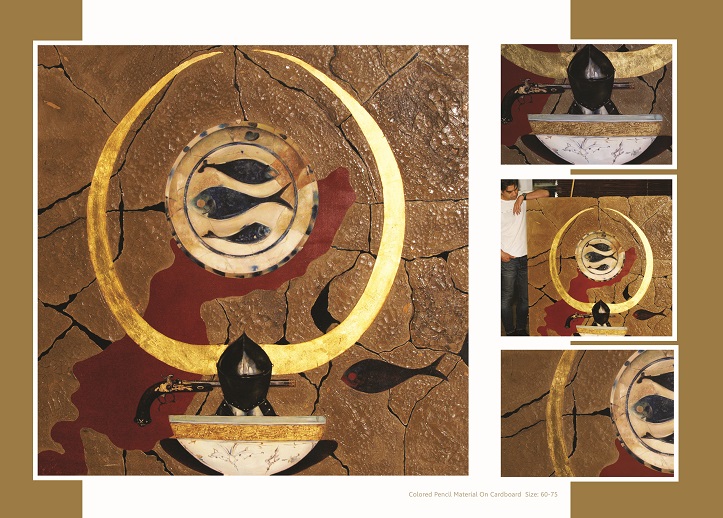
Master Ahmad Najafa | Pintor & Kahulugan nga artista - gikan sa Tehran hangtod sa global nga talan-awon .Ang Najafi usa ka panan-awon sa Iranian nga artista kansang pagbiyahe sa mga tin-edyer sa Teen-ant sa Teen-ane sa Teen-ane sa Teen-Teen Teen sa Teen-Teen Seen of Teather. Nga adunay usa ka hilig nga nakalahutay sa mga dekada, Nagtukod siya usa ka talagsaon nga tingog sa lainlaing mga estilo sa arte, lakip ang konsepto, sa hunahuna lang, surrealist, ug realist nga mga ekspresyon. Ang iyang mga artworks gihimo gamit ang usa ka halapad nga mga pamaagi ug materyales - gikan sa pintura sa lana, mga pastels, Kolor nga mga lapis, uling, guache, ug bulawan nga dahon, sa mga canvases, kahoy, ug mga tradisyonal nga panapton nga Iranian. Ang matag piraso nagpakita sa usa ka lawom nga emosyonal nga core, usa ka poetic nga koneksyon tali sa kasinatian sa sulod ug sa gawas nga porma. Sukad pa 1999, Ang Master Najafi aktibo nga nagtudlo sa painting sa iyang pribadong studio, diin siya nagbansay ug nagdasig sa usa ka bag-ong henerasyon sa mga hinigugma sa art. Uban sa dakong garbo, Gipaila niya ang daghang mga estudyante sa kalibutan sa maayong art - dili lamang sa Iran kundi sa kalibutan usab. Pinaagi sa online ug virtual nga mga klase, nagtrabaho siya kauban ang mga estudyante gikan sa Australia, CANADA, Ang United Kingdom, ang Estados Unidos, Pabo, Ang United Arab Emirates, Oman, Kuwait, ug daghang ubang mga nasud. Gipangulohan usab niya ang mga workshop sa in-person, apil ang mga sesyon alang sa mga miyembro sa tradisyonal nga mga pamilya nga aristokratikong mga bahin sa kalibutan sa Arab. Ang mga pintura ni Najafi gipakita ug nakuha sa mga kolektor ug galeriya sa tibuuk kalibutan. Hangtod karon, Gatusan sa iyang orihinal nga mga buhat - ang matag usa adunay kaugalingon nga pagsaysay ug espiritu - gipalit o gisugo sa internasyonal, ug gipakita sa mga pribadong galerya sa mga nasud sama sa UAE, Oman, Qatar, Kuwait, ang UK, USA, Tsina, J'tan, Australyano, Pabo, Russia, Italya, Sa Espanya, ug sa unahan. Ang iyang mga piraso gidayeg dili lamang alang sa ilang aesthetic nga katahum apan ingon usab ang mga kolektibong pamuhunan nga gihigugma sa mga mahiligon sa art ug propesyonal nga mga kolektor. Naggikan kami gikan sa kasingkasing sa mga karaang sibilisasyon sa imong kaugmaon - ug ang agalon ahmad najafi usa sa labing makapadasig nga mga embahador sa kini nga panaw.

"Niini nga Fleeting World, walay pagpanag-iya sa permanente; Ang oportunidad nga makatagamtam niining talagsaon nga mga bahandi nga gipasa sa US, Ug karon kini ang imong higayon nga maangkon, makita, hikapon, ug ipakigbahin kining bililhon nga mga buhat sa arte uban ang umaabot nga mga henerasyon. "
Master Ruoulian | Master sa kahoy nga Inlay (Moarraq) ug pagkulit sa relief - gikan sa wala'y katapusan nga mga ugat sa global nga obra maestries master Rasoulian, Natawo sa Iran, gikan sa usa ka pamilya nga nakagamot sa mga tradisyon sa art. Gipadako sa usa ka panimalay diin ang mga karpet nga handwoven mao ang panulundon sa pamilya ug ang mga melodies sa tradisyonal nga musika ug mga bokal nga puno sa hangin, ang iyang hilig sa arte giamuma gikan sa sayo nga edad. Nasinati niya ang matag yugto sa paghimo sa karpet sa karpet ug naugmad nga talagsaon nga kahanas sa lainlaing mga aspeto sa kini nga bapte. Kini nga lawom nga koneksyon sa tradisyonal nga mga arts nagdala kaniya sa pagpangita sa pormal nga edukasyon sa natad sa mga handicrafts. Sa 2005, Nagtapos siya gikan sa usa ka teknikal nga art sa eskuylahan ug sa ulahi nakakuha sa usa ka degree sa bachelor sa karpet nga paglansad, Pagpalalom sa iyang pagsabut sa akademiko ug artistikong. Ang iyang pagkaladlad sa komplikado nga geometry sa mga karpet nga mga sumbanan ug klasikal nga pagpintal sa mga aesthetics natural nga gidala siya sa kalibutan sa kahoy nga inlay (Moarraq) ug paghupay nga kinulit (Monatbat). Sukad niadto, Ang Master Rasoulian nakamugna og gatusan nga mga katingad-an nga mga buhat-gikan sa mga panel sa kahoy ug dili maayo nga mga kinulit nga muwebles sa maluho nga mga lamesa sa ornamental. Ang matag usa sa iyang mga piraso usa ka talagsaon nga pagpasok sa tradisyon, Personal nga Pagpahayag, ug Pinoin nga Teknik. Ang iyang mga obra maestra gipasigarbo nga gi-export sa mga nasud lakip na ang United Arab Emirates, Kuwait, Qatar, Ang United Kingdom, ang Estados Unidos, ug daghan pa, ug nakit-an ang mga balay sa pribado nga mga galeriya ug mga prestihiyoso nga mga koleksyon sa tibuuk kalibutan. Ang NHIS Art nagsilbing tulay sa taliwala sa usa ka mahimayaon nga kagahapon ug usa ka maayong kaugmaon sa kalibutan nga mga buhat sa artista nga dili lamang makaginhawa sa kinabuhi sa kahoy apan poetically nga nagpahayag sa katahum, panag-uyon, ug ang malungtaron nga espiritu sa katawhan sa mga sibilisasyon ug kultura. Naggikan kami gikan sa kasingkasing sa mga karaang sibilisasyon aron mahulma ang imong kaugmaon - ug ang Master Rasoulian usa sa mga malungtaron nga mga tingog sa kini nga walay hunong nga pagbiyahe.

Master Hossein Bishe'i | Mga violins nga nagsulti, Dili lang tunog
Natawo sa Tehran - usa ka lungsod diin nagpuyo ang maayo nga panapton sa Gumes - Master Hossein Bishe'i nga adunay tulo ka mga dekada sa puro nga porma sa musika. Pagsugod sa Iyang panaw sa 1986 Uban sa paghimo sa Santur, sa ulahi iyang gisuhid ang tar, ug sukad 2003, Hingpit nga gipahinungod niya ang iyang bapor sa biyolin - usa ka instrumento sa Kasadpan nga natawo pag-usab sa iyang mga kamot ingon usa ka butang sa tunog ug art. Ang matag usa sa iyang mga instrumento hingpit nga gunitanan. Gikan sa maampingon nga gipili nga kahoy sa mga detalye nga labi ka labi nga mga detalye, Naghimo si Bishe'i sa mga tinukod nga mga violins sa trabaho nga adunay kaatbang nga kalidad nga nakit-an sa usa ka pipila nga mga workshop sa tibuuk kalibutan. Ang iyang mga buhat adunay mga utlanan sa mga utlanan. Ang mga Violins ni Hossein Bishe'i nakaabut sa mga nahibal-an nga mga musikero ug mga kolektor sa United Arab Emirates, Qatar, Kuwait, Sa Espanya, Italya, Ang United Kingdom, CANADA, ang Estados Unidos, ug sa unahan. Karon, Ang iyang mga instrumento gipatugtog sa lima nga mga kontinente, ang matag usa nagdala usa ka talagsaon nga tingog - usa ka madungog nga pirma sa artista nga naghimo niini. Alang sa Master Bishe'i, Ang violin dili lamang usa ka himan, apan usa ka sudlanan nga espiritu. Ang iyang bapor usa ka diyalogo sa kahoy - usa ka pagbag-o sa mga kahoy nga nagpuyo sa mga sudlanan nga walay katapusan nga tunog. Dili kini mga instrumento. Sila mga artworks. Sila mga tingog. Ug sa matag higayon nga ang usa sa iyang mga violins gipatugtog, Kini nagpatin-aw dili usa ka mubo nga sulat, Apan usa ka saad: "Kami gikan sa kasingkasing sa mga karaang sibilisasyon sa imong kaugmaon."
makita ka sa dili madugay

Yashar Malfouzi Ang Akong Ngalan Yashar Malfouzi (1978) ug ako natawo sa Tabriz, Iran, sa usa ka pamilya nga hingpit nga nakigbahin sa negosyo sa produksiyon ug pag-apod-apod sa mga kamot sa mga kamot ug karsada, alang 4 mga henerasyon. Interesado kaayo ako sa Carpet Art gikan sa sinugdanan sa akong pagkabata, ug sa edad nga 12, Nakuha nako ang akong agalon nga kahimtang sa Carpet Hoaving; ug nakakat-on sa tanan nga paghabol, pag-ayo ug bisan ang mga proseso sa pagtina. Sa edad nga 15, Nagsugod ako sa paghimo sa mga embedsado ug 3D nga mga sumbanan sa mga karpet ug karpet, Gamit ang mga teknik nga gitudlo sa kaugalingon. Aron mapadayon ang pag-uswag sa akong pagkat-on, Kahibalo ug mga pamaagi, Misulod ako sa unibersidad sa tuig 2011, ug nakagradwar sa mga pasidungog, sa lang 6 semestre, Gikan sa Art University, nga adunay karegt sa karpet sa karpet. Pagkahuman, Aron mapadayon ang akong edukasyon ug mapauswag ang akong kahibalo, I started a master's degree in Arts History, nga nahuman nako sa mga pasidungog ug nadawat nako ang arte sa arte sa estado. Ang akong mga buhat nahimo usab nga naa sa una: Pista sa Pagkamugnaon ug Pagbag-o sa Buluhaton sa Islam, Rashidi Festival, Top Carpet Festival sa Tabriz (Duha ka tuig nga sunud-sunod). Sa katapusan 25 katwahe, Naa koy komersyal 30,000 Mga karpet ug rugs ug sukad sa tuig 2011, Gisugdan nako ang pagsumite sa akong talagsaon nga artistic rugs sa lainlaing bahin sa kalibutan. Kinahanglan nako ipunting nga ang akong mga buhat hingpit nga hinimo sa kamot nga hinimo sa usa ka tradisyonal nga paagi, ug ang matag buhat adunay kaugalingon nga talagsaon nga kahulugan, nga nasulat sa sulud nga sumbanan sa mga karpet. Kini nga mga rugs adunay pangdekorasyon nga katuyoan ug gibutang sa bungbong. Kini nga mga sulud nga rugs nga adunay 3D nga sumbanan sa nawong, gipadala sa US, CANADA, Switerland, J'tan, Qatar, Kuwait, Ang United Arab Emirates, Alemanya ug daghang ubang mga nasud.