




Musical Intrusmants
Musical Instruments: A Bridge from the Heart of History to the Future of Art
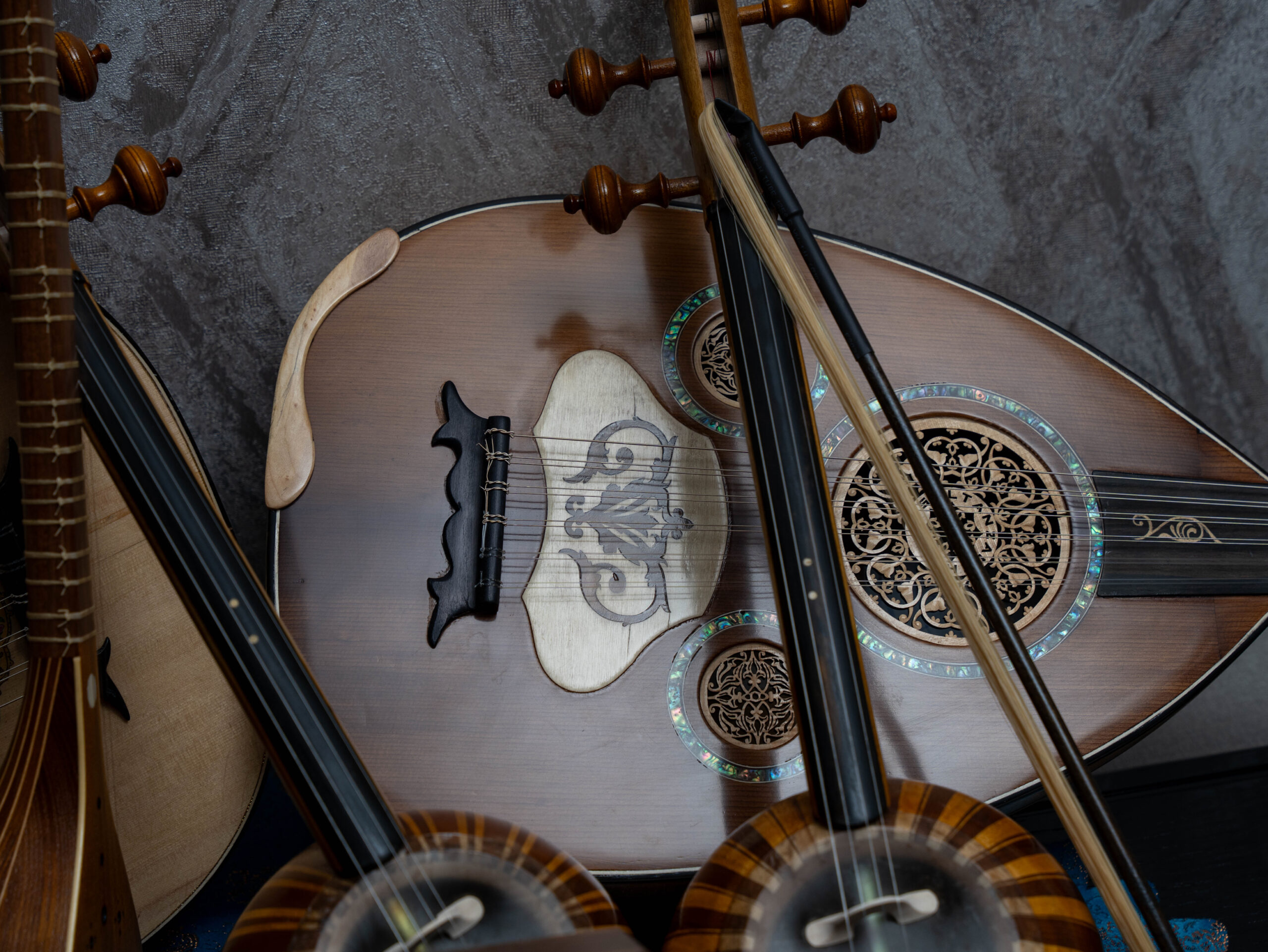
Introduction Music is the universal language of civilizations. From the earliest natural sounds to the most intricate melodies of today, musical instruments have played a crucial role in shaping cultures, rituals, and global artistry. Each instrument carries a story—its roots in history, the hands that crafted it, and the melodies it brings to life. At Art Gulf, we have curated a collection of unique, entirely( handmade )və (mastercrafted) musical instruments, preserving the legacy of civilizations while paving the way for the future of music.
This article explores different types of instruments, their historical significance, the oldest musical instruments in the world, and particularly the instruments rooted in Iran, Oman, Morocco, Egypt, Çin, India, and Italy. Finally, we discuss their value as both artistic and financial investments for collectors, musicians, and music scholars.
1.Main Categories of Musical Instruments:
Musical instruments are generally classified into four main categories:
1. String Instruments (Chordophones): Includes Tar, Setar, Oud, Kamancheh, Violin, Qanun, and Santur.
2. Percussion Instruments (Membranophones & Idiophones): Includes Tonbak, Daf, Tabla, and Bendir.
3. Wind Instruments (Aerophones): Includes Ney, Duduk, Sheng (Çin), Egyptian Nai, and Indian Shehnai.
4. Keyboard Instruments: Includes the Organ, Harpsichord, and Harmonium.
2. The Oldest Musical Instruments in the World:
1. Ancient Instruments and Their Origins
• Iran: Depictions of string instruments such as the Tar and Kamancheh have been discovered in ancient Persian paintings and seals from the Achaemenid and Parthian eras.
• Egypt: Ancient reliefs in Egyptian temples depict the Ney and Qanun, emphasizing their role in sacred and royal ceremonies.
• China: The Sheng, one of the oldest wind instruments, was crafted over 3,000 years ago.
• India: Instruments like the Sarod and Sitar are among the world’s oldest string instruments, still used in Indian classical music.
• Italy: Italy played a key role in the development of the Violin. Esteemed makers like Stradivarius in the 17th and 18th centuries crafted instruments that remain some of the most valuable in the world.
• Morocco & Oman: Various stringed and percussion instruments have deep connections to Berber and Arabic music traditions.
2. Instruments That Have Stood the Test of Time
• Oud: Originating from Mesopotamia, this versatile instrument inspired many string instruments across the world.
• Qanun: With a history of over 2,000 illər, this instrument is central to Middle Eastern, Turkish, and North African music.
• Kamancheh: A bowed string instrument integral to Persian and Central Asian music.
• Santur: With Persian origins, this hammered dulcimer has influenced music from India to Greece and Europe.
• Violin: Emerging from Italy, the violin has become a fundamental instrument in both Western and Eastern classical music.
3. Prominent Musical Instruments by Country
1. Iran
• Tar: Made from mulberry wood and lambskin, known for its deep and expressive tone.
• Setar: A delicate instrument used in Persian Sufi music.
• Kamancheh: A crucial bowed string instrument in Persian music.
• Santur: A trapezoidal hammered dulcimer with 72 strings, producing a mesmerizing sound.
• Tonbak: The principal goblet drum of Persian music, known for its intricate techniques.
2. Oman
• Oud: Crafted from high-quality woods like rosewood and walnut, producing a distinctive sound.
• Omani Daf: A frame drum used in traditional and ceremonial music.
3. Morocco
• Guembri: A plucked string instrument used in Gnawa music.
• Bendir: A large frame drum integral to Moroccan folk music.
4. Egypt
• Egyptian Ney: A reed flute that holds a significant place in Arabic classical music.
• Qanun: A key instrument in Arabic and Middle Eastern classical traditions.
5. China
• Sheng: One of the earliest known wind instruments, still played in traditional Chinese music.
• Guzheng: A zither-like instrument, similar to the Qanun but played with unique techniques. 6. India
• Sitar: A fundamental instrument in Hindustani classical music, known for its unique resonant sound.
• Tabla: A percussion instrument used for intricate rhythmic patterns.
7. Italy
• Violin: First developed in 16th-century Italy, the violin remains one of the most prestigious instruments in global classical music.
4. The Value of Handmade Musical Instruments:
Handmade and mastercrafted instruments not only have great artistic value but also serve as highly valuable investments over time. Factors Affecting the Value of an Instrument.
• Material and craftsmanship (e.g., walnut, rosewood, and mulberry for instruments like the Tar and Oud).
• Handmade quality and artisan skill (Master luthiers often leave a signature or mark on high-end instruments).
• Historical significance and rarity (Antique and limited-edition instruments have increased value).
• Sound quality and international standards (Certain instruments are crafted for professional performances, enhancing their market value).
5. Musical Instruments as a Cultural Investment For Collectors Handmade instruments not only have cultural and historical significance but also appreciate in value over time, making them worthy additions to private collections and museums.
For Musicians and Artists Owning a handmade instrument means possessing a unique tool that offers an unparalleled sound and personal connection to the music.
For Scholars and Enthusiasts Understanding the history and philosophy behind these instruments deepens one’s appreciation and knowledge of music. Conclusion: Music is a bridge that connects the past to the future. Every instrument is an ambassador of civilization, continuing its journey through the hands of today’s artisans and musicians. At Art- Gulf.com, we have gathered a collection of exceptional, handmade musical instruments that are not just historical treasures but also investments in the future of music.
In our sales section, each of these mastercrafted instruments is available with detailed information, valuation, and pricing.
Handicrafts
Handicrafts: From the Heart of Ancient Civilizations to the Investment of the Future Introduction:
A Timeless Legacy in Our Hands Handicrafts are more than just artistic creations—they are reflections of the soul and identity of great civilizations, from Iran, Egypt, India, and China to Oman and Morocco. These ancient arts serve as a bridge between the past and the future, each piece telling a unique story of culture, civilization, and creativity. In today’s world, where mass production dominates, handicrafts hold their ground, not only for their artistic value but also for their economic and investment potential.
The Origins of Handicrafts in Human History The first signs of handicrafts date back to the Paleolithic era, around 30,000 to 40,000 years ago, when early humans used bones, ağac, and stones for survival and artistic expression. However, the earliest documented artistic and handcrafted works belong to 10,000 to 12,000 years ago, when great civilizations like Sumer, Ancient Egypt, Persia, Çin, and India began creating remarkable and lasting artifacts.
The Oldest Handicraft Discoveries in the World:
1. Painted Pottery from Susa (İrin) – Around 8,000 years ago
2. Stone Seals from Mesopotamia – Over 7,000 years ago
3. Gold Jewelry and Gemstone Art from Ancient Egypt – 5,000 years ago
4. Chinese Silk Weaving – Over 4,500 years ago
5. Intricate Woven Fabrics from India – Over 4,000 years ago
6. Mosaic Pottery from Morocco and Oman – 3,000 years ago.
These discoveries highlight how handicrafts have always played a fundamental role in human civilization, serving not only practical purposes but also acting as cultural and artistic expressions of societies.
Handmade or a Living Art?
Bu gün, terms like Handmade or Handicraft are commonly used to describe artisan products, yet these items are much more than just manually crafted objects. They carry the history, culture, and aesthetic philosophy of some of the greatest civilizations. Whether from Iran, Egypt, Morocco, Oman, India, or China, handicrafts reflect the artistic mastery and unique identity of their origins.
Why Handicrafts from Great Civilizations?
1. Authenticity and Unique Art: Handicrafts from civilizations such as Iran, Egypt, India, Çin, Oman, and Morocco are the result of thousands of years of craftsmanship, philosophy, and artistic excellence.
2. A Valuable Investment: Unlike mass-produced goods, handicrafts not only retain their value over time but often appreciate. Collectors and art investors recognize this market as both secure and promising.
3. The Uniqueness of Every Piece: Each handcrafted item is one-of-a-kind. Owning a miniature Susa pottery, an Indian woven textile, or a Moroccan rug means holding a tangible piece of history and heritage.
4. A Link to Civilizations: We are the ambassadors of the world’s ancient civilizations. Handicrafts serve as a universal language, connecting people through time and culture.
The Global Market and the Future of Handicrafts With the rising demand for sustainable and authentic art, handicrafts have attracted increasing attention from investors and collectors. While digital art and NFTs are on the rise, physical handicrafts remain irreplaceable, maintaining their strong position among galleries, kollektorlar, and art enthusiasts. Bu gün, purchasing handicrafts is not only an artistic choice but also a strategic financial investment.
Conclusion: A Bridge Between Art, Investment, and the Future We are witnessing a global return to authenticity. In a world that seeks deeper connections with history, art, and culture, handicrafts remain among the most valuable assets one can invest in. Whether you are a seasoned collector or an investor searching for a dynamic and appreciating market, handicrafts from the world’s greatest civilizations open the door to beauty, value, and timeless craftsmanship.
On our platform: Art-Gulf.com you will not only experience living art but also gain the opportunity to explore and invest in the eternal world of handicrafts.

Carpet
Carpet: A Unique Jewel from the Heart of History, for Your Future
A Masterpiece, An Investment, A Timeless Legacy We have come from the heart of ancient civilizations to shape your future. What lies before you is not just a carpet—it is thousands of years of art, culture, and human civilization woven into every thread. Our carpets are not newly created; they have been centuries in the making.
Every knot is a continuation of a journey that began in the empires of antiquity, flourished under the Safavid dynasty, and has been passed down through generations of master artisans. Owning one of these carpets means becoming the custodian of a living history.
A Singular Piece of History, in Your Hands In a world where rarity defines true value, each of these carpets is one of a kind. No two pieces are alike, and each carries a unique story within its intricate patterns. Once sold, they will never be available again. These are not just carpets—they are ambassadors of civilization.
They have journeyed through the courts of Persian kings, adorned palaces, and stood as testaments to the brilliance of Iranian craftsmanship. Now, they stand before you, offering the chance to own an irreplaceable masterpiece. Value That Increases Over Time What makes a Persian carpet a priceless asset?
• A handcrafted work of art, not a mass-produced item.
• A one-of-a-kind masterpiece, not a replicated design.
• An investment that appreciates over time, not a fleeting purchase.
Just as paintings by Da Vinci and Rembrandt gain value with time, authentic Persian carpets are treasures that only grow more valuable with each passing year. An Exclusive Club, for Those Who Understand True Value This collection is reserved for individuals who recognize the depth of art, heritage, and timeless worth. You are not just a buyer—you are a guardian of cultural legacy. Your Last Chance to Own a Historic Masterpiece With each passing day, another one of these masterpieces leaves our collection forever. If you are ready to own a piece of history and secure an asset of lasting value, do not let this moment pass.
In Art-Gulf.com ,This is not just a purchase—this is a choice for eternity. We have come from the heart of ancient civilizations to shape your future.
I’ve been Curaturing since 1999
We invite artists, leading galleries, renowned collectors, and investors from around the world to join us on this unique platform—where art reaches its true value.


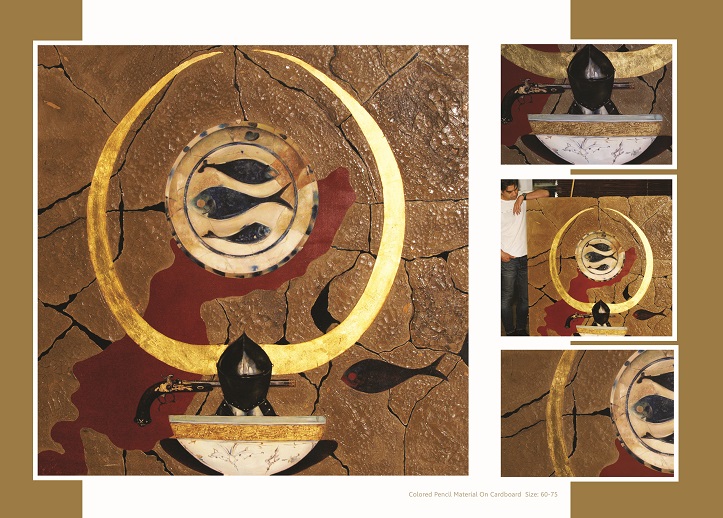
Usta Əhməd Nəcəfi | Rəssam & Konseptual rəssam - Tehrandan qlobal incəsənət səhnəsinə qədər .Amad Nəcəfi, Tehrandakı yeniyetmə illərində rəssamlıq və rəsm əsərində səyahət edən bir vizionar iranlı rəssamdır. Onilliklər boyu dözən bir ehtirasla, Müxtəlif bədii üslublarda unikal bir səs qurdu, konseptual daxil olmaqla, abstrakt, sürrealist, və realist ifadələr. Onun sənət əsərləri geniş çeşidli texnikalar və materiallardan istifadə edərək hazırlanmışdır - yağ boyasından, pastellər, rəngarəng qələmlər, kömür, guache, və qızıl yarpağı, kətanlara, ağac, və ənənəvi iranlı parçaları. Hər bir parça dərin bir emosional nüvəni əks etdirir, daxili təcrübə və xarici forma arasında poetik bir əlaqə. O vaxtdan bəri 1999, Master Nəcəfi özəl studiyasında rəsm əsərlərini fəal şəkildə öyrədir, burada yeni bir nəsil sənət həvəskarlarını ilhamlandırdığı və ilhamlandırdığı yer. Böyük qürurla, O, çoxsaylı şagirdləri gözəl sənət dünyasına - təkcə İranda deyil, həm də qlobal miqyasda təqdim etdi. Onlayn və virtual dərslər vasitəsilə, Avstraliyadan olan tələbələrlə işləmişdir, Kanada, Birləşmiş Krallıq, Birləşmiş Ştatlar, Hinduşka, Birləşmiş Ərəb Əmirlikləri, Oman, Küvayi, və bir çox başqa ölkələr. Həm də şəxs seminarlarına rəhbərlik etmişdir, Ərəb dünyasının bölgələrində ənənəvi aristokrat ailələrin üzvləri üçün iclaslar da daxil olmaqla. Nəcəfinin rəsmləri dünyanın hər yerində kolleksiyaçı və qalereyaları tərəfindən sərgilən və əldə edilmişdir. Bu günə qədər, Yüzlərlə orijinal əsəri - hər biri öz povesti və ruhu olan hər biri beynəlxalq səviyyədə satın alınmış və ya istismara verilmişdir, və BƏƏ kimi ölkələrdə fərdi qalereyalarda nümayiş olundu, Oman, Qatar, Küvayi, İngiltərə, ABŞ, Çin, Yaponiya, Avstraliya, Hinduşka, Rusiya, İtaliya, Vayqə, və kənarda. Parçaları təkcə estetik gözəlliyi üçün deyil, həm də sənət həvəskarları və peşəkar kolleksiyaçıları tərəfindən hörmətli investisiyalar üçün də heyran qalır. Qədim sivilizasiyaların qəlbindən gələcəyik - və Master Əhməd Nəcəfi bu səyahətin ən ruhlandırıcı səfirlərindən biridir.

"Bu qaçan dünyada, Heç bir mülkiyyət qalıcı deyil; Bu unikal xəzinələrdən zövq almaq fürsəti bizi keçdi, İndi də sahib olmaq növbənizdir, görmək, toxunmaq, Bu dəyərli sənət əsərlərini gələcək nəsillərlə bölüşün. "

Usta Rasoulian | Taxta mozaika ustası (Moarraq) və relyef oyma - zamansız köklərdən qlobal şah əsərlərinə usta Rasoulian, İranda anadan olub, sənət ənənələrində dərin köklü bir ailənin gəlir. Əl ilə örtülmüş xalçaların ailənin irsi və ənənəvi musiqi melodiyaları olduğu bir evdə böyüdü və havanı doldurdu, Sənətə olan ehtirası erkən yaşlarından tərbiyə edildi. Əl istehsalı xalça istehsalının hər mərhələsi ilə yaxından tanış oldu və bu sənətkarın müxtəlif aspektlərində müstəsna bacarıq hazırladı. Ənənəvi sənətə qədər bu dərin əlaqə onu əl işləri sahəsində rəsmi təhsil almağa səbəb oldu. İçində 2005, Texniki sənət məktəbini bitirib daha sonra xalça dizaynında bakalavr dərəcəsi qazandı, Həm akademik, həm də bədii anlayışını dərinləşdirmək. Xalça naxışlarının və klassik rəsm estetikasının mürəkkəb həndəsəsinə məruz qalması təbii olaraq onu ağac mozaika dünyasına tərəf çəkdi (Moarraq) və relyef oyma (Monabbat). O vaxtdan bəri, Usta Rasoulian, ağac mozaikləri panellərindən və həkk olunmuş mebeldən lüks bəzək masalarına qədər yüzlərlə əlamətdar iş yaratdı. Onun hər birinin hər birinin bənzərsiz bir şəkildə birləşməsidir, şəxsi ifadələr, və zərif texnika. Onun şah əsərləri Birləşmiş Ərəb Əmirlikləri də daxil olmaqla ölkələrə qürurla ixrac edilmişdir, Küvayi, Qatar, Birləşmiş Krallıq, Birləşmiş Ştatlar, və bir çoxu, və dünyanın hər yerində fərdi qalereyalarda və nüfuzlu kolleksiyalarda ev tapdılar. Nhis sənəti, qlobal bir keçmiş və qlobal sənətkarlıq sahəsində yaradıcı bir gələcək arasında bir körpü rolunu oynayır, yalnız odun içinə, lakin şairə ifadə edən gözəlliyi, harmoniya, və sivilizasiyalar və mədəniyyətlər üzrə bəşəriyyətin davamlı ruhu. Gələcəyinizi formalaşdırmaq üçün qədim sivilizasiyaların qəlbindən gəldik - və Rasoulian bu ebedi səyahətin davamlı səslərindən biridir.

Master Hossein Bishe'i | Danışan skripka, Yalnız sağlam deyil
Tehranda anadan olan bir şəhərin həyat tərzi olan Hüseynin Bishe'i, saf musiqi formasının ardınca üç onillikdə həsr olunmuş bir şəhər. Səyahətə başlaması 1986 Santuranın hazırlanması ilə, Daha sonra tar araşdırdı, və bu gündən bəri 2003, O, sənətini skripka - həm səs, həm də sənət obyekti kimi əlində olan qərb alətinə tam həsr etmişdir. Alətlərinin hər biri tamamilə əl işdirilir. Diqqətlə seçilmiş meşələrdən akustik dəqiq detallara qədər, Bishe'i, dünyada bir ovuc seminarda olan keyfiyyəti tapan usta tikilmiş skripkalar-parçalar yaradır. Onun əsərləri sərhədləri keçdi. Hüseyni Bishe'i tərəfindən skripkalar Birləşmiş Ərəb Əmirliklərində musiqiçilər və kolleksiyaçılara çatdı, Qatar, Küvayi, Vayqə, İtaliya, Birləşmiş Krallıq, Kanada, Birləşmiş Ştatlar, və kənarda. Bu gün, Alətləri beş qitədə oynanılır, hər biri özünəməxsus səs-bir səs-küyə sahib olan sənətkarın səsli bir imzası daşıyır. Master Bishe'i üçün, Skripka sadəcə bir vasitə deyil, Ancaq ruh damarı. Onun sənətkarlığı, bir dəfə yaşayan ağacların əbədi səs damarlarına çevrilməsi ilə bir dialoqdur. Bunlar yalnız alətlər deyil. Sənət əsərləridir. Səsləridir. Və hər dəfə onun skripkalarından biri çalınır, Yalnız bir qeyd deyil, Ancaq bir söz: "Qədim sivilizasiyaların qəlbindən gələcəyinizə gəldik."
Tezliklə görüşək

Yaşar malfouzi Mənim adım Yaşar Malfouzi (1978) və mən Təbrizdə anadan olmuşam, İrin, Əl istehsalı xalçalar və kilimlərin istehsalı və paylanması işi ilə tam məşğul olan bir ailəyə, üçün 4 nəsil. Uşaqlığımın əvvəlindən xalça sənəti ilə çox maraqlandım, və yaşında 12, Xalçaçılıqda mənim əsas statusumu aldım; və bütün toxuculuq öyrəndi, Təmir və hətta boyama prosesləri. Yaşında 15, Xalçalar və kilimlərdə kabartma və 3D nümunələri düzəltməyə başladım, Öz-özünə öyrədilən texnikalardan istifadə etməklə. Öyrənəmimi daha da inkişaf etdirmək üçün, Bilik və texnikalar, İl ərzində universitetə girdim 2011, və fərqlənmə diplomu ilə məzun ola bildi, təkcə 6 semestr, İncəsənət Universitetindən, Xalça dizayn dərəcəsi ilə. Bundan sonra, təhsilimi davam etdirmək və biliklərimi zənginləşdirmək, I started a master's degree in Arts History, fərqlənmə ilə bitirdiyim və vəziyyətin sənədi dərəcəsini aldım. Əsərlərim də əvvəlcə sıralanmışdır: İslam işinin yaradıcılıq və yenilik festivalı, Rashidi Festivalı, Təbrizin ən yaxşı xalça festivalı (İki il bir sıra). Sonunda 25 illər, Mən ticarəti etmişəm 30,000 xalçalar və kilimlər və ildən bəri 2011, Unikal bədii kilimlərimi dünyanın müxtəlif hissəsinə təqdim etməyə başlamışam. İşlərimin ənənəvi bir şəkildə tamamilə əl işlənmiş olduğunu qeyd etməliyəm, və hər bir işin özünəməxsus mənası var, xalçaların kabartılmış naxışına daxil edilmişdir. Bu kilimlərdə dekorativ məqsədi var və divara quraşdırılmışdır. 3D səth naxışı olan bu kabartma kilimləri, ABŞ-a göndərildi, Kanada, İsveçrə, Yaponiya, Qatar, Küvayi, Birləşmiş Ərəb Əmirlikləri, Almaniya və bir neçə başqa ölkələr.