




Müzik içi müdahaleler
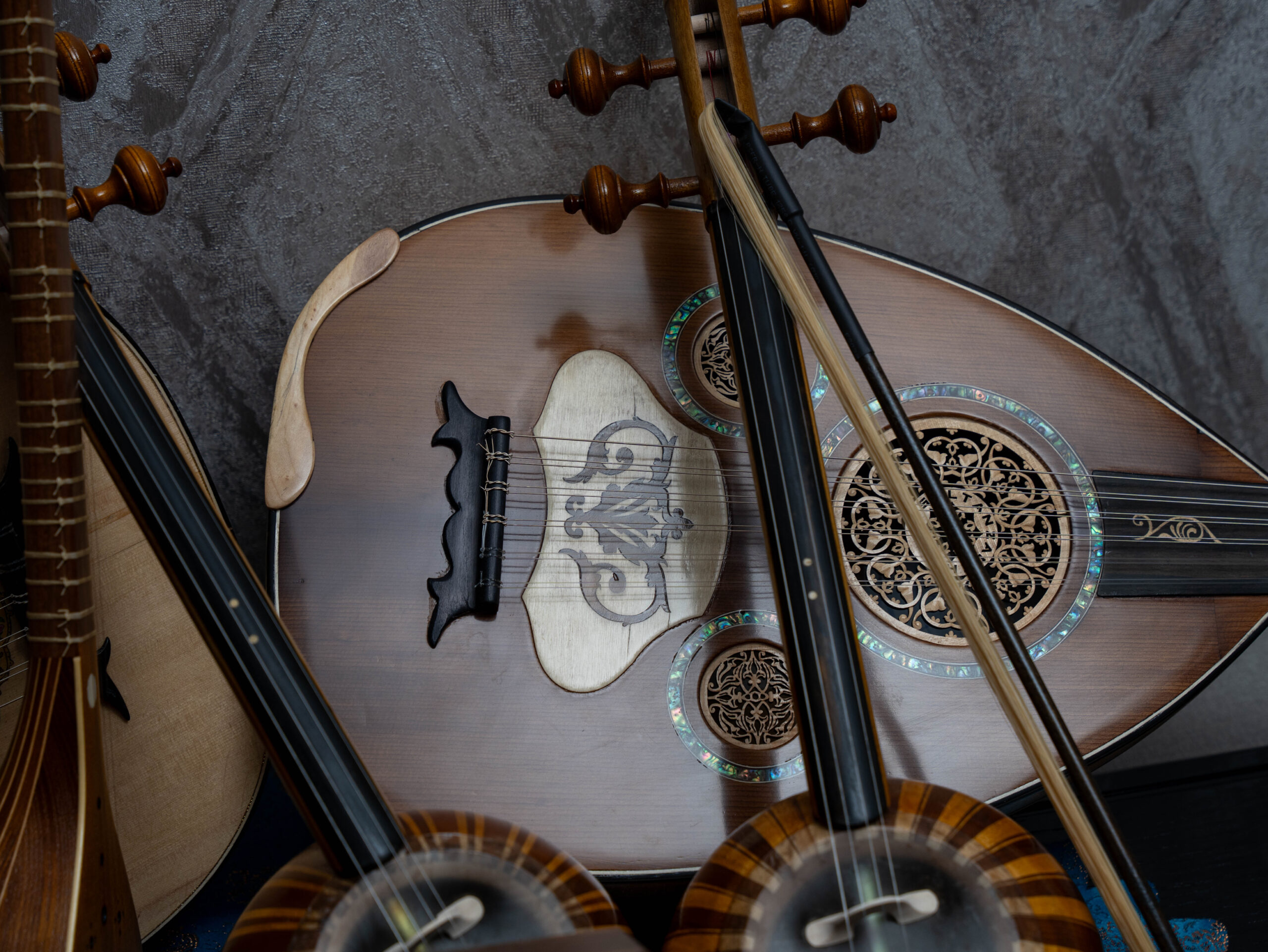
Musical Instruments: A Bridge from the Heart of History to the Future of Art
Introduction Music is the universal language of civilizations. From the earliest natural sounds to the most intricate melodies of today, musical instruments have played a crucial role in shaping cultures, rituals, and global artistry. Each instrument carries a story—its roots in history, the hands that crafted it, and the melodies it brings to life. At Art Gulf, we have curated a collection of unique, entirely( handmade )and (mastercrafted) musical instruments, preserving the legacy of civilizations while paving the way for the future of music.
This article explores different types of instruments, their historical significance, the oldest musical instruments in the world, and particularly the instruments rooted in Iran, Umman, Fas, Mısır, Çin, Hindistan, and Italy. Finally, we discuss their value as both artistic and financial investments for collectors, musicians, and music scholars.
1.Main Categories of Musical Instruments:
Musical instruments are generally classified into four main categories:
1. String Instruments (Chordophones): Includes Tar, Setar, Oud, Kamancheh, Violin, Qanun, and Santur.
2. Percussion Instruments (Membranophones & Idiophones): Includes Tonbak, Daf, Tabla, and Bendir.
3. Wind Instruments (Aerophones): Includes Ney, Duduk, Sheng (Çin), Egyptian Nai, and Indian Shehnai.
4. Keyboard Instruments: Includes the Organ, Harpsichord, and Harmonium.
2. The Oldest Musical Instruments in the World:
1. Ancient Instruments and Their Origins
• Iran: Depictions of string instruments such as the Tar and Kamancheh have been discovered in ancient Persian paintings and seals from the Achaemenid and Parthian eras.
• Egypt: Ancient reliefs in Egyptian temples depict the Ney and Qanun, emphasizing their role in sacred and royal ceremonies.
• China: The Sheng, one of the oldest wind instruments, was crafted over 3,000 years ago.
• India: Instruments like the Sarod and Sitar are among the world’s oldest string instruments, still used in Indian classical music.
• Italy: Italy played a key role in the development of the Violin. Esteemed makers like Stradivarius in the 17th and 18th centuries crafted instruments that remain some of the most valuable in the world.
• Morocco & Oman: Various stringed and percussion instruments have deep connections to Berber and Arabic music traditions.
2. Instruments That Have Stood the Test of Time
• Oud: Originating from Mesopotamia, this versatile instrument inspired many string instruments across the world.
• Qanun: With a history of over 2,000 yıllar, this instrument is central to Middle Eastern, Turkish, and North African music.
• Kamancheh: A bowed string instrument integral to Persian and Central Asian music.
• Santur: With Persian origins, this hammered dulcimer has influenced music from India to Greece and Europe.
• Violin: Emerging from Italy, the violin has become a fundamental instrument in both Western and Eastern classical music.
3. Prominent Musical Instruments by Country
1. Iran
• Tar: Made from mulberry wood and lambskin, known for its deep and expressive tone.
• Setar: A delicate instrument used in Persian Sufi music.
• Kamancheh: A crucial bowed string instrument in Persian music.
• Santur: A trapezoidal hammered dulcimer with 72 strings, producing a mesmerizing sound.
• Tonbak: The principal goblet drum of Persian music, known for its intricate techniques.
2. Oman
• Oud: Crafted from high-quality woods like rosewood and walnut, producing a distinctive sound.
• Omani Daf: A frame drum used in traditional and ceremonial music.
3. Morocco
• Guembri: A plucked string instrument used in Gnawa music.
• Bendir: A large frame drum integral to Moroccan folk music.
4. Egypt
• Egyptian Ney: A reed flute that holds a significant place in Arabic classical music.
• Qanun: A key instrument in Arabic and Middle Eastern classical traditions.
5. China
• Sheng: One of the earliest known wind instruments, still played in traditional Chinese music.
• Guzheng: A zither-like instrument, similar to the Qanun but played with unique techniques. 6. India
• Sitar: A fundamental instrument in Hindustani classical music, known for its unique resonant sound.
• Tabla: A percussion instrument used for intricate rhythmic patterns.
7. Italy
• Violin: First developed in 16th-century Italy, the violin remains one of the most prestigious instruments in global classical music.
4. The Value of Handmade Musical Instruments:
Handmade and mastercrafted instruments not only have great artistic value but also serve as highly valuable investments over time. Factors Affecting the Value of an Instrument.
• Material and craftsmanship (e.g., walnut, rosewood, and mulberry for instruments like the Tar and Oud).
• Handmade quality and artisan skill (Master luthiers often leave a signature or mark on high-end instruments).
• Historical significance and rarity (Antique and limited-edition instruments have increased value).
• Sound quality and international standards (Certain instruments are crafted for professional performances, enhancing their market value).
5. Musical Instruments as a Cultural Investment For Collectors Handmade instruments not only have cultural and historical significance but also appreciate in value over time, making them worthy additions to private collections and museums.
For Musicians and Artists Owning a handmade instrument means possessing a unique tool that offers an unparalleled sound and personal connection to the music.
For Scholars and Enthusiasts Understanding the history and philosophy behind these instruments deepens one’s appreciation and knowledge of music. Çözüm: Music is a bridge that connects the past to the future. Every instrument is an ambassador of civilization, continuing its journey through the hands of today’s artisans and musicians. At Art- Gulf.com, we have gathered a collection of exceptional, handmade musical instruments that are not just historical treasures but also investments in the future of music.
In our sales section, each of these mastercrafted instruments is available with detailed information, valuation, and pricing.
Handicrafts
Handicrafts: From the Heart of Ancient Civilizations to the Investment of the Future Introduction:
A Timeless Legacy in Our Hands Handicrafts are more than just artistic creations—they are reflections of the soul and identity of great civilizations, from Iran, Mısır, Hindistan, and China to Oman and Morocco. These ancient arts serve as a bridge between the past and the future, each piece telling a unique story of culture, civilization, and creativity. In today’s world, where mass production dominates, handicrafts hold their ground, not only for their artistic value but also for their economic and investment potential.
The Origins of Handicrafts in Human History The first signs of handicrafts date back to the Paleolithic era, around 30,000 to 40,000 years ago, when early humans used bones, odun, and stones for survival and artistic expression. Fakat, the earliest documented artistic and handcrafted works belong to 10,000 to 12,000 years ago, when great civilizations like Sumer, Ancient Egypt, İran, Çin, and India began creating remarkable and lasting artifacts.
The Oldest Handicraft Discoveries in the World:
1. Painted Pottery from Susa (İran) – Around 8,000 years ago
2. Stone Seals from Mesopotamia – Over 7,000 years ago
3. Gold Jewelry and Gemstone Art from Ancient Egypt – 5,000 years ago
4. Chinese Silk Weaving – Over 4,500 years ago
5. Intricate Woven Fabrics from India – Over 4,000 years ago
6. Mosaic Pottery from Morocco and Oman – 3,000 years ago.
These discoveries highlight how handicrafts have always played a fundamental role in human civilization, serving not only practical purposes but also acting as cultural and artistic expressions of societies.
Handmade or a Living Art?
Bugün, terms like Handmade or Handicraft are commonly used to describe artisan products, yet these items are much more than just manually crafted objects. They carry the history, culture, and aesthetic philosophy of some of the greatest civilizations. Whether from Iran, Mısır, Fas, Umman, Hindistan, or China, handicrafts reflect the artistic mastery and unique identity of their origins.
Why Handicrafts from Great Civilizations?
1. Authenticity and Unique Art: Handicrafts from civilizations such as Iran, Mısır, Hindistan, Çin, Umman, and Morocco are the result of thousands of years of craftsmanship, felsefe, and artistic excellence.
2. A Valuable Investment: Unlike mass-produced goods, handicrafts not only retain their value over time but often appreciate. Collectors and art investors recognize this market as both secure and promising.
3. The Uniqueness of Every Piece: Each handcrafted item is one-of-a-kind. Owning a miniature Susa pottery, an Indian woven textile, or a Moroccan rug means holding a tangible piece of history and heritage.
4. A Link to Civilizations: We are the ambassadors of the world’s ancient civilizations. Handicrafts serve as a universal language, connecting people through time and culture.
The Global Market and the Future of Handicrafts With the rising demand for sustainable and authentic art, handicrafts have attracted increasing attention from investors and collectors. While digital art and NFTs are on the rise, physical handicrafts remain irreplaceable, maintaining their strong position among galleries, koleksiyoncu, and art enthusiasts. Bugün, purchasing handicrafts is not only an artistic choice but also a strategic financial investment.
Çözüm: A Bridge Between Art, Investment, and the Future We are witnessing a global return to authenticity. In a world that seeks deeper connections with history, art, ve kültür, handicrafts remain among the most valuable assets one can invest in. Whether you are a seasoned collector or an investor searching for a dynamic and appreciating market, handicrafts from the world’s greatest civilizations open the door to beauty, value, and timeless craftsmanship.
On our platform: Art-Gulf.com you will not only experience living art but also gain the opportunity to explore and invest in the eternal world of handicrafts.

Halı
Halı: A Unique Jewel from the Heart of History, for Your Future
A Masterpiece, An Investment, A Timeless Legacy We have come from the heart of ancient civilizations to shape your future. What lies before you is not just a carpet—it is thousands of years of art, culture, and human civilization woven into every thread. Our carpets are not newly created; they have been centuries in the making.
Every knot is a continuation of a journey that began in the empires of antiquity, flourished under the Safavid dynasty, and has been passed down through generations of master artisans. Owning one of these carpets means becoming the custodian of a living history.
A Singular Piece of History, in Your Hands In a world where rarity defines true value, each of these carpets is one of a kind. No two pieces are alike, and each carries a unique story within its intricate patterns. Once sold, they will never be available again. These are not just carpets—they are ambassadors of civilization.
They have journeyed through the courts of Persian kings, adorned palaces, and stood as testaments to the brilliance of Iranian craftsmanship. Now, they stand before you, offering the chance to own an irreplaceable masterpiece. Value That Increases Over Time What makes a Persian carpet a priceless asset?
• A handcrafted work of art, not a mass-produced item.
• A one-of-a-kind masterpiece, not a replicated design.
• An investment that appreciates over time, not a fleeting purchase.
Just as paintings by Da Vinci and Rembrandt gain value with time, authentic Persian carpets are treasures that only grow more valuable with each passing year. An Exclusive Club, for Those Who Understand True Value This collection is reserved for individuals who recognize the depth of art, miras, and timeless worth. You are not just a buyer—you are a guardian of cultural legacy. Your Last Chance to Own a Historic Masterpiece With each passing day, another one of these masterpieces leaves our collection forever. If you are ready to own a piece of history and secure an asset of lasting value, do not let this moment pass.
In Art-Gulf.com ,This is not just a purchase—this is a choice for eternity. Geleceğinizi şekillendirmek için eski medeniyetlerin kalbinden geldik.
I’ve been Curaturing since 1999
We invite artists, leading galleries, renowned collectors, and investors from around the world to join us on this unique platform—where art reaches its true value.


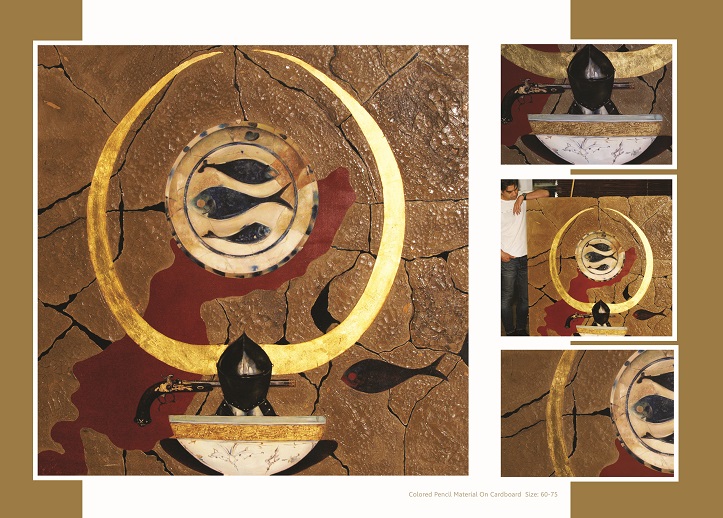
Usta Ahmad Najafafi | Ressam & Kavramsal Sanatçı – Tahran'dan Küresel Sanat Ortamına .Ahmad Najafi, resim ve çizim yolculuğu gençlik yıllarında Tahran'da başlayan ileri görüşlü İranlı bir sanatçıdır.. Onlarca yıldır süregelen bir tutkuyla, çeşitli sanatsal tarzlarda benzersiz bir ses oluşturdu, kavramsal dahil, soyut, sürrealist, ve gerçekçi ifadeler. Sanat eserleri yağlıboyadan çok çeşitli teknik ve malzemeler kullanılarak üretiliyor., pastel, renkli kalemler, kömür, guaj, ve altın varak, tuvallere, odun, ve geleneksel İran kumaşları. Her parça derin bir duygusal özü yansıtıyor, iç deneyim ile dış biçim arasında şiirsel bir bağlantı. O zamandan beri 1999, Usta Najafi aktif olarak özel stüdyosunda resim öğretiyor, yeni nesil sanatseverleri eğittiği ve onlara ilham verdiği yer. Büyük bir gururla, sadece İran'da değil, dünya çapında çok sayıda öğrenciyi güzel sanatlar dünyasıyla tanıştırdı. Çevrimiçi ve sanal dersler aracılığıyla, Avustralyalı öğrencilerle çalıştı, Kanada, Birleşik Krallık, Amerika Birleşik Devletleri, Türkiye, Birleşik Arap Emirlikleri, Umman, Kuveyt, ve diğer birçok ülke. Ayrıca kişisel atölye çalışmalarına da liderlik etti, Arap dünyasının bazı bölgelerindeki geleneksel aristokrat ailelerin üyelerine yönelik oturumlar dahil. Najafi'nin resimleri dünyanın dört bir yanındaki koleksiyonerler ve galeriler tarafından sergilendi ve satın alındı. Bugüne kadar, Her biri kendi anlatımına ve ruhuna sahip olan yüzlerce orijinal eseri uluslararası alanda satın alındı veya sipariş edildi, BAE gibi ülkelerde özel galerilerde sergileniyor, Umman, Katar, Kuveyt, Birleşik Krallık, Amerika, Çin, Japonya, Avustralya, Türkiye, Rusya, İtalya, İspanya, ve ötesinde. Eserleri yalnızca estetik güzellikleriyle değil, aynı zamanda sanat meraklıları ve profesyonel koleksiyonerler tarafından değer verilen koleksiyon yatırımları olarak da beğeniliyor.. Kadim medeniyetlerin kalbinden geleceğinize geldik ve Usta Ahmed Najafi bu yolculuğun en ilham verici elçilerinden biri..

"Bu geçici dünyada, hiçbir mülkiyet kalıcı değildir; bu eşsiz hazinelerin tadını çıkarma fırsatı bizden geçti, ve şimdi sahip olma sırası sende, Görmek, dokunmak, bu değerli eserleri gelecek nesillerle paylaşmaktır.”

Usta Rasoulian | Ahşap Kakma Ustası (Moarrak) ve Rölyef Oyma – Zamansız Köklerden Küresel Başyapıtlara Usta Rasoulian, İran'da doğdu, sanat geleneklerine derinden bağlı bir aileden geliyor. El dokuma halıların aile mirası olduğu, geleneksel müzik ve vokal melodilerinin havayı doldurduğu bir evde büyümüş, sanata olan tutkusu küçük yaşlardan itibaren beslendi. El yapımı halı üretiminin her aşamasını yakından tanıdı ve bu zanaatın çeşitli yönlerinde olağanüstü bir beceri geliştirdi.. Geleneksel sanatlarla olan bu derin bağlantısı onu el sanatları alanında örgün eğitim almaya yöneltti.. İçinde 2005, teknik sanat okulundan mezun oldu ve daha sonra Halı Tasarımı alanında lisans derecesi aldı., hem akademik hem de sanatsal anlayışını derinleştirmek. Halı desenlerinin karmaşık geometrisine ve klasik resim estetiğine maruz kalması doğal olarak onu ahşap kakma dünyasına yöneltti. (Moarrak) ve kabartma oyma (Monabbat). O zamandan beri, Usta Rasoulian, ahşap kaplama panellerden karmaşık oyma mobilyalara ve lüks süslü masalara kadar yüzlerce olağanüstü eser yaratmıştır.. Eserlerinin her biri geleneğin benzersiz bir birleşimidir, kişisel ifade, ve rafine teknik. Başyapıtları Birleşik Arap Emirlikleri dahil ülkelere gururla ihraç edildi, Kuveyt, Katar, Birleşik Krallık, Amerika Birleşik Devletleri, ve diğerleri, ve dünya çapında özel galerilerde ve prestijli koleksiyonlarda kendine yer buldu. Sanatı, küresel sanatta görkemli bir geçmiş ile yaratıcı bir gelecek arasında bir köprü görevi görüyor; yalnızca ahşaba hayat vermekle kalmayıp aynı zamanda güzelliği şiirsel bir şekilde ifade eden çalışmalar, uyum, ve medeniyetler ve kültürler boyunca insanlığın kalıcı ruhu. Geleceğinizi şekillendirmek için kadim medeniyetlerin kalbinden geldik ve Usta Rasoulian bu ebedi yolculuğun kalıcı seslerinden biri..

Usta Hossein Bishe'i | Konuşan Kemanlar, Sadece Ses Değil
Sesin hayatın dokusunda yaşadığı bir şehir olan Tahran'da doğan Usta Hossein Bishe'i, otuz yılı aşkın bir süredir saf müzik formunun arayışına kendini adamıştır.. Yolculuğuna başlayan 1986 santurun işçiliğiyle, daha sonra katranı keşfetti, ve o zamandan beri 2003, zanaatını tamamen kemana adadı; hem ses hem de sanat nesnesi olarak ellerinde yeniden doğan bir Batı enstrümanı. Enstrümanlarının her biri tamamen el yapımıdır. Özenle seçilmiş ahşaplardan akustik olarak rafine edilmiş ayrıntılara kadar, Bishe'i usta yapımı kemanlar yaratıyor; dünya çapında yalnızca birkaç atölyede bulunan kaliteye rakip olabilecek parçalar. Eserleri sınırları aştı. Hossein Bishe'i'nin kemanları Birleşik Arap Emirlikleri'ndeki seçkin müzisyenlere ve koleksiyonculara ulaştı, Katar, Kuveyt, İspanya, İtalya, Birleşik Krallık, Kanada, Amerika Birleşik Devletleri, ve ötesinde. Bugün, enstrümanları beş kıtada çalınıyor, Her biri benzersiz bir ses taşıyor; onu şekillendiren sanatçının duyulabilir bir imzası. Usta Bishe'i için, keman sadece bir araç değildir, ama bir ruh kabı. Zanaatı ahşapla bir diyalogdur; bir zamanlar yaşayan ağaçların sonsuz sesin kaplarına dönüştürülmesidir.. Bunlar sadece enstrüman değil. Onlar sanat eseri. Onlar sesler. Ve kemanlarından biri her çalındığında, sadece bir notayı yankılamıyor, ama bir söz: “Kadim medeniyetlerin kalbinden geleceğinize geldik.”
Yakında görüşürüz

Yaşar Malfouzi Benim adım Yaşar Malfouzi (1978) ve Tebriz'de doğdum, İran, tamamen el yapımı halı ve kilim üretimi ve dağıtımıyla uğraşan bir aileye dönüştü, için 4 nesiller. Çocukluğumun başından beri halı sanatına çok ilgim vardı., ve bu yaşta 12, Halı dokumada ustalık statümü aldım; ve tüm dokumayı öğrendim, onarım ve hatta boyama işlemleri. yaşında 15, Halı ve kilimlerin üzerine kabartmalı ve 3 boyutlu desenler yapmaya başladım., kendi kendine öğretilen teknikleri kullanarak. Öğrenmemi daha da ilerletmek için, bilgi ve teknikler, yılında üniversiteye girdim 2011, ve onur derecesiyle mezun olabildim, sadece 6 yarıyıllar, Sanat Üniversitesi'nden, Halı Tasarımı Sanatı derecesi ile. Daha sonrasında, eğitimime devam etmek ve bilgilerimi zenginleştirmek, I started a master's degree in Arts History, bunu dereceyle bitirdim ve Devlet Sanat Diploması aldım. Çalışmalarım da birinci sırada yer aldı.: İslami Eserlerde Yaratıcılık ve Yenilik Festivali, Raşidi Festivali, Tebriz'in En İyi Halı Festivali (iki yıl üst üste). Sonunda 25 yıllar, ticarileştirdim 30,000 halı ve kilimler ve yıldan beri 2011, Benzersiz sanatsal halılarımı dünyanın çeşitli yerlerine sunmaya başladım.. Eserlerimin tamamen geleneksel bir şekilde el işçiliğiyle yapıldığını belirtmeliyim., ve her eserin kendine özgü bir anlamı vardır, kilimlerin kabartmalı desenine gömülmüş olan. Bu kilimler dekoratif amaçlıdır ve duvara monte edilir.. 3D yüzey desenli bu kabartmalı kilimler, ABD'ye gönderildi, Kanada, İsviçre, Japonya, Katar, Kuveyt, Birleşik Arap Emirlikleri, Almanya ve diğer birçok ülke.